

Overview
Forget about ghost stories—the real horror is a failing hydraulic brake actuator when you’re cruising downhill! This guide provides five essential fixes for hydraulic brake actuators: addressing fluid leaks, bleeding the system, replacing worn seals, motor/pump replacement, and control module reprogramming, while emphasizing the importance of preventive maintenance and recognizing warning signs like spongy pedals, unusual noises, and dashboard warning lights.
Table of Contents
- Understanding Hydraulic Brake Actuators
- Signs of Hydraulic Brake Actuator Issues
- Essential Fix #1: Addressing Fluid Leaks
- Essential Fix #2: Bleeding the Brake System
- Essential Fix #3: Replacing Worn Seals
- Essential Fix #4: Motor/Pump Replacement
- Essential Fix #5: Control Module Reprogramming
- Preventive Maintenance Tips
- Conclusion
- Frequently Asked Questions
Understanding Hydraulic Brake Actuators
The hydraulic brake actuator is the unsung hero of your vehicle’s braking system, working tirelessly behind the scenes to ensure you stop safely every time you press the brake pedal. As a master mechanic with over 15 years of experience, I’ve seen how this critical component can make the difference between a smooth stop and a potential disaster. Think of it as the muscle behind your braking power – converting the force from your foot into hydraulic pressure that engages your brakes.
In modern vehicles, especially those equipped with anti-lock braking systems (ABS) or stability control, the hydraulic brake actuator is a sophisticated assembly containing valves, pumps, and sometimes electronic controls. When functioning properly, it provides consistent, reliable braking performance in all conditions. However, like any crucial component, it can develop issues over time that require attention.
The hydraulic brake actuator works on a simple yet ingenious principle: it multiplies the force applied to your brake pedal and distributes it evenly to all four wheels. This is achieved through a network of lines filled with brake fluid that transfers pressure from the master cylinder to each wheel’s brake components. The beauty of this system lies in its reliability – as long as all components are in good working order.
Signs of Hydraulic Brake Actuator Issues
Recognizing the warning signs of a failing hydraulic brake actuator is crucial for maintaining your vehicle’s safety. I’ve helped countless drivers identify these symptoms before they lead to more serious problems. Let’s explore what you should watch for:
- Spongy or soft brake pedal feel – indicating air in the lines or fluid issues
- Unusual noises when braking – often a buzzing or grinding sound from the actuator
- Warning lights on the dashboard – particularly ABS or brake system warnings
- Brake pedal that sinks to the floor – suggesting severe hydraulic pressure loss
- Inconsistent braking performance – especially when the system is cold
Many drivers first notice issues during normal driving situations. You might feel the brake pedal pulsating under light braking, or perhaps you’ve noticed your stopping distances gradually increasing. These subtle changes shouldn’t be ignored. In my experience working with hydraulic braking systems, these early warning signs often precede more significant failures.
It’s worth noting that some symptoms might appear intermittently, making diagnosis challenging for the average driver. This is particularly true for electronic actuator issues where problems might only surface under specific conditions. When in doubt, have your system inspected by a professional who can properly test the hydraulic pressure and electronic functions.
Essential Fix #1: Addressing Fluid Leaks
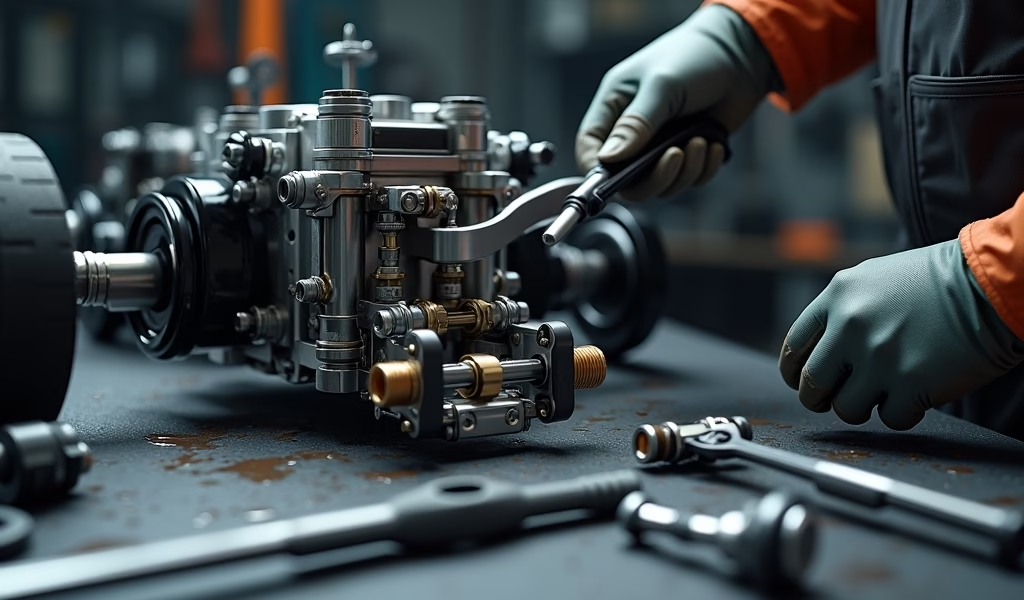
Fluid leaks are among the most common and potentially dangerous issues affecting hydraulic brake actuators. I’ve seen even small leaks lead to catastrophic brake failure when left unaddressed. The brake fluid is the lifeblood of your braking system, and maintaining its integrity is absolutely essential.
When inspecting for leaks, first check around the actuator assembly itself, looking for wet spots or staining. Brake fluid has a distinctive feel – it’s slippery and typically clear to amber in color. Over time, exposure to air can darken it to a brown or black color. Don’t just look at the actuator – follow the lines to each wheel, checking connections and fittings along the way.
Fixing leaks typically involves replacing damaged components, which might include:
- Worn rubber seals and gaskets
- Corroded brake lines
- Damaged fittings and connections
- Cracked master cylinder or actuator housing
When replacing components, always use quality parts that meet or exceed OEM specifications. I’ve seen too many quick fixes fail prematurely because of inferior parts. Additionally, always make sure to check brake fluid levels after repairs, as low fluid is often both a symptom and a cause of further problems.
Once repairs are complete, thoroughly test the system before returning to normal driving. This means checking for proper pressure at all wheels and ensuring the pedal feels firm and responsive. Remember, brake fluid is hygroscopic (absorbs moisture), so it’s good practice to replace it entirely if the system has been open for repairs.
Essential Fix #2: Bleeding the Brake System
Air is the enemy of any hydraulic system, and your brake actuator is no exception. Even tiny air bubbles can cause spongy brake feel and reduced stopping power. Proper bleeding is essential after any brake work or when addressing performance issues. In my years working on everything from family sedans to performance vehicles, I’ve found that thorough bleeding makes an immediate, noticeable improvement in braking performance.
The traditional bleeding method involves a helper pumping the brake pedal while you open and close bleeder valves at each wheel. However, modern vehicles with complex ABS systems often require a more specific approach. Some vehicles need a scan tool to activate the ABS pump during bleeding, ensuring all chambers of the actuator are properly purged of air.
For a successful brake bleed, follow these steps:
- Start with the wheel farthest from the master cylinder (usually the passenger rear)
- Work in a specific sequence toward the master cylinder
- Keep the master cylinder reservoir topped off throughout the process
- Use the manufacturer’s recommended brake fluid type only
- Continue bleeding until fluid runs clear with no air bubbles
For particularly stubborn air pockets, pressure bleeding equipment can be invaluable. This specialized tool applies pressure to the master cylinder reservoir, forcing fluid through the system more effectively than manual methods. Learning how to bleed your car brakes properly can save you money and ensure optimal performance.
Remember, different vehicles have different bleeding procedures. Some European models, for instance, have specific sequences and methods that differ significantly from American or Asian vehicles. Always consult your vehicle’s service manual for the proper procedure.
Essential Fix #3: Replacing Worn Seals
Seals are the unsung heroes of your hydraulic brake actuator. These seemingly simple rubber components prevent fluid leaks and maintain proper pressure throughout the system. Over time, exposure to heat, pressure cycles, and brake fluid causes these seals to harden, crack, or deform. In my shop, I’ve seen seals that looked perfectly fine visually but had lost their elasticity and were no longer sealing properly.
The most critical seals are found in the master cylinder and the actuator assembly itself. When these fail, you’ll typically notice a gradual degradation in brake performance rather than a sudden failure. This makes them particularly dangerous, as drivers may unconsciously adapt to the changing pedal feel until the system reaches a critical failure point.
Replacing actuator seals often requires specialized tools and a methodical approach:
- Carefully document the position of all components before disassembly
- Work in a clean environment to prevent contamination
- Replace all seals in a particular assembly, not just visibly damaged ones
- Use only manufacturer-recommended seal kits designed for your specific actuator
- Apply appropriate lubricant to new seals during installation
During reassembly, take extra care to avoid pinching or rolling seals, which can cause immediate leaks or premature failure. I always clean components thoroughly with brake-specific cleaner before installing new seals. Any debris left behind can damage new seals or cause valve issues.
After seal replacement, a thorough system bleed is mandatory. Many professionals, myself included, recommend a complete fluid change when performing major seal work. This ensures the new seals aren’t immediately exposed to contaminated or aged fluid that could accelerate their deterioration.
Essential Fix #4: Motor/Pump Replacement
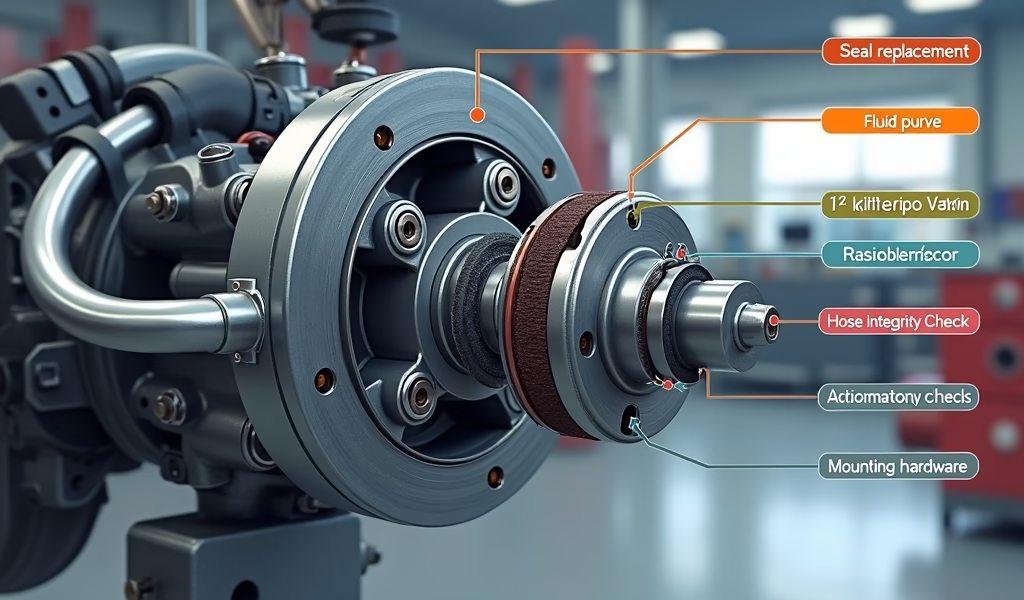
The motor and pump assembly in your hydraulic brake actuator is responsible for building and maintaining pressure in ABS and stability control systems. When this component fails, your vehicle may still brake, but critical safety features become compromised. Throughout my career, I’ve found that pump failures often present with unusual noises – a grinding or continuous running sound that occurs even when you’re not actively braking.
Modern actuator pumps are typically electric motors driving a hydraulic pump. They’re designed to activate momentarily during ABS or stability control events, pressurizing specific brake circuits as needed. A failing pump might run longer than necessary, operate erratically, or fail to generate adequate pressure.
When replacing the pump assembly:
- Disconnect the battery before beginning work – these systems operate at high voltage
- Be extremely careful with electrical connectors, as they’re often fragile
- Clean all mounting surfaces thoroughly before installation
- Replace any attached accumulators or pressure sensors simultaneously
- Follow torque specifications precisely – over-tightening can damage new components
While aftermarket pumps exist, I generally recommend OEM replacements for these critical components. The National Highway Traffic Safety Administration has specific requirements for brake system components, and genuine parts ensure compliance with these standards.
After installation, most vehicles require a specific initialization procedure using a diagnostic tool. This calibrates the pump’s operation and resets monitoring systems. Skipping this step often results in warning lights or improper operation, even with a perfectly installed new pump.
Essential Fix #5: Control Module Reprogramming
The modern hydraulic brake actuator is as much computer as it is mechanical device. The control module manages the complex interplay between sensors, valves, and the pump to provide optimal braking performance. In my diagnostic work, I’ve encountered numerous braking issues that weren’t mechanical at all – they were software-related.
Manufacturers regularly release updates for these control modules to address performance issues, adapt to component wear patterns, or fix bugs in the programming. Much like your smartphone benefits from updates, your braking system can too. These updates may improve ABS performance, stability control intervention, or general braking feel.
The reprogramming process typically involves:
- Connecting a manufacturer-specific diagnostic tool to your vehicle’s OBD port
- Backing up current settings before any changes
- Downloading and installing the latest firmware from the manufacturer
- Performing a calibration or adaptation procedure
- Testing system operation through specific diagnostic routines
This is one area where professional help is nearly always required, as the programming equipment is specialized and expensive. However, when maintaining your car’s brake system, don’t overlook this important aspect of care. Many drivers experience dramatically improved braking performance after appropriate module updates.
Be wary of aftermarket “tuning” solutions that claim to improve braking performance through reprogramming. While legitimate in some cases, these modifications can compromise safety features or violate regulatory requirements. Stick with manufacturer-approved updates administered by qualified technicians.
Preventive Maintenance Tips
In my decades as a mechanic, I’ve seen one truth proven repeatedly: preventive maintenance saves money and lives. Your hydraulic brake actuator will reward regular attention with years of trouble-free service. Here’s how to keep it healthy:
- Regularly check brake fluid levels and condition
- Replace brake fluid every 2-3 years regardless of appearance
- Inspect for leaks and seepage during routine service
- Listen for unusual noises from the actuator area
- Pay attention to changes in pedal feel or braking performance
The brake fluid deserves special attention. Unlike other fluids that primarily lubricate, brake fluid transfers force and must resist compression under extreme pressure and temperature. As noted by automotive experts, contaminated fluid can cause significant damage to internal components through corrosion and seal degradation.
I recommend a quick visual inspection whenever you’re checking other fluids. The brake fluid reservoir is typically transparent, allowing you to check both level and condition. Clean fluid should be clear to slightly amber – if it’s dark brown or black, it’s time for replacement regardless of your maintenance schedule.
For vehicles equipped with stability control or advanced driver assistance systems, regular system checks using a quality scan tool can identify issues before they affect performance. Many modern vehicles have dozens of self-tests and monitoring functions built into the braking system that can identify problems long before they’re noticeable during driving.
Conclusion
Your vehicle’s hydraulic brake actuator isn’t just another component – it’s a critical safety system that deserves proper attention and care. Throughout this guide, we’ve explored the five essential fixes that keep this vital system operating at peak performance: addressing fluid leaks, bleeding the brake system, replacing worn seals, motor/pump replacement, and control module reprogramming.
As we’ve seen, many brake actuator issues provide warning signs before catastrophic failure. By staying attentive to changes in pedal feel, unusual noises, or warning lights, you can address problems early when repairs are simpler and less expensive. Regular maintenance, particularly fluid changes and inspections, prevents many common failures before they occur.
Remember that while some brake work is within the capabilities of a dedicated DIYer, hydraulic brake actuator repairs often require specialized tools, knowledge, and sometimes programming equipment. Don’t hesitate to seek professional help when needed – when it comes to the system that stops your vehicle, cutting corners isn’t worth the risk.
By understanding how your brake actuator works and recognizing the signs of trouble, you’re already ahead of most drivers on the road. That knowledge translates directly into safer driving and more confident vehicle ownership. After all, there’s no peace of mind quite like knowing that when you press that brake pedal, your vehicle will respond exactly as expected, every single time.
Frequently Asked Questions
What exactly does a hydraulic brake actuator do?
A hydraulic brake actuator converts the force from your brake pedal into hydraulic pressure that engages your vehicle’s brakes. It multiplies the force applied and distributes it evenly to all wheels, ensuring consistent braking performance.
How often should the hydraulic brake actuator be serviced?
The actuator should be inspected during regular brake service, typically every 30,000 miles. However, the brake fluid that powers it should be replaced every 2-3 years regardless of mileage.
What causes a hydraulic brake actuator to fail?
Common causes include fluid leaks, contaminated brake fluid, worn seals, electrical failures, and pump motor wear. Environmental factors like extreme temperatures and road conditions can accelerate wear.
How much does it cost to replace a hydraulic brake actuator?
Replacement costs typically range from $500 to $1,200 depending on vehicle make and model. Labor usually accounts for about half of this cost due to the complexity of the work.
Can I drive with a faulty hydraulic brake actuator?
No, driving with a faulty actuator is extremely dangerous as it may result in partial or complete brake failure. Any signs of actuator problems warrant immediate attention from a qualified mechanic.