

Overview
Who knew that hybrid vehicles were such high-maintenance divas requiring special attention in five key areas? This article provides expert guidance on essential hybrid maintenance practices including battery care, cooling system service, brake system maintenance, specialized engine upkeep, and software updates—all designed to maximize performance and extend the lifespan of these dual-powered vehicles.
Table of Contents
- Understanding Hybrid Technology
- Why Hybrid Maintenance Differs
- Battery Care and Monitoring
- Cooling System Maintenance
- Brake System Care
- Engine Maintenance for Hybrids
- Software Updates and Diagnostics
- Conclusion
- Frequently Asked Questions
Understanding Hybrid Technology
Hybrid vehicles represent one of the most significant automotive advancements of the 21st century. As a master technician with over 20 years of experience, I’ve watched these remarkable machines evolve from novelty to mainstream. Today, hybrids account for approximately 8.9% of new car sales in the US according to Department of Energy data, and that percentage continues to climb.
At their core, hybrid cars combine two power sources – typically a conventional internal combustion engine and an electric motor powered by a high-voltage battery pack. Unlike fully electric vehicles, hybrids don’t require plugging in (though plug-in hybrids are an exception we’ll touch on later).
The beauty of this dual-system approach is how these components work together. When you’re cruising at highway speeds, the gasoline engine does most of the work. During stop-and-go traffic, the electric motor takes over, significantly reducing fuel consumption and emissions. And when you brake, the regenerative braking system captures energy that would otherwise be lost as heat and uses it to recharge the battery.
This technological tag-team creates a vehicle that delivers impressive fuel economy without the range anxiety associated with fully electric vehicles. But with great technology comes specialized maintenance needs – and that’s what we’re here to explore.
Why Hybrid Maintenance Differs
Maintaining a hybrid vehicle isn’t necessarily more difficult than maintaining a conventional car, but it is different. The dual-nature of hybrid powertrains creates unique service requirements that many owners – and even some mechanics – don’t fully understand.
For starters, hybrids have high-voltage electrical systems that require special training and equipment to service safely. The orange cables you see under the hood aren’t just for show – they can carry enough voltage to be lethal if mishandled. This is why I always recommend finding a technician certified in hybrid maintenance for major repairs.
Second, the start-stop cycling of the gasoline engine affects maintenance intervals. Because the engine doesn’t run continuously, some components experience different wear patterns than in conventional vehicles.
Third, hybrids have sophisticated thermal management systems to keep batteries and power electronics operating at optimal temperatures. These systems require specialized care to ensure long-term reliability.
As Mark Johnson, a Toyota hybrid specialist I’ve worked with for years, puts it: “Hybrid maintenance isn’t rocket science, but it does require understanding systems integration. When everything works together properly, these cars can easily go 200,000+ miles with minimal issues.”
Let’s explore the five essential maintenance treatments that will keep your hybrid running efficiently for years to come.
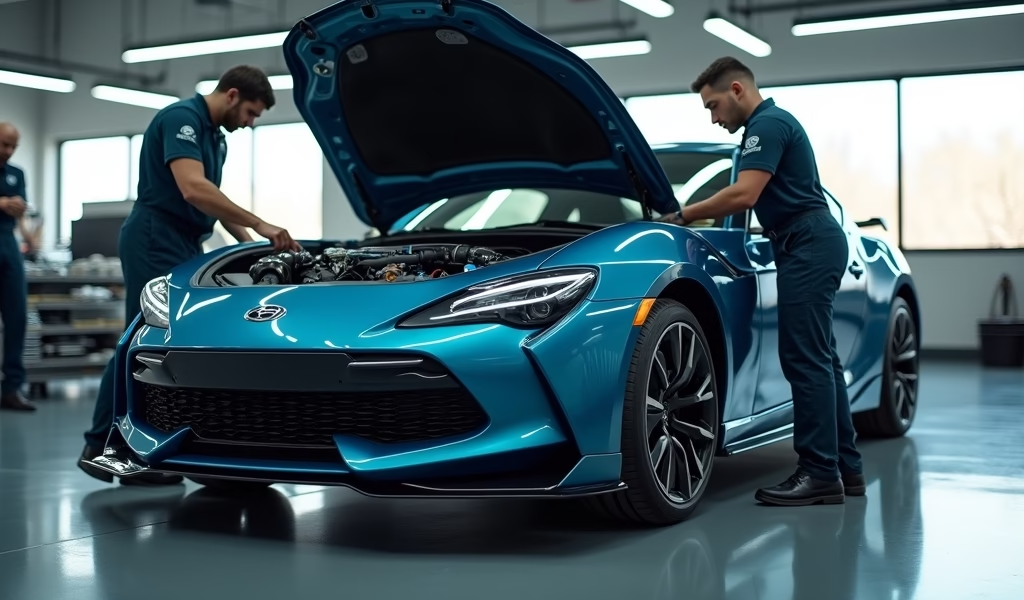
Battery Care and Monitoring
The high-voltage battery pack is the heart of your hybrid vehicle, and proper care can significantly extend its lifespan. Most modern hybrids use lithium-ion or nickel-metal hydride batteries designed to last the lifetime of the vehicle, but their performance can degrade over time if not properly maintained.
Regular battery health monitoring is essential. While most hybrids have built-in battery management systems that provide basic information through dashboard displays, professional diagnostic tools can provide much deeper insights into battery health, including the condition of individual cells.
In my shop, we’ve saved numerous customers thousands of dollars by identifying and replacing only the problematic battery modules rather than entire battery packs. Sarah Thompson, a long-time customer with a 2013 Ford Fusion Hybrid, shares: “I was quoted $4,200 for a complete battery replacement elsewhere. My technician identified just two bad cells, replaced only those, and seven years later, I’m still getting great performance.”
Temperature management plays a crucial role in battery longevity. Whenever possible, park your hybrid in shade or a garage to avoid extreme heat, which accelerates battery degradation. In cold climates, consider using a block heater if your hybrid will be parked outside in sub-freezing temperatures for extended periods.
For long-term storage (over 30 days), maintain a charge level between 40-60% – neither fully charged nor fully depleted. This middle ground minimizes chemical stress on the battery cells. Many newer hybrids manage this automatically, but older models may benefit from a periodic short drive during storage to maintain proper charge levels.
Cooling System Maintenance
Hybrid vehicles typically employ separate cooling systems – one for the engine and another for the battery and power electronics. Both require regular attention to ensure optimal performance and longevity.
The engine cooling system in a hybrid functions similarly to that in conventional vehicles, but with some important differences. Because hybrid engines cycle on and off frequently, they can experience more dramatic temperature fluctuations. This makes coolant quality particularly important.
I recommend checking coolant levels monthly and performing a complete coolant flush every 50,000 miles or according to manufacturer specifications. Use only the coolant type specified for your particular hybrid model – the wrong formula can damage specialized components and void warranties.
The battery cooling system is equally critical. In most hybrids, this system uses dedicated fans or liquid cooling to maintain optimal battery temperature. Signs of cooling system problems include decreased fuel economy, reduced electric-only driving range, and battery temperature warnings on your dashboard display.
Robert Chen, whose 2016 Toyota Prius has logged over 180,000 miles, attributes his vehicle’s excellent battery health to diligent cooling system maintenance: “My technician performs cooling system checks with every oil change. When we discovered a small leak in the battery cooling system at 120,000 miles, fixing it immediately prevented what could have been a much more expensive repair down the road.”
While checking coolant levels is a simple DIY task, diagnosing and repairing cooling system issues often requires specialized knowledge and equipment. This is especially true for the high-voltage battery cooling system, where improper service can create safety hazards or cause extensive damage.
Brake System Care
One of the most distinctive features of hybrid vehicles is regenerative braking. This ingenious system captures kinetic energy during deceleration and converts it back into electricity to recharge the battery. As a beneficial side effect, this significantly reduces wear on conventional brake components.
Many hybrid owners are surprised to learn their brake pads and rotors often last two to three times longer than those in conventional vehicles. However, this extended lifespan creates a different maintenance challenge – underuse.
When conventional brakes are used less frequently, they can develop surface rust and uneven wear patterns. In extreme cases, brake pads can even become glazed or brake rotors can develop ridges from infrequent use. This is why hybrid vehicles require specialized brake maintenance approaches.
I recommend having your brake system inspected every 10,000-15,000 miles, even if you’re not experiencing any braking issues. During these inspections, a qualified technician should check for proper operation of both the regenerative and conventional braking systems.
Jennifer Martinez, who drives a Honda Accord Hybrid, recalls: “After moving to Seattle where regenerative braking handled most of my downhill driving, my mechanic noticed my rear brake pads were developing uneven wear. He performed what he called a ‘brake exercise’ procedure and recommended occasional firm braking to keep the conventional brakes clean and functional.”
This “brake exercise” – performing several moderate-to-firm stops during regular maintenance – helps clean surface rust and ensures even contact between pads and rotors. It’s something you can do yourself occasionally, provided you choose a safe, empty stretch of road where sudden braking won’t endanger other drivers.
Finally, remember that brake fluid absorbs moisture over time regardless of brake usage. Follow manufacturer recommendations for brake fluid changes, typically every 2-3 years, to maintain optimal braking performance and prevent internal corrosion.

Engine Maintenance for Hybrids
The gasoline engine in your hybrid deserves special attention precisely because it doesn’t run continuously. The start-stop cycling creates unique maintenance requirements that differ from conventional vehicles.
Oil changes remain essential, but the interval recommendation is often based on time rather than mileage. Even if you haven’t driven many miles, the oil in your hybrid should typically be changed every six months. This is because even when sitting, oil deteriorates and absorbs moisture, which can lead to engine damage when the vehicle starts after periods of electric-only operation.
Use only the manufacturer-recommended oil weight and specification. Many hybrids require low-viscosity synthetic oils that improve cold-start efficiency – a crucial factor since hybrid engines restart frequently during normal operation.
Fuel system maintenance is another area where hybrids benefit from specialized care. Because the engine doesn’t run continuously, fuel can sit in the system longer, potentially leading to degradation or varnish buildup. Adding a quality fuel system cleaner every 5,000 miles helps prevent these issues.
Michael Rodriguez, owner of a 2018 Kia Niro hybrid with over 150,000 miles, shares: “When I first bought my hybrid, I thought the gas engine would need less maintenance since it’s off half the time. My mechanic explained it actually needs more consistent care because of the frequent starts and stops. Following his advice on using premium synthetic oil and fuel system cleaners has kept my engine running like new.”
Spark plugs in hybrids often last longer than in conventional vehicles due to reduced engine operation, but they should still be replaced according to manufacturer schedules – typically between 100,000-120,000 miles. Using high-quality iridium or platinum plugs is worth the extra cost for the improved performance and longevity they provide in the start-stop environment of hybrid engines.
Don’t overlook the air filter, which should be inspected every 15,000-30,000 miles depending on your driving conditions. A clean air filter is particularly important for hybrids, as engine efficiency directly affects how often the system relies on electric versus gasoline power.
Software Updates and Diagnostics
Perhaps the most overlooked aspect of hybrid maintenance is the vehicle’s software. Modern hybrids are rolling computers, with sophisticated control systems managing the interplay between gasoline and electric power. Like any computer, these systems benefit from regular updates and diagnostic checks.
Manufacturer software updates can improve battery management algorithms, enhance fuel efficiency, and resolve operational quirks. These updates aren’t always advertised or performed automatically during routine maintenance – you often need to specifically request them.
David Wilson, a Toyota Certified Hybrid Technician with whom I’ve collaborated on several training programs, explains: “We’ve seen cases where a simple software update improved fuel economy by 3-5% and resolved drivability issues that customers had simply learned to live with. Many owners don’t realize these updates exist because they aren’t categorized as recalls.”
Beyond software updates, regular diagnostic scanning can identify potential issues before they develop into major problems. Modern scan tools can communicate with dozens of control modules in a hybrid vehicle, providing insights into everything from battery cell health to transmission shift patterns.
Emily Sato, whose family runs a fleet of hybrid taxis in Portland, credits proactive diagnostics with their vehicles’ impressive longevity: “Every 10,000 miles, we have comprehensive diagnostic scans performed on each vehicle. Several times, these scans have identified minor issues that could have developed into expensive repairs if left unaddressed. Our oldest Prius has over 350,000 miles on its original battery.”
Finding qualified technicians for hybrid diagnostics can be challenging. Look for ASE-certified technicians with specific training in hybrid systems or technicians certified by your vehicle’s manufacturer. The investment in expert diagnostics typically pays for itself many times over in prevented repairs and extended vehicle life.
For those who enjoy a more hands-on approach, several affordable Bluetooth OBD-II scanners paired with smartphone apps like Torque Pro can provide basic hybrid system monitoring. While these consumer-grade tools won’t replace professional diagnostics, they can help you keep an eye on your hybrid’s health between service visits.
Conclusion
Maintaining a hybrid vehicle requires understanding the unique interplay between conventional and electric systems. By following these five proven maintenance treatments – battery care, cooling system maintenance, brake system attention, specialized engine maintenance, and regular software updates – you’ll maximize both the performance and longevity of your hybrid investment.
The good news is that with proper maintenance, hybrids typically offer exceptional reliability and longevity. Many of the pros of hybrid cars become even more pronounced with age – fuel savings accumulate, and the reduced wear on many components pays dividends in lower long-term maintenance costs compared to conventional vehicles.
As we continue to transition toward increasingly electrified transportation, the knowledge gap around hybrid maintenance is gradually closing. More technicians are receiving specialized training, and manufacturers are improving their maintenance guidance. Meanwhile, many hybrid owners report their vehicles easily surpassing 200,000 miles with minimal issues when following proper maintenance protocols.
Remember that while hybrids share many maintenance needs with conventional vehicles, their unique systems require specialized care. By partnering with knowledgeable technicians and following the maintenance treatments outlined in this guide, you’ll enjoy the full benefits of hybrid ownership for many years to come. The extra attention you give your hybrid today will pay off in extended vehicle life, improved performance, and continued fuel savings tomorrow.
Whether you’re already enjoying hybrid benefits or considering making the switch from a conventional vehicle (or perhaps even looking at fully electric cars), understanding these maintenance fundamentals will help you make informed decisions about your automotive future.
Frequently Asked Questions
How long do hybrid batteries typically last?
Most modern hybrid batteries are designed to last 150,000-200,000 miles or 8-10 years. With proper maintenance and driving habits, many exceed these expectations by considerable margins.
Do hybrid cars need special oil?
Yes, most hybrids require specific low-viscosity synthetic oil formulations. Always use the manufacturer-recommended oil type and weight specified in your owner’s manual.
Are hybrid cars more expensive to maintain?
Routine maintenance costs for hybrids are comparable to conventional vehicles, but specialized repairs can be more expensive. The good news is that many components like brakes typically last longer due to regenerative braking.
Can I jump-start a hybrid car?
Yes, hybrid vehicles can be jump-started using the 12V auxiliary battery, following procedures in your owner’s manual. Never attempt to jump-start or connect directly to the high-voltage battery system.
How often should hybrid vehicles be serviced?
Follow the manufacturer-recommended service schedule in your owner’s manual, typically every 5,000-7,500 miles. Time-based maintenance is also important for hybrids, with oil changes recommended at least every six months regardless of mileage.