

Overview
That mysterious “milkshake” under your oil cap might be your engine’s cry for help, as this guide comprehensively explains the seven key symptoms of head gasket failure—from white exhaust smoke to overheating—along with testing methods, repair options ranging from $1,200-3,500, and critical prevention strategies. Understanding these warning signs allows for early detection, potentially saving your engine from catastrophic damage while providing practical guidance on whether to invest in professional repair, attempt DIY solutions, or consider temporary fixes based on your vehicle’s value and your specific circumstances.
Table of Contents
- Understanding Head Gaskets: What They Are and Why They Matter
- 7 Clear Symptoms of a Blown Head Gasket
- Why Head Gaskets Fail: Common Causes
- Confirming Your Diagnosis: Tests You Can Do
- Repair Options and Costs: What to Expect
- Temporary Fixes: When They Make Sense
- Prevention Tips: Protecting Your Head Gasket
- Conclusion
- Frequently Asked Questions
Understanding Head Gaskets: What They Are and Why They Matter
If you’re wondering how to tell if you have a blown head gasket, you’ve come to the right place. In my 25 years as a master technician, I’ve seen hundreds of failed head gaskets and helped countless worried drivers understand what’s happening under their hood.
Think of your head gasket as the critical seal between your engine’s two main sections: the engine block (bottom) and cylinder head (top). It’s a thin, seemingly simple component that performs an incredibly complex job. This gasket must simultaneously seal high-pressure combustion gases, hot engine coolant, and engine oil—all while withstanding extreme temperature fluctuations and pressure changes.
When a head gasket works properly, you never notice it. When it fails, it can lead to a cascade of problems that might leave you stranded or facing repair bills that make your wallet weep.
What makes head gasket failures particularly troublesome is that they’re labor-intensive to repair. The gasket itself might only cost $30-100, but accessing it requires disassembling a significant portion of your engine. This is why head gasket repairs typically run $1,200-2,500—and why early detection is so valuable.
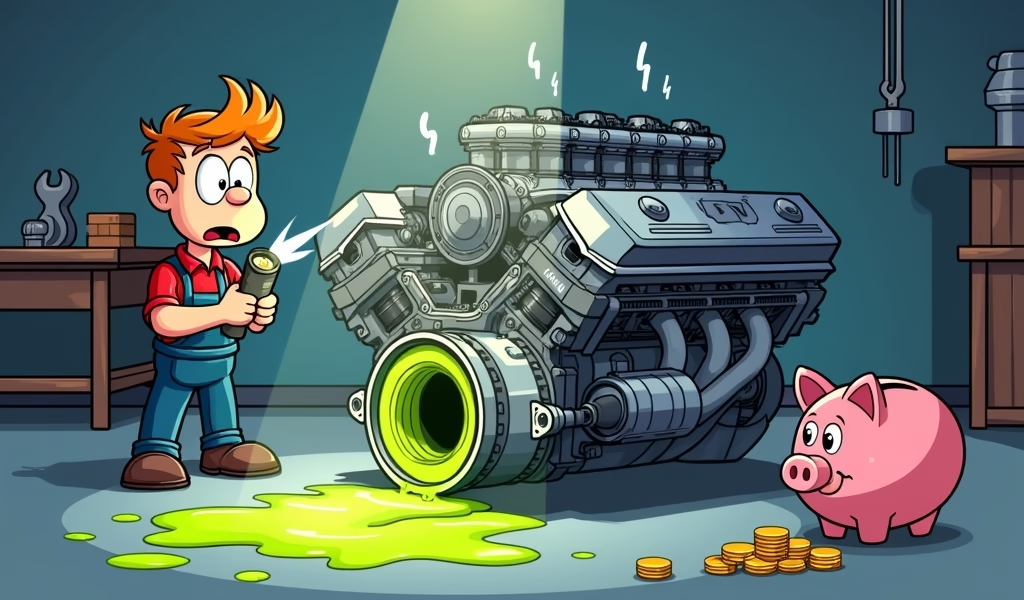
7 Clear Symptoms of a Blown Head Gasket
When your head gasket starts to fail, your engine will give you several telltale signs. Here are the most common symptoms I see in my shop:
1. White or Blue-Tinted Exhaust Smoke
This is often the first thing drivers notice. If your exhaust produces thick, sweet-smelling white smoke (especially after the engine has warmed up), coolant is likely leaking into your combustion chambers and burning along with fuel. While some white vapor is normal on cold mornings (just condensation), persistent white smoke is concerning. It often looks billowy, almost like a steam cloud.
2. Milky Oil Contamination
Pull your engine oil dipstick or check under your oil cap. If you see a light brown, milky substance that resembles a chocolate milkshake, you have coolant mixing with your oil. This creates a thick emulsion that seriously compromises lubrication and can cause engine damage quickly. Always check this when your engine is warm but not hot for the most accurate assessment.
3. Unexplained Coolant Loss
If you’re regularly adding coolant but don’t see leaks under your car, the coolant is going somewhere. With head gasket failure, it’s typically being burned in combustion chambers or mixing with your oil. Keep a log of how often you need to top up your coolant—increasing frequency often indicates a worsening problem.
4. Bubbling in the Radiator or Overflow Tank
With a cool engine (never check a hot radiator!), remove the radiator cap and have someone start the car. If you see bubbles forming in the coolant, combustion gases are likely escaping through the damaged gasket into your cooling system. These bubbles shouldn’t be there and are a strong indicator of head gasket failure.
5. Engine Overheating
A blown head gasket often causes overheating, especially during extended drives or in hot weather. This creates a dangerous cycle: overheating can damage the gasket further, which causes more overheating. Modern vehicles have sophisticated cooling systems that rarely overheat without good reason—if yours is running hot, take it seriously.
6. Loss of Engine Power
When combustion pressure escapes through a damaged gasket instead of pushing your pistons, power decreases noticeably. This might feel like hesitation, rough running, or misfiring, especially under load. If your car suddenly feels like it’s lost its punch, a compression test might be in order.
7. External Oil or Coolant Leaks
Sometimes, a failing head gasket allows fluids to escape externally. You might notice coolant or oil leaking from between the cylinder head and engine block, typically at the front or back of the engine. These leaks often appear after the engine heats up and parts expand.
If you’re experiencing two or more of these symptoms, there’s a strong chance you’re dealing with a head gasket issue. The sooner you address it, the better your chances of avoiding more extensive damage. As I remind my customers, these symptoms rarely improve on their own—they typically worsen with time and continued driving.
Why Head Gaskets Fail: Common Causes
Understanding why head gaskets fail can help you prevent issues and make informed repair decisions. In my experience, these are the most common culprits:
Overheating
This is by far the most common cause I see. When an engine overheats, the cylinder head (typically aluminum) expands at a different rate than the engine block (often cast iron). This uneven expansion can crush, warp, or create gaps in the head gasket. Even a single severe overheating episode can cause enough damage to start a leak.
Age and Normal Wear
No gasket lasts forever. The constant cycle of heating and cooling, combined with exposure to combustion pressures and engine fluids, gradually weakens gasket materials. Most modern head gaskets should last 100,000+ miles under normal conditions, but they’re still wear items.
Engine Design Factors
Some engines are simply more prone to head gasket issues due to their design. As engine building experts note, certain configurations create more stress on head gaskets. For example, engines with aluminum heads on cast iron blocks create significant expansion differential during temperature changes. Some notorious examples include:
- Subaru EJ25 engines (1996-2009)
- Chrysler/Dodge 2.7L V6 engines
- Ford 4.6L modular V8 in certain years
- Some 3.0-3.8L GM V6 engines
Detonation and Pre-ignition
Engine knock or detonation creates pressure spikes that hammer your head gasket. Using lower octane fuel than recommended, carbon buildup, or incorrect ignition timing can all cause detonation. These abnormal combustion events create pressure waves that can eventually damage the gasket.
Improper Engine Service
If your engine previously had head gasket work, improper installation could lead to premature failure. Correct torque sequence, specifications, and surface preparation are critical during head gasket replacement. This is one reason why choosing an experienced mechanic matters for this particular repair.
By understanding these causes, you can take steps to protect your engine. Regular maintenance, prompt attention to cooling system issues, and using the recommended fuel can all help extend head gasket life significantly.
Confirming Your Diagnosis: Tests You Can Do
Before committing to an expensive head gasket repair, it’s wise to confirm your diagnosis. Here are some effective testing methods, ranging from DIY approaches to professional diagnostics:
DIY Testing Methods
If you’re comfortable doing some basic checks, these tests can help confirm suspicions:
- Coolant System Pressure Test: Purchase an inexpensive cooling system pressure tester (around $50) or borrow one from an auto parts store. Pressurize your cooling system when cold and watch if it holds pressure. Failed head gaskets often can’t maintain system pressure.
- Chemical Block Test Kit: These $30-50 kits contain a blue liquid that changes color when exposed to combustion gases. You collect air from your coolant reservoir and test it yourself. It’s remarkably accurate for detecting combustion gases in coolant.
- Visual Inspection: Remove your spark plugs and look for signs of coolant fouling (they’ll appear wet or have white deposits). Also examine your oil on the dipstick for the milkshake appearance mentioned earlier.
While learning car diagnostics can be empowering, some situations warrant professional help. If you’re not confident in your findings or want absolute certainty, professional testing is worth the investment.
Professional Diagnostic Methods
When I diagnose suspected head gasket issues in my shop, I typically use these more definitive tests:
- Cylinder Leakdown Test: This introduces compressed air into each cylinder and measures how much escapes, precisely identifying leakage points. It’s more informative than a compression test because it can tell exactly where pressure is escaping.
- Exhaust Gas Analyzer: Professional shops can use specialized equipment to detect coolant vapors in exhaust gases, confirming internal leakage.
- Pressure Testing with UV Dye: Adding fluorescent dye to the cooling system and pressurizing it can reveal even small leaks when viewed under UV light.
These professional tests typically cost $75-150 but can save thousands by ensuring the correct diagnosis. They can also differentiate between a blown head gasket and similar issues like a cracked cylinder head or block—problems that require different repairs.
Conditions That Mimic Head Gasket Failure
Before you commit to a head gasket repair, be aware that these issues can cause similar symptoms:
- Failed Intake Manifold Gasket: Can cause coolant leaks and overheating but is generally less expensive to repair.
- Cracked Cylinder Head: Causes similar symptoms but requires head replacement rather than just a new gasket.
- Failing Radiator Cap: Can cause cooling system pressure loss and overflow tank bubbling.
- Bad EGR Cooler: On some diesel engines, this can allow coolant into combustion chambers.
A thorough diagnosis helps avoid unnecessary repairs. I’ve seen many customers who were told they needed head gasket repair when they actually had a much simpler issue. Take the time to be sure.
Repair Options and Costs: What to Expect
Once you’ve confirmed a head gasket issue, you have several repair options. I always present my customers with all possibilities so they can make an informed decision based on their budget, vehicle value, and how long they plan to keep the car.
Professional Repair
A complete professional repair typically includes:
- Removing the cylinder head(s)
- Machine shop services to resurface the head if needed
- New head gasket(s) and associated hardware
- Replacement of timing components if accessed during repair
- Fresh coolant and oil
- Labor (typically 8-15 hours)
Cost range: $1,200-2,500 for most 4-cylinder engines. V6 and V8 engines typically run $1,800-3,500 due to additional labor and parts. Luxury or exotic vehicles can go significantly higher.
While expensive, professional repair provides the most reliable, long-term solution. Most shops will offer at least a 12-month warranty on such major work.
DIY Repair Option
If you have mechanical experience and access to proper tools, DIY head gasket replacement can save substantial labor costs:
- Parts cost: $200-600 (gasket kit, bolts, coolant, oil)
- Required tools: Socket set, torque wrench, possibly specialized timing tools
- Time commitment: 12-20 hours for a first-timer
The DIY approach is not for everyone. You’ll need a service manual with proper torque specifications, the ability to keep track of dozens of parts, and patience. Small mistakes can lead to engine damage or repeated failure. As professional mechanics caution, proper torque sequence and cleaning procedures are absolutely critical.
If you attempt this yourself, consider having the cylinder head professionally inspected and resurfaced while it’s off the engine. Warpage is common after overheating and won’t be visible to the naked eye.
Weighing Vehicle Value vs. Repair Cost
Before proceeding with expensive repairs, consider your vehicle’s value. As a general rule, if the repair cost exceeds 50% of your vehicle’s current market value, you might want to consider alternatives:
- For lower-value vehicles ($4,000 or less), a chemical sealer might provide enough extended life to make sense economically.
- For mid-value vehicles, getting multiple repair quotes or considering independent shops can reduce costs.
- For higher-value vehicles, proper repair is almost always the best long-term investment.
Remember that a documented head gasket repair with quality parts can actually be a selling point, showing thorough maintenance if you choose to sell the vehicle later.
Temporary Fixes: When They Make Sense
I’m typically cautious about recommending temporary fixes for head gasket issues, but there are situations where they make practical sense. Let’s examine the options:
Chemical Head Gasket Sealers
Products like BlueDevil Head Gasket Sealer or K-Seal work by circulating through your cooling system and creating a chemical seal when exposed to air at leak points. Some insights on these products:
- They work best on small coolant-to-combustion chamber leaks
- They rarely fix oil-to-coolant leaks effectively
- Success rates are typically 40-60% for minor leaks
- They cost $40-80 versus $1,200+ for proper repair
If you decide to try a chemical sealer, choose a quality brand and follow instructions precisely. Flushing the cooling system first and driving the vehicle immediately after application significantly improves success rates.
When Temporary Fixes Make Sense
Consider a temporary approach when:
- Your vehicle’s value is less than repair costs
- You need the vehicle for a short time before replacement
- You’re facing financial constraints and need time to save for proper repair
- The head gasket issue is minor (occasional bubbling or small coolant loss)
When to Skip Temporary Solutions
Avoid chemical sealers when:
- Your engine has already overheated multiple times
- Oil and coolant are heavily mixed
- The engine has performance modifications
- Your vehicle is valuable or relatively new
- You need absolute reliability (e.g., for long trips)
I’ve seen temporary fixes last anywhere from a few days to over a year. The key factor is typically how severe the initial damage was and how quickly you addressed it. Minor leaks caught early tend to respond better to chemical treatments than major failures.
If you choose a temporary fix, continue to monitor your symptoms closely and be prepared to address the issue properly if symptoms return or worsen. Consider it buying time rather than a true repair.
Prevention Tips: Protecting Your Head Gasket
The best head gasket repair is the one you never need. These prevention strategies have helped my customers avoid this expensive problem:
Maintain Your Cooling System
Your cooling system is your head gasket’s primary defense:
- Replace coolant at recommended intervals (typically every 30,000-60,000 miles)
- Inspect hoses and belts twice yearly for deterioration
- Replace your thermostat preventatively when doing cooling system service
- Test your radiator cap yearly (or replace it every 4-5 years)
- Address small leaks before they become major issues
The cooling system works as an integrated unit—one weak component can stress your head gasket. Regular inspections can catch problems before they escalate.
Pay Attention to Warning Signs
Catching problems early can prevent catastrophic failure:
- Make checking your temperature gauge part of your driving routine
- Investigate any unusual temperature fluctuations promptly
- Take engine warning lights seriously, especially coolant temperature warnings
- Address unusual smells, smoke, or performance changes quickly
Modern vehicles rarely overheat without cause. If your temperature gauge rises unexpectedly, pull over safely and shut off the engine to prevent damage. A tow is much cheaper than a head gasket.
Use the Right Fluids
Proper fluids protect your engine’s internal components:
- Use only the coolant type specified for your vehicle (mixing types can cause corrosion)
- Maintain the correct coolant-to-water ratio (typically 50/50)
- Use the recommended engine oil viscosity and change it regularly
- Use fuel with the octane rating specified for your vehicle to prevent detonation
Following manufacturer recommendations for fluids is one of the simplest yet most effective prevention strategies. According to SAE International research, using incorrect coolant is a significant factor in premature gasket deterioration.
Address Minor Issues Promptly
Small problems often cascade into bigger ones:
- Repair small coolant leaks when they first appear
- Replace a failing water pump before it stops completely
- Clean your radiator fins if they become clogged with debris
- Fix misfires promptly to prevent abnormal combustion
Think of your cooling system as preventative insurance against much more expensive head gasket repairs. The small investments you make in maintenance typically pay dividends in reliability and longevity.
Conclusion
Dealing with a potential head gasket issue can feel overwhelming, but armed with the right knowledge, you can make confident decisions about your vehicle’s care. The key takeaway is simple: early detection and prompt action save both your engine and your wallet.
If you’re experiencing symptoms like white exhaust smoke, milky oil, or unexplained coolant loss, don’t delay in getting a proper diagnosis. While head gasket repairs are never inexpensive, they become vastly more costly when additional engine damage occurs from continued driving.
Remember that prevention remains your best strategy. Regular cooling system maintenance, using proper fluids, and addressing minor issues promptly can help your head gasket last the full lifetime of your vehicle. Most head gasket failures don’t happen randomly—they result from underlying issues that give warning signs before catastrophic failure.
Whether you choose professional repair, a DIY approach, or even a temporary fix while you plan your next steps, taking informed action is what matters most. Your vehicle is a significant investment, and understanding how to recognize and address head gasket issues is an important part of protecting that investment.
Frequently Asked Questions
How long can I drive with a blown head gasket?
You should limit driving to absolute necessities and repair it as soon as possible. Continuing to drive can quickly transform a head gasket repair into a complete engine replacement.
Will a head gasket sealer fix my problem permanently?
Chemical sealers typically provide temporary fixes lasting from weeks to months, rarely permanent solutions. They work best on minor coolant leaks and rarely fix oil-contamination issues effectively.
How can I tell if it’s a head gasket or something else?
Professional testing with a combustion leak detector or cylinder leakdown test provides definitive diagnosis. Multiple symptoms occurring together (white smoke, overheating, contaminated oil) strongly suggest head gasket issues.
What’s the average cost to replace a head gasket?
Professional repairs typically range from $1,200-2,500 for most 4-cylinder engines, with V6 and V8 engines costing $1,800-3,500. Labor comprises about 80% of this cost, as the gasket itself is relatively inexpensive.
Can I prevent head gasket failure?
Regular cooling system maintenance, using the correct coolant, and addressing overheating immediately significantly reduce risk. Pay close attention to your temperature gauge and never ignore signs of overheating.