
Overview
That sinking feeling when you turn your key and nothing happens might be your car starter giving up the ghost, which typically warns you with signs like grinding noises, clicking sounds, or intermittent starting issues before completely failing. This comprehensive guide from a veteran mechanic covers everything from diagnosing starter problems and understanding replacement costs ($80-1200+ for parts, $70-400 for labor) to DIY repair considerations and preventative maintenance tips that can extend your starter’s lifespan beyond the typical 50,000-150,000 mile range.
Table of Contents
- Understanding Car Starters: The Heart of Your Vehicle’s Starting System
- 7 Common Warning Signs of a Failing Starter
- Why Starters Fail: Common Causes and Prevention
- Diagnostic Steps: Confirming It’s the Starter
- Replacement Options: DIY vs. Professional Help
- Cost Considerations: What to Expect for Starter Repairs
- Tips for Extending Your Starter’s Life
- Conclusion: Staying Ahead of Starter Problems
- Frequently Asked Questions
Understanding Car Starters: The Heart of Your Vehicle’s Starting System
We’ve all been there—turn the key or push the button and… nothing happens. That sinking feeling in your stomach tells you something’s wrong, and it might be your starter. As a mechanic with 20+ years under my belt, I’ve seen countless drivers stranded by this small but crucial component.
Your car’s starter is essentially an electric motor that gets the engine running. When you turn your ignition key, the starter engages with the flywheel (a large gear connected to the engine’s crankshaft) and physically rotates the engine to begin the combustion process. Without it, your vehicle is just an expensive lawn ornament.
The starter system consists of three main components:
- The starter motor – provides the mechanical force
- The solenoid – acts as a powerful relay switch connecting the starter to the battery
- The electrical connections – deliver power from your battery to the starter
Recognizing starter problems early can save you from being stranded at the worst possible moment—like that important job interview or when you’re already running late for your kid’s recital. And trust me, a planned repair is always cheaper than an emergency tow and repair.
Let’s dive into how to spot the warning signs before you’re left calling for a tow truck on a rainy Monday morning.
7 Common Warning Signs of a Failing Starter
After working on thousands of vehicles, I’ve noticed that starters rarely fail without warning. Here are the telltale signs your starter is beginning to fail:
1. Grinding Noises During Starting
If you hear a harsh grinding sound when turning the key, your starter drive gear is likely struggling to engage with the flywheel. This metal-on-metal sound is distinctive and concerning—like someone threw a handful of nails into a blender. Continued grinding can damage both your starter and flywheel, turning a simple starter replacement into a more expensive repair.
2. Clicking Sound Without Engine Turnover
A single click or rapid clicking when you turn the key, but no engine cranking, often points to starter issues. While a dead battery can cause similar symptoms, if your lights and electronics work fine, your starter is the likely culprit. The clicking comes from the solenoid trying to engage but failing to activate the starter motor properly.
3. Intermittent Starting Issues
Does your car start perfectly sometimes but refuse to start at other times? This inconsistency is a classic sign of a starter on its last legs. Internal components wearing down may work occasionally but fail when they get too hot or are positioned in certain ways. If your vehicle’s starting reliability is becoming unpredictable, it’s time to have your starter checked.
4. Smoke When Starting
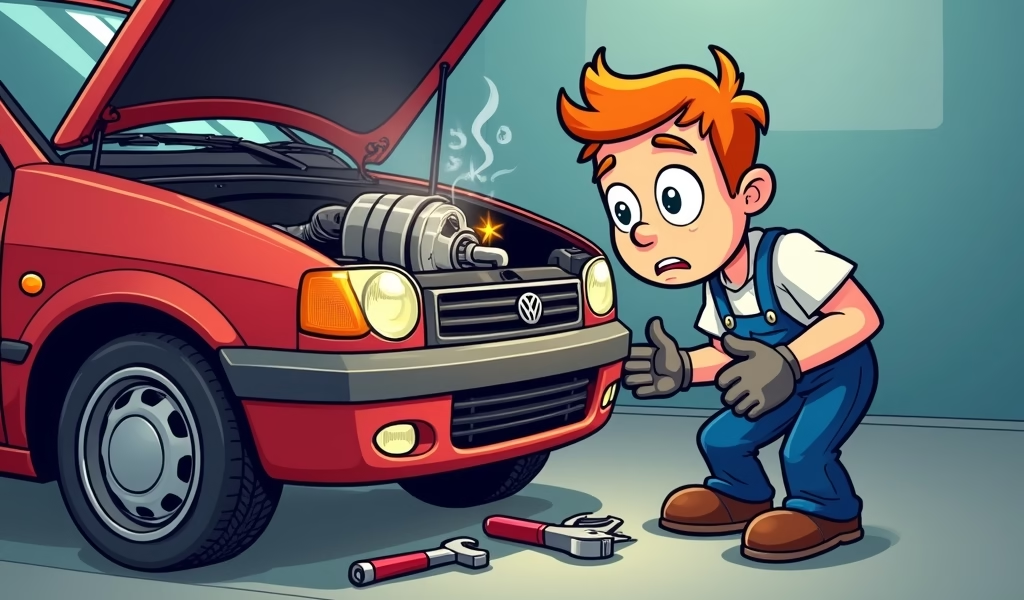
Smoke coming from under the hood when trying to start your vehicle is a serious warning sign. This indicates an electrical short or that the starter is drawing too much current and overheating. If you see smoke, stop trying to start the car immediately and get professional help. Continuing to crank could lead to an electrical fire.
5. Starter Stays Engaged After Engine Starts
If you hear the starter motor’s whine continuing even after the engine is running, your solenoid may be stuck in the engaged position. This can quickly damage both the starter and flywheel. You’ll recognize this problem by the unusual whining noise that continues after you’ve released the key and the engine is running.
6. Freewheeling
A high-pitched whining noise without engine turnover suggests the starter motor is spinning but not engaging with the flywheel. This “freewheeling” happens when teeth on the starter drive gear or flywheel are worn down. The sound is similar to a power drill running freely without resistance.
7. Slow Engine Cranking
When your engine cranks more slowly than normal before starting, your starter motor may be losing power. While a weak battery can cause similar symptoms (and should be checked with these battery care tips), a starter drawing too much current due to internal wear will also crank slowly. The engine sounds like it’s turning over in slow motion, struggling to reach starting speed.
Why Starters Fail: Common Causes and Prevention
Understanding what causes starter failure helps you prevent problems before they strand you. In my years at the shop, I’ve seen these common culprits:
Normal Wear and Tear
Starters aren’t designed to last forever. The average starter lasts between 50,000-150,000 miles depending on driving habits and vehicle design. Every time you start your car, the starter’s internal components experience wear. Those small commutator brushes inside gradually wear down, reducing electrical contact and efficiency.
Electrical Issues
Poor connections at the battery or starter solenoid prevent sufficient current from reaching the starter. Corroded or loose connections increase resistance, forcing the starter to work harder with less power. According to The AA’s vehicle reliability data, electrical issues account for approximately 40% of starter failures.
Oil Contamination
Engine oil leaks that seep onto the starter can penetrate the unit and damage internal electrical components. Many engines position the starter low on the block, making it vulnerable to oil leaks from above. Oil-soaked starters often exhibit intermittent failures before complete breakdown occurs.
Battery Problems
A weak or failing battery forces the starter to work harder to compensate for insufficient power. This added strain can quickly burn out a starter motor. Similarly, a faulty alternator that doesn’t properly recharge the battery creates a cascade of electrical problems affecting starter performance.
Extreme Weather Conditions
Both extreme heat and cold affect starter performance. Cold weather thickens engine oil, making it harder for the starter to turn the engine over. Meanwhile, extreme heat can cause expansion of metal components and increase electrical resistance in wiring—both detrimental to starter function.
Diagnostic Steps: Confirming It’s the Starter
Before spending money on a starter replacement, confirm it’s actually the problem. Here’s my step-by-step approach to diagnosing starter issues:
Check the Battery First
Many “starter” problems are actually battery issues. Use a multimeter to check battery voltage—it should read at least 12.6 volts with the engine off. When cranking, voltage shouldn’t drop below 9.5-10 volts. Many auto parts stores offer free battery testing if you don’t have a multimeter.
Inspect Electrical Connections
Examine battery terminals for corrosion (white or greenish powder) and ensure they’re tight. Follow the positive cable to the starter solenoid and check that connection as well. Sometimes, simply cleaning and tightening connections solves starting problems.
Listen Carefully During Starting Attempt
Different sounds indicate different problems:
- Clicking: Often indicates solenoid problems
- Grinding: Suggests engagement issues with the flywheel
- Nothing at all: Could be electrical connection problems
- Slow cranking: May indicate internal starter wear
The Tap Test
This old mechanic’s trick sometimes works: With the key in the “on” position (but not starting), gently tap the starter body with a hammer or wrench handle. If the car starts afterward, your starter has internal electrical issues and needs replacement. The tapping temporarily restores electrical contact between worn components.
For more accurate diagnosis, consider using a reliable engine diagnostic app that can read sensor data and help pinpoint electrical system issues.
Voltage Drop Testing
For the technically inclined, a voltage drop test across the starter circuit can identify resistance problems. While cranking the engine, measure voltage drop across connections—anything above 0.5V indicates excessive resistance in that part of the circuit.
Replacement Options: DIY vs. Professional Help
Once you’ve confirmed your starter needs replacement, you have choices to make.
DIY Replacement Considerations
Replacing a starter yourself can save $100-300 in labor costs, but it’s not for everyone. You’ll need:
- Basic mechanic’s tools (socket set, wrenches)
- Jack and jack stands (for vehicles with limited ground clearance)
- Service manual or online instructions specific to your vehicle
- Approximately 1-3 hours depending on your experience and vehicle
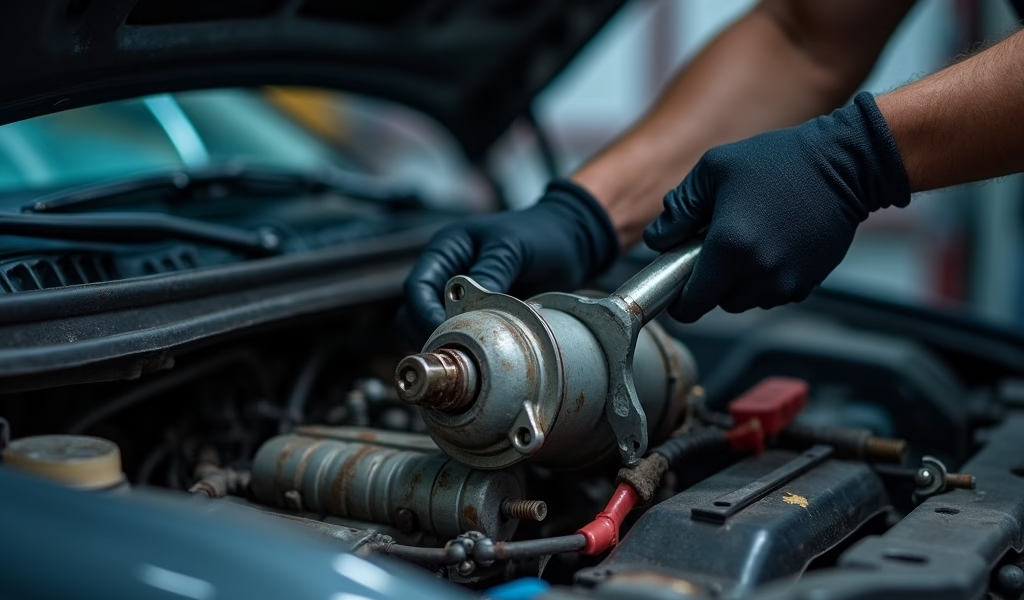
The basic process involves disconnecting the battery, removing electrical connections to the starter, unbolting the starter (typically two bolts), and reversing the process with the new unit. The difficulty varies significantly by vehicle—some starters are easily accessible while others require removing intake manifolds or other components for access.
When to Call a Professional
Consider professional help if:
- Your vehicle has a complicated starter location (some require partial engine dismantling)
- You lack proper tools or workspace
- You’re not comfortable working with electrical systems
- You have physical limitations making it difficult to reach the starter
- You don’t have a backup vehicle if complications arise
As a mechanic, I’ve seen many DIY starter replacements go smoothly, but I’ve also rescued plenty of frustrated owners who got in over their heads. Be realistic about your skills and the specific requirements of your vehicle.
Choosing the Right Replacement
You’ll typically have three options:
- New OEM starter: Most expensive but best fit and reliability
- Remanufactured starter: Good balance of cost and reliability
- New aftermarket starter: Varies widely in quality; research brands carefully
For most vehicles, a quality remanufactured starter offers the best value. These units have been disassembled, inspected, and rebuilt with new wear components. According to Consumer Reports, remanufactured parts from reputable brands typically perform as well as new parts at 20-30% lower cost.
Cost Considerations: What to Expect for Starter Repairs
Starter replacement costs vary significantly depending on your vehicle and approach. Here’s what to expect:
Parts Costs
Starter prices range widely based on vehicle make and model:
- Economy cars: $80-150 for remanufactured, $120-250 for new
- Mid-range vehicles: $150-300 for remanufactured, $250-400 for new
- Luxury/specialty vehicles: $300-800+ for remanufactured, $500-1200+ for new
Prices on the higher end typically include extended warranties. While tempting to choose the cheapest option, ultra-budget starters often use lower-quality internals that fail prematurely.
Labor Costs
Professional installation typically runs between $70-400 depending on:
- Vehicle make/model (some require much more disassembly)
- Shop labor rates (varying by region and shop type)
- Accessibility of the starter
Most standard vehicles fall in the $100-200 labor range for starter replacement. Some shops offer discounts if you purchase the part through them.
Additional Costs to Consider
When budgeting for starter replacement, don’t forget these potential additional costs:
- Diagnostic fees if the shop needs to confirm the starter is the problem
- New battery if yours is contributing to starter issues
- Flywheel repairs if damage has occurred from a grinding starter
- Towing costs if your vehicle won’t start at all
- Emergency service premiums for weekend or after-hours repairs
Planning ahead for starter replacement when you first notice symptoms can save 30-50% compared to emergency repairs.
Tips for Extending Your Starter’s Life
As a mechanic who’s seen thousands of starters, I can tell you that how you treat this component significantly impacts its lifespan. Follow these tips to get the most from your starter:
Proper Starting Technique
The way you start your car matters. Turn the key only until the engine starts, then release immediately. Holding the key in the start position after the engine catches forces the starter to continue running, causing unnecessary wear. Also, if the engine doesn’t start within 5-10 seconds, stop cranking and wait 30 seconds before trying again to prevent overheating.
Maintain Your Battery
A healthy battery reduces strain on your starter. Have your battery tested annually as part of your regular car maintenance checklist. Replace batteries that are more than 4-5 years old, even if they still seem to work, as their ability to deliver peak current diminishes with age.
Address Oil Leaks Promptly
If you notice oil leaks, especially around the engine-transmission junction where starters are typically located, have them repaired quickly. Oil contamination is a common and preventable cause of starter failure.
Keep Connections Clean
Periodically check and clean your battery terminals and starter connections. Corrosion increases electrical resistance, forcing your starter to work harder. A wire brush and some baking soda solution can remove corrosion effectively.
Consider Your Driving Habits
Frequent short trips with multiple starts per day put more wear on your starter than longer drives. If your driving pattern involves many short trips, be especially vigilant about starter maintenance and listen for early warning signs.
Conclusion: Staying Ahead of Starter Problems
After 20+ years fixing cars, I’ve learned that most starter failures are predictable and preventable. By recognizing the warning signs we’ve discussed—unusual noises, intermittent starting problems, or electrical issues—you can typically address starter problems before you’re left stranded in an inconvenient or unsafe location.
Remember that preventative maintenance saves both money and headaches. Simple practices like keeping battery connections clean, addressing oil leaks promptly, and using proper starting technique can significantly extend your starter’s life.
If you do notice any of the warning signs we’ve covered, don’t ignore them hoping they’ll resolve themselves. A failing starter only gets worse, and addressing the issue early typically means a simpler, more affordable repair.
Whether you choose DIY replacement or professional service, understanding what you’re dealing with helps you make informed decisions and avoid unnecessary expenses. Your starter may be just one component in a complex vehicle, but it’s the one that literally gets you moving—take care of it, and it will return the favor with reliable service for many miles to come.
Frequently Asked Questions
How long do car starters typically last?
Most starters last between 50,000 and 150,000 miles, depending on vehicle type and driving habits. Some can last the entire life of the vehicle while others may need replacement earlier due to frequent short trips or extreme weather conditions.
Can I drive with a failing starter?
Yes, you can continue driving if your vehicle starts, as the starter isn’t engaged while driving. However, you risk being stranded when you park and try to restart your vehicle later.
Will a jump start help if my starter is bad?
Jump starting only helps if your battery is weak, not if your starter has failed. If jump starting works occasionally but fails other times, have both your battery and starter tested.
How can I tell if it’s my starter or battery causing starting problems?
If your lights and electronics work normally but the engine won’t crank, it’s likely the starter. If lights are dim and electronics sluggish before attempting to start, suspect the battery first.
Is a grinding noise from my starter dangerous?
Yes, grinding indicates the starter gear isn’t properly engaging with the flywheel. Continuing to start with grinding can damage both components, significantly increasing repair costs.