
Overview
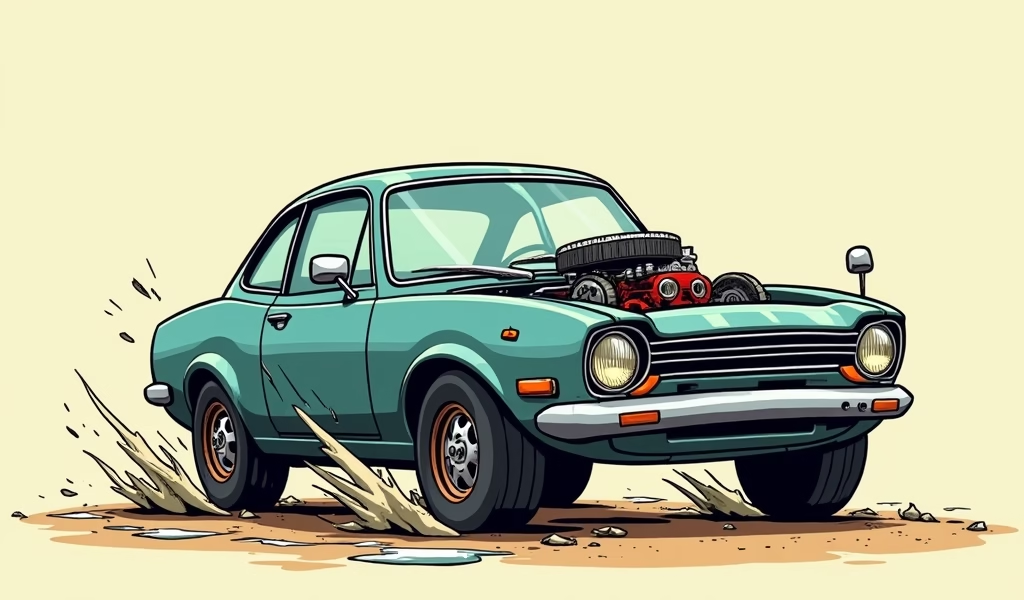
Just like your coffee dancing in the cup holder might not be from too much caffeine, those engine vibrations and mysterious clunks are likely signs of failing motor mounts—the unsung heroes that secure your engine to the frame while absorbing vibrations. This article comprehensively covers everything from diagnosing motor mount issues (excessive vibration, unusual noises, visible engine movement) to replacement considerations, repair costs, and preventative maintenance strategies to extend the life of these critical components that typically last 60,000-100,000 miles.
Table of Contents
- What Are Motor Mounts and Why Do They Matter?
- 8 Common Signs Your Motor Mounts Are Failing
- How to Diagnose Motor Mount Issues at Home
- What Causes Motor Mounts to Fail?
- When to Replace Your Motor Mounts
- Understanding Motor Mount Repair Costs
- DIY vs. Professional Replacement: What You Need to Know
- How to Prevent Early Motor Mount Failure
- Conclusion
- Frequently Asked Questions
What Are Motor Mounts and Why Do They Matter?
Motor mounts are critical components that secure your engine to your vehicle’s frame. Think of them as the unsung heroes of your engine bay – they keep your powerplant from bouncing around while absorbing the vibrations that would otherwise shake your vehicle apart. Most vehicles have three to four mounts strategically positioned around the engine and transmission.
These hardworking parts typically consist of metal brackets with rubber or hydraulic insulators that act as cushions. The rubber provides flexibility while controlling movement, allowing the engine to move slightly without transferring every vibration to the chassis. Without them, your engine would essentially become a 400+ pound bouncing ball under your hood!
When motor mounts are in good condition, you’ll barely notice they exist. But when they begin to fail, the symptoms can range from mildly annoying to potentially dangerous. Catching these issues early can save you significant repair costs and prevent damage to other engine components.
8 Common Signs Your Motor Mounts Are Failing
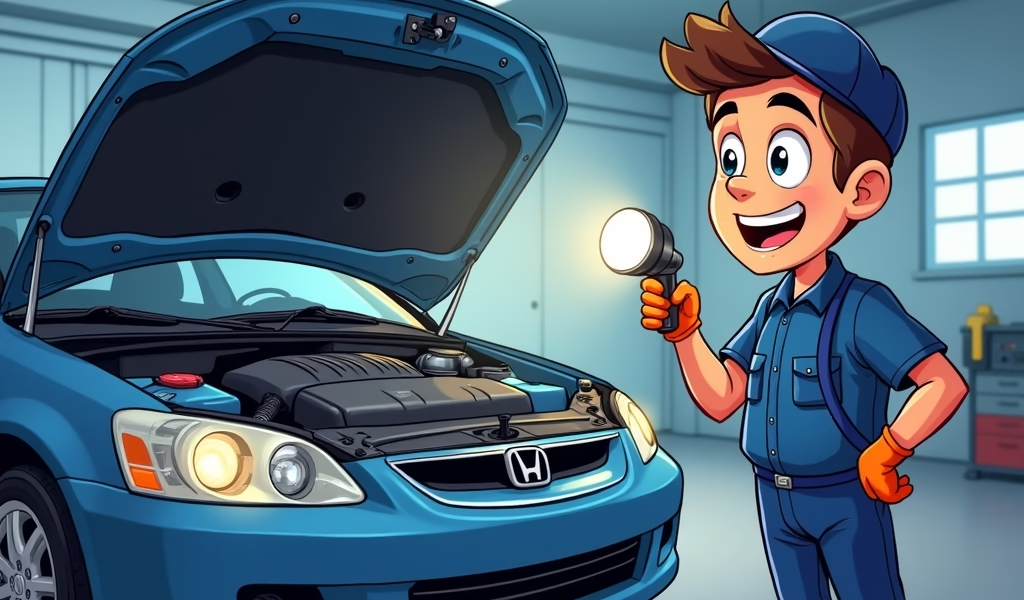
Your vehicle has a way of telling you when something’s not right. Here are the telltale signs that your motor mounts might be on their way out:
1. Excessive Engine Vibration
The most common symptom is increased vibration, especially when idling. If your coffee starts dancing in the cup holder or your steering wheel feels like it’s giving you a hand massage, your motor mounts might be struggling. These vibrations typically decrease when you shift into neutral or slightly increase the RPMs.
2. Clunking or Banging Noises
Listen for unusual sounds when shifting gears or during acceleration and deceleration. That “thunk” you hear when putting the car in Drive isn’t your imagination – it’s your engine actually moving and hitting against other components because the mounts aren’t holding it properly.
3. Visible Engine Movement
With the car safely parked and the parking brake engaged, open the hood and have someone start the engine. A small amount of movement is normal, but if your engine rocks like it’s at a concert, you’ve got mount issues. Excessive movement during acceleration or when shifting gears is particularly telling.
4. Engine Misalignment
In severe cases, the engine can actually shift position. This might cause the fan to hit the shroud, belts to become misaligned, or create unusual gaps around the engine that weren’t there before. This issue requires immediate attention.
5. Impact on Vehicle Handling
Bad motor mounts can affect how your car drives. You might notice a slight hesitation during acceleration, a lurching feeling when shifting gears, or even pulling to one side. These handling changes happen because the engine’s weight shifts unpredictably.
6. Damage to Belts and Hoses
When the engine moves excessively, it puts strain on everything connected to it. Inspect belts and hoses for unusual wear patterns, cracks, or signs of stretching. These secondary issues often point to motor mount problems.
7. Engine Movement During Startup and Shutdown
Pay attention when starting and stopping your engine. If you feel a noticeable “jolt” or see the car rock more than usual, your mounts might not be dampening the engine’s torque reaction properly.
8. Unusual Exhaust Movement
Your exhaust system is connected to your engine, so when the engine moves excessively, the exhaust moves too. Look underneath your vehicle while it’s running – excessive exhaust pipe movement can indicate failing motor mounts.
How to Diagnose Motor Mount Issues at Home
Before heading to the mechanic, you can perform some simple checks to confirm your suspicions about failing motor mounts. Here’s how to play detective:
Visual Inspection
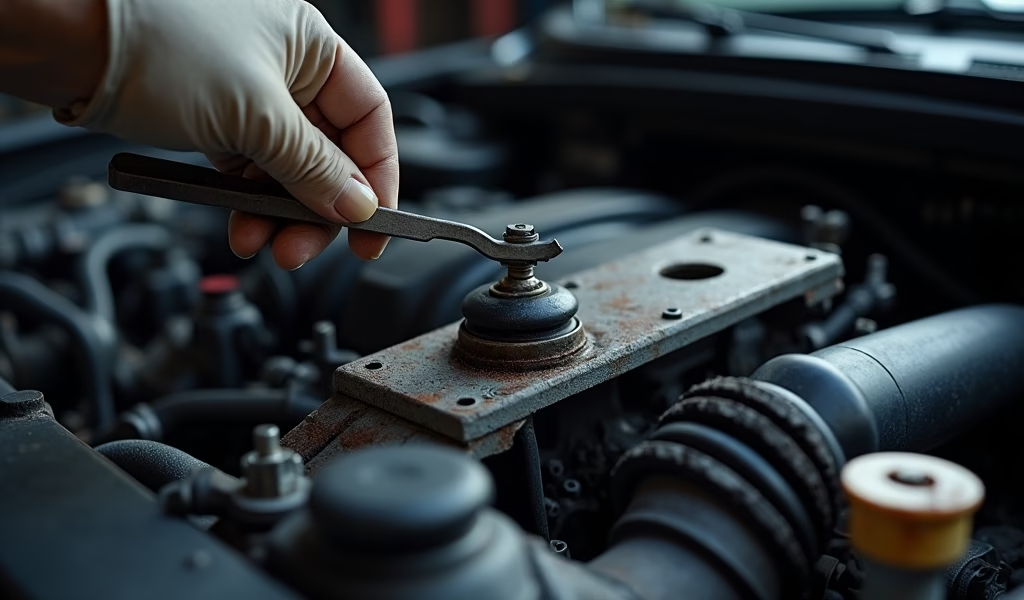
Start with a basic visual check. Look for cracked or broken rubber, fluid leaks from hydraulic mounts, or rusted/damaged metal brackets. Access can be tricky depending on your vehicle, so a flashlight and possibly a mirror will come in handy.
Pay special attention to signs of oil-soaked mounts – oil is particularly damaging to rubber components and can accelerate failure. According to the Car Care Council, contaminated motor mounts may need replacement even if they appear intact.
The Engine Movement Test
- Make sure the car is parked safely on level ground with the parking brake engaged
- Open the hood and secure it properly
- Have someone sit in the driver’s seat (keep clear of moving parts yourself)
- Ask them to start the engine and let it idle
- Have them shift between Park, Drive, and Reverse (keeping foot on brake)
- Watch for excessive engine movement during these transitions
Healthy motor mounts should limit engine movement to less than half an inch in any direction. Anything more suggests deteriorating mounts.
Use Your Other Senses
Your senses are powerful diagnostic tools. Feel for unusual vibrations through the steering wheel or seat. Listen for clunking or thumping noises, especially during gear changes. Even smell can help – burning rubber odors might indicate a mount that’s deteriorating under stress.
If you have access to engine diagnostic tools, they can sometimes help identify vibration patterns consistent with mount failure. Some modern vehicles even set trouble codes related to excessive engine movement.
What Causes Motor Mounts to Fail?
Motor mounts don’t typically fail without reason. Understanding the causes can help you prevent premature failure and know when to check them:
Age and Normal Wear
Like most rubber components, motor mounts naturally deteriorate over time. Heat cycling, constant compression, and exposure to the elements gradually break down the rubber. Most mounts are designed to last 5-7 years under normal conditions, but this varies by vehicle and driving habits.
Fluid Contamination
Oil and other fluids are kryptonite to rubber motor mounts. Even small engine or transmission leaks that drip onto the mounts can cause them to deteriorate rapidly. If you’re replacing mounts due to oil contamination, be sure to fix the leak first – otherwise, you’ll be replacing them again soon.
Driving Style
How you drive significantly impacts mount longevity. Aggressive acceleration, hard braking, and racing put tremendous strain on motor mounts. If you have a performance-oriented driving style, expect to replace your mounts more frequently than the average driver.
Environmental Factors
Extreme temperatures accelerate rubber degradation. Very cold climates cause rubber to harden and crack, while high heat environments can cause softening and premature breakdown. Road salt and other corrosive substances can also damage the metal components of motor mounts.
Manufacturing Quality
Not all motor mounts are created equal. Factory original equipment (OE) mounts typically offer the best balance of durability and vibration dampening for your specific vehicle. Aftermarket options vary widely in quality – some may be more durable while others might sacrifice longevity for cost savings.
When to Replace Your Motor Mounts
Knowing when to pull the trigger on replacement can save you from expensive collateral damage. Here’s how to make that call:
Safety Thresholds
Some motor mount issues demand immediate attention, while others can wait. Replace mounts immediately if:
- The engine moves more than an inch when shifting gears
- You can see completely broken rubber with separation
- The engine has shifted position and contacts other components
- You hear loud bangs or clunks when accelerating or shifting
Minor symptoms like slight vibration increases or early signs of cracking can usually wait a few weeks, but shouldn’t be ignored indefinitely. According to AA1Car.com, once one mount fails, others typically follow soon due to increased stress.
Complete Set vs. Individual Replacement
Should you replace all mounts at once? While replacing only the failed mount is less expensive initially, it often makes sense to replace them as a set. When one mount fails, the others have been subjected to the same age and conditions and are likely not far behind.
For most vehicles with 3-4 mounts, mechanics typically recommend replacing at least the ones on the same side (left/right) for balanced support. If your vehicle has over 100,000 miles, replacing all mounts at once is usually the most cost-effective long-term solution.
OEM vs. Aftermarket Options
You’ll face choices when selecting replacement parts:
- OEM mounts: Provide the balance of comfort and support your vehicle was designed with
- Performance aftermarket mounts: Often stiffer, reducing engine movement but potentially increasing cabin vibration
- Economy aftermarket mounts: Less expensive but may wear out faster than OEM equivalents
Choose based on your priorities – comfort, performance, longevity, or budget. For most daily drivers, OEM or high-quality aftermarket options provide the best balance.
Understanding Motor Mount Repair Costs
The price tag for motor mount replacement varies widely depending on several factors. Here’s what to expect financially:
Parts Pricing
The cost of motor mounts themselves typically ranges from:
- Economy vehicles: $40-120 per mount
- Mid-range vehicles: $80-200 per mount
- Luxury or performance vehicles: $150-500+ per mount
Hydraulic and electronically controlled active mounts (found in many premium vehicles) cost significantly more than conventional rubber mounts. When maintaining your vehicle on a budget, this is one area where quality matters – going too cheap often leads to premature failure.
Labor Considerations
Labor costs often exceed parts costs for motor mount replacement. Depending on your vehicle, expect:
- 1-3 hours labor per mount (some require supporting the engine)
- $90-150 per hour depending on your location and shop
- Additional time if other components need removal for access
Some mounts are relatively accessible, while others require removing multiple components for access. Transversely mounted engines (sideways, common in front-wheel-drive vehicles) typically have more complicated mount replacement procedures.
Total Cost Expectations
For a typical passenger vehicle, expect to pay:
- $150-300 for a single mount replacement
- $450-1,200 for a complete set (3-4 mounts)
- Add 30-50% for luxury or performance vehicles
Dealerships typically charge more than independent shops, but may have more experience with your specific vehicle. Getting multiple quotes is always wise for significant repairs like this.
DIY vs. Professional Replacement: What You Need to Know
Tempted to tackle motor mount replacement yourself? Here’s what to consider before grabbing your tools:
DIY Feasibility Assessment
Motor mount replacement ranges from relatively straightforward to extremely complex, depending on your vehicle. Before attempting DIY replacement, honestly assess:
- Your mechanical skill level and experience
- Your access to proper tools (including engine support equipment)
- The accessibility of the mounts in your specific vehicle
- Your comfort with safely supporting an engine
Some vehicles have easily accessible mounts that can be replaced with basic tools. Others require specialized equipment and extensive disassembly. Research your specific make and model before deciding.
Required Tools and Equipment
At minimum, you’ll need:
- Jack and jack stands rated for your vehicle’s weight
- Engine support bar or wood beam system
- Socket set and wrenches
- Torque wrench
- Service manual or reliable online guide
The most critical safety consideration is properly supporting the engine while removing mounts. Never rely solely on a jack – engine support bars distribute weight properly and prevent dangerous shifts.
When to Call a Professional
Some situations warrant professional installation even if you’re handy:
- Vehicles with complex electronic or hydraulic mounts
- When mount failure has caused secondary damage
- If you don’t have a safe way to support the engine
- When access requires removal of major components
Remember that improper installation can lead to premature failure of new mounts or even engine damage. If in doubt, consulting with a certified ASE mechanic is well worth the diagnostic fee.
How to Prevent Early Motor Mount Failure
While motor mounts will eventually wear out, these strategies can help maximize their lifespan:
Address Fluid Leaks Promptly
Oil and coolant leaks accelerate rubber deterioration. If you notice fluid on your engine or garage floor, diagnose and fix the source before it damages your mounts. Even small, slow leaks can cause significant damage over time.
Adopt Smoother Driving Habits
Your driving style directly impacts mount longevity. Gentle acceleration, smooth braking, and careful navigation of rough roads all reduce strain on motor mounts. This doesn’t mean you can’t enjoy your vehicle – just be mindful of the mechanical consequences of aggressive driving.
Regular Inspections
Make motor mount inspection part of your routine maintenance. A quick visual check during oil changes can catch early signs of deterioration before they lead to complete failure. Pay special attention after driving on particularly rough roads or after hitting obstacles.
Maintain Proper Engine Tuning
A smoothly running engine produces less vibration. Keep up with tune-ups, address misfires promptly, and maintain proper idle settings to reduce unnecessary stress on your mounts. This also improves fuel efficiency and overall engine health.
Quality Replacements
When replacement does become necessary, invest in quality parts. The price difference between economy and premium mounts is typically small compared to the labor costs you’ll pay to replace them again prematurely. OEM or high-quality aftermarket parts usually provide the best value over time.
Conclusion
Motor mounts might not be the most glamorous parts of your vehicle, but they play a crucial role in keeping your engine secure and your ride comfortable. Recognizing the signs of failing mounts – excessive vibration, unusual noises, visible engine movement, and handling changes – allows you to address issues before they lead to costly collateral damage.
Whether you choose DIY replacement or professional service depends on your vehicle, skills, and tools. What matters most is addressing the issue promptly once you’ve identified it. Proactive maintenance and quality replacements will keep your engine properly supported and your driving experience smooth for years to come.
Remember that motor mount issues rarely improve on their own. When you notice the symptoms we’ve discussed, taking action sooner rather than later will save you money and prevent potentially dangerous situations. Your engine will thank you for the support – quite literally!
Frequently Asked Questions
How long can I drive with a bad motor mount?
You shouldn’t drive more than a few days with a severely damaged mount. The risk of additional damage increases with every mile, so arrange repairs as soon as possible after diagnosis.
Will bad motor mounts affect performance?
Yes, failing motor mounts can reduce power delivery efficiency and cause hesitation during acceleration. They can also affect sensor readings, potentially impacting fuel economy and overall performance.
Can I replace just one motor mount?
Technically yes, but it’s often better to replace them in pairs or sets. When one mount fails, others are typically subjected to additional stress and may fail soon after.
How often should motor mounts be replaced?
Most motor mounts last 60,000-100,000 miles under normal driving conditions. Performance vehicles or those subject to harsh conditions may need replacement sooner.
Are aftermarket motor mounts better than OEM?
It depends on your priorities. Performance aftermarket mounts may provide better engine control but increase vibration, while OEM mounts offer the balance of comfort and support the manufacturer intended.