

Overview
This guide explains how to replace a car’s air filter in five simple steps—locating the filter housing, opening it, removing the old filter, cleaning the housing, and installing a new filter—a 15-minute DIY task that improves fuel efficiency by up to 10%, enhances engine performance, and extends engine life. Regular replacement every 15,000-30,000 miles (or sooner in dusty conditions) is recommended, with the article detailing benefits, troubleshooting tips, and emphasizing how this simple maintenance task saves money and prevents unnecessary engine wear.
Table of Contents
- Why Replacing Your Air Filter Matters
- Tools Needed for Air Filter Replacement
- Step 1: Locate Your Air Filter Housing
- Step 2: Open the Air Filter Housing
- Step 3: Remove the Old Air Filter
- Step 4: Inspect and Clean the Housing
- Step 5: Install the New Air Filter
- Benefits of Regular Air Filter Replacement
- Troubleshooting Common Issues
- Conclusion
- Frequently Asked Questions
Your car’s air filter is like the lungs of your vehicle. As a mechanic with over 15 years of experience, I’ve seen firsthand how a clean air filter can make a world of difference in your engine’s performance. Think of it as your engine’s first line of defense against dirt, debris, and contaminants that could potentially damage internal components.
Most drivers don’t realize they’re losing fuel efficiency and engine power by neglecting this simple maintenance task. The great news? Replacing your air filter is one of the easiest DIY car maintenance jobs you can perform, potentially saving you $30-$70 in service fees each time.
In this guide, I’ll walk you through the simple process of replacing your car’s air filter in just five straightforward steps. You’ll be surprised at how quick and satisfying this maintenance task can be!
Why Replacing Your Air Filter Matters
Your engine needs to breathe clean air to function properly. As you drive, your air filter traps dust, pollen, insects, and road debris, preventing them from entering your engine. Over time, these particles build up, restricting airflow.
Most manufacturers recommend replacing your air filter every 15,000-30,000 miles. However, if you frequently drive on dusty roads, live in a high-pollution area, or notice decreased performance, you might need to replace it sooner.
Signs that indicate your air filter needs replacement include:
- Reduced fuel economy
- Sluggish acceleration
- Engine misfires
- Black smoke from the exhaust
- A visibly dirty filter when inspected
According to a study by the U.S. Department of Energy, a clean air filter can improve fuel efficiency by up to 10% in older vehicles. Even in modern cars with fuel injection systems, a clogged filter can affect performance and emissions.
Tools Needed for Air Filter Replacement
Before we get our hands dirty, let’s gather the necessary supplies. The beauty of this job is its simplicity – you’ll only need a few basic items:
- A new air filter (matched to your specific vehicle make and model)
- Basic hand tools (typically just a screwdriver)
- A clean cloth or shop rag
- Optional: compressed air can for cleaning the housing
Pro tip: When purchasing a replacement filter, always check your owner’s manual or use the parts lookup tool at your local auto parts store. Different vehicles have different filter sizes and shapes. Bringing your old filter along for comparison can also help ensure a perfect match.
Quality matters when it comes to air filters. While budget options might save a few dollars upfront, premium filters with better filtration capabilities provide better engine protection and often last longer, making them more economical in the long run. For most drivers, a mid-range filter strikes a good balance between cost and performance.
Step 1: Locate Your Air Filter Housing
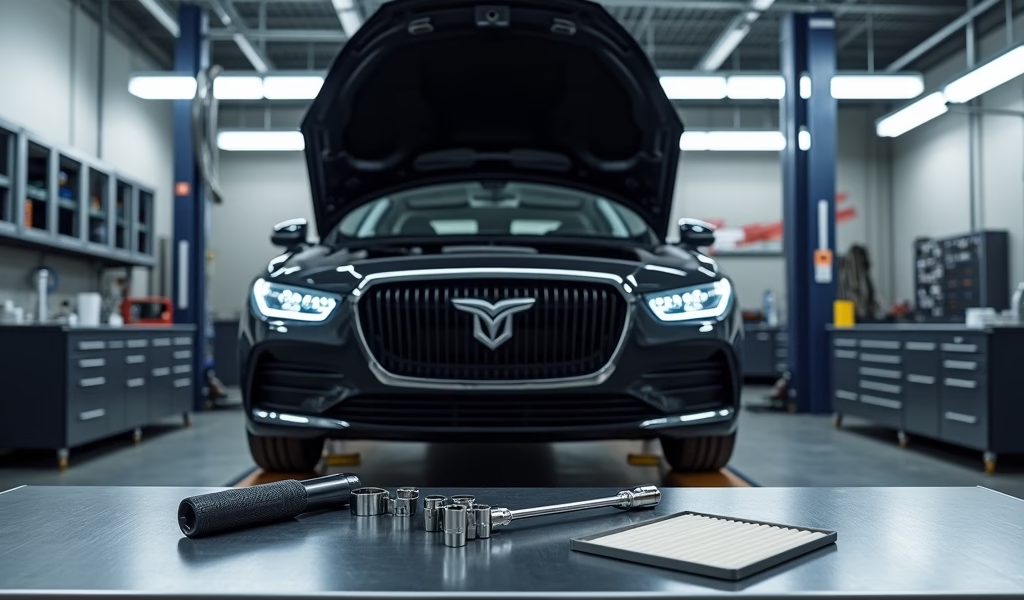
Pop the hood and secure it with the prop rod. Your air filter is typically housed in a black plastic rectangular box located on top of or to the side of your engine. This housing is connected to a large intake tube that feeds air to your engine.
In most modern cars, the air filter housing is designed to be easily accessible, though its exact location varies by vehicle model. Generally, you’ll find it on either the driver’s or passenger’s side of the engine bay.
If you’re having trouble locating it, check your vehicle’s owner’s manual, which always has a diagram of under-hood components. Common locations include:
- Directly on top of the engine
- To the side of the engine compartment
- Near the front of the engine bay, behind the grille
The housing typically has visible clips, screws, or clamps securing it closed. On some vehicles, you’ll need to disconnect components like the Mass Air Flow (MAF) sensor connector or intake tubes first, but most modern cars have simplified this process considerably.
Step 2: Open the Air Filter Housing
Once you’ve located the filter housing, it’s time to open it up. The exact method varies depending on your vehicle, but most fall into one of these categories:
- Clip-style housings: Many modern cars use plastic clips that can be unlatched by hand. Simply pull these clips outward or upward to release them.
- Screw-secured housings: Some housings use Phillips or flathead screws. Use the appropriate screwdriver to remove these, being careful not to overtighten them during reassembly.
- Wing nuts or hand-turn fasteners: These can be loosened by hand without tools.
Work gently, especially with plastic components that become brittle with age and heat exposure. I’ve seen plenty of broken clips and cracked housings from overzealous DIYers applying too much force.
A helpful mechanic’s trick: Take a quick photo with your smartphone before disassembly. This gives you a reference for how everything fits back together, which is especially useful if this is your first time performing this maintenance task or if you’re working on an unfamiliar vehicle.
Step 3: Remove the Old Air Filter
With the housing open, you can now access the old air filter. Carefully lift it straight out, noting its orientation in the housing. Pay attention to which side was facing up and which direction it was positioned – your new filter will need to go in exactly the same way.
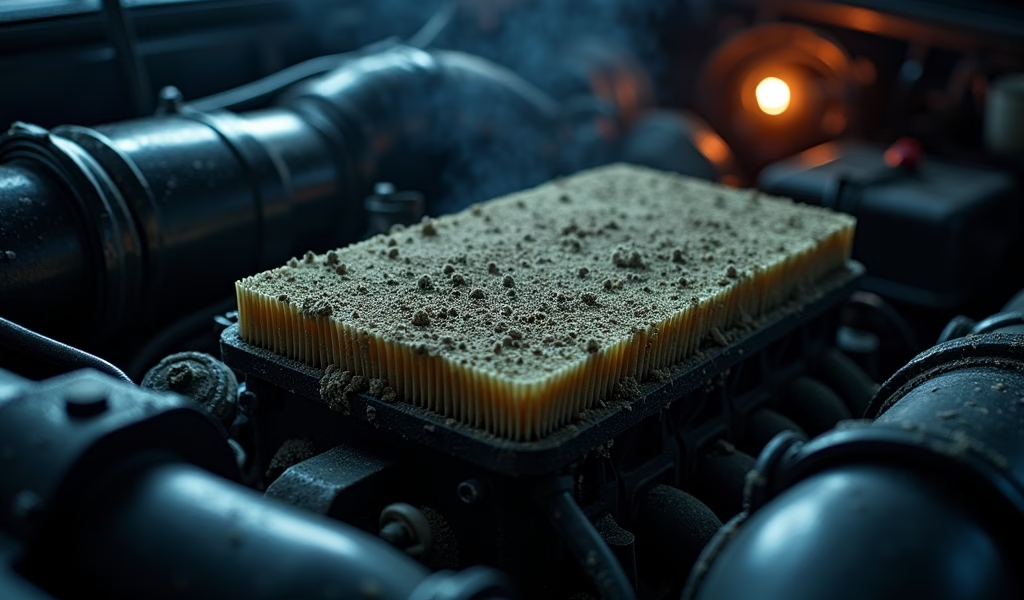
Take a moment to examine the old filter. A new air filter is typically white or off-white, while a dirty one will be gray, brown, or black with trapped particles. If your filter is caked with dirt or shows signs of discoloration, it’s definitely time for a replacement.
As Car and Driver explains, an extremely dirty filter restricts the amount of air entering your engine, affecting the air-fuel mixture and potentially reducing power and efficiency.
Also, check the condition of the filter material itself. If you see any tears, holes, or deterioration of the filter material, these defects would allow unfiltered air into your engine, potentially causing damage over time.
Step 4: Inspect and Clean the Housing
Before installing the new filter, take a moment to inspect and clean the filter housing. This step is often overlooked but is vital for optimal performance.
Look for any debris, leaves, or even small critters that might have found their way into the housing. I once found a family of mice that had built a nest in a customer’s air filter housing – not something you want feeding air to your engine!
Use your clean cloth to wipe away any dirt or debris from the inside of the housing. If you have compressed air available, a quick blast can help remove dirt from hard-to-reach corners. Just be careful not to blow debris further into the air intake system.
Check the sealing surfaces where the filter sits for any damage or buildup that might prevent a proper seal. These areas need to be clean and intact to ensure no unfiltered air bypasses your new filter.
While you’re here, it’s also a good time to check the condition of any gaskets or seals around the housing and the integrity of the air intake tubes. Cracked or damaged components should be addressed promptly as part of your essential car maintenance routine.
Step 5: Install the New Air Filter
Now for the satisfying part – installing your clean, new air filter. Place the new filter into the housing in exactly the same orientation as the old one. Most filters are designed to fit correctly in only one direction, but it’s always good to double-check.
Ensure that:
- The filter sits flush in the housing with no gaps around the edges
- Any rubber sealing edge faces in the correct direction (typically toward the clean side of the airflow)
- The filter material isn’t pinched or damaged during installation
Handle the new filter with care. The pleated material is delicate, and tears or creases can compromise its filtering ability. Touch only the plastic or rubber frame when possible.
Once the filter is properly seated, close the housing cover, making sure it aligns correctly with the base. Secure all clips, screws, or clamps that were removed during disassembly. If your housing uses screws, tighten them snugly but don’t over-tighten – you’re working with plastic components that can crack if forced.
After closure, give the housing a gentle wiggle to ensure it’s firmly in place. Reconnect any components you might have disconnected earlier, such as sensor connectors or intake tubes.
Congratulations! You’ve just completed one of the most cost-effective maintenance tasks for your vehicle. This simple 10-15 minute job offers several significant benefits that we’ll discuss next.
Benefits of Regular Air Filter Replacement
Now that you’ve replaced your air filter, you can expect several important benefits:
- Improved fuel efficiency: A clean air filter can boost your gas mileage by up to 10%, potentially saving you money at every fill-up.
- Better engine performance: Your engine can now “breathe” properly, resulting in improved acceleration and overall power.
- Reduced emissions: A properly functioning engine produces fewer harmful emissions, making your vehicle more environmentally friendly.
- Extended engine life: By preventing contaminants from entering your engine, you’re reducing wear on internal components.
- Cost savings: This simple DIY task saves you service fees each time you perform it yourself.
For optimal vehicle performance, I recommend checking your air filter every 6,000 miles or 6 months as part of your basic car maintenance routine. If it looks dirty, replace it regardless of mileage. Your vehicle’s maintenance schedule in the owner’s manual provides manufacturer-specific recommendations.
Remember, driving conditions significantly impact how quickly your filter gets dirty. If you frequently drive on unpaved roads, live in a dusty climate, or drive in heavy traffic in urban areas, you may need more frequent replacements.
Troubleshooting Common Issues
Even this relatively simple task can sometimes present challenges. Here are solutions to common issues you might encounter:
Filter Doesn’t Fit Correctly
If your new filter doesn’t seem to fit properly, double-check that you purchased the correct model for your specific vehicle. Filter sizes can vary significantly between different makes and models, and even between different years of the same model.
Some manufacturers offer multiple filter options for the same vehicle based on driving conditions or performance requirements. When in doubt, consult your owner’s manual or ask for assistance at your auto parts store.
Housing Won’t Close Properly
If the housing cover won’t close after installing the new filter, check that:
- The filter is seated correctly and fully inserted into the housing
- There are no obstructions around the edges of the housing
- The filter isn’t too thick (aftermarket “performance” filters sometimes have this issue)
- All clips or fasteners are aligned with their corresponding attachment points
Difficult-to-Remove Screws or Fasteners
For stuck or overtightened screws, apply gentle pressure and consider using penetrating oil if necessary. If a screw seems to be stripping, stop immediately and try a different approach, such as a screw extractor tool, rather than forcing it and risking damage.
Check Engine Light Appears After Replacement
If your check engine light illuminates after replacing the air filter, it’s possible that:
- The Mass Air Flow (MAF) sensor was bumped or disconnected during the process
- The air filter housing isn’t properly sealed
- An electrical connector for a sensor was left disconnected
Double-check all connections and make sure the housing is securely closed. If the light persists, consider having a professional diagnostic scan performed.
When in doubt about any part of this process, don’t hesitate to seek professional help. Even as a mechanic, I believe there’s no shame in asking for assistance when needed – it’s always better than risking damage to your vehicle through trial and error.
Conclusion
Replacing your car’s air filter is one of those rare maintenance tasks that combines simplicity, cost-effectiveness, and significant benefits. In just five easy steps and about 15 minutes of your time, you’ve improved your vehicle’s performance, fuel efficiency, and longevity.
As we say in the shop, “Your car takes care of you; take care of your car.” Regular air filter replacement is a perfect example of this philosophy in action. By ensuring your engine breathes clean air, you’re preventing unnecessary wear and maintaining optimal performance.
Make air filter replacement part of your regular vehicle maintenance schedule, along with oil changes and tire rotations. Your car – and your wallet – will thank you for it.
Remember that proper vehicle maintenance is cumulative. Small tasks like air filter replacement contribute to the overall health and reliability of your vehicle. By keeping up with these simple procedures, you’re ensuring your car runs smoothly for years to come.
Frequently Asked Questions
How often should I replace my car’s air filter?
Most manufacturers recommend replacement every 15,000-30,000 miles. Check your owner’s manual for specific recommendations, and replace sooner if you drive in dusty conditions.
Can a dirty air filter damage my engine?
Yes, a severely clogged air filter can restrict airflow, causing your engine to run rich and potentially leading to fouled spark plugs. Over time, this can cause accelerated engine wear and reduced performance.
Will changing my air filter improve gas mileage?
Yes, especially if your current filter is significantly dirty. Studies show that replacing a clogged air filter can improve fuel efficiency by up to 10% in older vehicles and maintain optimal efficiency in newer ones.
Can I clean my air filter instead of replacing it?
Standard paper air filters aren’t designed to be cleaned and reused. Special washable filters exist, but they require specific cleaning procedures and often don’t filter as effectively as quality disposable filters.
Is it worth paying extra for a premium air filter?
Mid-range to premium filters typically offer better filtration and longer service life. The few extra dollars spent on quality filters often pay off in better engine protection and less frequent replacement intervals.