
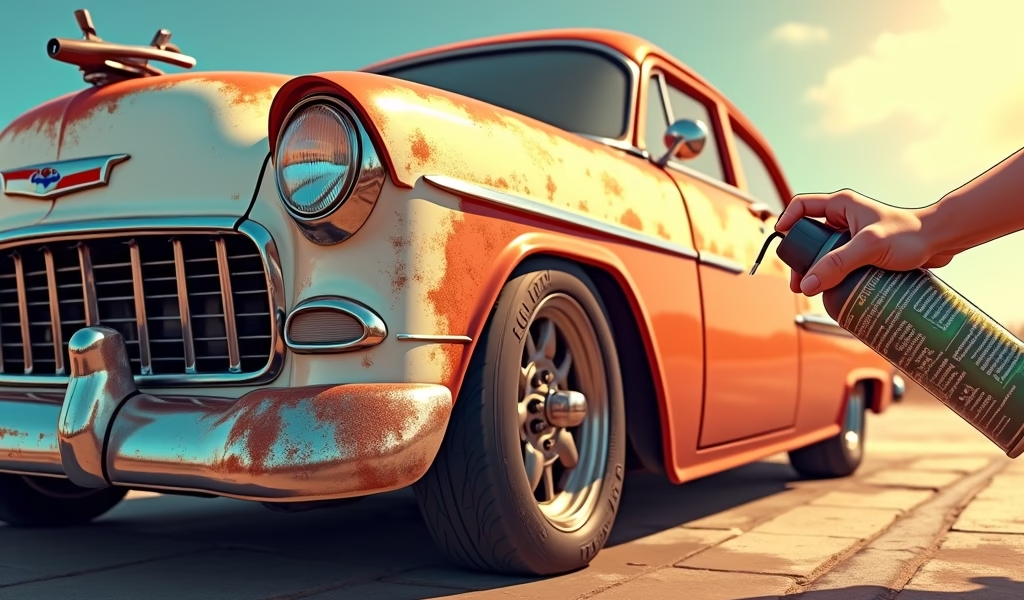
Overview
Like a silent thief, rust gradually deteriorates your vehicle’s structure, safety, and value—but costs pennies to prevent compared to thousands for repairs. This article outlines a complete rust-fighting strategy including prevention techniques for key vulnerable areas, seasonal protection approaches, DIY methods, and professional treatments that actually work to keep your car rust-free throughout its lifetime.
Table of Contents
- Understanding Rust: The Silent Destroyer
- Common Rust-Prone Areas Every Car Owner Should Check
- How Environmental Factors Accelerate Rust Formation
- Effective Prevention Methods That Actually Work
- DIY Rust Prevention Techniques Any Owner Can Apply
- Professional Rust-Proofing Treatments: Are They Worth It?
- Treating Existing Rust Before It Spreads
- Seasonal Protection Strategies for Year-Round Defense
- Conclusion
- Frequently Asked Questions
Rust – it’s the orange-brown menace that starts small but can lead to thousands in repair bills if ignored. As a mechanic who’s seen countless vehicles deteriorate prematurely, I can tell you that preventing rust isn’t just about keeping your car looking good – it’s about preserving its structural integrity, safety, and value.
The good news? Rust prevention costs pennies compared to rust repair. While a complete rust repair job might set you back $3,000-$5,000, a solid prevention routine might cost you just $100-200 annually. That’s why I’m sharing these battle-tested strategies to keep your vehicle rust-free for years to come.
Understanding Rust: The Silent Destroyer
Let’s get straight to the point: rust is iron oxide, formed when iron in your car’s metal components reacts with oxygen and moisture. It’s not just an eyesore – it’s actively destroying your vehicle from the inside out.
Rust typically progresses through three stages, each more damaging than the last:
- Surface rust – Appears on scratched or damaged paint surfaces
- Scale rust – Metal begins flaking as rust eats deeper
- Penetrating rust – Creates holes in the metal, compromising structural integrity
The financial impact is just as serious as the physical damage. According to Consumer Reports, visible rust can decrease your vehicle’s resale value by 10-30%. And if rust compromises safety components like brake lines or suspension parts, you’re looking at potentially dangerous driving conditions.
Beyond the cosmetic concerns, rust significantly impacts your vehicle’s structural integrity. Modern cars rely on precisely engineered “crumple zones” to protect passengers during collisions. When these areas rust, they may not perform as designed in an accident, potentially compromising your safety.
Common Rust-Prone Areas Every Car Owner Should Check
After inspecting thousands of vehicles over the years, I’ve identified several hotspots where rust typically begins. These areas deserve your special attention:
- Wheel wells and fenders (where road debris constantly hits)
- Door edges and bottoms (where moisture gets trapped)
- Rocker panels below the doors (difficult to see but critical)
- Trunk floor and spare tire well (often overlooked)
- Frame rails and suspension components (where safety is most impacted)
- Hood and trunk lid edges (trap moisture between panels)
I recently worked on a seemingly pristine SUV with immaculate paint. However, when we put it on the lift, the entire rocker panel had dissolved from the inside out – completely invisible from normal viewing angles. This “hidden rust” is particularly dangerous because it goes undetected until significant damage has occurred.
During your inspections, pay special attention to areas where different metal panels meet or where moisture might get trapped. These junction points create the perfect environment for corrosion to take hold. A monthly quick check of these areas with a flashlight can catch problems before they become expensive repairs.
How Environmental Factors Accelerate Rust Formation
Your location and driving conditions dramatically impact how quickly rust develops on your vehicle. Understanding these factors helps you tailor your prevention strategy appropriately.
Living in coastal areas exposes your vehicle to salt air, which accelerates rust even if you never drive on salted roads. The salt particles in sea air settle on your vehicle and create a highly corrosive environment. Similarly, driving in regions that use road salt during winter months puts your vehicle at substantially higher risk.
High humidity environments also promote rust formation by keeping moisture in contact with metal surfaces longer. If you live in a humid climate, you’ll need more frequent protection than someone in an arid region. According to a study by the National Association of Corrosion Engineers, vehicles in humid, salt-exposed environments develop serious rust issues up to 8-10 years earlier than those in dry, salt-free regions.
Even your driving patterns matter. Frequent short trips where the engine doesn’t fully warm up lead to condensation building up in the exhaust system and undercarriage, creating ideal rust conditions. If most of your driving involves quick errands around town, you may need more frequent rust protection than a highway commuter.
One often overlooked factor is where you park. Gravel driveways kick up tiny stones that chip paint, while parking on grass traps moisture against your vehicle’s undercarriage. Whenever possible, park on paved surfaces and give your car maintenance treatments time to dry completely before exposure to harsh conditions.
Effective Prevention Methods That Actually Work
After years in the shop, I’ve seen which prevention methods deliver results and which are just marketing hype. Here’s what actually works:
Regular Washing Is Your First Defense
It sounds simple, but washing your vehicle regularly removes corrosive materials before they can damage the paint or undercarriage. During winter months in salt-heavy regions, weekly washing becomes essential – not optional. Make sure to choose car washes with underbody spray options that flush salt and debris from hidden areas.
After washing, take a short drive with the heater on to help dry out moisture in hard-to-reach places. This simple step prevents water from sitting in seams and crevices where rust commonly begins.
Waxing Creates a Crucial Barrier
A quality wax job creates a physical barrier between your paint and the elements. Apply a good carnauba or synthetic wax every 3-4 months to maintain this protection. Modern ceramic coatings offer even longer-lasting protection, though at a higher initial cost. This protective layer prevents moisture and road salts from contacting your paint and the metal beneath.
Undercoating Options
For serious protection, consider these undercoating approaches:
- Oil-based undercoatings penetrate seams well but need annual reapplication
- Rubberized undercoatings last longer but must be applied to perfectly clean surfaces
- Wax-based cavity protections reach enclosed areas like door panels and frame rails
The key with any undercoating is proper application. A rushed or incomplete job can actually trap moisture against the metal, accelerating rust rather than preventing it. If you’re not comfortable doing this yourself, this is one area where professional application is worth considering.
Address Paint Damage Immediately
Even tiny stone chips in your paint create entry points for moisture to reach bare metal. Keep touch-up paint matched to your vehicle’s color code on hand, and address chips and scratches as soon as you notice them. This immediate attention prevents rust from gaining a foothold in the first place.
For larger damaged areas, consider car clear coat repair to restore the protective top layer. The clear coat is your paint’s first line of defense, and maintaining it intact significantly reduces rust risk.
DIY Rust Prevention Techniques Any Owner Can Apply
You don’t need to be a mechanic to protect your vehicle from rust. Here are some DIY techniques that deliver professional-quality results:
Basic Underbody Cleaning
For a thorough underbody cleaning that removes rust-causing salt and debris:
- Use jack stands to safely elevate your vehicle (follow all safety guidelines)
- Spray the underbody with a garden hose attachment or pressure washer set to low
- Focus on suspension components, frame rails, and other areas where debris collects
- Apply a specialized underbody cleaner to break down road salt and grime
- Rinse thoroughly and allow to dry completely
This basic cleaning, done monthly during winter in salt-heavy regions, dramatically reduces rust formation in critical structural areas.
DIY Rust Inhibitor Application
For existing minor surface rust, this process stops it from spreading:
- Clean the area thoroughly with automotive soap and dry completely
- Use a wire brush or sandpaper to remove loose rust
- Apply a quality rust converter following manufacturer instructions
- Allow to cure completely (usually 24 hours)
- Apply automotive primer, then color-matched paint
This process converts existing rust to a stable compound and creates a protective barrier against future corrosion. For less than $50 in materials, you can treat numerous small rust spots before they become major problems.
Door and Drain Hole Maintenance
Vehicle manufacturers include drain holes in doors, rocker panels, and other areas to allow water to escape. Over time, these often become clogged with debris, trapping moisture inside. Locate these drain points (check your owner’s manual) and clear them using compressed air or a pipe cleaner. This simple maintenance prevents water from accumulating in enclosed spaces.
For additional protection, spray a light coating of water-displacing lubricant into door hinges and latch mechanisms seasonally. This not only prevents these components from rusting but also keeps doors operating smoothly in freezing conditions.
Professional Rust-Proofing Treatments: Are They Worth It?
When deciding whether professional rust-proofing is worth the investment, consider these options and their effectiveness:
Dealer vs. Aftermarket Treatments
Dealer-applied rust protection typically costs $400-800 and often includes warranty coverage. However, many dealer packages are simply marked-up versions of services available from independent shops at lower prices ($200-400). The key difference isn’t where you get the service, but the quality of the application and materials used.
When evaluating any professional service, ask these questions:
- What specific areas will be treated? (Comprehensive coverage is essential)
- What products are being used? (Ask for brand names and specifications)
- Does the service include drilling access holes to reach enclosed areas?
- What warranty is provided, and what exactly does it cover?
Quality matters more than price. A thorough application using mid-grade products outperforms a rushed job with premium materials every time.
Electronic Rust Protection
Electronic rust protection systems claim to prevent rust by emitting a weak electrical current that theoretically prevents the electrochemical reaction causing corrosion. While some users report good results, independent testing shows limited effectiveness compared to physical barriers like oils and waxes.
If you’re considering electronic protection, look for systems with money-back guarantees and be skeptical of extravagant claims. These systems might provide some benefit as part of a comprehensive rust prevention strategy, but shouldn’t be relied upon as your only protection.
Annual Reapplication Services
Many rust-proofing services offer annual reapplication at reduced rates ($100-200). These are generally worth considering, especially for oil-based treatments that need regular renewal. The technicians often spot developing issues during these services, catching problems before they become serious.
For maximum value, schedule these reapplications in early fall before winter weather arrives. This timing ensures your vehicle has fresh protection before facing the harshest rust-inducing conditions of the year.
Treating Existing Rust Before It Spreads
Discovered rust on your vehicle? Don’t panic – but don’t ignore it either. Here’s how to address existing rust before it compromises your car’s structure:
For Surface Rust (Stage 1)
Surface rust is the easiest to treat and should be addressed immediately:
- Clean the area thoroughly with automotive soap and dry completely
- Sand the rusted area with 80-grit sandpaper, then 150-grit for smoothing
- Wipe clean with a tack cloth to remove dust
- Apply rust converter according to product instructions
- Once dry, apply automotive primer
- Finish with color-matched paint and clear coat
This process, completed in an afternoon, can stop minor rust from developing into a major repair. The key is thorough preparation – rushing through the sanding and cleaning steps virtually guarantees the rust will return.
For Scale Rust (Stage 2)
When rust has begun flaking and creating a “scaly” texture, more aggressive treatment is needed:
- Use a wire brush or drill attachment to remove all loose and flaking material
- Sand until you reach solid metal
- Apply a rust neutralizer or converter
- Fill any pitting with automotive body filler
- Sand smooth, prime, and paint
This more involved process requires patience and attention to detail, but it’s still within the capabilities of a DIY-minded owner. If the affected area exceeds the size of a credit card, consider professional help to ensure proper treatment.
For Penetrating Rust (Stage 3)
When rust has created holes in the metal, DIY repairs become significantly more challenging. For most car owners, this stage requires professional intervention. Body shops will cut out the affected metal and weld in replacement panels, then seal and paint to match. While expensive, this is the only way to properly address rust that has compromised the metal’s integrity.
Never use temporary “cover-up” products that simply hide penetrating rust. These products trap moisture against the damaged metal, accelerating deterioration and potentially masking serious structural concerns. Proper repair is the only safe solution at this stage.
Remember, treating existing rust is always more expensive and time-consuming than preventing it in the first place. Use these techniques when necessary, but focus your efforts on prevention for the best long-term results.
Seasonal Protection Strategies for Year-Round Defense
Different seasons bring different rust challenges. Here’s how to adapt your protection strategy throughout the year:
Fall Preparation
Fall is the ideal time to prepare your vehicle for the harsh winter months ahead:
- Apply a fresh coat of wax before temperatures drop
- Schedule professional undercoating if that’s part of your strategy
- Clear all drain holes and check rubber seals around doors and windows
- Touch up any paint chips or scratches before winter arrives
This pre-winter preparation creates a strong defense system before your vehicle faces the harshest conditions of the year. An afternoon spent in fall preparation can prevent significant rust development through the winter.
Winter Vigilance
During winter months, especially in regions using road salt, take these extra precautions:
- Wash your vehicle weekly, including underbody spraying
- Avoid driving through deep snow banks that can pack slush against underbody components
- Immediately wash after major snowfalls or salt application
- Park in a heated garage when possible to allow complete drying
Consistency is crucial during winter months. Even skipping a few weekly washes can allow enough salt accumulation to initiate the rusting process in vulnerable areas. Knowing how to detail a car properly during winter provides extra protection when your vehicle needs it most.
Spring Cleaning
When winter ends, perform a thorough cleaning to remove accumulated salt and debris:
- Do a complete underbody flush (professional services often offer this)
- Inspect all surfaces for winter damage and address any discovered rust immediately
- Clean and dress rubber seals to prevent cracking
- Perform a complete detail including wax application
This post-winter cleanup removes corrosive materials that accumulated during winter and gives you a chance to address any developing issues before they worsen in the humid summer months.
Summer Maintenance
Summer brings its own challenges, particularly in humid environments:
- Monitor for condensation in enclosed areas during temperature swings
- Check drain holes regularly, as summer debris can cause blockages
- Apply wax more frequently if parked outdoors in intense sun
- Be extra vigilant about washing after driving on gravel roads (increased stone chip risk)
Summer’s combination of high humidity and temperature fluctuations creates ideal conditions for condensation to form in enclosed body panels. Regular inspection helps catch and address any issues before they progress to visible rust.
Conclusion
Preventing rust isn’t complicated, but it does require consistency and attention to detail. The investment of time and resources in prevention is minimal compared to the extensive costs of repair once rust takes hold.
By implementing regular washing, prompt treatment of paint damage, seasonal protection strategies, and occasional professional services, you can keep your vehicle rust-free for its entire service life. This proactive approach preserves not just your car’s appearance, but its structural integrity, safety, and resale value.
Remember that rust prevention isn’t a one-time event but an ongoing process. Each small step you take – from that quick car wash after a snowstorm to addressing a tiny paint chip the day you notice it – contributes to your vehicle’s long-term health and value.
Your car represents a significant investment. Protecting it from rust is one of the most impactful ways to preserve that investment for years to come.
Frequently Asked Questions
How often should I wash my car to prevent rust?
In winter or coastal areas, wash weekly with underbody spray. In milder climates, bi-weekly washing is sufficient, but increase frequency after exposure to road salt or sea air.
What’s the most effective DIY rust prevention method?
Regular washing combined with prompt paint chip repair provides the best DIY protection. Add seasonal waxing and annual undercoating application for comprehensive protection.
Can rust be completely stopped once it starts?
Surface rust can be completely stopped with proper treatment including removal, conversion, and repainting. Once rust has penetrated the metal, it can be repaired but the area will always be structurally compromised.
Are factory rust warranties worth anything?
Factory rust warranties typically only cover perforation (holes) and have strict maintenance requirements. They provide limited protection and often exclude many rust-prone areas like underbody components.
Do newer cars rust less than older models?
Yes, modern manufacturing uses improved galvanization, better primers, and more aluminum components. However, all vehicles remain susceptible to rust, especially in harsh environments with road salt exposure.