
Overview
Ever pressed your brake pedal only to feel that stomach-dropping mushiness that signals your stopping power is compromised? This comprehensive guide explains how to diagnose and fix soft brakes—from bleeding air from brake lines to replacing master cylinders—with practical DIY instructions and maintenance tips that can save you hundreds in repair costs while ensuring your safety on the road.
Table of Contents
- Understanding Soft Brakes: A Safety Priority
- What Causes Soft Brakes? Common Culprits Revealed
- Diagnosing Soft Brakes: Signs You Shouldn’t Ignore
- DIY Brake Bleeding: Step-by-Step Guide
- Other Fixes for Soft Brakes
- When to Seek Professional Help
- Preventative Maintenance to Avoid Brake Problems
- Conclusion
- Frequently Asked Questions
Understanding Soft Brakes: A Safety Priority
Picture this: you’re cruising down the highway, approaching a red light, and when you press the brake pedal, it feels like you’re stepping on a sponge. Your stomach drops as your car doesn’t slow down as expected. That sinking feeling is all too familiar to drivers who’ve experienced soft brakes.
Soft brakes aren’t just annoying—they’re downright dangerous. When your brake pedal feels mushy or sinks toward the floor, your vehicle’s stopping ability is compromised, putting you and everyone else on the road at risk.
As a mechanic with over 15 years of experience, I’ve seen countless drivers ignore the early warning signs of brake issues until they’re facing costly repairs—or worse, an accident. The good news? Many brake problems can be diagnosed and even fixed without breaking the bank.
Your braking system works through hydraulic pressure. When you press the pedal, it activates the master cylinder, which sends brake fluid through lines to your wheel cylinders or calipers. This pressure creates friction against your rotors or drums, slowing your vehicle. When that hydraulic system gets compromised, you get that dreaded soft pedal feel.
Understanding how to fix soft brakes starts with recognizing the problem early. A properly functioning brake pedal should feel firm and responsive, offering resistance about an inch or two from its resting position. If yours feels different, it’s time to investigate.
What Causes Soft Brakes? Common Culprits Revealed
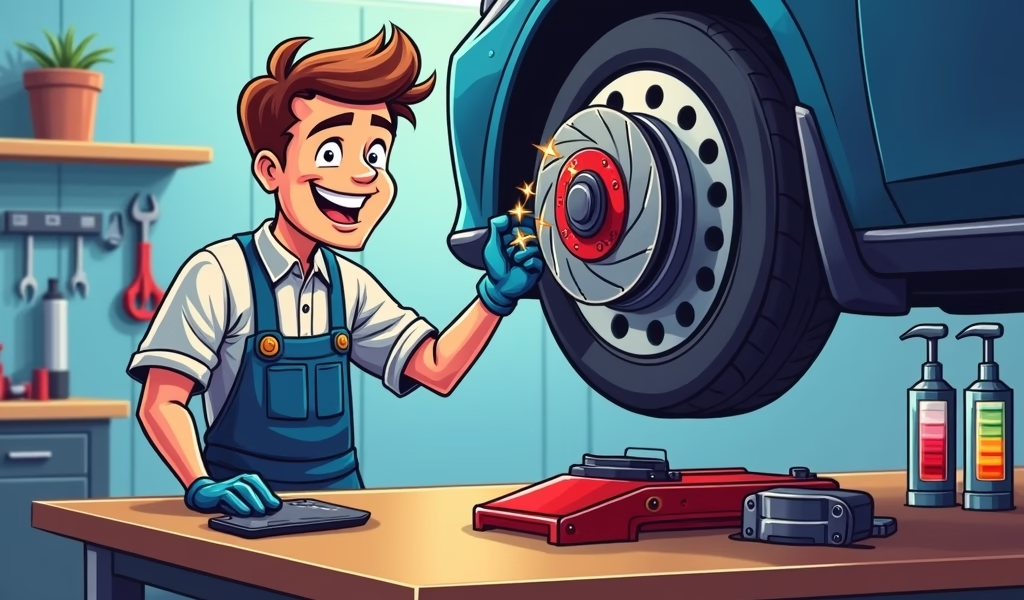
When your brake pedal starts feeling like you’re pressing into a marshmallow instead of engaging a critical safety system, several issues could be at play. Let’s break down the most common causes:
Air in the Brake Lines
This is the most frequent culprit behind soft brakes. Your hydraulic brake system must be completely sealed and filled with incompressible fluid to function properly. When air bubbles get trapped inside, they compress when you press the pedal, creating that spongy sensation before the brakes engage.
Air typically enters during brake service or through small leaks. Even tiny bubbles can dramatically affect performance, increasing your stopping distance and creating inconsistent pedal feel.
Low or Contaminated Brake Fluid
Brake fluid is the lifeblood of your stopping system. When levels drop due to leaks or when the fluid becomes contaminated, your pedal feel suffers immediately. Here’s what happens:
- Low fluid allows air to enter the system
- Old fluid absorbs moisture, lowering its boiling point
- Contaminated fluid can damage internal seals
Brake fluid naturally absorbs moisture from the air over time, which is why regular fluid changes and bleeding are crucial, even if you haven’t serviced other brake components.
Failing Master Cylinder
The master cylinder is the heart of your brake system. When its internal seals wear out, pressure bleeds past them instead of traveling to your wheels. A classic sign is a pedal that gradually sinks to the floor when held down.
According to Federal Motor Carrier Safety Administration research, master cylinder failures account for approximately 18% of hydraulic brake system issues.
Brake Line Problems
Your vehicle’s brake lines carry pressurized fluid to each wheel. Over time, these can develop issues:
- Corrosion and tiny leaks from road salt exposure
- Internal deterioration creating blockages
- Flexible hoses that expand under pressure
Even a small brake line problem can lead to significant safety concerns, especially during emergency stopping situations.
Worn Mechanical Components
Sometimes the issue isn’t hydraulic but mechanical. Severely worn pads and rotors, damaged calipers, or improperly adjusted rear drum brakes can all contribute to a soft pedal feel, even with perfect fluid pressure.
Diagnosing Soft Brakes: Signs You Shouldn’t Ignore
Before diving into repairs, you need to pinpoint exactly what’s wrong. Here are the telltale symptoms and how to diagnose them:
Warning Signs of Brake Problems
- Brake pedal feels soft, spongy, or mushy when pressed
- Pedal sinks gradually to the floor under sustained pressure
- Braking requires pumping the pedal to build pressure
- Vehicle takes longer to stop than usual
- Brake warning light illuminates on your dashboard
- Fluid puddles appear under the vehicle
Any of these symptoms warrant immediate attention. Ignoring them doesn’t just risk expensive repairs—it puts lives in danger.
Simple Home Diagnostic Tests
You don’t need fancy equipment to get a basic idea of what’s wrong. Here’s my step-by-step approach:
1. Check brake fluid level and condition: Open your master cylinder reservoir (typically on the driver’s side of the engine bay). The fluid should be between the MIN and MAX lines and should look clear to amber. Dark brown or black fluid indicates contamination.
2. Engine-off pedal test: With the engine off, pump the brake pedal a few times, then hold firm pressure. If the pedal slowly sinks to the floor, you likely have a master cylinder issue or a leak.
3. Engine-on test: Start your engine and press the brake pedal. It should feel firmer than with the engine off. If multiple pumps make the pedal feel harder, air in the lines is likely your problem.
4. Visual inspection: Look under your vehicle for fluid leaks, particularly around wheels and brake lines. Check the inside of each tire and wheel well for signs of seepage or wet spots.
Auto technicians at Car Care Council recommend checking your brake fluid every time you change your oil as a proactive diagnostic measure.
DIY Brake Bleeding: Step-by-Step Guide
If you’ve determined that air in your brake lines is causing the soft pedal, bleeding the system is the solution. This is one of the most common DIY brake repairs and can save you $80-150 in shop costs. Here’s how to do it right:
Tools You’ll Need
- Box-end wrench or brake bleeder wrench (sized for your bleeder screws)
- Clear plastic tube that fits snugly over bleeder screws
- Glass jar or bottle
- Fresh brake fluid (exactly the type specified for your vehicle)
- A helper (makes the job much easier)
- Wheel chocks and jack stands if lifting the vehicle
The Bleeding Process
1. Preparation: Make sure your vehicle is safely supported. Check your master cylinder fluid level and top off with fresh fluid. Keep the cap loose during bleeding to prevent a vacuum.
2. Locate bleeder screws: These are typically on the back of calipers or on wheel cylinders. Clean them with brake cleaner to prevent contamination.
3. Start with the wheel farthest from the master cylinder: This is usually the passenger-side rear brake. The correct sequence is:
- Right rear
- Left rear
- Right front
- Left front
4. The bleeding procedure:
- Place one end of the tube over the bleeder screw, with the other end in a jar containing some brake fluid
- Have your helper press the brake pedal slowly and hold it down
- Open the bleeder screw about a quarter turn
- Watch fluid and air bubbles flow through the tube
- Close the bleeder screw before your helper releases the pedal
- Repeat until no more air bubbles appear
5. Check fluid levels frequently: Keep adding fluid to the master cylinder as needed. Never let it run dry or you’ll introduce more air into the system.
6. Repeat at each wheel: Follow the same procedure at each wheel in the proper sequence.
7. Test the pedal: After bleeding all four brakes, the pedal should feel firm and responsive. If it’s still soft, repeat the process or look for other issues.
Safety Precautions
Brake fluid is toxic and damages paint instantly. Wear gloves and eye protection, and have clean water nearby to rinse spills immediately. Never reuse old brake fluid, and dispose of it properly at an auto parts store or recycling center.
If bleeding doesn’t fix your soft pedal, or if you’re uncomfortable performing the procedure, it’s time to consider other causes or professional help.
Other Fixes for Soft Brakes
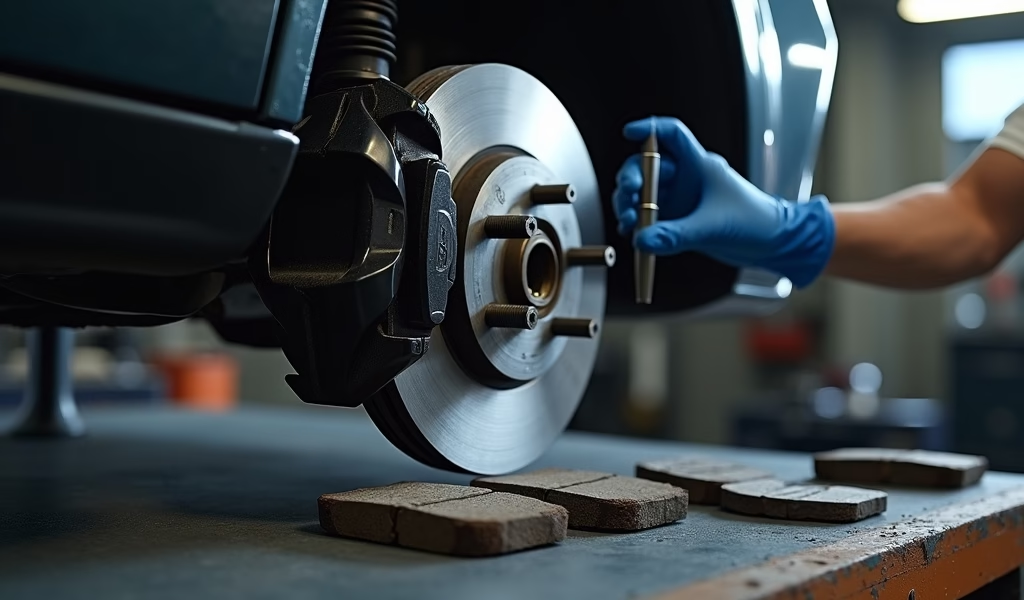
If bleeding your brakes didn’t solve the problem, you might be dealing with one of these issues that require additional repairs:
Brake Fluid Flush
Sometimes old, contaminated fluid is the culprit. A complete flush replaces all the fluid in your system rather than just bleeding out air bubbles:
- Remove old fluid from the master cylinder using a turkey baster or suction tool
- Refill with fresh fluid of the correct type
- Bleed each brake as described earlier, continuing until clear, fresh fluid flows from all bleeder valves
This process typically requires 1-2 quarts of fluid depending on your vehicle size. Use only the DOT-rated fluid specified in your owner’s manual.
Master Cylinder Replacement
If your diagnosis points to a failing master cylinder, replacement might be necessary. This is more complex but still possible for a DIY mechanic with moderate skills:
- Disconnect the brake lines (have a pan ready for fluid)
- Remove mounting bolts and the cylinder
- “Bench bleed” the new cylinder before installation to remove air
- Install the new cylinder, reconnect lines, and bleed the entire system
A new master cylinder typically costs $50-200 depending on your vehicle, plus a few hours of labor if you’re paying a shop.
Brake Line Repair
For line issues, you have options depending on the damage:
- Small section replacement for localized damage
- Using pre-flared brake line kits for easier repairs
- Complete line replacement for extensively corroded systems
Working with brake lines requires special tools for proper flaring and bending. Improper flaring is a common DIY mistake that leads to dangerous leaks.
Cost Comparisons: DIY vs. Professional Repair
Here’s what you might expect to pay for common soft brake fixes:
- Brake bleeding: $20-30 DIY vs. $80-150 professional
- Fluid flush: $30-40 DIY vs. $100-200 professional
- Master cylinder replacement: $75-250 DIY vs. $300-800 professional
- Brake line replacement: $50-150 DIY vs. $400-1000+ professional
The savings can be substantial, but remember—safety comes first. If you’re unsure about your repair skills, the investment in professional service is well worth the peace of mind.
When to Seek Professional Help
While many brake issues can be handled at home, some situations call for expert intervention. Know when to draw the line between DIY and professional repairs:
Warning Signs That Demand Immediate Professional Attention
- Complete brake failure or pedal that goes to the floor with no resistance
- ABS warning light remains illuminated
- Multiple symptoms occurring simultaneously
- Repairs that didn’t solve the problem after repeated attempts
- Brakes that pull the vehicle to one side when applied
These issues often indicate complex problems that require diagnostic equipment and expertise beyond most home mechanics.
Complex Brake System Components
Modern vehicles have sophisticated braking systems that can be challenging to service:
- ABS (Anti-lock Braking Systems)
- Electronic Brake Force Distribution
- Stability Control integration
- Regenerative braking on hybrid/electric vehicles
These integrated systems often require specialized scan tools and training to properly diagnose and repair. According to NHTSA studies, improper service of advanced braking systems can compromise their effectiveness in emergency situations.
Finding a Trustworthy Brake Specialist
When you do need professional help, choose carefully:
- Look for ASE Certified technicians (Automotive Service Excellence)
- Ask friends and family for recommendations based on actual experience
- Check online reviews, focusing on brake-specific work
- Request a written estimate before authorizing work
- Ask for explanations of the diagnosis and proposed repairs
A good shop will take the time to explain what’s wrong, show you the affected components, and discuss repair options before proceeding.
Preventative Maintenance to Avoid Brake Problems
The best way to deal with soft brakes is to prevent them in the first place. A regular maintenance schedule keeps your braking system in top condition:
Regular Maintenance Schedule
- Check brake fluid level monthly
- Inspect brake fluid color and clarity every oil change
- Replace brake fluid every 2-3 years regardless of mileage
- Have brake system inspected annually
- Address minor issues before they become major problems
This preventative approach is far less expensive than waiting for failure. A complete brake fluid flush costs around $100-200 professionally, while a master cylinder failure with resulting damage can run into many hundreds or even thousands.
Signs Your Brakes Need Attention
Between scheduled maintenance, stay alert for these warning signs:
- Any change in pedal feel or height
- Unusual sounds (squealing, grinding, or clunking)
- Vibration during braking
- Pulling to one side when brakes are applied
- Brake warning light illumination
Addressing these symptoms early can prevent dangerous failures and save you money. The difference between replacing just brake pads ($150-300) versus pads, rotors, and calipers ($500-1000+) often comes down to timely intervention.
Practical Tips for Brake Longevity
Your driving habits directly impact brake system health:
- Avoid “riding” the brakes on downhill stretches
- Anticipate stops to reduce hard braking
- Leave adequate following distance to avoid panic stops
- Address any brake issues immediately, regardless of severity
- Use engine braking (downshifting) to reduce brake wear on long descents
These simple practices not only extend brake component life but also improve fuel economy and reduce overall vehicle wear.
Conclusion
Soft, spongy brakes aren’t just an annoyance—they’re a serious safety issue that demands prompt attention. Whether you choose the DIY route or professional service, addressing brake problems early prevents more costly repairs and keeps you safer on the road.
The most common cause—air in the brake lines—is fortunately one of the easiest and least expensive to fix. With basic tools and careful work, most drivers can restore their brake pedal firmness through proper bleeding procedures.
Remember that your vehicle’s braking system is literally your life’s safety net on the road. Regular maintenance, prompt attention to warning signs, and appropriate caution when attempting DIY repairs will ensure your brakes respond effectively when you need them most.
When in doubt, consult a professional. The modest cost of expert service is a small price to pay for the confidence of knowing your vehicle can stop reliably in any situation. After all, your brakes don’t just protect your car—they protect everything that matters most to you.
Frequently Asked Questions
How do I know if my brakes need bleeding?
If your brake pedal feels spongy or requires pumping to build firmness, you likely need to bleed your brakes. Other indicators include increased stopping distance or a pedal that gradually sinks toward the floor under sustained pressure.
Can I drive with soft brakes?
No, driving with soft brakes is extremely dangerous as stopping distance increases dramatically and complete failure could occur. Have your vehicle towed to a repair facility rather than risking a potentially fatal accident.
How much does it cost to fix soft brakes?
Costs range from $80-150 for professional brake bleeding to $300-800 for master cylinder replacement. DIY repairs can save 50-70% of these costs if you have the necessary skills and tools.
How often should I change brake fluid?
Most manufacturers recommend changing brake fluid every 2-3 years regardless of mileage. Fluid naturally absorbs moisture over time, lowering its boiling point and compromising braking performance.
Can ABS cause a soft brake pedal?
Yes, problems with the Anti-lock Braking System can cause a soft or pulsating pedal feel. ABS issues typically require professional diagnosis with specialized scan tools and are not suitable for most DIY repairs.