
Overview
Those innocent-looking rock chips on your car’s paint are actually ticking time bombs that expose metal to moisture and oxygen, potentially leading to extensive rust damage that can transform a $30 fix into an $800 nightmare. This guide explores DIY and professional repair options, preventative measures like paint protection film, and essential maintenance practices that can preserve your vehicle’s appearance and value while saving you thousands in the long run.
Table of Contents
- The Heartbreak of Fresh Paint Damage
- What Are Paint Rock Chips?
- The Dangers of Ignoring Rock Chips
- Common Causes of Rock Chips
- DIY Repair Options for Rock Chips
- Professional Repair Options
- Cost Comparison: DIY vs. Professional
- Preventative Measures to Protect Your Paint
- Common Mistakes to Avoid
- How to Match Your Paint Color Perfectly
- Conclusion: Maintaining Your Car’s Appearance and Value
- Frequently Asked Questions
The Heartbreak of Fresh Paint Damage
That distinctive “ping” sound of a rock hitting your car’s paint job is enough to make any car owner wince. One minute you’re enjoying a peaceful drive, and the next, you’re calculating repair costs in your head. I’ve seen that look of disappointment countless times in my shop – it’s universal among car owners.
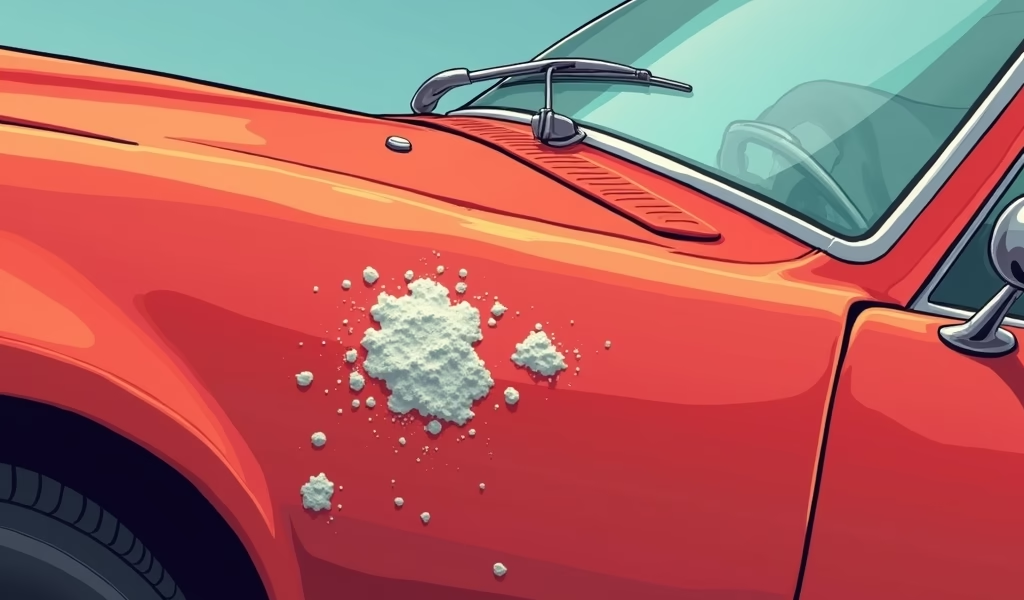
Those tiny rock chips might seem insignificant at first glance, but they represent a vulnerable spot where your vehicle’s metal is now exposed to the elements. Left untreated, these small imperfections become entry points for moisture and oxygen – essentially rolling out the red carpet for rust formation. What starts as a minor blemish can rapidly develop into bubbling paint, spreading corrosion, and eventually, an expensive repainting job.
Here’s the good news: addressing these chips promptly isn’t just about keeping your ride looking sharp – it’s a smart financial decision that preserves your vehicle’s value. A $20 DIY touch-up kit or even a $150 professional repair is significantly more affordable than the $500+ you might spend on major rust repair and repainting down the road. Trust me, I’ve seen $50 problems turn into $1,500 nightmares simply because they were ignored.
Consider this your comprehensive guide to understanding, fixing, and preventing those frustrating rock chips – written by someone who’s fixed thousands of them over two decades in the auto body business.
What Are Paint Rock Chips?
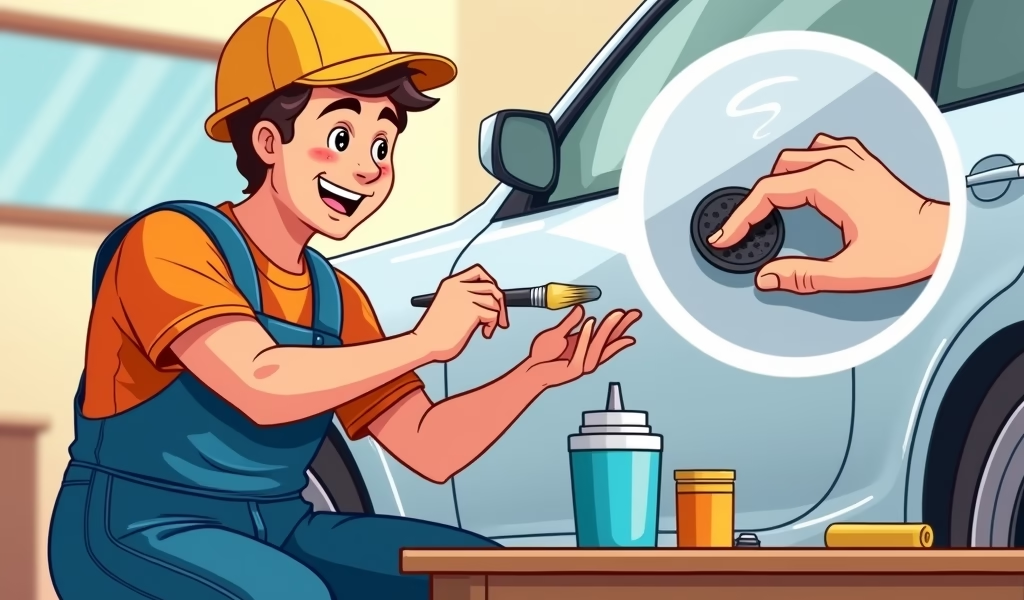
Rock chips are small areas where paint has been forcefully removed from your vehicle’s surface due to impact with road debris. Unlike scratches that typically leave some paint behind, rock chips often expose the primer, metal, or plastic underneath. They usually appear as small, distinct marks with clearly defined edges, sometimes showing bare metal at the center – like tiny craters in your paint’s surface.
You’ll most commonly find these pesky chips on the front-facing parts of your vehicle. The bumper, hood, and side mirrors take the brunt of road debris, with the front edge of the hood being particularly vulnerable. The area just behind your wheels is another hotspot, where gravel and debris can be kicked up by your tires.
What makes rock chips different from other paint damage is their cause and appearance. While scratches come from something dragging across the surface, chips result from direct impacts. The damage is typically deeper and more concentrated than a scratch, creating a clean break in all layers of paint.
Modern automotive paint isn’t just about making your car look good – it’s a sophisticated protection system with multiple layers. According to DuPont Refinish, a leading automotive paint manufacturer, factory finishes include primer that helps paint adhere to metal, a base coat that provides color, and a clear coat that offers UV protection and glossy finish. When a rock chip breaks through these layers, it compromises this entire defense system.
The Dangers of Ignoring Rock Chips
That tiny chip might seem harmless, but beneath the surface, trouble is brewing. Once a chip exposes bare metal, the countdown to corrosion begins. Moisture and oxygen immediately start attacking the unprotected surface, forming oxidation that quickly develops into rust. This process can begin within days, especially in humid or rainy conditions.
What makes rock chip damage particularly insidious is how it spreads. What starts as a pinpoint of rust beneath the paint begins to expand outward. Rust actually occupies more space than the original metal, creating pressure that lifts and cracks the surrounding paint. Before long, that barely noticeable chip transforms into a bubble, then a flaking patch, and eventually a rusty eyesore.
Beyond the structural concerns, these imperfections significantly impact your vehicle’s resale value. According to a study by Kelley Blue Book, visible exterior damage can reduce a vehicle’s value by 10-15%. Prospective buyers see chips and rust as signs of neglect and will often use them to negotiate thousands off your asking price – far more than the repair would have cost.
The timeline of damage progression moves faster than most people realize:
- Within days: Exposed metal begins to oxidize
- Within weeks: Moisture can seep under surrounding paint
- Within months: Visible rust may appear
- After a year or more of neglect: Extensive paint failure and body panel damage may require professional body work that costs hundreds or even thousands to repair
I recently had a customer bring in a two-year-old luxury sedan with a quarter-sized area of bubbling paint on the hood. What started as a tiny rock chip had developed into a rust spot that required sanding down to bare metal, rust treatment, primer, base coat, clear coat, and blending with surrounding panels. The final bill? Over $800 – all from a chip that could’ve been fixed for $30 when it happened.
Common Causes of Rock Chips
Understanding how rock chips happen is the first step in preventing them. Road debris is the primary culprit – loose gravel, small stones, and other materials that get kicked up by tires. Construction zones are particularly hazardous, with their abundance of loose materials and uneven surfaces. I always warn my customers to take alternate routes around major construction if possible.
Gravel roads pose an obvious risk, but freshly paved surfaces can be just as dangerous. New asphalt often has loose aggregate that hasn’t fully settled into the road surface, creating a veritable shooting gallery for your vehicle’s paint. I’ve seen cars come in with dozens of chips after just one drive down a newly resurfaced highway.
Highway driving presents its own hazards, especially when following trucks and large vehicles. These vehicles kick up debris from their larger tires and often have mudflaps that don’t fully contain the spray of materials. The physics are simple – the closer you follow and the faster you drive, the more forcefully those rocks impact your paint.
Weather conditions significantly influence risk levels. Rain creates a perfect environment for damage as water loosens road debris and allows tires to fling it more easily. Winter brings additional hazards like road salt and ice chunks that can chip paint on impact.
Some vehicles are simply more susceptible to damage because of manufacturer choices. Cars with thin factory paint or minimal clear coat (sometimes found on less expensive models or older vehicles) provide less protection against impacts. Front-wheel drive vehicles also tend to kick up more debris onto their own bodies than rear-wheel drive cars.
One customer with a low-slung sports car learned this lesson the hard way after driving behind a gravel truck on the highway. The lower front-end profile acted like a magnet for flying debris, resulting in over 30 chips across the hood and bumper. An expensive clear coat repair later, he now maintains a much greater following distance.
DIY Repair Options for Rock Chips
Before grabbing that touch-up paint, take a moment to assess whether DIY is appropriate for your situation. DIY repairs work best for chips smaller than a pencil eraser with minimal rust formation. If the damage is larger, numerous, or has already begun rusting significantly, professional help might be your better option.
For basic repairs, you’ll need:
- Touch-up paint (matched to your vehicle’s color code)
- Clear coat (if not included with touch-up)
- Rubbing alcohol or prep solvent
- Fine-grit sandpaper (2000 grit or higher)
- Microfiber cloths
- Cotton swabs or toothpicks
- Automotive primer (for chips reaching bare metal)
- Car wax to finish
The repair process starts with thorough cleaning. Use rubbing alcohol on a microfiber cloth to remove any wax, dirt, or oils from the damaged area. For chips that have reached metal, lightly sand away any rust formation with fine-grit sandpaper, then clean again. This step is crucial – skip it, and you’re just painting over a problem that will continue to grow beneath your repair.
If you’re working with exposed metal, apply a tiny amount of primer first using a toothpick or the applicator that came with your touch-up kit. Allow it to dry completely according to the product instructions – usually 30-60 minutes. This primer layer is essential for proper adhesion and preventing future rust formation.
When applying touch-up paint, less is more. The goal is to fill the chip, not create a paint blob. Apply in thin layers, allowing each to dry before adding more. A toothpick can provide more precise application than some built-in applicators. I often tell my customers to build the paint just slightly above the surrounding surface – we can level it later.
After the color coat has dried completely (usually 24 hours), apply clear coat using the same technique. Once everything has cured fully (check product instructions, but typically 2-3 days), you can wet-sand with 2000+ grit sandpaper and then polish to blend the repair with the surrounding paint.
When selecting your repair method, consider the options: paint pens offer convenience but less precision, bottles with brush applicators provide more control, and spray cans give the smoothest finish but are harder to keep localized to the damage area. For most DIYers, I recommend touch-up bottles with built-in applicators as the best balance of control and quality.
Learning proper car painting techniques takes time, but the results are worth it. I’ve seen DIY repairs that look almost factory-perfect when done with patience and attention to detail.
Professional Repair Options
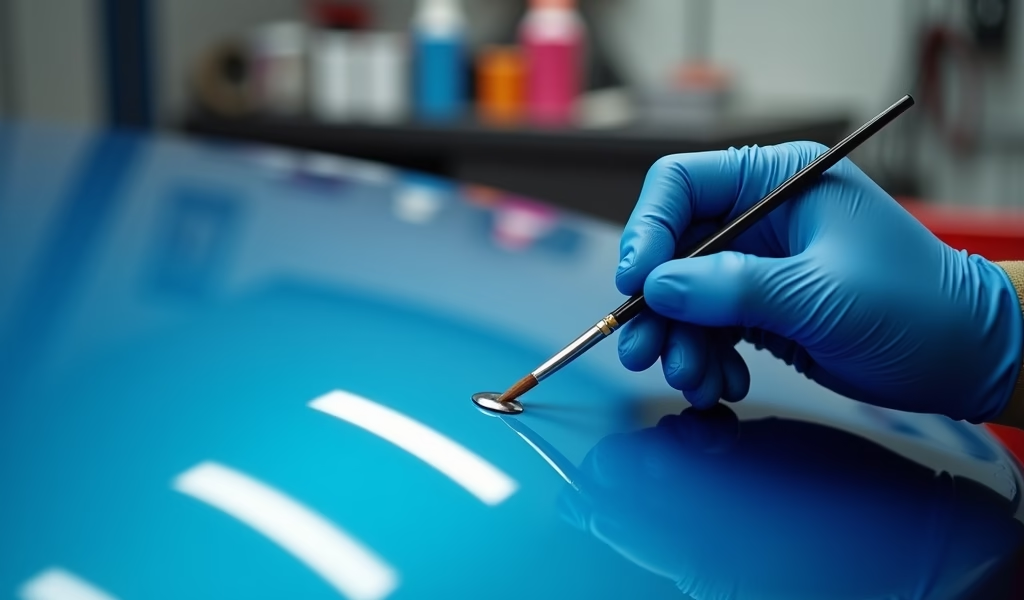
Some situations call for professional expertise. Consider seeking professional help if: the chip is larger than a pencil eraser, rust has already formed, you have numerous chips across a panel, or the damage is in a highly visible location where appearance is critical.
Professional repair shops offer several levels of service:
- Spot repair: Focused on individual chips, these quick fixes blend new paint into the existing finish.
- Paint touch-up services: More thorough than DIY, these services include proper preparation and professional color matching.
- SMART (Small to Medium Area Repair Technology): A specialized technique that blends repairs into existing paint, avoiding full panel repainting.
- Full panel repainting: For extensive damage, this provides the most consistent appearance but at the highest cost.
During a professional service, expect the technician to clean and prep the damaged area, apply primer if needed, color-match and apply paint, blend the repair into surrounding areas, and finish with clear coat. Quality shops will also polish the area to match the surrounding finish.
When selecting a repair shop, ask these key questions:
- “Do you guarantee color matching?”
- “What’s your process for preventing future rust in the repaired area?”
- “Do you provide a warranty on the repair?”
- “Can you show me examples of similar repairs you’ve completed?”
Many body shops now offer mobile services for minor repairs, coming to your home or office to fix chips on site. This convenience factor has made professional repairs more accessible than ever, though they typically focus on simpler jobs rather than extensive damage.
I always tell customers that the biggest advantage of professional repairs isn’t just the quality – it’s the warranty. Most reputable shops stand behind their work for at least a year, giving you peace of mind that DIY methods simply can’t match.
Cost Comparison: DIY vs. Professional
Budget considerations often drive the decision between DIY and professional repairs. DIY touch-up kits typically cost between $15-$50, with dealer-supplied OEM paint on the higher end of that range. These kits include everything needed for basic repairs, making them cost-effective for minor damage.
Professional services vary widely in price depending on the extent of damage and your location:
- Basic chip touch-ups: $75-$150
- SMART repairs: $150-$300
- Full panel repainting: $300-$1,000+
When considering insurance, remember that paint chip repairs rarely exceed typical deductibles ($500-$1,000), making them usually out-of-pocket expenses. Additionally, multiple claims can raise your premiums, so save insurance for major damage.
The long-term math clearly favors prompt repairs. A $30 DIY kit or even a $150 professional touch-up is significantly cheaper than addressing extensive rust damage later, which can easily exceed $1,000. Plus, maintaining your vehicle’s appearance preserves its resale value, potentially saving thousands when it’s time to sell or trade in.
One customer brought in a three-year-old SUV with extensive hood damage from ignored rock chips. The repair required complete hood repainting at $650 plus two days without their vehicle. Had they addressed the original chips when they occurred, they would have spent less than $100 in total.
Preventative Measures to Protect Your Paint
An ounce of prevention truly is worth a pound of cure when it comes to paint chips. Paint protection film (PPF), often called a “clear bra,” provides a sacrificial layer that absorbs impacts. While installation costs $500-$2,000 depending on coverage area, these virtually invisible films last 5-10 years and can prevent thousands in damage.
Ceramic coatings offer another layer of protection. While they won’t stop rock chips entirely, they create a harder surface that resists minor scratches and makes the paint easier to keep clean. Professional application costs $500-$1,500 but lasts several years with proper maintenance.
For more budget-friendly options, quality synthetic waxes and sealants provide modest protection while enhancing your paint’s appearance. Apply every 3-6 months for best results. Proper car paint polishing before applying protectants can remove minor surface imperfections and enhance the effectiveness of these products.
Smart driving habits significantly reduce your risk. Maintain greater following distance behind trucks and construction vehicles (at least 5-7 car lengths at highway speeds), reduce speed on gravel roads, and consider alternate routes around construction zones when possible.
Finally, physical barriers like car covers for parked vehicles and garage storage provide the most complete protection from environmental hazards when you’re not driving. I’ve seen a direct correlation between cars kept in garages and those with minimal paint damage, even after many years on the road.
According to Consumer Reports, combining these preventative measures can extend the life of your factory paint by several years, maintaining both appearance and value throughout your ownership.
Common Mistakes to Avoid
Even well-intentioned repairs can go wrong when common mistakes creep in. The most frequent error I see is using incorrectly matched paint. Even slight color differences become glaringly obvious in direct sunlight, making the repair more noticeable than the original chip. Always verify your paint code and test in an inconspicuous area first.
Over-applying touch-up paint creates raised “islands” that catch light differently than the surrounding surface. Remember that multiple thin layers yield better results than one thick application. You can always add more, but removing excess is much more difficult.
Many DIYers skip crucial preparation steps like proper cleaning and rust removal. This shortcut leads to poor paint adhesion and premature failure of the repair. I’ve seen countless touch-ups fail within months because the surface wasn’t properly prepped.
Household products might seem like convenient substitutes, but nail polish, craft paint, and similar non-automotive products lack the UV protection, flexibility, and durability required for automotive applications. They’ll fail quickly and potentially damage the surrounding paint.
Patience matters – rushing between coats or skipping the recommended drying times results in improper curing, bubbling, and eventual peeling. Following the manufacturer’s timeline is essential for durability. One customer once told me he applied three coats in an hour, then wondered why the paint wrinkled and peeled off after the first car wash.
Finally, focusing only on the color coat while ignoring the clear coat leaves the repair vulnerable to UV damage and premature fading. The clear coat isn’t optional – it’s a critical protective layer that provides depth and gloss to match your factory finish.
How to Match Your Paint Color Perfectly
Finding the perfect color match starts with locating your vehicle’s paint code. This code is typically found on a sticker or plate in the driver’s door jamb, under the hood, in the trunk, or in the glove compartment. It may be labeled as “paint code,” “color code,” or simply “C/C.”
Once you have this code, you have two main options: OEM (Original Equipment Manufacturer) touch-up paint from your dealer, or aftermarket options from auto parts stores and online retailers. Dealer paint offers the most accurate match but typically costs more ($20-$50) than aftermarket alternatives ($8-$30).
Many auto parts stores now offer computer-matching technology that can scan your existing paint and create a custom-mixed touch-up solution. This is particularly useful for older vehicles where paint has faded from its original specification.
Regardless of source, always test your touch-up paint on an inconspicuous area first – perhaps inside a door jamb or under a trim piece. This allows you to verify the match before applying it to visible damage.
For vehicles with metallic or pearl finishes, achieving a perfect match is more challenging due to the way light reflects off the paint particles. These finishes often look better with professional blending techniques that can feather the new paint into the existing finish.
Environmental factors affect how your paint appears – what looks perfect in your garage might look completely different in bright sunlight. Always check your match in various lighting conditions before proceeding with the full repair.
One trick I’ve learned over years of paint matching: if your vehicle is older than 5 years, consider going one shade lighter than the factory code. This accounts for the natural fading that occurs with sun exposure and environmental factors, creating a less noticeable blend.
Conclusion: Maintaining Your Car’s Appearance and Value
Rock chips might seem like minor annoyances, but they represent a significant threat to your vehicle’s long-term condition and value. By understanding how chips occur and addressing them promptly, you’re making a smart investment in your car’s future.
Remember that prevention is always easier than repair. Consider protective measures like paint protection film for high-impact areas, maintain safe following distances, and be mindful of driving conditions that increase risk. A little caution today can save significant expense tomorrow.
When chips do occur, assess the damage objectively to determine whether DIY methods are appropriate or if professional help is needed. Either way, acting quickly prevents the progression from simple chip to costly rust repair.
Regular inspection of your vehicle’s paint – perhaps during your monthly wash routine – allows you to catch and address damage before it worsens. This proactive approach to maintenance keeps your vehicle looking its best while preserving its structural integrity and resale value.
In my two decades of auto body work, I’ve seen thousands of dollars saved by car owners who simply took paint damage seriously and addressed it promptly. Whether you choose the DIY route or seek professional help, the important thing is not to ignore those little chips – they’re trying to tell you something!
Frequently Asked Questions
How soon should I repair rock chips after they happen?
Ideally, address chips within a week of occurrence. The longer metal is exposed, the greater the risk of rust formation.
Can touch-up paint really prevent rust?
Yes, properly applied touch-up paint creates a barrier that prevents moisture and oxygen from reaching the metal. This effectively stops the rust formation process if applied before corrosion begins.
Will touch-up paint look as good as the original factory finish?
DIY touch-ups rarely match the perfectly smooth finish of factory paint, but when done correctly, they’re only noticeable under close inspection. Professional repairs achieve better results but still may not be 100% invisible unless the entire panel is repainted.
Are paint protection products like “clear bras” worth the investment?
For newer vehicles or those you plan to keep long-term, paint protection film offers excellent value despite the initial cost. It prevents damage that would otherwise require multiple repairs over the vehicle’s life.
Can I buff out rock chips without using touch-up paint?
Unfortunately, no. Buffing only works for surface scratches that haven’t penetrated through the clear coat, while rock chips require actual filler in the form of paint.