
Overview
That glossy finish on your car isn’t just for show—it’s a protective clear coat that shields your paint from UV rays and environmental damage, but can start peeling due to sun exposure, improper washing, or simply age. This article walks you through identifying clear coat damage, DIY repair methods costing $80-140, professional repair options ranging from $150-5,000+, and prevention strategies like regular washing and waxing that can save you from costly repairs down the road.
Table of Contents
- What is Clear Coat and Why Does it Peel?
- Identifying Clear Coat Damage
- Common Causes of Peeling Clear Coat
- DIY Repair Methods for Peeling Clear Coat
- When to Consider Professional Repairs
- Preventing Clear Coat Damage
- Cost Considerations
- Conclusion
- Frequently Asked Questions
What is Clear Coat and Why Does it Peel?
That shiny, glossy finish you admire on vehicles isn’t just for show—it’s your car’s first line of defense against the elements. As a mechanic who’s restored hundreds of damaged finishes, I can tell you that clear coat is essentially a transparent protective layer applied over your vehicle’s colored base coat.
Think of clear coat as your paint’s bodyguard. It shields against UV rays, prevents oxidation, and gives your ride that deep, wet-looking shine we all love. Modern vehicles typically use a two-stage paint system: a colored base coat covered by this transparent protective layer.
But here’s the thing about clear coat—it’s not invincible. Over time, this protective shield can begin to fail, creating that embarrassing peeling effect that makes your car look like it’s shedding its skin. When clear coat starts to peel, it’s not just an eyesore; it’s exposing your vehicle’s base coat to damage that can lead to much bigger (and costlier) problems down the road.
The peeling happens because the bond between the clear coat and base coat weakens. Think of it like tape losing its stickiness—eventually, it just won’t hold anymore. This separation typically starts small but can quickly spread across entire panels if left untreated, which is why understanding car clear coat repair is so important for every vehicle owner.
Identifying Clear Coat Damage
Catching clear coat damage early can save you a world of headache (and a chunk of change). In my 15+ years working on vehicles, I’ve found that most folks miss the early warning signs until the problem becomes obvious—and more difficult to fix.
The earliest sign is usually a dulling or haziness that washing won’t fix. Your car’s surface might start looking cloudy in spots, especially on horizontal areas like the hood or roof. If you run your fingertip across the surface and feel slight roughness or texture, that’s another red flag.
As damage progresses, you’ll notice more obvious symptoms:
- White, cloudy patches that don’t polish out
- A cracked or spiderweb appearance in the finish
- Actual peeling or flaking, where you can see the clear coat lifting away
- Areas where the paint appears to have different levels of shine
One telltale test I often recommend to my customers is the “water test.” Spray a little water on the suspected area—if the water beads evenly on healthy areas but spreads out flat on others, you’re likely dealing with clear coat failure in those spots.
Remember that clear coat damage typically starts on the panels that get the most sun exposure: hood, roof, and trunk lid. These horizontal surfaces bear the brunt of UV radiation, which is why they’re usually the first to show signs of trouble.
Common Causes of Peeling Clear Coat
Understanding why your clear coat is waving the white flag can help prevent future damage. In my repair shop, I’ve traced most clear coat failures to a handful of common culprits.
The sun is perhaps the biggest enemy of your clear coat. Continuous exposure to UV radiation breaks down the chemical bonds in the finish, causing it to become brittle and eventually fail. If you park outside daily, especially in sunny states like Arizona or Florida, your clear coat is working overtime.
Environmental factors play a huge role too. Acid rain, bird droppings, tree sap, and industrial fallout all contain chemicals that eat away at your clear coat. Even seemingly innocent things like pollen can be abrasive when not washed away promptly.
Poor washing techniques are another surprisingly common cause I see. Using household detergents instead of proper car soap, washing in direct sunlight, or scrubbing with abrasive materials can accelerate clear coat deterioration. I’ve fixed many cars damaged by well-intentioned owners using dish soap, which strips away protective waxes and oils.
Age is also a factor that can’t be ignored. Even with perfect care, clear coat has a limited lifespan. Most factory finishes are designed to last 10-15 years under normal conditions. After that, deterioration is simply part of the natural aging process, as research on automotive coating durability has shown.
Some vehicles also suffered from poor factory application. Certain manufacturers (particularly American cars from the 1990s and early 2000s) had notorious clear coat problems due to cost-cutting measures or environmental regulations that changed paint formulations.
DIY Repair Methods for Peeling Clear Coat
Let’s roll up our sleeves and talk about fixing that peeling clear coat yourself. I’ll be straight with you—this isn’t a beginner-level job, but with patience and the right approach, many car enthusiasts can achieve satisfactory results.
First, assess the damage honestly. If the peeling affects less than 25% of a panel and hasn’t exposed the primer or metal, you’re a good candidate for DIY repair. For larger areas or more severe damage, you might want to skip ahead to the professional repair section.
For smaller repairs, here’s my tried-and-true process:
Materials You’ll Need:
- Wet/dry sandpaper (600, 1000, 1500, and 2000 grit)
- Automotive masking tape and paper
- Automotive primer (if base coat is damaged)
- Automotive clear coat spray (2-3 cans for small repairs)
- Microfiber towels
- Isopropyl alcohol
- Polishing compound and buffer (optional but recommended)
- Respirator mask, safety glasses, and gloves
Step-by-Step Process:
- Thoroughly wash the area and let it dry completely
- Use masking tape and paper to protect surrounding areas from overspray
- Wet sand the damaged area with 600 grit sandpaper to remove all peeling clear coat
- Gradually work up to finer grits (1000, 1500, 2000), keeping the surface wet while sanding
- Wipe the area with isopropyl alcohol to remove sanding dust and oils
- Apply 3-4 light coats of automotive clear coat, allowing proper drying time between coats as specified on the product
- After the final coat has cured (usually 24 hours), wet sand with 1500 and 2000 grit to level the surface
- Polish the area with compound to restore shine and blend with existing finish
The key to success is patience between coats and proper preparation. Most DIY clear coat jobs fail because people rush or apply coats that are too thick, leading to runs or orange peel texture. Remember, several thin coats are always better than one thick one.
For those looking to develop their skills further, learning proper car painting techniques can make a world of difference in your results. The fundamentals of spray control, proper distance, and consistent motion are essential for a professional-looking finish.
When to Consider Professional Repairs
Sometimes, the wisest choice is knowing when to hand the keys to a professional. After years of both DIY projects and professional repairs, I can tell you there are clear situations where paying a pro makes more sense in the long run.
Consider professional help if:
- The damage covers more than 25% of multiple panels
- The peeling has exposed primer or metal (indicated by gray or metallic showing through)
- The base coat has faded significantly (meaning color matching would be necessary)
- You don’t have access to a dust-free, well-ventilated workspace
- The vehicle is valuable or collectible, where resale value matters
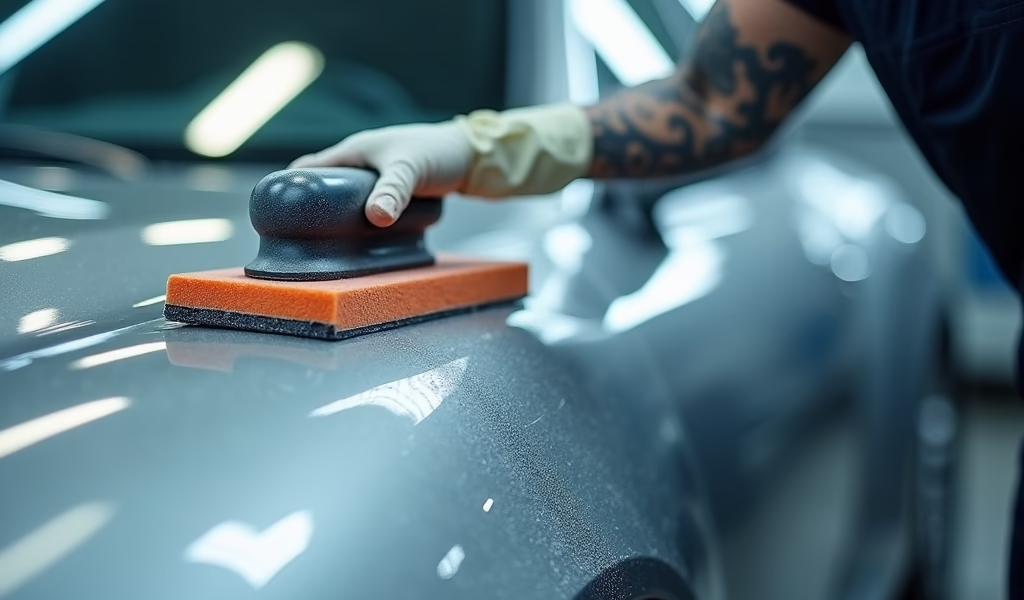
A quality professional repair includes more than just spraying new clear coat. The shop will properly prep the surface, blend the repair into adjacent panels for an invisible transition, and often apply a thicker, more durable clear coat than what’s available in consumer spray cans.
When choosing a shop, don’t just go with the cheapest quote. Ask to see examples of their previous clear coat repairs, check reviews specifically mentioning paint work, and ensure they’ll blend the repaired areas with adjacent panels. Some shops might only spray the affected areas, creating visible “lines” where new clear coat meets old—not what you want!
Expect to pay between $300-$500 for a single panel repair at a reputable shop, with complete vehicle resprays ranging from $1,500-$5,000 depending on your vehicle’s size and the quality of materials used. While this might seem steep, consider that a properly done professional job should last 8-10 years, compared to 2-3 years for many DIY repairs.
Preventing Clear Coat Damage
An ounce of prevention is worth a pound of cure—especially when it comes to your vehicle’s finish. In my years working on cars, I’ve noticed that vehicles with proactive owners often look showroom-fresh even after a decade on the road.
Regular washing is your first defense. I recommend washing your car every two weeks, using proper automotive soap—never dish detergent or household cleaners. Wash in the shade when possible, using the two-bucket method (one for soapy water, one for rinsing your wash mitt) to prevent scratching.
Waxing isn’t just for car enthusiasts—it’s essential protection. A quality carnauba or synthetic wax creates a sacrificial barrier between your clear coat and the environment. Apply wax every three months at minimum, or consider a professional-grade polish for your car paint before waxing to remove surface contaminants and restore shine.
Parking strategies matter too. Whenever possible, park in garages or shaded areas. If you must park outside long-term, consider a breathable, UV-resistant car cover—they’re far cheaper than a new paint job!
For those willing to invest a bit more, ceramic coatings offer superior protection. These professionally-applied products create a semi-permanent barrier that can last 2-5 years with proper maintenance. While more expensive upfront (typically $500-$1,500), they provide exceptional protection against UV rays and environmental contaminants.
Immediate attention to contaminants is another crucial habit. Don’t let bird droppings, tree sap, or bug splatter sit on your paint—these can etch through clear coat in just days during hot weather. Keep a spray bottle of quick detailer and microfiber towels in your trunk for spot cleaning when you’re away from home.
Cost Considerations
Let’s talk dollars and cents—because understanding the financial impact of clear coat damage can help you make better decisions about repairs. I’ve seen too many folks delay addressing minor clear coat issues only to face much bigger bills later.
DIY repairs are certainly the most budget-friendly option upfront. For a small area like a roof or hood, expect to spend:
- Sandpaper and prep materials: $20-30
- Quality automotive clear coat (2-3 cans): $30-50
- Polishing materials: $30-60
- Total DIY cost: $80-140
Professional repair costs vary widely based on your location and the shop’s expertise, but here’s what you might expect:
- Spot repair of a small area (size of a basketball): $150-300
- Single panel (hood, roof, trunk): $300-600
- Multiple panels or full vehicle: $1,000-5,000+
The true cost comparison, however, needs to consider longevity. A professional repair typically lasts 3-4 times longer than a DIY job. When you calculate cost per year of protection, professional work often comes out ahead—especially if you factor in your time and effort.
There’s also the hidden cost of delayed repairs. Every month that peeling clear coat exposes your base coat to the elements increases the likelihood that you’ll need more extensive repairs later. What might have been a $400 panel respray can quickly become a $1,500+ job if the base coat becomes damaged or if the peeling spreads to adjacent panels.
For valuable or newer vehicles, professional repairs almost always make financial sense when considering resale value. A quality repair can preserve hundreds or even thousands in vehicle value, making it an investment rather than an expense.
Conclusion
Clear coat failure might start as a cosmetic nuisance, but it quickly becomes a threat to your vehicle’s long-term health and value. Whether you choose the DIY route or professional repairs, addressing peeling clear coat promptly will always save you money and headaches in the long run.
Remember that prevention remains your best strategy. Regular washing, waxing, and mindful parking habits can add years to your clear coat’s life. For those already facing peeling issues, honest assessment of the damage scope and your own skills will guide you toward the right repair approach.
Throughout my years working with vehicles, I’ve found that the most satisfied customers are those who understand that their car’s finish is an ongoing investment rather than a one-time expense. With proper care and timely intervention when problems arise, your vehicle can maintain that showroom shine for many years beyond what most people expect.
So next time you notice that first small patch of dullness or peeling, don’t panic—but don’t ignore it either. Armed with the knowledge from this guide, you’re well-equipped to make smart decisions about preserving your vehicle’s appearance, protection, and value for the road ahead.
Frequently Asked Questions
Can I just touch up peeling clear coat with nail polish?
No, nail polish is not formulated for automotive use and will damage your paint further. It contains chemicals that can react with your existing finish and lacks the UV protection of proper automotive clear coat.
How long does a DIY clear coat repair typically last?
DIY clear coat repairs generally last 1-3 years, depending on the quality of materials used and application technique. Professional repairs typically last 7-10 years with proper care.
Will insurance cover clear coat peeling?
Most insurance policies don’t cover clear coat peeling as it’s considered normal wear and tear rather than accidental damage. Some extended warranty packages might cover it if the vehicle is relatively new and the failure is widespread.
Can I drive my car immediately after applying new clear coat?
You can drive it, but you shouldn’t wash it or expose it to harsh conditions for at least 7 days. Full clear coat curing takes about 30 days, during which time you should avoid automatic car washes and harsh chemicals.
Is it worth fixing clear coat damage on an older car?
For vehicles over 10 years old with multiple areas of damage, consider the car’s value before investing in extensive repairs. For localized damage on an otherwise well-maintained vehicle, repairs are usually worth the investment to prevent further deterioration.