
Overview
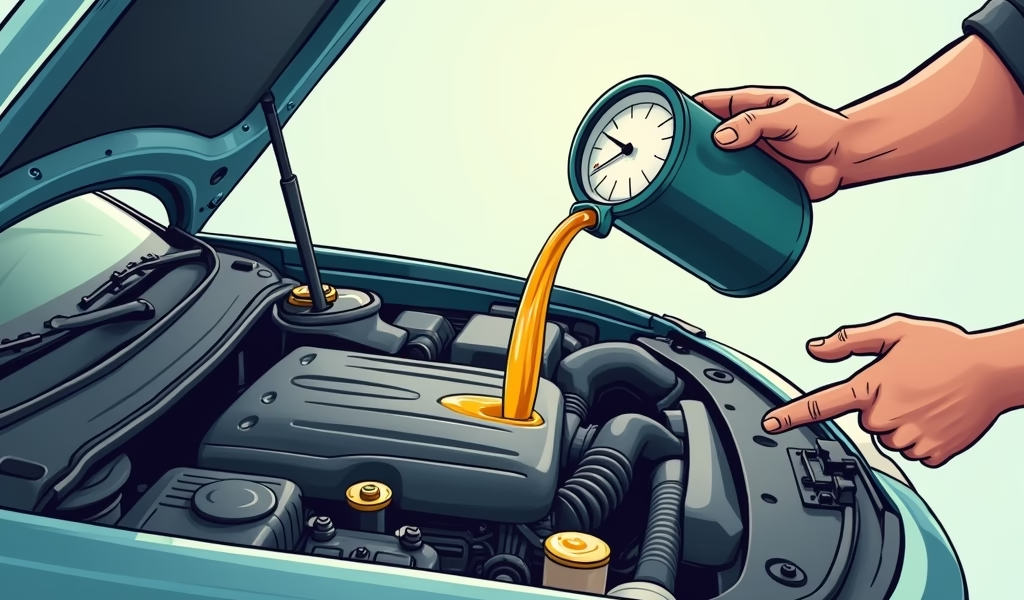
Like your body needs proper blood pressure, your engine requires adequate oil pressure to prevent metal components from making direct contact, which can lead to catastrophic damage in just minutes of driving. This guide provides a complete roadmap for understanding oil pressure issues—from recognizing warning signs and diagnosing problems to implementing effective fixes and preventative maintenance strategies that can save you thousands in repairs.
Table of Contents
- Understanding Oil Pressure: The Lifeblood of Your Engine
- Warning Signs of Low Oil Pressure You Shouldn’t Ignore
- Common Causes of Low Oil Pressure
- Diagnosing Low Oil Pressure: A Step-by-Step Approach
- Fixing Low Oil Pressure: Solutions That Work
- DIY vs. Professional Repairs: Making the Right Choice
- Prevention: Keeping Oil Pressure Problems Away
- Conclusion
- Frequently Asked Questions
Understanding Oil Pressure: The Lifeblood of Your Engine
Think of oil pressure like blood pressure for your car’s engine. When it drops too low, things go south quickly. As a mechanic with 20 years under my belt, I’ve seen countless engines ruined because owners ignored this critical system.
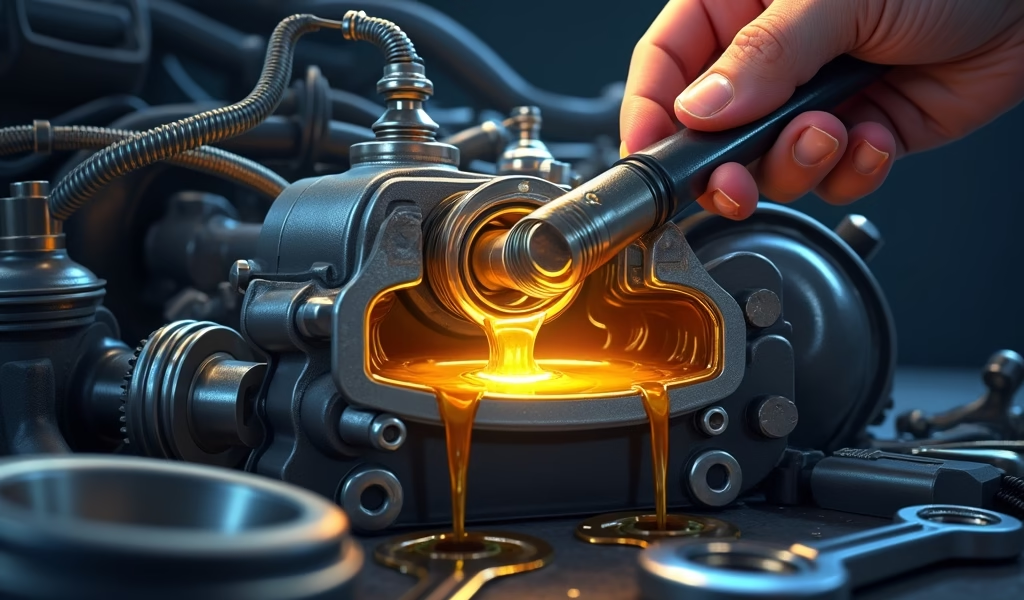
Oil doesn’t just lubricate your engine—it cools, cleans, and protects every moving part inside. When your oil pump pushes oil through the engine, it creates pressure that forces this slippery liquid into tight spaces between fast-moving metal components.
Without proper oil pressure, these metal parts make direct contact, creating friction, heat, and devastating wear. I’ve literally seen engines melt down internally after running with low oil pressure for just a few minutes.
Normal oil pressure typically ranges between 25-65 PSI when your engine is warm and running. This varies by vehicle, so check your service manual for specifics. At idle, pressure runs lower (usually 20-30 PSI), while higher RPMs create higher pressure readings.
Many folks don’t realize oil pressure is affected by engine temperature, oil viscosity, and engine speed. That’s why addressing this issue requires understanding what normal looks like for your specific vehicle.
Warning Signs of Low Oil Pressure You Shouldn’t Ignore
The most obvious sign is your dashboard oil pressure warning light illuminating. This isn’t a “think about it later” kind of warning—it’s a “pull over now” emergency indicator. Understanding engine warning lights could save you thousands in repairs.
Listen for unusual knocking, ticking, or rattling sounds from your engine. These noises happen when metal components aren’t getting enough lubrication and start making direct contact. Trust me, this is the sound of your engine crying for help.
You might also notice decreased engine performance. Your car might feel sluggish, hesitate during acceleration, or run roughly. This happens because increased friction is robbing your engine of power.
Oil leaks are another telltale sign. Check for dark puddles under your vehicle after it’s been parked overnight. Common leak spots include around the oil filter, drain plug, valve covers, and oil pan gasket.
If your engine runs hotter than normal along with these symptoms, that’s a red flag. Oil helps cool your engine, so temperature spikes often accompany pressure problems.
That burning smell? It could be oil leaking onto hot engine components. Don’t dismiss unusual odors, especially if accompanied by any other symptoms.
Common Causes of Low Oil Pressure
In my repair shop, the most common cause I see is simply low oil level. Oil can disappear through leaks, burning, or even normal consumption in older engines. Always check your dipstick first—it’s the easiest fix!
Worn or damaged oil pumps rank second on my list. The pump is responsible for circulating oil and creating pressure. Over time, internal components wear down, reducing efficiency and pressure. Most pumps should last 100,000+ miles, but they’re not immortal.
Oil that’s too thin won’t maintain proper pressure. This happens when using the wrong viscosity oil or when oil breaks down from heat and age. Always use the manufacturer-recommended grade listed in your owner’s manual.
Clogged oil filters restrict flow and reduce pressure. That’s why skipping oil changes is a recipe for disaster. Research shows that dirty oil accelerates engine wear significantly.
Engine bearing wear creates larger clearances where oil can escape, reducing system pressure. This typically happens in higher-mileage engines or those that have suffered from poor maintenance.
Blocked oil passages from sludge buildup create “oil deserts” in your engine. These blockages prevent oil from reaching critical components, even when the pump is working perfectly.
A stuck-open oil pressure relief valve allows too much oil to bypass the system, preventing pressure buildup. This valve is designed to prevent over-pressurization but can fail in the open position.
Finally, faulty oil pressure sensors or gauges can indicate a problem when there isn’t one. I’ve saved many customers money by finding a bad sensor rather than a bad engine.
Diagnosing Low Oil Pressure: A Step-by-Step Approach
Let’s approach this systematically, just like we do in the shop:
1. Check Your Oil Level and Condition
Park on level ground and wait 5-10 minutes after shutting off your engine. Pull the dipstick, wipe it clean, reinsert fully, then check it again. Oil should be between the minimum and maximum marks.
Inspect the oil’s condition while you’re at it. Healthy oil ranges from amber to light brown (when new) to darker brown (when older). It should never be black and gritty or have a milky appearance. The latter suggests coolant contamination—a serious problem.
2. Verify With a Mechanical Gauge
Dashboard warnings can sometimes lie, but a mechanical gauge doesn’t. You can pick one up at any auto parts store for around $30.
To use it, locate your oil pressure sending unit (usually near the oil filter), remove it, and install the test gauge. Start the engine and observe the reading at both idle and 2,500 RPM.
Compare your readings with specifications in your service manual. Most engines should show 15-20 PSI at idle when warm and 30-60 PSI at higher RPMs.
3. Listen to Your Engine
Start your engine and listen carefully. Those knocking or ticking sounds I mentioned earlier? They confirm actual pressure problems versus sensor issues.
Pay attention to when the noise occurs. Noise that’s loudest at startup but diminishes as the engine warms suggests worn bearings. Consistent noise at all temperatures might indicate pump problems or blockages.
4. Inspect for Visible Leaks
Thoroughly check your engine for oil leaks. Focus on gaskets, seals, the oil filter, cooler lines, and drain plug. Even small leaks can eventually lead to low oil levels and pressure problems.
Use a flashlight and look for oil residue, especially on the underside of your engine. Sometimes leaks aren’t obvious until you get down and really look.
5. Check the Oil Filter
If you’ve recently changed your oil, ensure the filter is installed correctly. A loose filter or missing gasket creates instant pressure loss.
If your filter has been in service for a while, consider changing it early to rule out restriction problems.
Fixing Low Oil Pressure: Solutions That Work
Once you’ve pinpointed the cause, here’s how to fix low oil pressure problems:
For Low Oil Level
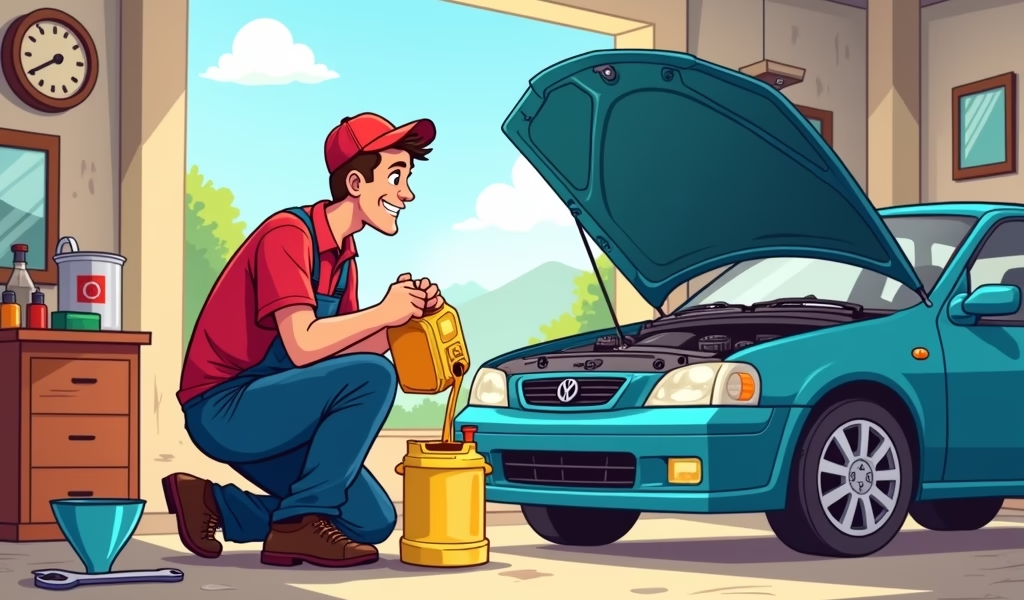
Add the correct type and grade of oil until the level reaches the “full” mark on your dipstick. Do this incrementally, checking the level after adding each quart. Overfilling can cause a different set of problems.
After topping off, run the engine for a few minutes, then shut it off and recheck the level. This ensures oil has circulated through the system.
For Degraded or Wrong Oil
Perform a complete oil and filter change using the manufacturer-recommended oil viscosity. For most modern vehicles, this is typically a 5W-20, 5W-30, or 0W-20 oil, but always verify in your owner’s manual.
Consider switching to synthetic oil if you frequently drive in extreme conditions or have an older, high-mileage engine. Studies show synthetic oils maintain viscosity better under stress.
After changing the oil, run the engine for several minutes, checking for leaks and monitoring pressure.
For Clogged Oil Passages
If sludge buildup is suspected, consider an engine flush. You can use commercial engine flush products following the directions on the package.
After flushing, perform a complete oil and filter change to remove any dislodged deposits. You might need to repeat this process if the first attempt doesn’t resolve pressure issues.
For Oil Pump Issues
Replacing an oil pump requires substantial disassembly—typically removing the oil pan and front cover. This job ranges from moderately difficult to extremely challenging depending on your vehicle.
Always replace the pickup tube screen when installing a new pump, as debris can collect here and restrict oil flow. Use high-quality gaskets and sealants to prevent future leaks.
For Worn Engine Bearings
This is the most severe scenario, often requiring engine rebuilding. If bearing wear is causing your pressure issues, you’ll likely need professional help.
As a temporary measure, you might extend bearing life by switching to a slightly heavier oil (like going from 5W-30 to 10W-30), but this only buys time for a proper repair.
For Relief Valve Problems
The relief valve is usually integrated into the oil pump assembly on most engines. Replacing the entire pump is typically easier than trying to service just the valve.
If the valve is accessible separately, clean it thoroughly using carburetor cleaner and compressed air, ensuring it moves freely before reinstallation.
For Sensor/Gauge Issues
If your mechanical test confirmed normal pressure but your dashboard still shows warnings, replace the oil pressure sensor. These typically cost $15-50 and are usually straightforward to replace with basic tools.
After replacement, clear any stored trouble codes using a code reader to ensure the warning light doesn’t return.
DIY vs. Professional Repairs: Making the Right Choice
As someone who’s helped countless DIYers, I can tell you that some oil pressure fixes are perfectly suited for home mechanics while others definitely aren’t. Here’s a breakdown:
DIY-Friendly Repairs
Checking and adding oil, complete oil and filter changes, and replacing oil pressure sensors are well within most people’s capabilities. These require basic tools like wrenches, drain pans, and perhaps jack stands.
If you’re reasonably comfortable working on cars and have a service manual, you might also tackle simpler oil leaks like valve cover gaskets or drain plug repairs.
Always follow proper safety procedures, including secure vehicle support, and never work under a car supported only by a jack. Common engine faults can often be diagnosed before requiring major work.
Professional-Level Repairs
Oil pump replacement, internal engine work, and major leak repairs typically require professional intervention. These jobs need specialized tools, extensive experience, and sometimes dealer-level diagnostic equipment.
If your diagnosis points to worn bearings or significant internal problems, seeking professional help is the wisest course. The cost of proper repairs is always less than the cost of a new engine.
When choosing a shop, look for ASE-certified technicians with experience on your specific make of vehicle. Request detailed explanations of the proposed repairs and always get a written estimate before work begins.
Prevention: Keeping Oil Pressure Problems Away
In my two decades turning wrenches, I’ve noticed one thing: engines with regular maintenance rarely develop catastrophic oil pressure problems. Extending car engine life comes down to these simple practices:
Follow Proper Oil Change Intervals
Modern cars with synthetic oil can safely go 5,000-10,000 miles between changes (check your owner’s manual). Older vehicles or those running conventional oil benefit from more frequent changes—typically every 3,000-5,000 miles.
If you regularly drive in severe conditions (extreme temperatures, dusty environments, lots of short trips), consider more frequent changes than the maximum interval.
Use Quality Filters and Oil
The few extra dollars spent on name-brand filters and good quality oil pay enormous dividends in engine longevity. Cheap filters can collapse internally or bypass prematurely.
Always use oil that meets or exceeds your manufacturer’s specifications. Look for API certification marks and the correct viscosity grade.
Check Oil Levels Regularly
Make it a habit to check your oil level every other fuel fill-up. This simple two-minute procedure can catch dropping levels before they become critical.
If you notice your engine consuming oil between changes, increase checking frequency and investigate the cause. Some consumption is normal in older engines, but sudden increases indicate developing problems.
Address Minor Leaks Promptly
Small leaks rarely stay small. When you spot oil seepage or drips, plan to address them soon rather than simply topping off the oil.
Common leak points like valve cover gaskets and oil pan seals are relatively inexpensive to fix before they become major problems.
Warm Up Your Engine Properly
Allow your engine to warm up for 30-60 seconds before driving, especially in cold weather. This gives oil time to circulate before you place demands on the engine.
Avoid high RPMs until your engine reaches normal operating temperature, as cold oil doesn’t flow or protect as well as warm oil.
Conclusion
Low oil pressure isn’t just another dashboard light to ignore—it’s an urgent call to action. Throughout my career, I’ve seen the devastating consequences of neglected oil systems, from minor leaks that escalated to complete engine failures.
The good news? Most oil pressure issues can be resolved before they cause permanent damage if you catch them early. Regular maintenance, prompt attention to warning signs, and proper diagnostic steps are your best defense against costly repairs.
Whether you’re comfortable doing the work yourself or prefer to leave it to professionals, understanding the basics of how oil pressure works and what causes problems empowers you to make smarter decisions about your vehicle’s care.
Remember, your engine’s oil system is its lifeblood. Treat it with the same care and attention you’d give your own circulatory system, and your car will reward you with years of reliable service.
Frequently Asked Questions
How long can I drive with low oil pressure?
You shouldn’t drive at all with an oil pressure warning light on. Pull over safely as soon as possible and shut off the engine to prevent catastrophic damage.
Will adding more oil fix low oil pressure?
It will only help if low oil level is causing the problem. If the issue stems from a failing pump, worn bearings, or clogged passages, simply adding oil won’t resolve the pressure problem.
Can a clogged oil filter cause low oil pressure?
Yes, a severely clogged filter restricts oil flow and reduces system pressure. Most modern filters have bypass valves, but these allow unfiltered oil into your engine which can cause additional problems.
Does synthetic oil help with oil pressure?
Synthetic oil maintains better viscosity under extreme conditions, which can help maintain proper pressure. However, it won’t fix mechanical issues like worn bearings or a failing oil pump.
How much does it cost to fix low oil pressure?
Costs range from $50 for an oil change to $1,500+ for an oil pump replacement or several thousand for internal engine repairs. The final price depends on the underlying cause and your specific vehicle.