
Overview
Just like your body needs water to prevent overheating during exercise, your car’s engine relies on properly maintained coolant levels to avoid potentially catastrophic damage. This detailed guide walks through everything from recognizing warning signs of coolant issues and safely checking levels to identifying leaks, performing maintenance, and knowing when to call a professional—potentially saving you thousands in avoidable repair costs.
Table of Contents
- The Hidden Danger in Your Engine
- What is Coolant and Why is it Critical?
- Warning Signs of Low Coolant Levels
- Common Causes of Low Coolant
- Checking Your Coolant Level: Step-by-Step Guide
- How to Add Coolant Safely
- Finding and Fixing Coolant Leaks
- Preventative Maintenance to Avoid Low Coolant Issues
- Coolant Service Costs: DIY vs. Professional
- Common Mistakes When Dealing with Coolant Issues
- When to Seek Professional Help
- Conclusion
- Frequently Asked Questions
The Hidden Danger in Your Engine
Picture this: you’re cruising down the highway with your family, excited for a weekend getaway, when suddenly your temperature gauge spikes into the red zone. Within minutes, steam billows from under your hood, and your engine shuts down completely. You’re stranded in sweltering heat, watching your vacation plans evaporate like the coolant that’s been silently leaking from your engine for weeks.
This scenario isn’t just a hypothetical—it happens to thousands of drivers every day. Your cooling system works tirelessly behind the scenes, preventing your engine from self-destructing due to excessive heat. Yet most of us hardly give it a second thought until we’re facing an expensive repair bill or calling for a tow truck.
In this guide, I’ll walk you through everything you need to know about how to fix low coolant issues and prevent those dreaded breakdowns. You’ll learn how to spot the warning signs, properly check and add coolant, identify leaks, and develop a maintenance routine that could save you thousands in repair costs. By the time you finish reading, you’ll have the confidence to tackle basic cooling system maintenance and the wisdom to know when to call in the pros.
What is Coolant and Why is it Critical?
Engine coolant (or antifreeze) isn’t just colored water—it’s a specialized fluid designed to regulate your engine’s temperature in all conditions. Unlike water alone, coolant contains ethylene glycol or propylene glycol that prevents freezing in winter and raises the boiling point in summer. It also contains additives that fight corrosion and lubricate components like your water pump.
Your engine generates tremendous heat during normal operation—typically running between 195-220°F. Without proper cooling, these temperatures would quickly climb above 300°F, causing metal components to warp, gaskets to fail, and eventually leading to catastrophic engine failure. Think of coolant as your engine’s lifeline—it absorbs heat as it flows through the engine block and carries it to the radiator where it dissipates into the atmosphere.
The cooling system operates as a continuous circuit: your water pump pushes coolant through the engine where it absorbs heat, then through the radiator where it releases that heat to the outside air. The thermostat acts like a temperature-controlled gate, ensuring your engine warms up quickly but never gets too hot. When everything works in harmony, this system keeps your engine in the perfect temperature range for efficiency and longevity.
Driving with low coolant is like running a marathon in the desert without water—it might work briefly, but the consequences can be severe. Without sufficient coolant, your engine can overheat within minutes, potentially causing:
- Warped cylinder heads ($1,500+ repair)
- Blown head gaskets ($1,200-$2,000 repair)
- Cracked engine blocks (often requiring complete engine replacement)
- Damaged water pumps, radiators, and heater cores
According to the National Highway Traffic Safety Administration, cooling system failures are among the leading causes of vehicle breakdowns on highways. Your cooling system isn’t just another maintenance item—it’s critical protection for your vehicle’s most expensive component.
Warning Signs of Low Coolant Levels
The good news is that your vehicle will typically give you several warning signs before a coolant-related breakdown occurs. Learning to recognize these signals can save you from extensive damage and costly repairs:
Temperature Gauge Rising
Your dashboard temperature gauge should normally sit at or near the midpoint when your engine reaches operating temperature. If you notice it creeping toward the upper range (or worse, into the red zone), you might be running low on coolant. Pay special attention during longer drives or hot weather—that’s when cooling issues typically become apparent.
Sweet Smell From The Engine
Coolant has a distinctively sweet, syrupy odor. If you detect this smell, particularly after parking, you likely have a coolant leak. Modern coolants often include a bitter agent to deter animals and children from drinking it, but the underlying sweet smell remains detectable to most noses.
Colorful Puddles Under Your Vehicle
Coolant comes in various colors—green, orange, pink, blue, or yellow depending on the type and brand. Any puddles of brightly colored liquid under your car warrant immediate investigation. Unlike oil leaks (which are dark) or AC condensation (which is clear), coolant leaks are colorful and often leave a slick residue.
Heater Not Working Properly
Your car’s heating system uses hot coolant passing through the heater core to warm the cabin. When coolant is low, you might notice reduced heat output or fluctuating temperatures from your vents. If your heater blows cold air when the engine is warm, it’s a telltale sign of cooling system issues.
Engine Overheating
This is the most serious and obvious sign—if your temperature gauge enters the red zone or you see steam coming from under the hood, pull over immediately and shut off the engine. Continuing to drive can cause permanent engine damage within minutes. Let the engine cool completely before attempting to check the coolant level or open the hood.
Warning Light Illumination
Many modern vehicles have a specific warning light for low coolant levels. This light typically resembles a thermometer or coolant reservoir. Never ignore this warning—it’s designed to alert you before damage occurs, giving you a chance to address the issue before it becomes critical.
These warnings typically appear in roughly this order, with plenty of time to address the issue before catastrophic overheating occurs—if you’re paying attention. Regular under-hood checks can catch coolant issues before any warning signs appear, which is why I recommend checking all essential fluids, including coolant, at least monthly.
Common Causes of Low Coolant
Understanding why your coolant level is dropping is crucial for proper repair. Here are the most common culprits I encounter in my shop:
External Leaks
External leaks are the most common cause of coolant loss and (thankfully) the most straightforward to diagnose. These typically occur at:
- Radiator seams or damaged fins (often from road debris)
- Deteriorated rubber hoses or loose hose clamps
- Water pump seal failures
- Heater core connections
- Freeze plug corrosion
With external leaks, you’ll typically see puddles under your vehicle or dried coolant residue (which appears crusty and often discolored) around the leak point. A thorough visual inspection can usually identify the source.
Internal Leaks
Internal leaks are more concerning and harder to detect. These occur when coolant escapes into places inside the engine where it shouldn’t be, such as:
- Failed head gaskets allowing coolant into combustion chambers or oil passages
- Cracked cylinder heads or engine blocks (often from previous overheating)
- Damaged intake manifold gaskets
- Leaking transmission coolers (allowing coolant to mix with transmission fluid)
Signs of internal leaks include milky-colored oil, white exhaust smoke with a sweet smell, or coolant loss without visible external leaking. These issues typically require professional diagnosis and repair.
Faulty Radiator Caps
A failing radiator cap is an often overlooked culprit. The cap maintains proper pressure in the cooling system, which raises the coolant’s boiling point. A failing cap can’t maintain this pressure, causing coolant to boil off and escape through the overflow. Radiator caps are inexpensive and easy to replace, making them a good first step in addressing mysterious coolant loss.
Natural Evaporation
Your system might lose about 0.25″ in the reservoir over 3-4 months due to natural evaporation, which is generally normal. However, significant level drops in short timeframes indicate a problem that needs attention. If you’re topping off coolant more than once between oil changes, you have a leak that needs addressing.
Checking Your Coolant Level: Step-by-Step Guide
Before checking your coolant, safety must be your priority. Always check coolant when the engine is cool—ideally after sitting for at least two hours. Never remove a radiator cap on a hot or warm engine as the pressurized system can release scalding coolant causing severe burns. Park on level ground for accurate readings, and consider wearing gloves to protect your skin from coolant, which can be irritating and toxic.
Locating the Coolant Reservoir
Most modern vehicles use a translucent plastic overflow reservoir rather than requiring you to open the radiator directly. This reservoir is typically on the side of the engine bay, marked with “COOLANT” or an engine/radiator symbol. It will have “MIN” and “MAX” (or “FULL” and “LOW”) markings clearly visible on the side.
In older vehicles without a reservoir, you’ll need to carefully check the radiator itself once the engine is completely cool. This is less common in vehicles manufactured after the mid-1990s.
Reading Coolant Levels Correctly
- With the engine cold, the coolant should be at or slightly above the “MIN” or “COLD” mark on the reservoir.
- When the engine reaches operating temperature, the level may rise to near the “MAX” or “HOT” mark due to thermal expansion.
- If the level is below the minimum mark when cold, you need to add coolant.
- Check not just the level but also the condition—coolant should be translucent, not cloudy, rusty, or contaminated with oil.
Identifying the Right Coolant Type
Using the correct coolant is crucial, as mixing incompatible types can cause gelling, corrosion, or reduced performance. Check your owner’s manual for the specific type recommended for your vehicle. Common types include:
- IAT (green)—traditional ethylene glycol for older vehicles
- OAT (orange, red, or pink)—extended life formula common in GM vehicles
- HOAT (yellow or orange)—hybrid organic acid technology used in many Ford and Chrysler vehicles
- P-HOAT (pink or purple)—phosphate hybrid organic acid technology common in Asian vehicles
When in doubt, stick with the manufacturer’s recommendation or use a universal coolant compatible with all systems. The Car Care Council emphasizes that using the wrong coolant can lead to accelerated corrosion and reduced cooling system efficiency.
Checking Frequency Recommendations
- Visual inspection of the reservoir level: monthly
- Comprehensive cooling system inspection: with every oil change
- Coolant condition check: twice yearly (spring and fall)
- Pressure testing the system: annually or when leaks are suspected
How to Add Coolant Safely
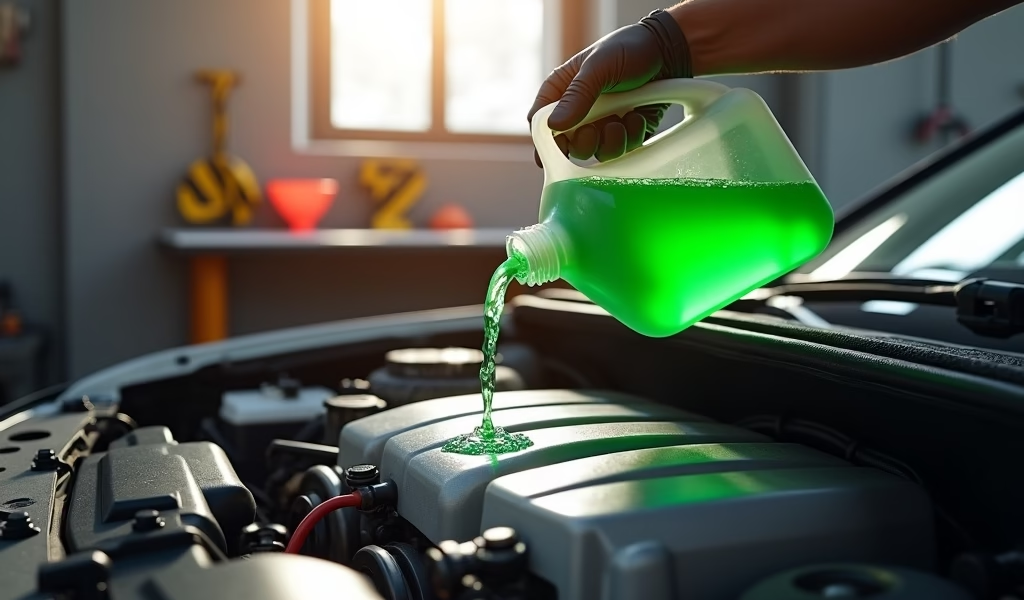
When your coolant is low, adding more is a relatively simple task that requires minimal tools and materials. Here’s how to do it properly:
Materials Needed
- Correct type of coolant for your vehicle
- Distilled water (if mixing your own 50/50 solution)
- Funnel
- Clean rags or paper towels
- Gloves
- Safety glasses
Step-by-Step Procedure
- Ensure the engine is completely cool—wait at least 2 hours after operation.
- Place a drip pan under your work area to catch any spills.
- Locate the coolant reservoir and check current level.
- Clean the area around the cap to prevent contamination.
- Slowly remove the reservoir cap by turning counterclockwise.
- If using pre-mixed coolant, simply pour it slowly into the reservoir until it reaches the “FULL” or “MAX” line.
- If using concentrated coolant, pre-mix it 50/50 with distilled water before adding (unless your climate requires a different ratio).
- Replace the cap securely.
- Start the engine and let it reach operating temperature to allow the coolant to circulate.
- After the engine cools again, recheck the level and top off if necessary.
Proper Mixing Ratios
The standard mix is 50% coolant and 50% distilled water, which provides protection from -34°F to +265°F. In extremely cold climates, you can increase to 60% coolant (never exceed 70%), and in warm climates where freezing isn’t a concern, you can use a 40% coolant mixture. However, always check your owner’s manual for specific recommendations for your vehicle.
Avoiding Air Pockets
Air trapped in the cooling system can prevent proper circulation and cause localized overheating. To prevent this:
- Add coolant slowly to avoid creating bubbles.
- With the engine running and warm (not hot), squeeze the upper radiator hose occasionally to help work air through the system.
- For thorough bleeding, many vehicles have bleeder valves at high points in the system—consult your owner’s manual for locations.
Understanding how your car’s cooling system works can make this process much clearer and help you avoid common pitfalls when adding coolant.
Finding and Fixing Coolant Leaks
Addressing the source of coolant loss is essential—simply adding more coolant without fixing leaks is like putting a band-aid on a broken arm. Here’s how to find and address those pesky leaks:
Visual Inspection Techniques
- With the engine cool, check all visible hoses, connections, and components of the cooling system.
- Look for wet spots, dried coolant residue (appears as crusty, colored deposits), or corroded areas.
- Pay special attention to hose connections, the radiator (especially seams and fins), water pump, heater core connections, and freeze plugs.
- Use a flashlight to inspect under and behind components where leaks might be less visible.
- Check the passenger floorboard for dampness, which could indicate a heater core leak.
Using Pressure Testers
A cooling system pressure tester (available at auto parts stores for rental or purchase) allows you to pressurize the system while cold:
- With the engine cool, remove the radiator cap.
- Attach the appropriate adapter to your radiator or reservoir.
- Pump the system to the pressure specified on your radiator cap (typically 12-16 psi).
- Observe if the pressure holds—a drop indicates a leak.
- Look for where coolant emerges to identify the leak point.
Common Leak Points
- Radiator seams and connection points
- Upper and lower radiator hoses, especially near the clamps
- Water pump seal (often indicated by a small weep hole drip)
- Heater hoses where they connect to the firewall
- Plastic overflow tank cracks
- Freeze plugs on the engine block
- Intake manifold gaskets
Temporary vs. Permanent Fixes
For emergency situations, temporary products like cooling system stop-leak additives can buy you time to reach a repair facility. These products contain particles that swell when exposed to air and heat, plugging small leaks. However, they’re not long-term solutions and can potentially clog smaller passages in your cooling system.
Proper permanent repairs involve replacing the leaking component, which might include:
- Replacing hoses and clamps
- Radiator repair or replacement
- Water pump replacement
- Gasket replacement
- Heater core repair
When a Leak Indicates a More Serious Problem
Certain leak locations should raise immediate concerns:
- Coolant in engine oil (milky appearance) suggests a head gasket failure or cracked block
- Bubbles in the coolant when running suggests combustion gases entering the cooling system
- Coolant leaking from the exhaust manifold area indicates a likely head gasket failure
- White, sweet-smelling exhaust smoke indicates coolant burning in the combustion chambers
These symptoms require immediate professional attention as they typically indicate significant internal engine damage.
Preventative Maintenance to Avoid Low Coolant Issues
A proactive maintenance approach can prevent most coolant-related problems before they start. Here’s my recommended regimen:
Recommended Coolant Change Intervals
- Traditional green coolant (IAT): Every 2 years or 30,000 miles
- Extended-life coolants (OAT/HOAT): Every 5 years or 100,000 miles
However, always defer to your vehicle manufacturer’s specific recommendations. Some modern vehicles with specially formulated coolants may have even longer intervals.
Seasonal Maintenance Considerations
- Spring: Check for leaks that may have developed during winter freeze/thaw cycles
- Fall: Ensure proper antifreeze concentration before winter temperatures arrive
- Summer: Monitor coolant levels more frequently during extreme heat
- Winter: Test antifreeze protection level with a coolant hydrometer
System Flushes
A proper coolant flush (not just a drain and refill) removes built-up contaminants and scale:
- Drain the old coolant (properly dispose of it at a recycling center)
- Flush the system with cleaning solution designed for cooling systems
- Rinse thoroughly with distilled water
- Refill with the correct type and mixture of coolant
- Bleed the system of air
Related Component Inspection
During coolant service, always check:
- All hoses for cracks, softness, or hardening (replace if they feel mushy or excessively firm)
- Hose clamps for corrosion or looseness
- Radiator fins for damage or blockage (gently clean with low-pressure water)
- Cooling fan operation
- Thermostat function
- Water pump for leaks or noise
- Radiator cap rubber seal integrity
Coolant Service Costs: DIY vs. Professional
Understanding potential costs helps you make informed decisions about cooling system maintenance. Let’s break down what you’re looking at:
Professional Service Average Costs
- Basic coolant flush: $100-$150
- Radiator replacement: $300-$1,200 depending on vehicle
- Water pump replacement: $300-$750
- Hose replacement: $150-$250 for parts and labor
- Heater core replacement: $500-$1,000 (high labor cost due to dashboard removal)
- Head gasket repair: $1,500-$2,000+
DIY Coolant Change Cost Breakdown
- Coolant: $15-$50 (depending on type and quality)
- Flush chemical (optional): $10-$15
- Funnel: $2-$5
- Drain pan: $10-$15
- Distilled water: $1-$3 per gallon
Tools Investment for DIY Maintenance
- Basic tool set: $50-$100 (if you don’t already own one)
- Coolant hydrometer: $5-$15
- Pressure tester: $50-$150 (consider renting instead)
- Spill cleanup materials: $10-$20
Prevention vs. Major Repair Cost Comparison
- Annual DIY coolant maintenance: ~$50
- Professional coolant service every 2 years: ~$250
- Cost of major cooling system failure: $1,500-$4,000+
- Complete engine replacement due to overheating: $3,000-$10,000+
The math makes the case for prevention clear—regular maintenance costs pennies on the dollar compared to major repairs. An ounce of prevention is worth a pound of cure, especially when it comes to your cooling system.
Common Mistakes When Dealing with Coolant Issues
In my years working as a mechanic, I’ve seen the same errors turn minor coolant issues into major problems. Avoid these common pitfalls:
Mixing Incompatible Coolant Types
Different coolant formulations use different corrosion inhibitor packages that can neutralize each other or form damaging compounds when mixed. If you’re unsure of the current coolant type, flush the system completely before adding a different type, or use a universal coolant specifically designed to be compatible with all types.
Ignoring Small Leaks
A few drops of coolant under your car might seem insignificant, but small leaks inevitably become larger ones. Even slow leaks can eventually lead to dangerous coolant levels if ignored for months. Address any leak promptly, regardless of size.
Adding Water Only
While topping off with water in an emergency situation is better than driving with low coolant, it dilutes the antifreeze concentration and corrosion inhibitors. Always restore proper concentration by adding the correct coolant mixture as soon as possible after an emergency water top-off.
Skipping the System Bleeding Procedure
Air pockets in the cooling system can cause localized overheating even when coolant levels are adequate. Many cooling system problems follow a service where air wasn’t properly purged from the system. Take the time to bleed the system properly after any coolant service.
Using Incorrect Tools
Over-tightening plastic components or using pliers instead of the correct size wrench on drain plugs can cause damage and new leaks. Always use appropriate tools and torque specifications. This is especially important with modern plastic radiators and reservoirs that can crack easily if overtightened.
When to Seek Professional Help
While many coolant-related tasks are DIY-friendly, certain situations warrant professional attention. Knowing when to call in the experts can save you time, money, and headaches:
Symptoms Requiring Immediate Professional Help
- White exhaust smoke with sweet smell
- Oil that looks milky or coolant with an oily sheen
- Engine overheating despite proper coolant levels
- Bubbling in the radiator or reservoir
- Repeated coolant loss with no visible external leaks
- Sudden temperature fluctuations while driving
- Check engine light combined with overheating
These symptoms typically indicate internal engine issues like head gasket failure or cracked cylinder heads that require specialized tools and expertise to diagnose and repair.
When DIY Becomes Difficult
Even if you’re handy with tools, certain cooling system repairs can be challenging without specialized equipment:
- Water pump replacement on vehicles with timing belt-driven pumps
- Heater core replacement (typically requires dashboard removal)
- Diagnostics requiring specialized testing equipment
- Radiator replacement on vehicles with integrated transmission coolers
- Any repair requiring special bleeding procedures
According to a Bureau of Labor Statistics report, modern vehicles are becoming increasingly complex, requiring more specialized knowledge and tools even for seemingly basic repairs. When in doubt, consulting with a professional can save you from making costly mistakes.
Conclusion
Maintaining proper coolant levels isn’t just another item on your maintenance checklist—it’s essential protection for one of your vehicle’s most expensive components. By understanding how to check and fix low coolant issues, you’re taking a proactive step toward preventing those dreaded roadside breakdowns and potentially saving thousands in repair costs.
Remember the key points we’ve covered: check your coolant levels monthly, learn to recognize the warning signs of cooling system problems, use the correct type of coolant for your vehicle, address leaks promptly rather than just topping off fluid, and know when a problem exceeds your DIY comfort zone.
With regular attention and these simple maintenance procedures, your cooling system can provide reliable service for the life of your vehicle. That small investment of time checking fluids and performing basic maintenance pays enormous dividends in vehicle reliability and longevity.
The next time you pop your hood, take a moment to check that coolant level. Your engine—and your wallet—will thank you.
Frequently Asked Questions
How often should I check my car’s coolant level?
You should check your coolant level at least monthly and before any long road trips. It only takes a minute and can help catch potential issues before they cause damage.
Can I just add water if I’m low on coolant?
In an absolute emergency, adding water is better than driving with low coolant, but it’s only a temporary solution. Replace with proper coolant mix as soon as possible to maintain freeze/boil protection and corrosion inhibition.
Why does my car keep losing coolant but no leak is visible?
Internal leaks can cause coolant loss without visible external signs. This often indicates a failed head gasket, cracked cylinder head, or intake manifold gasket that requires professional diagnosis.
Is it normal for coolant level to drop slightly over time?
A very minor drop (about 0.25″ in the reservoir over 3-4 months) can be normal due to evaporation. Anything more significant indicates a leak that should be addressed.
Can I mix different colors of coolant?
Generally, it’s best to avoid mixing coolant types as they have different chemical formulations. If you must top off with a different type in an emergency, perform a complete flush and refill with the correct type as soon as possible.