
Overview
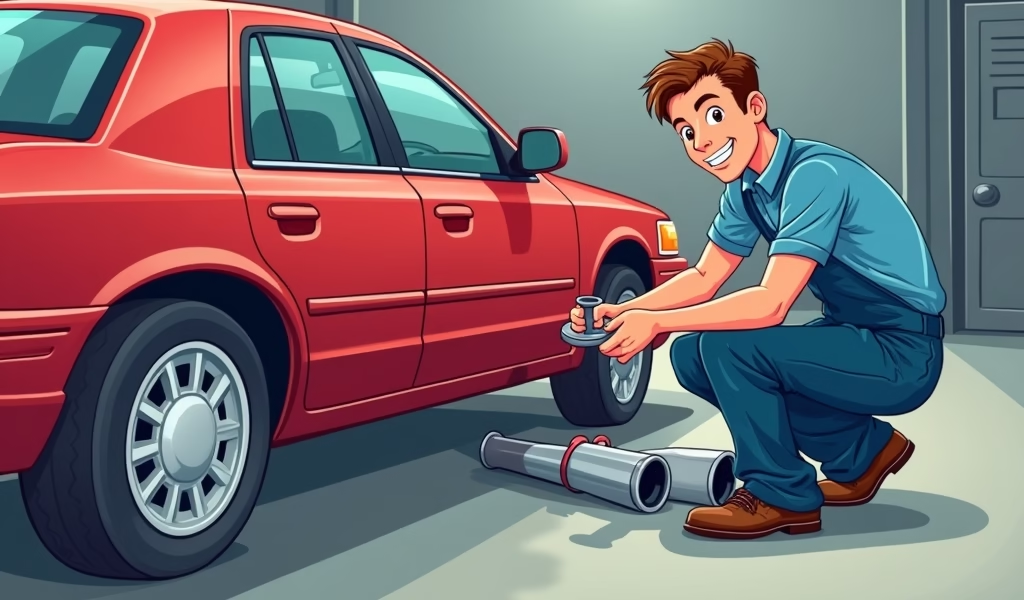
That rattling noise under your car isn’t just annoying—it’s your exhaust system crying out for attention, but with some basic tools and this step-by-step guide, you can save hundreds by fixing it yourself instead of visiting a mechanic. From identifying common symptoms like unusual noises and decreased fuel efficiency to implementing effective repairs through hanger replacement, clamp tightening, and occasional welding, this practical guide walks you through diagnosing and fixing loose exhaust components safely and affordably.
Table of Contents
- Understanding Loose Exhaust Problems
- Signs and Symptoms of a Loose Exhaust
- Safety First: Precautions Before Starting Repairs
- Essential Tools and Materials You’ll Need
- Diagnostic Steps: Locating the Exact Problem
- Methods to Fix a Loose Exhaust
- How to Replace Exhaust Hangers
- Replacing Exhaust Clamps and Gaskets
- When and How to Consider Welding
- Preventing Future Exhaust Issues
- When to Seek Professional Help
- Cost Comparison: DIY vs. Professional Repair
- Conclusion
- Frequently Asked Questions
- Why Trust This Guide
Understanding Loose Exhaust Problems
That rattling noise under your car isn’t just annoying – it could be a sign of a loose exhaust that needs immediate attention. Learning how to fix loose exhaust components can save you hundreds of dollars and prevent more serious damage down the road. I’ve seen countless drivers ignore these symptoms until they’re facing much costlier repairs, but with some basic knowledge and a few tools, you can tackle this common problem yourself.
A vehicle’s exhaust system is more complex than most people realize. It includes the manifold, catalytic converter, resonator, muffler, and a series of pipes – all held together by hangers, clamps, and gaskets. When any of these components come loose, you’ll notice unusual noises, decreased fuel efficiency, and potentially dangerous exhaust leaks. This comprehensive guide will walk you through identifying the problem, gathering the right tools, and implementing effective repairs to get your exhaust system secure again.
The beauty of exhaust repairs is that many issues can be resolved without specialized skills or expensive equipment. With proper safety precautions and a methodical approach, you can complete a repair that might cost $200-500 at a shop for just $20-50 in materials. Let’s dive into the signs you should watch for and how to address them before they become major headaches.
Signs and Symptoms of a Loose Exhaust
Catching exhaust problems early can prevent extensive damage and keep repair costs manageable. The most obvious sign is unusual noise – typically a rattling, dragging, or tapping sound that gets louder during acceleration. This noise often results from exhaust components vibrating against the vehicle’s undercarriage or against each other when connections have loosened.
You might also notice decreased fuel efficiency as exhaust gases escape before properly flowing through the system. This happens because your engine’s oxygen sensors can detect the leaks and try to compensate by adjusting the air-fuel mixture, often making your vehicle run less efficiently. If you’re making more frequent trips to the gas station lately, a loose exhaust could be the culprit.
Strong exhaust odors inside the cabin are another warning sign that should never be ignored. This symptom is particularly serious as it indicates exhaust gases – including carbon monoxide – may be entering your vehicle. If you detect exhaust smells inside your car, especially when the heating system is running, address the issue immediately for your safety.
Visual indicators include visible sagging of exhaust components when looking under your vehicle. A properly mounted exhaust system should follow the contours of your car’s underside without hanging low. You might also notice black soot marks around exhaust connections where gases are escaping. Regular vehicle maintenance checks can help catch these visual cues before they lead to more significant problems.
Safety First: Precautions Before Starting Repairs
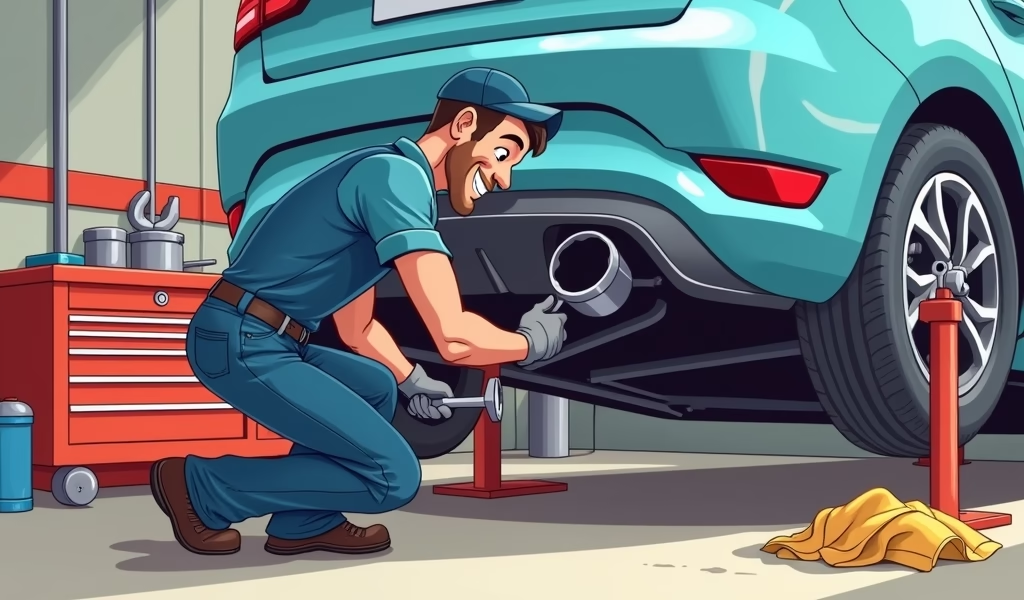
Before you slide under your vehicle to tackle exhaust repairs, safety must be your top priority. The exhaust system can reach temperatures of 1,000°F during operation, so always allow your car to cool completely – typically 1-2 hours after driving – before attempting any work. Burns from hot exhaust components are among the most common injuries during DIY repairs.
Proper vehicle support is non-negotiable. Never rely solely on a jack to hold your car; always use jack stands rated for your vehicle’s weight. Position them on solid frame points, and give the car a firm shake test before crawling underneath. For extra peace of mind, place the removed wheels under the vehicle as a backup safety measure.
Respiratory protection is essential when working with exhaust systems. Even on a cool engine, carbon deposits and rust particles can become airborne during repair work. A properly fitted N95 mask will protect your lungs from these harmful particles. Additionally, wear safety glasses to shield your eyes from debris that will inevitably fall as you work.
Work gloves are another must-have, not just for heat protection but also to prevent cuts from sharp metal edges and rust. Exhaust components often develop razor-sharp edges over time due to corrosion, making hand protection crucial. Finally, ensure you’re working in a well-ventilated area – preferably outdoors – to avoid exposure to any residual exhaust fumes or repair chemicals.
Essential Tools and Materials You’ll Need
Successful exhaust repairs depend on having the right tools and materials on hand before you start. For basic repairs, you’ll need a socket set with various sizes (both metric and standard), a set of wrenches, penetrating oil (like PB Blaster or WD-40), and a wire brush for cleaning connection points. A rubber mallet is also handy for adjusting components without causing damage.
For materials, prepare to purchase replacement exhaust hangers (rubber isolators), exhaust clamps appropriate for your vehicle’s pipe diameter, heat-resistant exhaust wrap or tape, and high-temperature exhaust sealant. These items are available at most auto parts stores for reasonable prices. If you’re replacing gaskets, bring your old ones to ensure you get the correct match.
If welding might be necessary, you’ll need access to a welder – typically a MIG welder is best for exhaust work – along with appropriate welding safety gear. However, many repairs can be completed without welding, especially when using specialized repair kits designed for exhaust systems. Some auto parts stores rent specialized exhaust tools if you’re tackling a one-time repair.
Don’t forget a mechanic’s creeper to make sliding under your vehicle more comfortable, and good lighting is absolutely essential – a rechargeable LED work light will make a world of difference when you’re trying to see details in the shadowy undercarriage. Having a spray bottle with soapy water handy helps identify leaks if you suspect them, as the solution will bubble where gases escape.
Diagnostic Steps: Locating the Exact Problem
Before making repairs, you need to pinpoint exactly where and how your exhaust has come loose. Start with a visual inspection, looking for obvious signs like hanging pipes, broken hangers, or visible gaps between components. Follow the entire exhaust system from the engine to the tailpipe, checking each connection point and support.
Use your hands (with gloves) to gently wiggle each section of the exhaust while the engine is off and cool. Excessive movement indicates loose mounting points. Pay special attention to the connection points between different exhaust sections, as these are common failure areas. Corroded bolts, damaged flanges, and worn gaskets often contribute to loose connections.
Listen carefully for the source of rattling by starting the engine briefly (preferably outdoors or in a well-ventilated area). Sometimes the noise will help locate problems that aren’t visually obvious. Have a helper rev the engine slightly while you observe (from a safe distance) to see if certain areas vibrate excessively.
Inspect all rubber hangers for signs of stretching, cracking, or complete failure. These rubber components degrade over time, especially in regions with extreme temperature variations or road salt exposure. Check exhaust clamps for proper tension and signs of rust that might prevent them from maintaining a secure grip. Thorough diagnosis saves time and prevents repeated repairs by addressing all problem areas at once.
Methods to Fix a Loose Exhaust
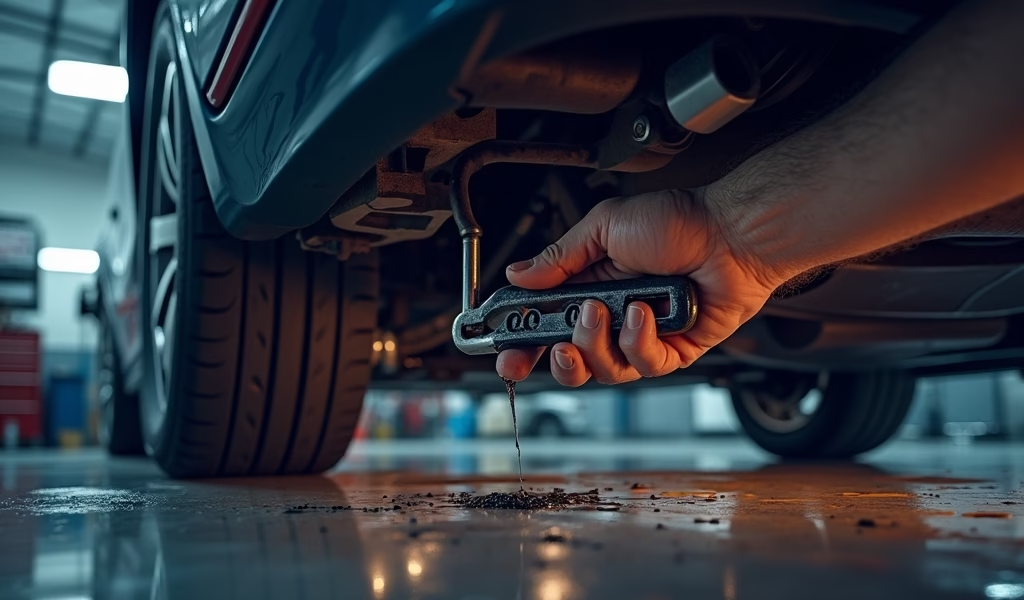
Once you’ve identified the specific issues, there are several effective methods to secure your exhaust system. The approach depends on what’s loose – hangers, clamps, or actual pipes. For most DIY repairs, replacing rubber hangers and tightening or replacing clamps will solve the problem without requiring specialized skills.
Temporary fixes can get you home in a pinch. If you’re stranded with a dragging exhaust, even items like wire coat hangers, heat-resistant zip ties, or muffler tape can provide enough support to reach a repair shop safely. However, these are strictly temporary solutions and should be replaced with proper repairs as soon as possible.
For loose connections between exhaust components, cleaning the mating surfaces and applying high-temperature exhaust sealant before reassembly can dramatically improve the seal. This step is particularly important at flanged connections where gaskets might have deteriorated. Proper maintenance of these connections prevents exhaust leaks that can trigger check engine lights and reduce performance.
If your exhaust has minor holes or small cracks, specialized exhaust repair tapes and wraps provide an effective medium-term solution. These products contain materials that harden when exposed to exhaust heat, creating a durable patch. For a more permanent fix, exhaust patch kits that include metal patches and heat-resistant epoxy can seal small holes without welding. These approaches work particularly well for holes in the muffler or minor pipe perforations from rust.
How to Replace Exhaust Hangers
Rubber exhaust hangers are often the first components to fail in an exhaust system. Fortunately, they’re also among the easiest and least expensive to replace. Start by spraying the metal portions of the old hangers with penetrating oil to make removal easier, especially if they show signs of rust or corrosion.
Most hangers slide onto metal rods or hooks on both the vehicle frame and the exhaust pipe. Using a prying tool or large screwdriver, carefully work the old rubber hanger off these mounting points. Sometimes a twisting motion while pulling helps separate the rubber from the metal. If the rubber is severely deteriorated, it might break during removal – this is normal and not a cause for concern.
When installing new hangers, a light coating of silicone spray on the inside of the rubber openings makes installation much easier. Align the new hanger with the mounting points and push firmly until it seats properly. Ensure the hanger is oriented correctly – many have a specific position to provide proper support while allowing necessary movement as the exhaust expands and contracts with temperature changes.
After installation, check that the exhaust pipe is properly aligned and doesn’t contact any parts of the vehicle’s undercarriage. The purpose of rubber hangers is not just to support the weight but also to isolate vibration from the frame. According to automotive repair experts, properly functioning exhaust hangers can significantly reduce cabin noise and prevent stress fractures in the exhaust system.
Replacing Exhaust Clamps and Gaskets
Clamps and gaskets form the critical sealing points between exhaust components. When these fail, you’ll typically notice increased noise and possibly exhaust leaks. Standard exhaust clamps include U-bolts, band clamps, and V-clamps, each designed for specific connection types. Before purchasing replacements, identify the style your vehicle uses.
To replace a clamp, first spray penetrating oil on all bolts and allow it to soak in – this significantly reduces the chance of shearing rusted bolts. Once the bolts are loosened, carefully separate the exhaust components just enough to remove the old clamp and clean the mating surfaces. A wire brush works well for removing carbon buildup and rust that might prevent a proper seal.
When installing the new clamp, apply a thin layer of high-temperature exhaust sealant to the pipe junction for an improved seal. Position the new clamp over the joint, ensuring it’s centered properly over the connection point. Tighten the clamp bolts evenly, alternating sides if there are multiple bolts to ensure even pressure. The final tightening should be to the manufacturer’s specifications if available, or until the connection is secure without over-tightening.
For flanged connections that use gaskets, always replace the gasket when reconnecting components. The old gasket will have compressed and lost its sealing properties. Position the new gasket carefully between the flanges before inserting and tightening the bolts in a crossing pattern (similar to tightening lug nuts on a wheel). This technique ensures even pressure and prevents leaks. Preventing exhaust leaks is crucial for avoiding check engine lights related to oxygen sensor readings.
When and How to Consider Welding
While many exhaust repairs can be completed with clamps and hangers, some situations call for welding. Welding becomes necessary when you have a clean break in a pipe, multiple holes too large for patching, or when clamps won’t provide sufficient structural integrity. However, welding should only be attempted if you have proper equipment and experience, or with professional guidance.
If you’re comfortable with basic welding, a MIG welder with .023″ or .030″ wire works well for exhaust repairs. Before welding, thoroughly clean the metal surfaces to remove all rust, carbon deposits, and paint within at least an inch of the weld area. Any contaminants will weaken the weld and potentially create dangerous fumes during the welding process.
For proper alignment before welding, use exhaust clamps to hold the pieces in position. This prevents misalignment due to the heat of welding, which can cause warping. Make tack welds at four points around the circumference before completing the full weld to maintain alignment. Work in short segments, allowing cooling between welds to minimize heat distortion.
If welding seems beyond your comfort level, as Popular Mechanics advises, consider professional help for this specific portion of the repair. Many muffler shops offer reasonable rates for welding services, even if you’ve completed the rest of the work yourself. Proper welding creates the strongest, most durable repair for severe exhaust damage and is often worth the investment for long-term reliability.
Preventing Future Exhaust Issues
An ounce of prevention is worth a pound of cure when it comes to exhaust system maintenance. Regular visual inspections of your exhaust system can catch problems before they lead to component failure. Make it a habit to check for signs of rust, loose hangers, and misalignment whenever you change your oil or perform other under-car maintenance.
In regions where road salt is used, frequent underbody washing during winter months dramatically extends exhaust system life. Salt accelerates corrosion, particularly at connection points and thin-walled sections of the exhaust. Consider applying a rust-inhibiting spray designed for automotive undercarriages as added protection against the elements.
Avoid driving over high obstacles that might impact your exhaust system. Even minor impacts can bend hangers or create small cracks that develop into larger problems. Be particularly cautious with speed bumps, unpaved roads, and parking blocks, as these are common culprits in exhaust damage.
Finally, address unusual noises promptly. That new rattling sound won’t fix itself, and early intervention typically means simpler, less expensive repairs. Most exhaust problems start small – a minor leak or slightly stretched hanger – but quickly progress to more serious issues if ignored. Proactive maintenance keeps your vehicle quieter, more efficient, and safer for the road.
When to Seek Professional Help
While many exhaust repairs are DIY-friendly, certain situations call for professional assistance. If you discover that your catalytic converter is damaged, seek professional help immediately. These components contain precious metals and are designed to reduce harmful emissions, making them both expensive and environmentally important. Improper repairs can lead to failed emissions tests and reduced engine performance.
Similarly, if exhaust problems extend to or from the exhaust manifold (where the system connects to the engine), professional repair is advisable. These connections often involve specialized gaskets and precise torque specifications. Incorrect repairs here can lead to exhaust leaks that damage other engine components or create dangerous conditions.
When rust damage is extensive throughout the system, a comprehensive replacement might be more cost-effective than multiple repairs. Professionals can provide guidance on whether partial or complete system replacement makes more sense for your specific situation and budget. They can also source compatible aftermarket components that might offer better durability than original equipment.
Finally, if you’ve attempted repairs but still experience symptoms, a professional diagnostic approach using specialized equipment can pinpoint less obvious issues. Exhaust shops have tools to pressure-test systems for leaks and can access hard-to-reach areas more easily with professional lifts. Sometimes investing in professional help saves money by avoiding repeated DIY attempts with unsatisfactory results.
Cost Comparison: DIY vs. Professional Repair
Understanding the potential savings of DIY exhaust repairs helps justify the time investment. For basic hanger replacements, the cost difference is substantial – typically $20-30 in parts versus $80-150 for professional installation. Rubber hangers themselves cost just $5-15 each, making them one of the most cost-effective repairs you can perform.
Clamp replacements show similar savings. A quality exhaust clamp costs $10-25 depending on size and style, while professional installation might run $75-125 including parts. For multiple clamps, the savings multiply quickly. Even accounting for tool purchases if you don’t already own them, most DIYers break even after just one or two repairs.
More substantial repairs like pipe section replacements demonstrate even greater savings. A section of exhaust pipe costs $30-100 depending on vehicle specifications, while professional replacement including labor typically ranges from $150-400. The difference becomes more pronounced with premium vehicles, where dealer service centers often charge significantly more than independent shops.
Where professionals truly add value is in complex repairs requiring specialized tools or expertise. Catalytic converter replacements, manifold repairs, and extensive welding work often justify professional fees. However, even in these scenarios, performing the simpler portions yourself and leaving only the complex work to professionals creates a middle-ground approach that balances cost savings with quality results.
Conclusion
Tackling a loose exhaust doesn’t have to be intimidating or expensive. With the right tools, safety precautions, and methodical approach, you can fix many exhaust problems yourself and save hundreds of dollars in repair costs. The satisfaction of completing the repair yourself adds an extra reward beyond the financial savings.
Remember that exhaust repairs are about more than just eliminating annoying noises – they impact your vehicle’s efficiency, safety, and environmental footprint. Properly functioning exhaust systems help your engine perform optimally while reducing harmful emissions. By learning to identify and address issues early, you’re practicing responsible vehicle ownership.
Whether you choose to handle all repairs yourself or partner with professionals for certain aspects, the knowledge you’ve gained empowers you to make informed decisions about your vehicle’s care. Keep this guide handy for future reference, and don’t hesitate to build your skills gradually, starting with simpler repairs like hanger replacements before tackling more complex issues.
Your vehicle will thank you with quieter operation, improved performance, and fewer unexpected problems down the road. And the next time you hear that telltale rattle from underneath your car, you’ll approach it with confidence rather than concern.
Frequently Asked Questions
How much does it typically cost to fix a loose exhaust?
Professional exhaust repairs typically cost $75-400 depending on the specific issue and your vehicle make. DIY repairs can cost as little as $20-50 for parts if you’re replacing hangers or clamps yourself.
Can I drive with a loose exhaust?
It’s not recommended to drive long distances with a loose exhaust as it can cause further damage or become a road hazard. Short drives to repair facilities are generally acceptable if the exhaust isn’t dragging on the ground.
How long does it take to fix a loose exhaust?
Most DIY exhaust repairs take 1-3 hours depending on complexity and your experience level. Simple hanger replacements might take just 30 minutes, while more complex pipe repairs can take longer.
Will a loose exhaust affect my car’s performance?
Yes, a loose exhaust can reduce engine performance by disrupting proper back pressure and causing exhaust leaks. You might notice decreased power, reduced fuel efficiency, and potentially trigger check engine lights.
What are the dangers of ignoring a loose exhaust?
Ignoring a loose exhaust can lead to complete exhaust system failure, dangerous carbon monoxide leaks into the cabin, and potential road hazards if parts detach while driving. The problem typically worsens over time, leading to more expensive repairs.
Why Trust This Guide
This comprehensive guide was written by the automotive experts at Knows Your Car with a combined 15+ years of mechanic experience. Our team has performed countless exhaust repairs across various vehicle makes and models, providing practical insights beyond theoretical knowledge. Every recommendation has been fact-checked for accuracy and reflects current industry best practices, ensuring you receive reliable information for your DIY repair project.