
Overview
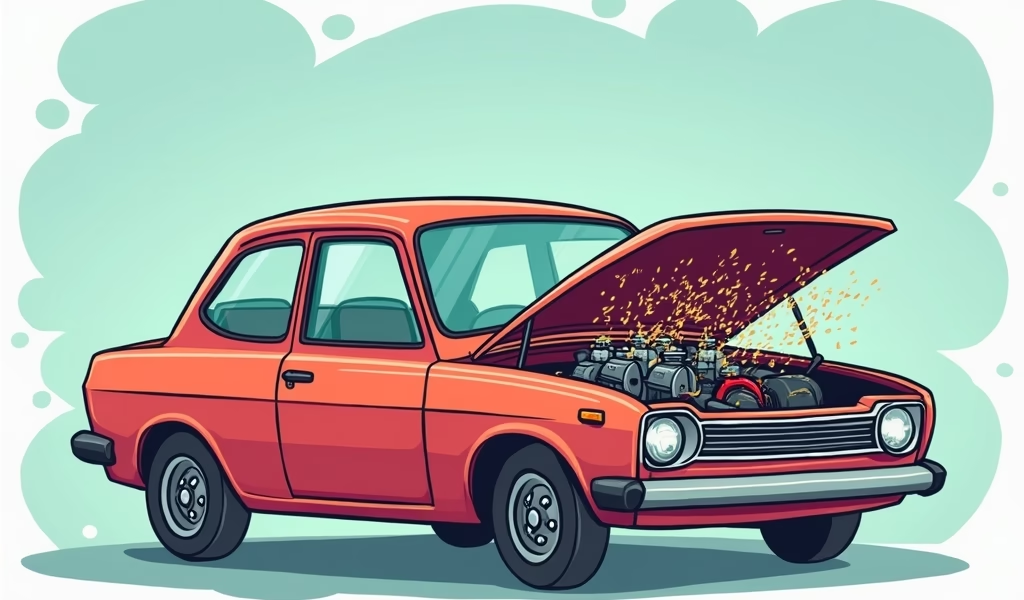
That sudden jerk or hesitation while driving could be an engine misfire—a condition where combustion fails in one or more cylinders due to issues with spark plugs, ignition coils, fuel injectors, vacuum leaks, or mechanical problems. Diagnosing misfires early through warning signs like rough idling and check engine lights can save you significant money, with fixes ranging from simple spark plug replacements ($60-300) to more complex repairs for mechanical issues ($1,000+).
Table of Contents
- Understanding Engine Misfires
- Symptoms of Engine Misfire
- Common Causes of Engine Misfire
- Diagnosing an Engine Misfire
- How to Fix Common Misfire Issues
- Preventive Maintenance
- When to Seek Professional Help
- Cost of Fixing Engine Misfires
- Conclusion
- Frequently Asked Questions
Understanding Engine Misfires
That dreaded feeling when your car suddenly jerks, hesitates, or loses power while driving is often the first sign of an engine misfire. I’ve seen countless worried faces in my shop when customers experience this issue for the first time. Let me put your mind at ease – while misfires shouldn’t be ignored, understanding them is the first step to fixing them.
At its core, an engine misfire occurs when the combustion process in one or more cylinders fails to happen properly. Your engine needs three key ingredients for proper combustion: fuel, air, and spark. When these elements don’t mix correctly or ignite at the right time, a misfire happens.
Think of your car’s engine as a team of workers. When one worker (cylinder) stops doing their job, the whole team has to compensate. This creates that characteristic jerking or stumbling sensation as the engine tries to maintain power with fewer functioning cylinders.
Engine faults like misfires range from simple fixes like replacing spark plugs to more complex issues involving fuel delivery or engine compression. The good news? With proper diagnosis, most misfire problems can be addressed before they cause serious damage to your vehicle.
Symptoms of Engine Misfire
Catching a misfire early can save you significant money and headaches. Here are the telltale signs your engine might be misfiring:
- Rough idling – your car shakes or vibrates while stopped with the engine running
- Hesitation or stumbling during acceleration
- Reduced power and sluggish performance
- Check engine light illumination (often flashing when the misfire is severe)
- Increased fuel consumption
- Strong fuel smell from the exhaust
- Popping or sneezing sounds from the engine or exhaust
One of the most reliable indicators is the check engine light. Modern vehicles have sophisticated engine management systems that can detect even subtle misfires. If your check engine light is flashing (not just steadily illuminated), this generally indicates an active, severe misfire that could damage your catalytic converter. Consider this an urgent warning to reduce power and get your vehicle checked immediately.
Your nose can also be a valuable diagnostic tool. A raw gasoline smell from the exhaust often indicates unburned fuel passing through the engine – a classic misfire symptom. Meanwhile, your ears might pick up unusual rhythmic stumbling or hesitation from the engine, especially at idle or specific RPM ranges.
Common Causes of Engine Misfire
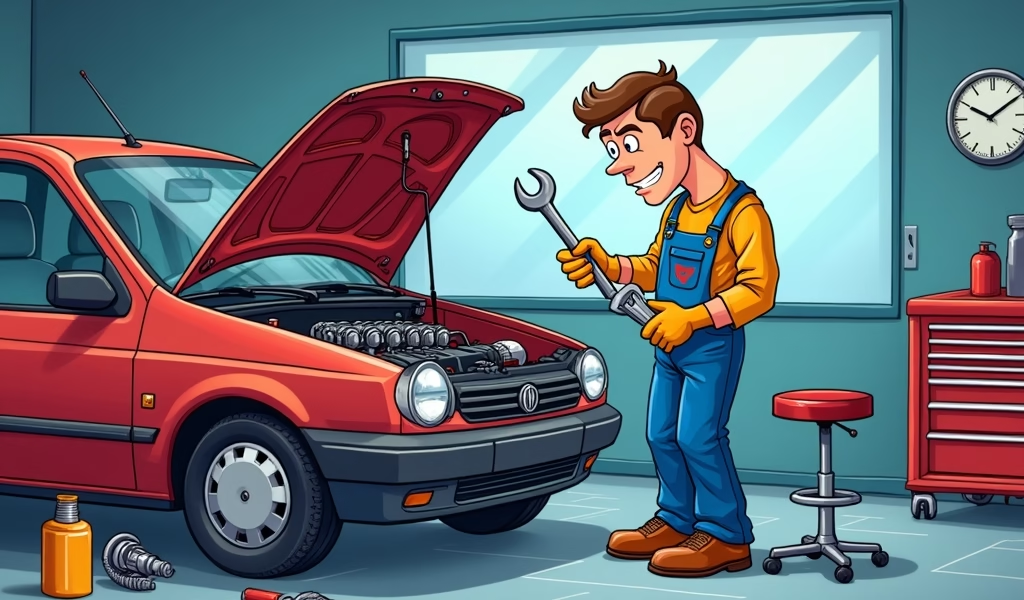
After diagnosing hundreds of misfires over my career, I’ve found these issues are typically the culprits:
Ignition System Problems
Faulty spark plugs are the most common cause of misfires. These small but mighty components create the spark that ignites the air-fuel mixture. Over time, they can become fouled with carbon deposits, develop improper gap spacing, or simply wear out. Depending on your vehicle and plug type, spark plugs typically need replacement every 30,000-100,000 miles.
Ignition coils, which transform your battery’s low voltage to the thousands of volts needed for spark plugs, are another frequent failure point. When a coil fails, the cylinder it serves will misfire consistently. Modern vehicles typically use one coil per cylinder (called COP or “coil-on-plug” systems).
Don’t overlook spark plug wires in older vehicles. These high-tension cables transfer electricity from the coils to the plugs and can develop cracks or internal breaks that allow the spark to escape before reaching the plug (you might actually see this happening at night as small flashes of light).
Fuel System Issues
Dirty or failing fuel injectors can disrupt the precise fuel delivery needed for proper combustion. Injectors develop deposits over time that alter spray patterns or restrict fuel flow. Cleaning your fuel injectors periodically can prevent many misfire conditions.
Fuel pressure problems from a weak pump or clogged filter can also cause misfires, especially under heavy acceleration when fuel demands increase. A proper fuel pressure test can quickly identify if this system is at fault.
Low-quality or contaminated fuel occasionally causes temporary misfires. I’ve seen this happen more frequently after customers fill up at unfamiliar gas stations or when water contamination occurs during rainy seasons.
Air and Vacuum Issues
Vacuum leaks allow unmetered air into the engine, disrupting the carefully calculated air-fuel ratio. Common leak points include intake manifold gaskets, vacuum hoses, and PCV systems. These leaks often cause misfires that are more noticeable at idle.
A clogged or dirty air filter restricts airflow, potentially causing a rich condition where there’s too much fuel relative to available air. While this doesn’t always cause a misfire, it can contribute to rough running and poor performance.
Mechanical Problems
Low compression in one or more cylinders can cause persistent misfires. This might result from worn piston rings, damaged valves, or even a blown head gasket. These issues typically require more extensive repairs.
Timing chain or belt issues can throw off the precise synchronization between the crankshaft and camshaft, leading to valves opening at the wrong time and causing misfires. A stretched timing chain often creates misfires that worsen as the engine warms up.
Sensor Failures
Modern engines rely on numerous sensors to maintain optimal combustion. Faulty oxygen sensors, mass airflow sensors, or coolant temperature sensors can all contribute to misfire conditions by causing the engine computer to miscalculate fuel delivery needs.
The camshaft and crankshaft position sensors are particularly critical – when these fail, the engine computer doesn’t know exactly when to trigger the spark plugs, leading to misfires or even no-start conditions.
Diagnosing an Engine Misfire
Before jumping into repairs, it’s crucial to accurately diagnose the specific cause of your misfire. Here’s a systematic approach I recommend:
Step 1: Check for Trouble Codes
Start with an OBD-II scanner to retrieve any stored trouble codes from your engine computer. Misfire codes typically fall in the P030X range, where “X” indicates the misfiring cylinder (P0301 for cylinder #1, P0302 for cylinder #2, etc.). A P0300 code indicates a random or multiple-cylinder misfire.
These codes provide an excellent starting point but remember they identify symptoms, not root causes. According to professional diagnostic guidelines, you’ll need further investigation to pinpoint the exact problem.
Step 2: Visual Inspection
Pop the hood and inspect for obvious issues:
- Check for disconnected, cracked, or damaged vacuum hoses
- Inspect electrical connections to coils and sensors for looseness or corrosion
- Look for oil leaking onto spark plug areas (suggests bad valve cover gaskets)
- Check for evidence of rodent damage to wiring (unfortunately common)
Step 3: Spark Plug Inspection
Removing and examining spark plugs can provide valuable clues. I recommend examining plugs from both the misfiring cylinder and a known good cylinder for comparison. Here’s what different spark plug conditions might indicate:
- Normal: Light tan/gray color with minimal deposits
- Carbon fouled (black, dry soot): Rich fuel mixture, poor ignition, or excessive idling
- Oil fouled (wet, black deposits): Oil entering combustion chamber from worn valve seals or rings
- Overheated (white deposits, eroded electrodes): Lean fuel mixture or incorrect plug heat range
- Physical damage: Possible internal engine problems like detonation
Step 4: Ignition System Testing
For persistent misfires with no obvious spark plug issues, test the ignition coils. A simple swap test often works well – move the coil from the misfiring cylinder to a good cylinder (and vice versa). If the misfire follows the coil, you’ve found your problem.
For vehicles with accessible spark plug wires, inspect them for cracks or carbon tracking. A damaged wire can cause a spark to jump to ground before reaching the plug.
Step 5: Fuel System Tests
If ignition components check out okay, fuel delivery issues might be the culprit. A fuel pressure test can verify the fuel pump and pressure regulator are working correctly.
Fuel injectors can be tested with specialized equipment that measures spray patterns and flow rates, though this typically requires professional equipment. Many shops can perform an injector balance test that measures each injector’s contribution to engine operation.
Step 6: Compression Test
When simpler causes have been ruled out, a compression test checks the mechanical health of your engine. This test measures each cylinder’s ability to compress air, which is essential for proper combustion. Significant differences between cylinders often indicate mechanical problems like leaking valves, worn rings, or head gasket issues.
How to Fix Common Misfire Issues
Once you’ve diagnosed the cause, here’s how to address the most common misfire culprits:
Replacing Spark Plugs
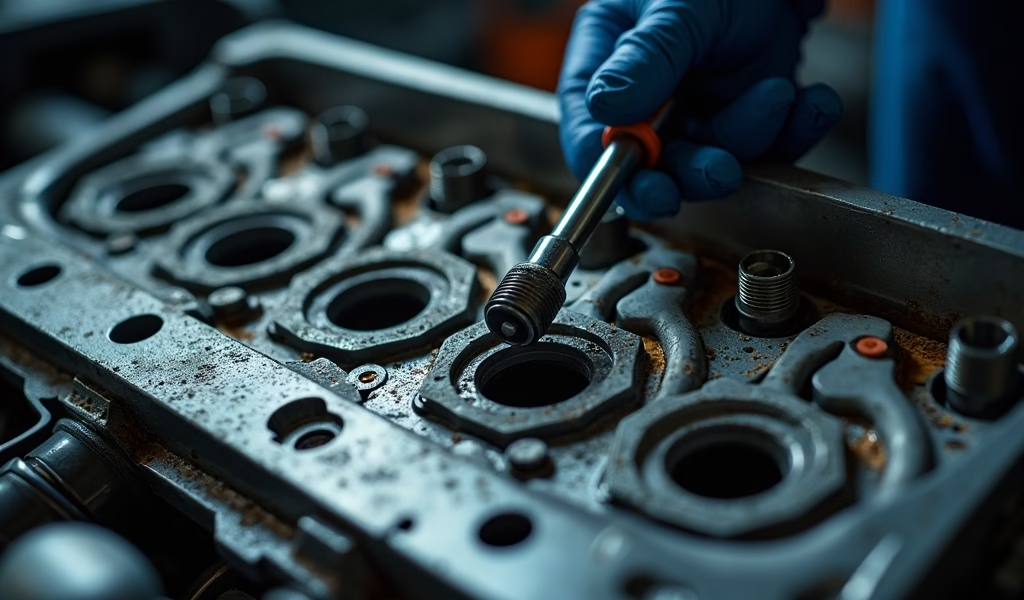
This is often the simplest and most effective fix. For most DIYers with basic tools, spark plug replacement is achievable:
- Make sure the engine is cool
- Remove the ignition coil or plug wire
- Use a spark plug socket with extension to remove old plugs
- Check and set the gap on new plugs according to manufacturer specs
- Install new plugs, tightening to specified torque (over-tightening can damage threads)
- Reinstall coils or wires
Always replace all plugs simultaneously, even if only one cylinder is misfiring. Use the manufacturer’s recommended plug type – cheaper isn’t better when it comes to spark plugs.
Replacing Ignition Coils
If your diagnosis points to a bad coil:
- Disconnect the battery’s negative terminal
- Unplug the electrical connector from the coil
- Remove any retaining bolts or clips
- Pull the coil straight up from the spark plug well
- Install the new coil, applying a small amount of dielectric grease to the rubber boot
- Reconnect the electrical connector and battery
Unlike spark plugs, you can often replace just the failing coil, though replacing them in pairs isn’t a bad practice if your vehicle has high mileage.
Cleaning Fuel Injectors
You have two options:
Pour-in cleaners are the simplest approach – add the product to your gas tank and drive normally. These work well for maintenance but may not solve severe clogging.
Professional cleaning services connect specialized equipment directly to your fuel rail and run strong solvents through the injectors. This provides a more thorough cleaning but costs more (typically $100-200).
Fixing Vacuum Leaks
Once identified (often using a smoke machine or by listening for hissing sounds), vacuum leaks can typically be fixed by:
- Replacing cracked vacuum hoses
- Tightening loose fittings
- Replacing damaged gaskets (intake manifold gaskets are common culprits)
- Repairing or replacing the PCV valve and associated components
Addressing Mechanical Issues
Low compression or timing chain problems typically require more extensive repairs:
- Head gasket replacement
- Valve adjustment or replacement
- Timing chain/belt replacement
- Piston ring replacement (usually requires engine removal)
These repairs often exceed the skill level of most home mechanics and may require specialized tools. Don’t hesitate to consult a professional for these more complex issues.
Preventive Maintenance
An ounce of prevention is worth a pound of cure, especially with engine misfires. Here’s what I recommend to my customers to prevent misfire issues:
Regular Maintenance Schedule
Follow your vehicle manufacturer’s recommended maintenance schedule for:
- Spark plug replacement
- Ignition wire replacement (if applicable)
- Air filter changes
- Fuel filter replacement
These simple, scheduled services prevent many misfire conditions before they develop.
Fuel Quality Considerations
Using quality fuel from reputable stations helps prevent injector deposits and combustion problems. Consider using a top-tier gasoline with enhanced detergent additives. Every few thousand miles, adding a quality fuel system cleaner can help maintain injector performance.
Early Warning Response
Pay attention to subtle changes in how your vehicle runs. Slight hesitations or occasional stumbles warrant investigation before they become full-blown misfires. Understanding engine warning lights helps you respond appropriately when your vehicle is trying to tell you something’s wrong.
According to Consumer Reports research, addressing minor issues promptly is one of the key factors in vehicles reaching 200,000+ miles.
When to Seek Professional Help
While many misfire causes can be addressed by DIY-minded owners, some situations call for professional assistance. Consider consulting a mechanic when:
- The misfire persists after replacing basic components
- Your diagnostic tools indicate low compression or timing issues
- The check engine light continues flashing after repairs
- You lack specialized tools needed for certain tests or repairs
- You’re uncomfortable working around fuel systems
When choosing a shop, look for ASE-certified technicians with experience in engine performance issues. Ask about their diagnostic approach – good shops will explain their process rather than just throwing parts at the problem.
Don’t be shy about requesting evidence of the problem (like showing you the fouled spark plug or failed component). This helps you understand what went wrong and potentially how to prevent it in the future.
Cost of Fixing Engine Misfires
Repair costs vary widely depending on the underlying cause. Here’s a general breakdown:
- Spark plug replacement: $60-300 (DIY: $20-80 for parts only)
- Ignition coil replacement: $150-500 (DIY: $40-200 for parts only)
- Fuel injector cleaning: $50-200
- Injector replacement: $150-600 per injector
- Vacuum leak repair: $100-500 depending on location
- Head gasket replacement: $1,000-3,000
- Timing chain replacement: $600-2,500
These ranges reflect variations in vehicle make, model, and local labor rates. European and luxury vehicles typically fall on the higher end due to parts costs and labor complexity.
The good news? Addressing misfires promptly usually means dealing with the simpler, less expensive causes. Ignoring the problem often leads to catalytic converter damage – a repair that easily costs $1,000-2,500.
Conclusion
Engine misfires might seem scary when they first happen, but now you’re equipped with the knowledge to tackle them confidently. Most misfire issues stem from relatively simple and affordable maintenance items like spark plugs and ignition coils. Regular maintenance and paying attention to how your vehicle runs can help you catch problems early before they escalate into expensive repairs.
Remember that modern engines are sophisticated systems where all components need to work in harmony. What starts as a small issue in one area can quickly affect overall performance. By understanding the symptoms, causes, and fixes for engine misfires, you’re taking an important step toward keeping your vehicle running smoothly for many miles to come.
Whether you’re a DIY enthusiast ready to replace those spark plugs yourself or someone who prefers to work with a trusted mechanic, addressing misfires promptly saves money, prevents further damage, and restores your driving confidence. Your engine (and wallet) will thank you for the attention.
Frequently Asked Questions
Can I drive my car with a misfire?
While you technically can drive with a mild misfire, it’s not recommended. Continuing to drive with a misfire can damage your catalytic converter and lead to more expensive repairs.
How much does it cost to fix an engine misfire?
Costs range from $60-300 for spark plug replacement to $1,000+ for mechanical issues like head gasket failures. Early intervention typically means lower repair costs.
Will a misfire always trigger the check engine light?
Most modern vehicles will illuminate the check engine light with a significant misfire. A flashing check engine light indicates a severe misfire that could damage the catalytic converter.
Can bad gas cause an engine misfire?
Yes, contaminated fuel can cause temporary misfires. If you suspect bad gas, add a fuel system cleaner and refill with quality fuel from a different station.
How long can you drive with a misfire?
You should address a misfire as soon as possible, ideally within 100-200 miles of first noticing symptoms. Extended driving with a misfire can cause catalytic converter failure and increased engine wear.