
Overview
Just when you think your car’s mood lighting is playing hard to get, dim interior lights often signal simple issues from aging bulbs to battery problems that you can diagnose and fix yourself. This guide walks you through a systematic troubleshooting approach—from checking all lights and testing your battery to cleaning connections and replacing bulbs—while highlighting when these seemingly minor annoyances might require professional attention.
Table of Contents
- Understanding Dim Interior Lights
- Common Causes of Dim Interior Lights
- DIY Diagnosis: Identifying the Problem
- Quick Fixes You Can Try Today
- When to Call a Professional
- Preventative Maintenance Tips
- Conclusion
- Frequently Asked Questions
Understanding Dim Interior Lights
Ever hopped into your car at night and noticed your interior lights aren’t shining as brightly as they used to? You’re not alone. Learning how to fix dim interior lights is a common concern for many drivers, and fortunately, it’s often a problem you can solve without an expensive trip to the mechanic.
Dim interior lighting isn’t just an annoyance—it’s a safety issue that can make reading maps, finding items, or even locating your seatbelt unnecessarily challenging. After 15 years as an automotive technician, I’ve seen countless drivers frustrated by this seemingly minor problem that actually impacts their daily driving experience significantly.
Interior lights function through a relatively simple electrical system that’s connected to your car’s battery and electrical network. When these lights begin to dim, it’s typically a sign of an underlying issue that needs attention. The good news? Many fixes are straightforward and won’t break the bank.
Common Causes of Dim Interior Lights
Before we dive into solutions, let’s understand what might be causing those dim cabin lights. From my experience in the garage, these are the usual suspects:
- Aging bulbs reaching the end of their lifespan
- Battery issues or low voltage
- Faulty dimmer switch settings
- Corroded connections or damaged wiring
- Problems with the alternator not charging properly
- Blown fuses or damaged circuit components
Most commonly, I find that dim interior lights stem from simple bulb fatigue. Just like household lighting, car bulbs gradually lose their brightness before failing completely. However, don’t immediately assume this is your only issue—sometimes dim lights are the first warning sign of a more serious electrical problem.
Your vehicle’s battery health plays a crucial role in lighting performance. A properly maintained car battery delivers consistent voltage to all electrical components, including your interior lighting. When the battery struggles, lights often dim noticeably, especially when the engine isn’t running.
DIY Diagnosis: Identifying the Problem
Before you start replacing parts, let’s figure out exactly what’s going on with your dim interior lights. Here’s a systematic approach I recommend to my customers:
Step 1: Check All Interior Lights
First, determine if the dimness affects all interior lights or just one area. If all lights are dim, you’re likely dealing with a system-wide issue like battery problems or alternator trouble. If only certain lights are affected, you’re probably looking at a bulb or wiring issue in that specific area.
Step 2: Test Your Battery
A weak battery is often the culprit behind dim interior lights. Start your car and see if the lights brighten significantly. If they do, your battery might not be holding a proper charge when the engine is off.
You can test your battery’s voltage using a multimeter—a healthy battery should read around 12.6 volts when the engine is off and between 13.7 and 14.7 volts when running. Testing your car battery voltage regularly can prevent many electrical issues before they start.
Step 3: Inspect the Dimmer Switch
Many drivers overlook this simple fix. Locate your interior light dimmer control (usually near the headlight switch or on the dashboard) and make sure it’s turned to the highest setting. Sometimes what appears to be a technical problem is just an accidentally adjusted setting.
Step 4: Check for Corrosion
Pop the hood and inspect your battery terminals for any white, green, or bluish corrosion. This crusty buildup creates resistance in your electrical system, potentially causing dim lights throughout your vehicle.
While you’re at it, check any accessible ground connections. Poor grounding can cause electrical components to receive insufficient power, resulting in dim operation.
Quick Fixes You Can Try Today
Now that you’ve pinpointed the potential causes, let’s tackle the solutions. Here are several effective fixes for dim interior lights, arranged from simplest to most complex:
1. Replace Aging Bulbs
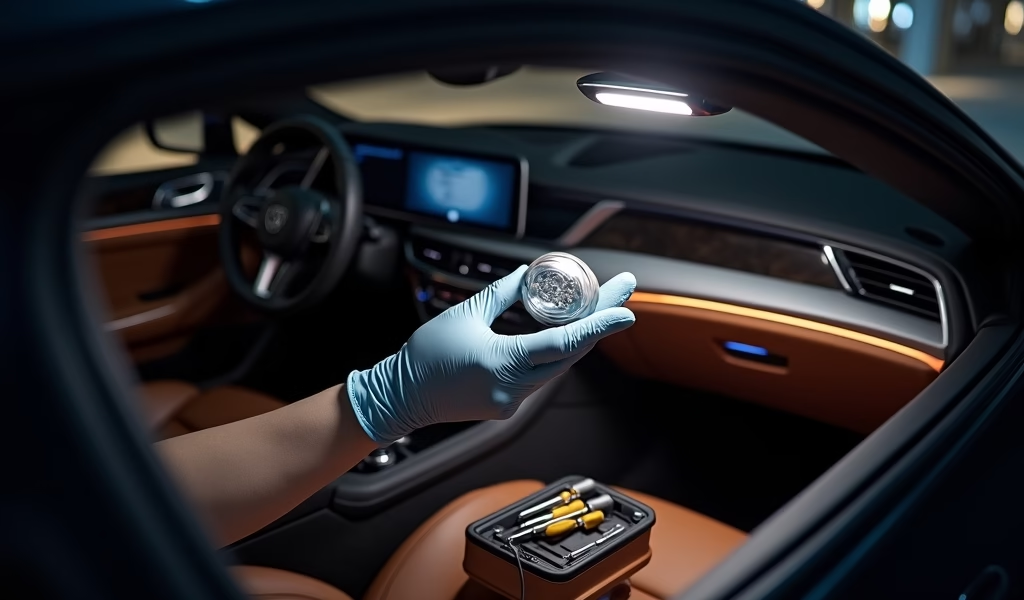
If your diagnosis suggests the bulbs themselves are the problem, replacing them is straightforward and inexpensive. Most interior lights use simple wedge-type bulbs that can be gently pulled out and replaced with new ones.
Consider upgrading to LED bulbs for a brighter, longer-lasting solution. LEDs consume less power and provide more light, making them an excellent choice for enhancing your car’s interior lighting.
2. Clean Battery Connections
If you spotted corrosion during your inspection, cleaning the battery terminals can work wonders:
- Disconnect the battery (negative terminal first)
- Make a paste with baking soda and water
- Scrub the terminals with an old toothbrush
- Rinse with a small amount of water and dry thoroughly
- Reconnect the battery (positive terminal first)
- Apply a thin layer of petroleum jelly to prevent future corrosion
This simple maintenance task often resolves not only dim lights but also other electrical gremlins in your vehicle.
3. Reset the Dimmer Setting
For vehicles with adjustable interior lighting, make sure the dimmer is set to maximum brightness. The control is typically located on the dashboard or as part of the headlight switch assembly. Some newer vehicles even have this setting buried in the infotainment system menu.
4. Check and Replace Fuses
A blown or weakened fuse can cause lighting issues. Consult your owner’s manual to locate the interior light fuse in your fuse box. With the vehicle off, use fuse pullers (or needle-nose pliers) to carefully remove the relevant fuse and inspect it for any broken metal strips inside. Replace any damaged fuses with new ones of identical amperage rating.
Remember, fuses are safety devices—if they’re blowing repeatedly, there’s an underlying electrical problem that needs professional attention.
5. Test the Charging System
If your lights brighten when you rev the engine, your alternator might not be charging the battery adequately at idle. This requires testing the charging system with a multimeter or having it checked professionally.
A properly functioning alternator is crucial for your vehicle’s electrical health. Testing your alternator output can provide valuable information about your vehicle’s electrical system condition.
When to Call a Professional
While many dim interior light issues can be fixed at home, some situations warrant professional help. Consider consulting a mechanic if:
- You’ve replaced bulbs and cleaned connections, but lights remain dim
- The dimming occurs intermittently or flickers
- Multiple electrical systems are affected simultaneously
- Your battery is new but doesn’t hold a charge
- You hear unusual noises from the alternator
Don’t ignore persistent electrical issues. What starts as dim interior lights can progress to more serious problems that affect your vehicle’s reliability and safety. A thorough maintenance check by a professional can identify potential issues before they leave you stranded.
When selecting a repair shop, look for ASE-certified technicians who specialize in electrical diagnostics. These professionals have the training and equipment to accurately diagnose complex electrical issues that might be missed during a general inspection.
Preventative Maintenance Tips
As with most car issues, prevention is better than cure. Here are some proactive steps to keep your interior lights shining brightly:
Regular Battery Maintenance
Your battery is the heart of your vehicle’s electrical system. Keep it in top shape by:
- Checking terminals for corrosion monthly
- Testing battery voltage seasonally (especially before winter)
- Keeping the battery securely mounted to prevent vibration damage
- Limiting short trips that don’t allow full battery recharging
Modern vehicles have increasingly complex electrical systems that put additional demands on your battery. Even when your car is off, various modules remain powered, slowly draining your battery.
Upgrade Your Lighting
Consider upgrading to LED interior lights before your factory bulbs start dimming. LEDs not only provide better illumination but also:
- Consume less power, reducing strain on your electrical system
- Last significantly longer than conventional bulbs
- Generate less heat, reducing the risk of damage to surrounding components
- Come in various colors to personalize your interior
Periodic Electrical System Inspection
Make electrical system checks part of your regular maintenance routine:
- Have your alternator output tested annually
- Inspect visible wiring for damage or wear
- Check ground connections for corrosion or looseness
- Listen for unusual noises when electrical accessories are in use
According to NHTSA safety guidelines, properly functioning vehicle lighting is essential for safe operation. This applies not just to exterior lights but also to interior lighting that helps you operate controls safely at night.
Conclusion
Dim interior lights may seem like a minor inconvenience, but they often signal underlying issues that deserve attention. By understanding how to fix dim interior lights through proper diagnosis and targeted repairs, you can save money on professional service calls while ensuring your vehicle remains reliable and comfortable.
Remember that most dim lighting issues stem from simple causes—aging bulbs, battery problems, or loose connections. With the systematic approach outlined in this guide, you can identify and resolve these issues quickly and effectively.
For the best results, incorporate electrical system checks into your regular maintenance routine. Prevention is always less expensive and less frustrating than waiting for components to fail completely.
Whether you’re a DIY enthusiast or prefer professional assistance, addressing dim interior lights promptly will enhance your driving experience, improve safety, and potentially prevent more serious electrical problems down the road.
Frequently Asked Questions
Why do my interior lights dim when I start the car?
This is normal behavior as your starter motor temporarily draws significant power from the battery. If the lights remain dim after starting, you may have alternator issues.
Can a bad alternator cause dim interior lights?
Yes, if your alternator isn’t generating sufficient power, all electrical components including interior lights will receive reduced voltage. Look for other symptoms like dimming headlights or dashboard warning lights.
How long do car interior light bulbs typically last?
Conventional incandescent bulbs usually last 1,000-2,000 hours of use. LED replacements can last 10,000+ hours, making them a worthwhile upgrade.
Will upgrading to LED interior lights drain my battery?
No, LEDs actually consume less power than standard bulbs. They’ll reduce electrical demand and potentially extend battery life.
Can extreme temperatures affect interior light brightness?
Yes, very cold weather can temporarily reduce battery performance, causing dimmer lights until the battery warms up. Extreme heat can also degrade battery capacity over time.