
Overview
That moment when you’re squinting into darkness because your dim headlights aren’t cutting it isn’t just an inconvenience—it’s a serious safety issue affecting your ability to spot hazards in time. This comprehensive guide covers everything from diagnosing common causes (oxidized lenses, aging bulbs, electrical issues) to performing effective DIY fixes and preventative maintenance that can restore visibility, potentially preventing accidents, and saving hundreds in unnecessary repair costs.
Table of Contents
- The Danger of Driving in the Dark
- Why Headlights Matter: More Than Just Seeing Ahead
- Common Symptoms of Failing Headlights
- Causes of Dim Headlights: Beyond Burnt Bulbs
- DIY Fixes That Actually Work
- When to See a Pro (And When Not To)
- Preventative Maintenance: Stop Problems Before They Start
- Conclusion: Safe Driving Starts With Good Visibility
- Frequently Asked Questions
The Danger of Driving in the Dark
Ever been driving down a dark road and realized you can’t see as far ahead as you should? That moment when you’re squinting into the darkness, slowing down because your headlights just aren’t cutting it—that’s more than an inconvenience, it’s a serious safety issue.
I’ve been fixing cars for over 20 years, and I’ll tell you straight: dim headlights are one of the most overlooked vehicle problems. According to the National Highway Traffic Safety Administration, nearly half of all fatal crashes happen at night, despite significantly less traffic on the roads. When your headlights aren’t performing properly, your reaction time to obstacles, animals, and road hazards drops dramatically.
The good news is you don’t need to shell out hundreds at the shop for most headlight issues. In my experience, many headlight problems can be diagnosed and fixed right in your driveway with basic tools and a little know-how. Let’s get those lights shining bright again.
Why Headlights Matter: More Than Just Seeing Ahead
Headlights aren’t just “the lights on the front of your car.” They’re sophisticated illumination systems designed for one crucial purpose: keeping you alive when driving in low visibility.
Modern vehicles typically use one of three headlight technologies:
- Halogen headlights: The most common type, using a tungsten filament in halogen gas. They’re affordable but have a relatively short life (500-1,000 hours) and produce a yellowish light.
- LED headlights: More energy-efficient with much longer lifespans (up to 30,000 hours), producing a brighter, whiter light. They’re becoming standard in newer vehicles.
- HID/Xenon headlights: Creates light through an electric arc in xenon gas. These are brighter than halogens with a distinctive bluish-white light and last longer (2,000-3,000 hours).
Beyond the tech specs, there’s a practical reality: functioning headlights are legally required in every state. Most states mandate working headlights during nighttime hours and periods of limited visibility. Many also require headlights when using windshield wipers.
From my years in the garage, I can tell you that properly working headlights serve two critical functions: they help you see what’s ahead and help others see you. Studies show that good headlights can reduce collision risk by up to 15% and pedestrian accidents by even more. That’s not just statistics—I’ve had customers whose properly cleaned headlights potentially saved them from serious accidents.
Common Symptoms of Failing Headlights
Headlights rarely go from perfect to pitch black without warning. After fixing thousands of lighting systems, I’ve noticed these telltale signs that your headlights need attention:
Gradually Diminishing Brightness
You might find yourself leaning forward in the driver’s seat, straining to see at night more than you used to. This change is often so gradual that many drivers adapt without realizing there’s an issue. If you’re constantly using your high beams when you didn’t need to before, your headlights are likely losing their effectiveness.
Yellowing or Foggy Appearance
Take a quick look at your headlights during daylight. Do the lenses look cloudy, yellowish, or hazy? This physical degradation isn’t just cosmetic—it’s likely reducing your light output by up to 70%. I’ve seen headlights so oxidized they looked like frosted glass.
Inconsistent Illumination
If your headlights flicker or change brightness as you drive, you’ve got electrical issues that need attention right away. In my experience, this symptom often points to connection problems or a failing charging system.
One Headlight Dimmer Than the Other
Uneven brightness between headlights not only looks odd but can disorient oncoming drivers and reduce your visibility. This usually indicates either a failing bulb or an electrical issue affecting just one side.
Beam Pattern Issues
If your headlights seem to be pointing in the wrong direction or creating uneven patterns on the road, your headlight aim might be off. This commonly happens after minor front-end collisions or even after replacing bulbs improperly.
Pay special attention to how your headlights perform during adverse weather. If they seem particularly ineffective in rain or fog, that’s a clear signal that they’re not operating at full capacity. I always tell my customers that headlight issues become most apparent in the worst driving conditions—exactly when you need them most.
Causes of Dim Headlights: Beyond Burnt Bulbs
When headlights underperform, most folks assume they just need new bulbs. Sometimes that’s true, but often the issue runs deeper. After diagnosing countless dim headlight problems, here are the most common culprits I’ve found:
Oxidized or Cloudy Headlight Lenses
This is the #1 cause I see in vehicles over five years old. Modern headlight assemblies use plastic lenses that deteriorate from UV exposure, road debris, and environmental pollutants. This oxidation creates a cloudy, yellowed appearance that can block most of your headlight’s output—even with brand new bulbs inside.
Aging Bulbs Losing Brightness
Headlight bulbs don’t maintain 100% brightness until suddenly failing. Most gradually dim throughout their lifespan. Halogen bulbs typically lose up to 20% of their brightness in the first half of their operational life, which is why I recommend replacement before they burn out completely.
Electrical System Issues
Your headlights depend on consistent voltage from your vehicle’s electrical system. When components like fuses, relays, or wiring connections deteriorate, they reduce power to your headlights. I’ve solved many “mysterious” headlight problems by simply cleaning corroded ground connections.
Faulty Alternator
The alternator is your vehicle’s power station. If it’s underperforming, it may not produce enough electricity to power your headlights properly, especially at idle or low RPMs. Your lights might seem fine during daytime driving but dim noticeably at night when more electrical systems are running.
Corroded Connections
Over time, the electrical connections to your headlight assemblies can corrode or loosen. This creates resistance that reduces power to the bulbs. I’ve seen headlights transform from dim to brilliant just by cleaning and tightening these connections.
Battery Problems
A weak battery might still start your car but may not supply adequate voltage to peripheral systems like headlights, especially when other electrical components are drawing power. Testing your battery voltage is a quick way to rule this out as a cause.
Understanding these potential causes helps you address the root issue rather than repeatedly replacing bulbs that don’t solve the underlying problem. I’ve had customers who replaced bulbs three times before realizing their lenses were the real culprit!
DIY Fixes That Actually Work
After years in the shop, I’ve developed some reliable DIY approaches to fixing dim headlights that won’t break the bank. Here are the methods I’d use on my own vehicle:
Restore Cloudy Headlight Lenses
This is often the most dramatic improvement you can make. For moderately clouded lenses:
- Clean lenses thoroughly with soap and water
- Mask surrounding areas with painter’s tape
- Wet-sand progressively with 1000, 1500, and 2000 grit sandpaper
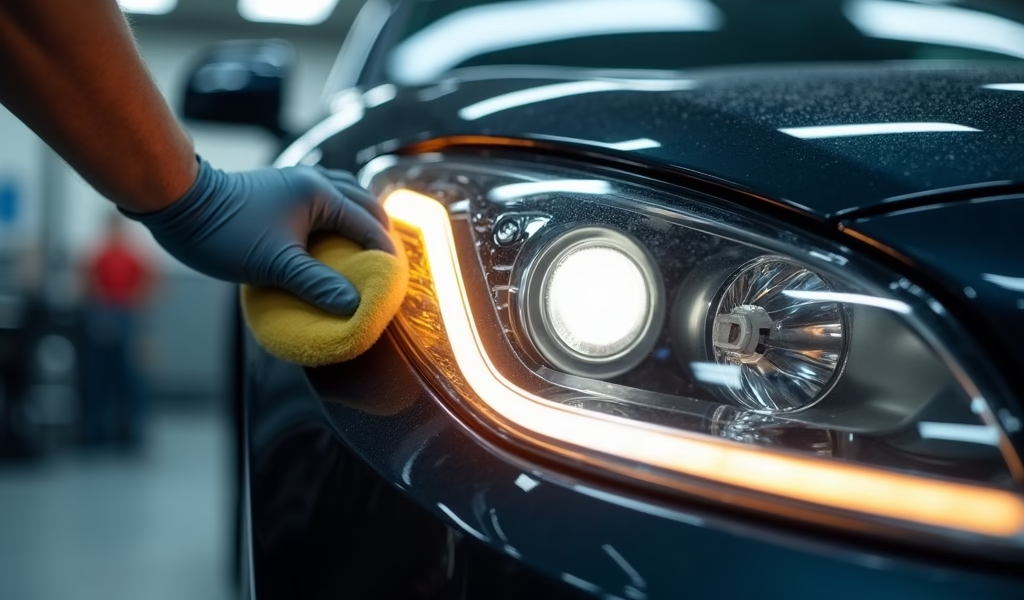
- Polish with a specialized headlight compound
- Apply UV sealant to prevent rapid re-oxidation
This 30-60 minute process can restore up to 90% of your original light output. For severely oxidized lenses, commercial restoration kits work well, though they require more elbow grease.
Replace Headlight Bulbs Properly
If your bulbs are over 2-3 years old, replacing them often makes a significant difference:
- Consult your owner’s manual for the correct bulb type
- Purchase quality replacement bulbs (I prefer Sylvania or Philips)
- Never touch the glass portion of halogen bulbs—oils from your fingers create hot spots
- Ensure the bulbs are seated properly and connectors are fully engaged
- Test before fully reassembling everything
Clean and Secure Electrical Connections
This simple maintenance step solves many mysterious lighting issues:
- Locate the wiring connections to your headlight assemblies
- Disconnect and inspect for corrosion or damage
- Clean connections with electrical contact cleaner
- Apply dielectric grease to prevent future corrosion
- Ensure connections are tight when reassembling
Check Your Charging System
A quick voltage test can tell you if your electrical system is supplying adequate power:
- Use a multimeter to check battery voltage (should be 12.6V when off)
- Start the engine and check voltage again (should rise to 13.5-14.5V)
- Turn on headlights and check again
If voltage drops below 13V with the engine running, your alternator may need attention. This simple test has saved many customers from repeatedly replacing bulbs when the real issue was power supply.
Adjust Headlight Aim
Improperly aimed headlights can appear dim simply because they’re not pointing where they should:
- Park on level ground facing a wall (about 25 feet away)
- Mark the center height of your headlights on the wall
- Locate the adjustment screws on your headlight assemblies
- Adjust until both headlights are properly aligned
Proper alignment not only improves your visibility but prevents blinding oncoming traffic—something I see all too often with DIY headlight upgrades.
When to See a Pro (And When Not To)
While I’m all for DIY repairs, some headlight issues genuinely need professional help. Here’s my honest take on when to visit a shop and when you’re probably wasting money:
See a Professional When:
- Complex Electrical Issues: If you’ve replaced bulbs, cleaned connections, and still have flickering or dim lights, you might have deeper electrical problems requiring diagnostic equipment.
- Modern Lighting Systems: Vehicles with adaptive headlights, matrix LED systems, or other advanced tech often need specialized calibration if components are replaced.
- Extensive Water Intrusion: If there’s significant moisture inside your headlight housings, you likely need new seals or assemblies to prevent electrical damage.
- After Multiple DIY Attempts: If you’ve tried several fixes without success, a professional diagnosis could save time and prevent further issues.
Skip the Shop When:
- Simple Bulb Replacements: Most vehicles have straightforward bulb access that any owner can handle with basic tools.
- Cleaning Oxidized Lenses: Restoration kits work surprisingly well and cost a fraction of professional service (typically $15-30 versus $50-100).
- Basic Electrical Checks: Testing voltage and cleaning connections requires minimal tools and knowledge.
- Minor Adjustments: Headlight aim can usually be adjusted at home with just a screwdriver and a flat surface.
The cost difference between DIY and professional repair can be substantial. While a shop might charge $80-150 just for diagnostics, most DIY solutions run $10-50 total. That said, I’ve seen too many customers spend more trying to fix complex issues themselves than they would have paying for professional help from the start.
My rule of thumb: if you can’t identify the specific problem after basic troubleshooting or if you’ve made one unsuccessful repair attempt, it’s probably time to consult a professional. Your safety is worth more than saving a few dollars.
Preventative Maintenance: Stop Problems Before They Start
An ounce of prevention is worth a pound of cure—especially with vehicle lighting. Here’s what I recommend to keep your headlights bright and your wallet happy:
Regular Cleaning Schedule
Clean your headlight lenses every time you wash your car. A quick wipe with a microfiber cloth removes debris before it can cause scratches or embedded contamination. For vehicles parked outdoors, this simple habit can double the clear life of your lenses.
Apply UV Protection
Most headlight oxidation comes from UV damage. Apply a UV protectant specifically designed for headlights every 3-6 months. Products like 303 Aerospace Protectant work well and cost under $10, potentially extending lens clarity by years.
Replace Bulbs Proactively
Don’t wait for bulbs to fail completely. Consider replacing them:
- Halogen bulbs: Every 18-24 months
- HID/Xenon bulbs: Every 3-5 years
- LED bulbs: Typically only when they fail (often 10+ years)
Always replace bulbs in pairs even if only one has failed. This maintains even illumination and simplifies your maintenance schedule.
Annual Electrical Check
Once a year, preferably before winter when headlight usage increases:
- Check all headlight connections for corrosion
- Test your charging system voltage
- Inspect wiring for signs of wear or rodent damage
This 15-minute check can catch issues before they leave you in the dark. I’ve saved countless customers from roadside emergencies with this simple preventative step.
Correct Minor Issues Immediately
When you notice the first signs of dimming or lens clouding, address them right away. Early intervention is almost always cheaper and easier than waiting until problems become severe. A $20 restoration kit used at the first signs of hazing can prevent needing a $300 headlight assembly replacement later.
These preventative steps might seem unnecessary when everything’s working fine, but they’re the difference between inexpensive maintenance and costly emergency repairs. Trust me—I’ve seen both sides in my shop for over two decades.
Conclusion: Safe Driving Starts With Good Visibility
After 20+ years fixing vehicle lighting systems, I’ve learned that headlight maintenance isn’t just about avoiding tickets or passing inspections—it’s about seeing that deer at the roadside before it jumps into your path or spotting black ice before you hit it. Good lighting gives you precious extra seconds to react, potentially preventing accidents that could cost thousands or even lives.
Most headlight issues can be resolved with simple, affordable DIY solutions before they escalate into major expenses. A small investment in maintenance now—whether it’s cleaning oxidized lenses, replacing aging bulbs, or checking electrical connections—can save significant money while keeping you and your passengers safe.
Remember that driving with dim headlights isn’t just inconvenient—it’s dangerous. Take 30 minutes this weekend to check your headlights and address any issues you find. Your future self, driving confidently down a dark road with clear visibility ahead, will thank you.
Keep those lights bright, and keep safe out there!
Frequently Asked Questions
Why are my new headlight bulbs still dim?
The most common reason is oxidized or cloudy lenses blocking light output. Clean or restore your headlight lenses first, then check for electrical issues like loose connections or insufficient voltage.
Can I upgrade my halogen headlights to LED?
While “drop-in” LED replacements exist for halogen housings, they often create dangerous glare for oncoming traffic and may be illegal in many jurisdictions. For proper LED conversion, you’ll need housings designed specifically for LED light patterns.
How do I know if my headlights are properly aligned?
Park 25 feet from a wall at night and check if both headlight beams are level and properly centered. The top of the low beam pattern should be slightly below the height of your headlights on a wall.
Why does one headlight burn out more frequently than the other?
This typically indicates an electrical issue like excess voltage or vibration affecting one side more than the other. Check your charging system and mounting hardware for that headlight assembly.
Are expensive headlight bulbs worth the money?
Premium bulbs typically provide 20-30% more light output and better beam patterns but with shorter lifespans. For those who do significant night driving, especially in rural areas, the improved visibility is often worth the additional cost.