
Overview
That stomach-dropping sound of grinding brakes typically indicates worn brake pads where metal backing plates contact rotors, though it can also result from debris, damaged rotors, or loose components—all requiring immediate attention to prevent a $200 pad replacement from becoming a $1,000+ repair job. This guide provides comprehensive DIY inspection and repair instructions, maintenance tips to prevent future issues, advice on when to seek professional help, and cost-saving strategies without compromising safety, emphasizing that properly functioning brakes are essential for vehicle safety.
Table of Contents
- What Causes Brake Grinding?
- Diagnosing Brake Grinding: Identifying the Source
- DIY Brake Inspection: What to Look For
- Fixing Grinding Brakes: Step-by-Step Guide
- Preventing Future Brake Problems
- When to Seek Professional Help
- Cost-Saving Tips for Brake Repairs
- Conclusion
- Frequently Asked Questions
What Causes Brake Grinding?
That stomach-dropping sound of grinding brakes is something no driver wants to hear. It’s like your car is saying, “Hey, I need some attention—now!” As a mechanic with 15+ years of experience, I’ve seen countless worried faces when that metal-on-metal screech happens.
The most common cause of brake grinding is completely worn brake pads. When the friction material wears down, the metal backing plate contacts your rotor, creating that awful noise. Think of it like writing with a pencil after the lead is gone—just metal scraping on metal.
Other common causes include:
- Debris caught between the rotor and pad (rocks, dirt, or rust)
- Severely damaged or warped rotors
- Loose caliper components or hardware
- Worn or damaged wheel bearings (often confused with brake noise)
- Lack of lubricant on the caliper slides or pins
One thing’s certain—grinding brakes won’t fix themselves. Ignoring this warning sign can transform a $200 pad replacement into a $1,000+ repair job when rotors, calipers, and other components suffer damage. Plus, it puts your safety at risk when you need reliable stopping power most.
The good news? Many brake problems can be diagnosed and even fixed at home with the right knowledge. Let’s dive into how to identify exactly what’s causing that unsettling sound.
Diagnosing Brake Grinding: Identifying the Source
Different sounds can tell you a lot about what’s happening with your brakes. Understanding these acoustic clues can help you diagnose the problem accurately.
Continuous grinding that happens every time you brake typically indicates worn pads. The metal backing plate is making direct contact with your rotor, and you’ll need new pads immediately—possibly rotors too, depending on the damage.
Intermittent grinding suggests something different. This might be debris caught between components or a problem that only occurs at certain speeds or temperatures. Pay attention to when it happens—only when turning, only when cold, or perhaps only after driving for a while.
High-pitched squealing is different from grinding. Squealing often comes from the wear indicators—small metal tabs designed to make noise when your pads get thin. Consider this an early warning before grinding begins. Regular maintenance checks can catch these issues before they become serious.
Notice when the noise occurs:
- Only when applying brakes: Likely pad-related
- Constant, even without braking: Could be bearing-related or a severely stuck caliper
- Only at certain speeds: Might indicate warped rotors
- Only when turning: Potentially wheel bearing issues
The location matters too. Front brake noise will be most noticeable during forward braking, while rear brake issues might be more apparent during gentle stops or when backing up.
When diagnosing, also consider your vehicle’s mileage and maintenance history. Most brake pads last between 30,000-70,000 miles depending on driving habits and material quality. If you’re approaching these numbers, worn pads are the likely culprit according to Car and Driver’s maintenance experts.
DIY Brake Inspection: What to Look For
Before diving into repairs, let’s check what’s actually happening with your brakes. You don’t need to be a professional mechanic for this—just some basic tools and a bit of caution.
First, gather your supplies: a lug wrench, jack and jack stands (never rely on just the jack!), flashlight, and gloves. Safety first—work on a flat surface, use wheel chocks, and ensure the vehicle is securely supported.
Start by visually inspecting through the wheel spokes if possible. Many vehicles allow you to see the brake pads without removing the wheel. Look for pad thickness—you should have at least ¼ inch of material. Less than that means replacement is needed soon.
For a thorough inspection:
- Safely raise and support the vehicle, then remove the wheel
- Examine the brake pad thickness—if you see metal backing against the rotor, they’re completely worn
- Check rotor condition—look for deep grooves, cracks, or a blue discoloration (indicating overheating)
- Inspect caliper movement—it should move freely when the brake is released
- Look for brake fluid leaks around the caliper or brake lines
- Check that all hardware is secure with no loose components
Pay special attention to the rotor surface. Light surface rust is normal if the car has been sitting, but deep grooves or visible cracks mean the rotor needs replacement. A quick test: run your fingernail across the rotor surface—if it catches in grooves, those grooves are likely significant enough to cause issues.
If your inspection reveals severely worn pads, damaged rotors, or any fluid leaks, it’s time to address the problem. The good news is that basic brake pad replacement is within reach for many DIYers with some mechanical aptitude and the right tools.
Fixing Grinding Brakes: Step-by-Step Guide
Ready to tackle those grinding brakes? If your inspection confirmed worn pads or damaged rotors, here’s how to fix them. This guide assumes you have basic mechanical skills and proper tools. If you’re unsure, remember there’s no shame in consulting a professional—brakes are critical safety components.
For a basic brake pad replacement:
- Gather supplies: replacement pads, brake cleaner, caliper lubricant, C-clamp or caliper piston tool, and appropriate wrenches
- Loosen wheel lug nuts before jacking up the vehicle
- Securely raise and support the vehicle with jack stands, then remove the wheel
- Locate the caliper bolts (usually on the inside edge) and remove them
- Carefully pivot the caliper upward and away from the rotor without disconnecting brake lines
- Remove old pads and hardware, noting their orientation
- Use a C-clamp or piston tool to compress the caliper piston back into its bore
- Clean all contact points and apply thin lubricant to the backs of new pads and hardware contact points (never on friction surfaces!)
- Install new hardware and pads in the same orientation as the old ones
- Reposition the caliper and reinstall bolts to proper torque specifications
- Reinstall the wheel, lower the vehicle, and torque lug nuts to spec
If your rotors also need replacement (likely if you’ve been driving with grinding for some time), you’ll need to perform additional steps after removing the caliper:
- Remove the caliper bracket bolts (larger than the caliper bolts)
- Take off the old rotor (may require tapping with a rubber mallet if rusted)
- Clean the hub surface thoroughly
- Install the new rotor and reassemble in reverse order
After completing the repair, pump the brake pedal several times before starting the vehicle to rebuild pressure. The pedal might feel soft initially but should firm up after several pumps.
For the first few hundred miles, avoid hard stops when possible to allow the new components to “bed in” properly. This improves brake performance and extends component life, as noted by Brembo’s technical guidelines.
Preventing Future Brake Problems
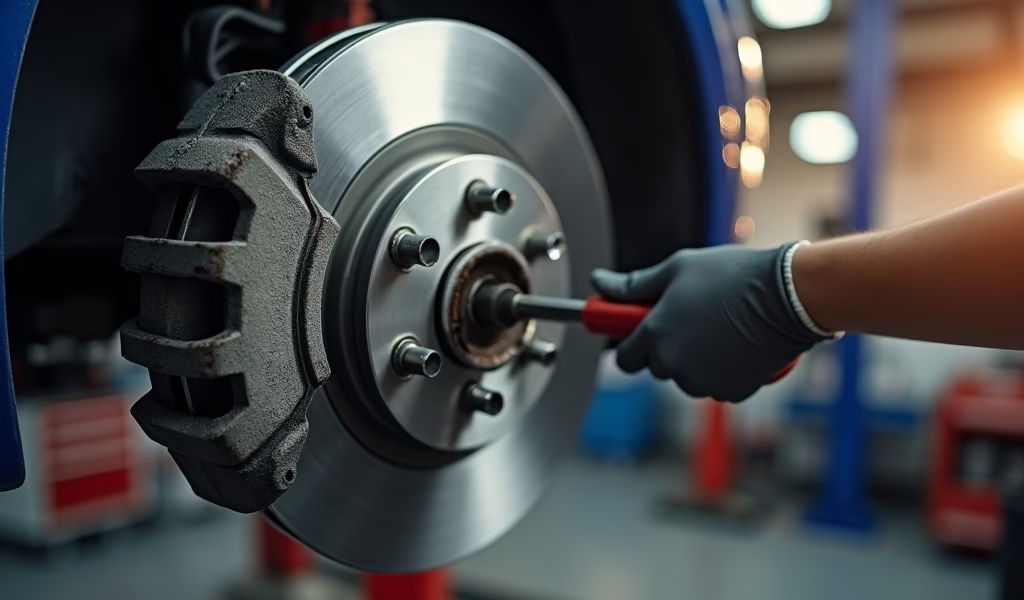
An ounce of prevention is worth a pound of cure—especially with brakes. Adopting a few habits can help you avoid that grinding sound altogether and extend the life of your brake components.
Start with your driving habits. Aggressive braking wears pads much faster than gentle stops. Try to anticipate stops by looking further ahead in traffic, which allows you to coast down to lower speeds before applying brakes. This technique can double your pad life while improving fuel economy.
Regular inspection is crucial. Make it a habit to visually check your brakes during routine maintenance like oil changes. Look for these warning signs:
- Thin brake pads (less than ¼ inch material)
- Uneven pad wear (could indicate caliper issues)
- Glazed or cracked rotor surfaces
- Brake fluid leaks or low fluid level
Pay attention to early warning signs. That squeaking before grinding begins? It’s your car’s way of requesting attention before major problems develop. Don’t turn up the radio to drown it out—schedule an inspection instead!
Consider brake pad quality when replacing components. While economy pads might save money upfront, premium pads often last significantly longer and provide better stopping power. This makes them cheaper in the long run and safer in emergency situations.
Flush brake fluid according to your manufacturer’s schedule—typically every 2-3 years. Old fluid absorbs moisture, which can corrode internal components and reduce braking efficiency. Fresh fluid is one of the most overlooked maintenance treatments that maximize vehicle longevity.
Lastly, be mindful of your vehicle’s weight. Excess cargo means your brakes work harder on every stop. Clean out unnecessary items from your trunk and consider how loaded roof racks affect your vehicle’s stopping distances.
When to Seek Professional Help
While many brake jobs can be DIY projects, some situations call for professional assistance. Knowing when to hand the wrench to a pro can save you time, frustration, and potentially unsafe repair attempts.
Seek professional help when:
- You discover brake fluid leaks—this indicates hydraulic system issues that require specialized tools
- Your brake pedal feels spongy or sinks to the floor
- You notice pulsation or steering wheel shake during braking
- The grinding continues after pad replacement
- Your vehicle pulls to one side during braking
- The parking brake isn’t working properly
- Your vehicle has an electronic parking brake or advanced driver assistance systems
Modern vehicles often have integrated brake systems connected to stability control and other safety features. Incorrect service can trigger warning lights or even disable safety systems. If your vehicle is newer than about 2012, consider having a professional scan for error codes before and after brake service.
When choosing a shop, look for ASE certification (Automotive Service Excellence)—particularly for brake systems. Don’t hesitate to ask questions about their experience with your specific vehicle make and model. Good shops welcome informed customers and will explain what they’re finding.
Request to see the old parts after replacement. This isn’t about distrust—it’s educational and confirms what was actually replaced. Reputable shops have no problem with this request and will often point out wear patterns that indicate other potential issues.
According to the National Highway Traffic Safety Administration, properly functioning brakes are essential for vehicle safety. If you’re uncertain about any aspect of brake repair, professional service is the prudent choice.
Cost-Saving Tips for Brake Repairs
Brake repairs can get expensive, but there are legitimate ways to save money without compromising safety. Let’s explore some wallet-friendly approaches to fixing that grinding.
First, don’t wait until you hear grinding! Replacing pads before they damage rotors can save $200-300 per axle. Those squeaks and longer stopping distances are early warnings—heed them and save big.
If you’re comfortable with DIY repairs, you’ll save significantly on labor costs, which typically account for 50-60% of a brake job bill. Even if you only do the simple parts (like pad replacement) and leave rotor machining to pros, you’ll still come out ahead.
When shopping for parts, consider these tiers:
- Premium: Best performance and longevity (ceramic or semi-metallic), ideal for keeping long-term
- Mid-range: Good balance of quality and value for average drivers
- Economy: Acceptable for older vehicles or those you plan to sell soon
Shop online for parts from reputable retailers like RockAuto, Amazon Automotive, or Advance Auto Parts. You’ll often find significant savings compared to parts from repair shops, which typically mark up components by 25-50%. Just be sure you’re getting the correct parts for your specific vehicle.
Consider “bundling” your brake work. If one axle needs new pads, the other might be close behind. Doing both at once saves on labor and often qualifies for package discounts at repair shops.
Ask about rotor resurfacing instead of replacement when possible. If your rotors aren’t too worn or damaged, machining them smooth again costs much less than new rotors. Just ensure the shop checks that enough thickness remains after resurfacing.
Get multiple quotes if using a repair shop. Prices can vary dramatically—I’ve seen $300 differences between shops for identical brake jobs. Just make sure you’re comparing equivalent quality parts and comprehensive service.
Conclusion
That grinding brake sound might send shivers down your spine, but now you’re equipped with the knowledge to tackle it head-on. Whether you choose the DIY route or professional help, addressing brake issues promptly saves money and ensures your safety on the road.
Remember that your braking system is arguably your vehicle’s most important safety feature. Taking care of it isn’t just about avoiding repair costs—it’s about protecting yourself and others on the road. A well-maintained brake system responds quickly in emergencies and provides the stopping power you need when it matters most.
By understanding the causes of brake grinding, learning proper inspection techniques, and knowing when to seek professional help, you’ve taken an important step toward becoming a more informed vehicle owner. This knowledge pays dividends not just in saved repair costs, but in confidence and peace of mind.
The next time you press that brake pedal and hear nothing but smooth, quiet deceleration, you’ll appreciate the care you’ve taken. Safe driving starts with healthy brakes—and now you know how to keep them that way.
Frequently Asked Questions
Is it safe to drive with grinding brakes?
No, it’s unsafe to drive with grinding brakes as it significantly reduces stopping power. Drive only to the nearest repair facility if absolutely necessary, using extreme caution and allowing much greater stopping distances.
How much does it typically cost to fix grinding brakes?
Costs range from $200-300 per axle for basic pad replacement to $400-800+ if rotors and other components need replacement. Labor typically accounts for about half the total cost at professional shops.
Can I just replace brake pads if my brakes are grinding?
If grinding has occurred, you’ll likely need to replace both pads and rotors. Once metal-on-metal contact happens, rotors usually become too damaged for safe continued use.
How long do brake repairs take?
Professional shops typically complete brake work on one axle in 1-2 hours. DIY repairs might take 2-4 hours for a beginner, depending on your tools and experience level.
How often should brake pads be replaced?
Most brake pads last between 30,000-70,000 miles depending on driving habits and pad quality. City driving with frequent stops generally wears pads faster than highway driving.