
Overview
That dreaded check engine light isn’t always a financial disaster—it’s your car’s communication system alerting you to problems ranging from a loose gas cap to serious engine issues. With the right diagnostic approach using OBD scanners and trouble code interpretation, you can often identify problems yourself, make informed decisions about repairs, and implement preventative maintenance to avoid future dashboard warnings.
Table of Contents
- Understanding the Check Engine Light
- Common Causes of Check Engine Light Activation
- How to Diagnose the Issue Yourself
- Using OBD Scanners and Diagnostic Apps
- Decoding Trouble Codes
- DIY vs. Professional Repair
- Preventing Future Check Engine Light Issues
- When to Seek Immediate Help
- Conclusion
- Frequently Asked Questions
Understanding the Check Engine Light
That dreaded amber glow. We’ve all been there – cruising down the highway when suddenly your dashboard lights up with the check engine light. It’s enough to make your heart skip a beat and your wallet tremble. But before panic sets in, take a deep breath. That little light isn’t always the harbinger of financial doom many drivers fear.
The check engine light (CEL) is actually your vehicle’s way of communicating with you. Think of it as your car tapping you on the shoulder saying, “Hey, something’s not quite right here.” It’s triggered when your vehicle’s onboard computer system detects a problem with the engine, emission controls, or related systems.
Here’s what you need to know about that amber warning:
- A steady light usually indicates a non-emergency problem
- A flashing light means something serious is happening that could damage your engine – pull over when safe
- Modern vehicles have sophisticated computers monitoring dozens of systems and sensors
- The light doesn’t tell you severity – a simple gas cap issue triggers the same light as a failing catalytic converter
Since 1996, all vehicles sold in the US have been equipped with OBD-II (On-Board Diagnostic, second generation) systems. This standardization was a game-changer, allowing mechanics and vehicle owners to use universal equipment to diagnose problems. Before jumping to conclusions about costly repairs, understanding how to interpret this system can save you hundreds, even thousands of dollars.
The beauty of the check engine light is that it’s an early warning system. Catching problems early almost always means simpler, less expensive repairs. Ignoring that light? Well, that’s how a $150 oxygen sensor replacement turns into a $1,500 catalytic converter job.
Common Causes of Check Engine Light Activation
Before you assume the worst about that illuminated warning, it helps to know that many check engine lights come on for relatively minor issues. Here are the most common culprits I see in my shop, ranging from the simple to the more complex:
Loose or Damaged Gas Cap
Believe it or not, something as simple as a loose gas cap causes countless check engine lights. Your fuel system is pressurized, and when that seal is compromised, the computer detects a vapor leak. Simply tightening your cap might solve the problem, though it may take a few drive cycles for the light to reset. If the cap is cracked or damaged, replacement costs just $5-20.
Oxygen Sensor Issues
Oxygen sensors monitor the exhaust stream and help regulate your engine’s air-fuel mixture. When they fail, your engine runs less efficiently, and you’ll burn more fuel. Replacement typically costs $200-300, but ignoring it can lead to catalytic converter damage – a much costlier repair.
Mass Airflow Sensor Problems
This sensor tells your car’s computer how much air is entering the engine. When it fails, expect rough idle, hesitation during acceleration, or stalling. Replacements run $300-400, though sometimes a thorough cleaning can solve the issue for much less.
How to Diagnose the Issue Yourself
When that check engine light pops on, you don’t need to immediately rush to the mechanic. With some basic tools and knowledge, you can often diagnose the problem yourself – even if you leave the actual fixing to a professional.
Start with these steps when your light comes on:
- Check for any obvious changes in how your car runs. Is it making strange noises? Running roughly? Lacking power? These symptoms provide important clues.
- Look at your dashboard – are other warning lights on too? Multiple warnings can help narrow down the issue.
- Check simple things first – tighten your gas cap, check fluid levels, and look for disconnected hoses or obvious leaks.
- Use a diagnostic tool to read the trouble codes (more on this below).
Pay attention to when the light appeared. Did it happen after refueling (possible gas cap issue)? During cold weather (potential sensor problem)? After driving through deep water (electrical concerns)? These contextual clues can be as valuable as the trouble codes themselves.
Remember, modern vehicles rarely suffer catastrophic failures without warning. That check engine light is often the first hint of a developing issue, not an indication that your engine is about to explode. Taking a methodical approach to diagnosis keeps both your car and your finances healthier in the long run.
With a little detective work, you’ll often discover that what seemed like a major problem is actually something quite manageable. And even if the news isn’t great, you’ll be armed with knowledge before talking to your mechanic – a powerful position that helps avoid unnecessary repairs.
Using OBD Scanners and Diagnostic Apps
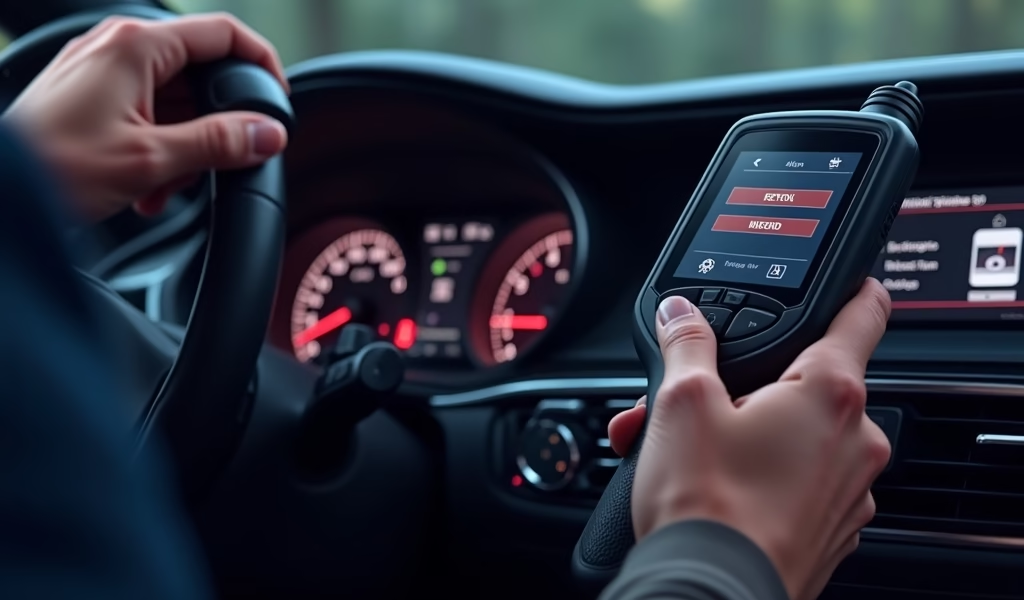
One of the best investments for any vehicle owner is an OBD-II scanner. These devices connect to your car’s diagnostic port (usually located under the dashboard near the driver’s knees) and retrieve the trouble codes that triggered your check engine light.
Basic code readers start around $25, while more advanced diagnostic tools with additional features run $100-300. For most drivers, a mid-range scanner around $60-80 provides the perfect balance of features and affordability. These tools quickly pay for themselves by preventing unnecessary trips to the mechanic for minor issues.
If you prefer using your smartphone, engine diagnostic apps paired with Bluetooth OBD adapters offer an excellent alternative. These adapters typically cost $15-30 and connect to apps on your phone. Many apps for car diagnostics not only show trouble codes but also provide real-time data, performance monitors, and even maintenance reminders.
When using a scanner or app, follow these steps:
- With the engine off, plug the scanner into the OBD-II port
- Turn the ignition to the “on” position (don’t start the engine yet)
- Follow the scanner’s instructions to retrieve stored codes
- Record all codes – multiple codes can help pinpoint the real issue
Many car scanner apps for OBD2 systems also let you clear codes after diagnosis. However, I’d recommend against clearing codes until you’ve fixed the underlying issue. If you clear codes without a repair, the light will likely return once the computer detects the problem again.
Advanced scanners and apps often provide “freeze frame” data showing engine conditions when the fault occurred. This can be invaluable for diagnosing intermittent problems that don’t happen consistently. According to CarMD’s Vehicle Health Index, drivers who use diagnostic tools before visiting repair shops typically spend less on repairs and experience fewer repeat visits.
Decoding Trouble Codes
Once you’ve retrieved the trouble codes from your vehicle, understanding them is the next step. OBD-II trouble codes follow a standardized format that tells you what system has the problem:
- P0xxx: Generic powertrain codes (engine and transmission)
- P1xxx: Manufacturer-specific powertrain codes
- B0xxx: Body codes (airbags, power seats, etc.)
- C0xxx: Chassis codes (braking, steering, suspension)
- U0xxx: Network communication codes
The most common codes start with “P” for powertrain. For example, P0301 indicates a cylinder 1 misfire, while P0420 suggests catalyst system efficiency below threshold. When researching your specific code, include your vehicle’s make, model, and year for the most relevant information.
Here’s the critical part that many DIYers miss: the code tells you what the computer detected, not necessarily what needs replacement. For instance, a P0171 code (system too lean) might be caused by a vacuum leak, dirty mass airflow sensor, faulty fuel injector, or bad oxygen sensor – not just one specific part.
This is why professional mechanics don’t simply replace parts based on codes alone. They use the code as a starting point for testing specific components. When researching your codes online, look for diagnostic procedures rather than just “what part to replace.”
Excellent resources for code research include manufacturer-specific forums and repair databases like AllData DIY, which provides factory repair procedures. These resources help you understand the manufacturer-recommended troubleshooting steps for your exact vehicle.
Remember that multiple codes often point to related issues – or one underlying problem triggering several sensors. Always address the root cause rather than treating symptoms, or you’ll find yourself chasing an endless series of check engine lights.
DIY vs. Professional Repair
Once you’ve diagnosed the issue, you’ll need to decide whether to tackle the repair yourself or hand it off to a professional. This decision depends on your mechanical skills, tools available, and the complexity of the repair.
Repairs suitable for most DIYers include:
- Replacing a gas cap
- Changing spark plugs (on most engines)
- Replacing air filters
- Cleaning mass airflow sensors
- Replacing simple sensors located in accessible areas
Repairs best left to professionals include:
- Anything involving fuel system pressure
- Internal engine work
- Transmission issues
- Catalytic converter replacement (often requires specialized tools)
- Complex electrical diagnosis
Even if you choose professional repair, your diagnostic work puts you in a stronger position. Walking into a shop knowing the specific trouble code and symptoms allows you to have an informed conversation about the necessary repairs. This knowledge helps you avoid unnecessary work and understand the repair process better.
When choosing a repair shop, don’t simply go with the cheapest option. Look for ASE-certified technicians and shops with good reputations for honesty. A quality shop will explain their diagnostic process and show you the failed parts after replacement. According to research from AAA, finding a trustworthy mechanic before you need one leads to better outcomes and more satisfaction with repairs.
If you’re quoted a high repair price, don’t be afraid to get a second opinion. Repair costs can vary widely between shops, and some might recommend more comprehensive solutions than others. Just be sure to provide the same information to each shop for accurate comparisons.
Preventing Future Check Engine Light Issues
An ounce of prevention is worth a pound of cure – especially when it comes to your vehicle. Following these preventative maintenance practices can significantly reduce check engine light occurrences:
Follow the Maintenance Schedule
Your owner’s manual contains a maintenance schedule designed specifically for your vehicle. These aren’t arbitrary suggestions – they’re carefully calculated intervals based on engineering data. Skipping scheduled maintenance is the fastest route to dashboard warning lights.
Pay special attention to these often-overlooked maintenance items:
- Spark plug replacement (typically every 60,000-100,000 miles)
- Air filter changes (generally every 15,000-30,000 miles)
- Fuel filter replacement (usually every 30,000-60,000 miles on vehicles with serviceable filters)
- Transmission fluid services (intervals vary widely by manufacturer)
Use Quality Fuel and Fluids
Your engine is designed to run on specific fuels and fluids. Using the recommended oil viscosity, coolant type, and fuel grade prevents many common issues. Top-tier gasoline with detergent additives helps prevent carbon buildup that can trigger check engine lights.
Address Minor Issues Promptly
That strange sound or slight hesitation might seem minor, but small problems often evolve into check engine light triggers if ignored. Addressing unusual symptoms early typically means simpler, less expensive repairs.
Drive Considerately
How you drive affects your vehicle’s longevity. Avoid these engine-stressing habits:
- Revving a cold engine
- Constant aggressive acceleration
- Running the fuel tank near empty (can overheat the fuel pump)
- Ignoring changing engine sounds or performance
Developing a relationship with a trusted mechanic for regular inspections can catch potential issues before they trigger warning lights. Many shops offer courtesy inspections that identify developing problems before they become expensive repairs.
When to Seek Immediate Help
While many check engine light issues allow for some diagnosis time, certain situations require immediate attention. Know these warning signs that indicate you should stop driving and seek professional help:
- Flashing check engine light – This indicates an active misfire that could damage your catalytic converter. Reducing speed and load can minimize damage until you can stop safely.
- Engine overheating – If your temperature gauge is climbing into the red zone or the overheating warning light is on, continuing to drive can cause severe engine damage.
- Loss of power – Sudden power loss could indicate a serious failure that might leave you stranded in an unsafe location.
- Unusual noises – Knocking, grinding, or loud ticking sounds often indicate mechanical failures that worsen with continued operation.
- Smoke from the exhaust or engine compartment – This could indicate oil leaks, coolant issues, or even fire hazards.
In these situations, it’s better to have your vehicle towed to a repair facility than to risk further damage or unsafe conditions. Most auto insurance and many credit cards include roadside assistance that covers towing, making this a financially sensible choice compared to major engine repairs.
Keep a list of trusted repair shops in your area, including their hours and contact information. Having this information ready when problems arise reduces stress and helps you make better decisions during vehicle emergencies.
Conclusion
That illuminated check engine light doesn’t have to send you into a financial panic. With the right approach, many issues can be diagnosed at home and either fixed yourself or addressed with informed professional help. Understanding what triggers the warning, how to retrieve trouble codes, and which problems require immediate attention empowers you to make smarter decisions about your vehicle’s care.
Remember that prevention remains your best strategy. Following manufacturer maintenance schedules, using quality fluids and parts, and addressing minor issues promptly will significantly reduce how often you see that amber glow on your dashboard.
Whether you’re a DIY enthusiast or prefer professional service, knowledge is your most valuable tool when that check engine light appears. The difference between a minor repair and a major expense often comes down to how quickly and accurately you respond to your vehicle’s early warnings.
By taking a methodical approach to diagnosis and maintaining good preventative habits, you’ll not only save money but also extend your vehicle’s reliable service life. That check engine light isn’t your enemy – it’s actually your first line of defense against serious automotive problems.
Frequently Asked Questions
Can I drive with my check engine light on?
If the light is steady (not flashing) and your vehicle runs normally, you can usually drive for a short time while arranging diagnosis. A flashing check engine light requires immediate attention as it indicates a severe problem that could damage expensive components.
How much does it cost to diagnose a check engine light?
Many auto parts stores offer free code reading, though professional diagnosis typically costs $75-150. This fee is often applied toward repairs if you have the work done at the same shop.
Will my check engine light reset itself?
Some codes may clear themselves after several drive cycles if the problem doesn’t recur. Most issues require fixing the underlying problem and either disconnecting the battery or using a scan tool to reset the light.
What’s the most common cause of a check engine light?
A loose, damaged, or missing gas cap is the most common and least expensive check engine light trigger. Oxygen sensor failures and catalytic converter issues follow closely in frequency.
Can a low battery cause a check engine light?
Yes, low voltage can cause sensor readings to fall outside acceptable parameters, triggering the check engine light. Always check battery condition when diagnosing intermittent warning lights.