
Overview
That strange sound from your car isn’t just annoying—it’s actually your vehicle’s early warning system, with different noises like squealing, grinding, knocking, and rattling each indicating specific mechanical issues that can be diagnosed before they become costly disasters. Understanding how to interpret these sounds, knowing when to DIY versus seek professional help, and performing regular maintenance can save you thousands in repair bills while preventing the stress of unexpected breakdowns on the road.
Table of Contents
- Understanding Car Noises: Your Vehicle’s Way of Communicating
- Common Car Noises and What They Mean
- Diagnostic Techniques for the Average Driver
- When to DIY vs. When to See a Professional
- Preventing Noise Issues Before They Start
- Cost Considerations: Acting Early Saves Money
- Conclusion
- Frequently Asked Questions
Understanding Car Noises: Your Vehicle’s Way of Communicating
That strange sound coming from your car isn’t just annoying—it’s your vehicle’s way of telling you something’s wrong. Learning how to diagnose car noises can save you thousands in repair bills and prevent you from being stranded on the side of the road.
As a mechanic with over 20 years of experience, I’ve heard it all: the squeaks, knocks, hisses, and rumbles that make car owners nervously reach for their wallets. But here’s the good news—most car problems announce themselves with noise long before they become catastrophic failures.
Cars are actually quite vocal when something’s not right. That rhythmic clicking when turning? Your CV joint is likely wearing out. The high-pitched squeal when starting up in the morning? Probably a loose or aging belt. These sounds are valuable early warning systems if you know how to interpret them.
Think of it this way: your car is speaking a language, and with a little knowledge, you can become fluent enough to understand the basics. You don’t need sophisticated diagnostic equipment to catch many issues early—just your ears and some basic knowledge of what different sounds might indicate.
One of the most valuable skills you can develop is knowing what your car normally sounds like. This baseline awareness makes unusual noises much easier to detect early when repairs are typically simpler and less expensive. Take a moment during your next drive to roll down the windows, turn off the radio, and just listen to your car’s normal operating sounds.
Common Car Noises and What They Mean
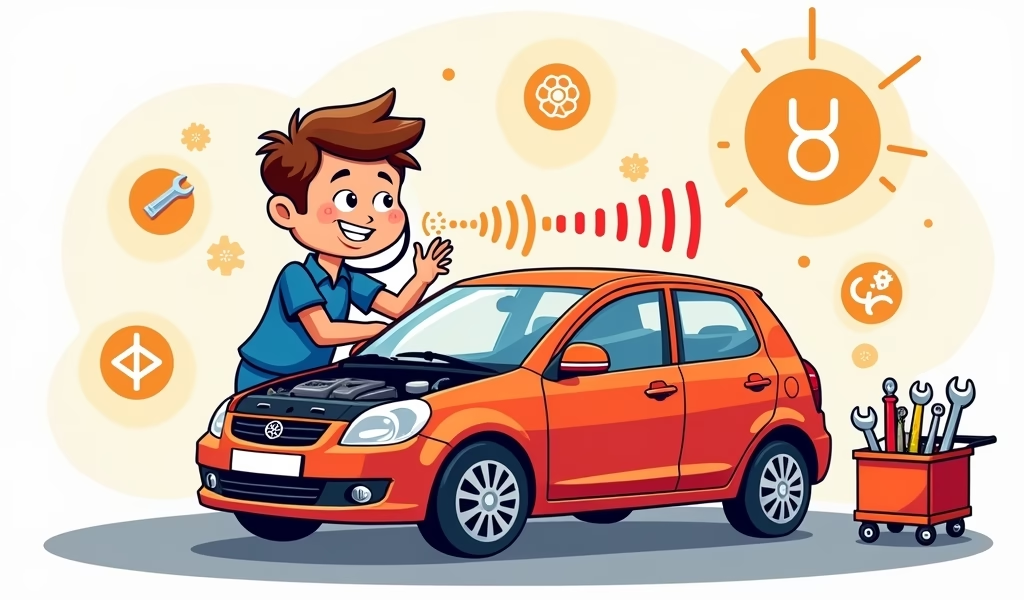
Let’s break down the most common noises you might hear and what they typically mean. Remember, these are general guidelines—your specific vehicle might have unique characteristics.
Squealing or Squeaking
High-pitched squealing often points to belt issues. A worn or loose serpentine belt typically creates a loud squeal when you first start your engine, especially on cold mornings. If the noise persists after the car warms up, the problem might be more serious.
Squealing when braking usually indicates worn brake pads. Modern brake pads include “wear indicators” specifically designed to create this noise when the pad material gets low. This isn’t just an annoyance—it’s an intentional warning system telling you it’s time for brake service.
A rhythmic squeak that speeds up with your vehicle might signal a wheel bearing problem. This is particularly evident when turning or when load shifts to that wheel.
Grinding Noises
Grinding when you press the brake pedal is a serious red flag. This typically means your brake pads are completely worn out, and metal is grinding against metal. Continuing to drive in this condition will damage your rotors and quickly lead to a much more expensive repair.
A grinding noise when shifting gears in a manual transmission can indicate clutch issues or synchronizer problems. In automatic transmissions, grinding might mean low transmission fluid or internal wear that needs immediate attention.
Constant grinding from a wheel that changes with vehicle speed but not engine RPM often points to a failing wheel bearing. This requires prompt attention as bearing failure can lead to a wheel locking up or separating from the vehicle.
Knocking or Tapping
Engine knocking is perhaps the most concerning noise your car can make. A deep, rhythmic knock that changes with engine speed often indicates worn rod bearings, low oil pressure, or other internal engine issues. These problems can quickly lead to catastrophic engine failure if ignored.
A lighter tapping sound from the engine, especially from the top, frequently points to valve train issues. This could be as simple as needing an adjustment or as serious as worn components requiring replacement.
According to AAA’s automotive experts, many knocking sounds can be diagnosed by carefully tracking when they occur—at startup, during acceleration, or at idle. The timing often provides crucial clues to the underlying issue.
Rattling
Rattling from underneath your vehicle is commonly caused by exhaust system issues. Heat shields, the thin metal covers protecting components from exhaust heat, frequently come loose and create a distinctive rattle.
A rattling noise during acceleration might indicate problems with your catalytic converter. Internal components can break loose, especially in older vehicles, creating a sound like rocks in a can.
Dashboard rattles are typically less concerning from a mechanical perspective but can drive you crazy nonetheless. These usually stem from plastic components vibrating against each other and can often be fixed with foam tape or by tightening fasteners.
Hissing or Whistling
Hissing from the engine bay typically indicates a vacuum leak or escaping pressure. Common culprits include cracked vacuum lines, intake manifold leaks, or a failing brake booster.
A hissing noise after turning off your engine often points to cooling system issues—either normal coolant contraction or potentially a small leak allowing pressurized coolant to escape.
Whistling while driving frequently comes from wind finding its way through door seals or window weatherstripping. While not mechanically serious, addressing these leaks can improve comfort and reduce noise.
Diagnostic Techniques for the Average Driver
You don’t need fancy equipment to start diagnosing car noises. Here are some techniques I recommend to my customers who want to play detective before bringing their vehicle in:
The When and Where Method
Noting exactly when and where noises occur provides crucial diagnostic information:
- Does the noise happen only when the car is cold or after it warms up?
- Is it present during acceleration, deceleration, or at steady speeds?
- Does turning (left vs. right) affect the noise?
- Is the sound coming from a specific corner of the vehicle?
- Does the noise change with engine RPM or vehicle speed?
These details can narrow down potential causes dramatically. For example, a noise that changes with engine RPM even when the car is in neutral is likely engine-related, while one that changes with vehicle speed but not engine RPM typically comes from the drivetrain, wheels, or tires.
The Helper Method
A second person can be invaluable when diagnosing car noises. Have someone else drive while you listen from different positions, or have them listen while you operate controls that trigger the noise. This approach is particularly useful for intermittent sounds that seem to disappear whenever you visit the mechanic.
You can even use your smartphone to record the noise. Modern phones have surprisingly good microphones that can capture many automotive sounds clearly enough for diagnosis. These recordings can be invaluable when describing issues to your mechanic.
The Process of Elimination
Systematically rule out potential causes by isolating different systems:
- For brake noises: Does the sound change when you apply or release the brakes?
- For suspension noises: Do bumps, turns, or changes in weight distribution affect the sound?
- For engine noises: Does the sound change with RPM regardless of vehicle speed?
- For transmission issues: Does the noise change when shifting or when in different gears?
Learning car diagnostics is about developing a methodical approach. Start with the most likely culprits based on the type of noise and when it occurs, then work through the possibilities systematically.
When to DIY vs. When to See a Professional
Some noises warrant immediate professional attention, while others can be investigated by the average car owner. Here’s how to know the difference:
Safe for DIY Investigation
- Rattles from heat shields or loose interior components
- Wind noises from weatherstripping or window seals
- Minor squeaks from accessory belts
- Dashboard or interior rattles
- Tire noise from uneven wear (though you’ll want alignment checked professionally)
For these issues, a visual inspection and some basic troubleshooting are generally safe and might save you a trip to the shop. Just remember to keep safety in mind—never place your hands near moving parts, and make sure your vehicle is securely supported if you need to look underneath.
See a Professional Immediately
- Engine knocking or deep tapping sounds
- Grinding brakes
- Clunking or popping from the suspension during turns
- Loud exhaust noise that appeared suddenly
- Grinding or whining from the transmission
- Any noise accompanied by warning lights on your dashboard
These noises typically indicate problems that could affect safety or lead to significant damage if not addressed promptly. The cost of diagnosis is far less than the potential repair bill if these issues are ignored.
As the Consumer Reports automotive team notes, addressing problems early typically costs 30-50% less than waiting for complete failure. That routine ticking sound might be a minor adjustment today or a complete engine replacement next month.
Preventing Noise Issues Before They Start
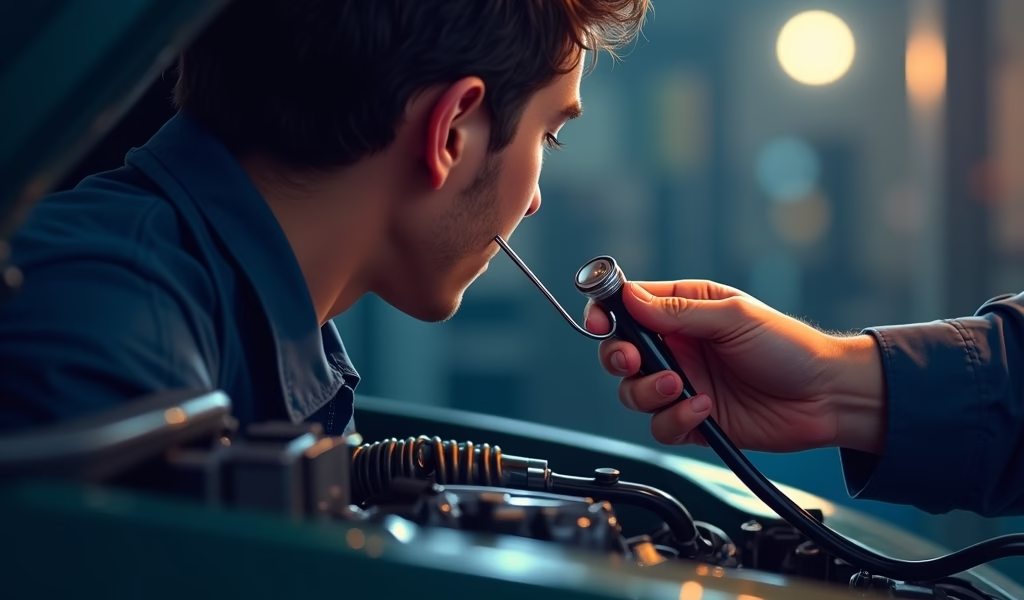
The best way to handle car noises is to prevent them from happening in the first place. Regular maintenance is your first line of defense:
Fluid Checks and Changes
Many unusual noises stem from inadequate lubrication. Make these fluid checks part of your routine:
- Engine oil: Check monthly and change according to your manufacturer’s recommendations
- Transmission fluid: Inspect for level and condition according to your maintenance schedule
- Power steering fluid: Low levels can cause whining noises during turning
- Brake fluid: Ensure proper levels to prevent air in the system and unusual brake behavior
- Coolant: Proper levels help prevent overheating and associated noises
Each of these fluids serves a specific purpose in keeping components moving smoothly and quietly. When fluid levels drop or fluids become contaminated, noise is often the first symptom.
Regular Inspections
Some simple visual checks can catch problems before they become noisy:
- Belt inspection: Look for cracks, fraying, or glazing on all visible belts
- Tire examination: Check for uneven wear patterns that might indicate alignment issues
- Brake pad thickness: Many wheels allow visual inspection of pad material without removal
- Exhaust system check: Look for rusty sections, loose hangers, or damaged shields
These inspections don’t require special tools or expertise—just a flashlight and a few minutes of your time. Regular checks like these are particularly important for older vehicles or those driven in harsh conditions.
Listening Habits
Develop the habit of occasionally driving with your windows down and radio off, especially after maintenance or repairs. This practice helps you establish what’s normal for your vehicle and makes new noises more obvious when they develop.
Consider taking the same route periodically as a “test drive” to eliminate road variables. Some roads naturally generate more road noise or cause more suspension movement, which can mask or exaggerate certain sounds.
Using online car diagnostics resources can also help you become more familiar with common sounds your specific make and model might develop. Many manufacturers have specific known issues that produce characteristic noises.
Cost Considerations: Acting Early Saves Money
Understanding the potential costs of ignoring car noises can be a powerful motivator for addressing them promptly. Here’s what you might expect to pay when addressing issues early versus waiting until failure:
Brake System
- Early: Brake pad replacement ($150-300) when you first hear squealing
- Late: Pads, rotors, and possibly calipers ($500-1,000+) after metal-on-metal grinding begins
Engine Issues
- Early: Valve adjustment or minor repair ($200-600) when tapping first appears
- Late: Engine replacement or rebuild ($3,000-10,000+) after knocking leads to catastrophic failure
Wheel Bearings
- Early: Single wheel bearing replacement ($250-400) when noise first appears
- Late: Bearing, hub, CV joint, and potential axle damage ($1,000-2,000+) if the bearing seizes or breaks apart
Exhaust System
- Early: Re-securing heat shields or minor welding ($50-200)
- Late: Complete exhaust section replacement ($300-1,200+) when components rust through or break off
These figures are general estimates and will vary based on your vehicle make, model, and location. However, the pattern is clear—addressing noises early consistently results in significant savings.
Beyond the direct repair costs, consider the hidden expenses of major breakdowns: towing fees, rental cars, lost work time, and the stress of unexpected vehicle problems. Preventative maintenance and early intervention create a more predictable, manageable ownership experience.
Conclusion
Your car’s strange noises aren’t just annoying soundtracks to your commute—they’re valuable diagnostic tools that can save you thousands in repair costs. By learning how to diagnose car noises early, you’re essentially giving yourself an advance warning system for mechanical issues.
Remember that successful diagnosis starts with awareness. Know what your car normally sounds like, be attentive to changes, and don’t ignore new noises hoping they’ll magically disappear. That rhythmic clicking, persistent squeak, or occasional knock is your vehicle’s way of asking for help before a minor issue becomes a major problem.
Whether you tackle the diagnosis yourself or partner with a trusted mechanic, timely attention to unusual sounds is one of the smartest moves you can make as a vehicle owner. Your wallet—and future self—will thank you for listening to what your car has been trying to tell you all along.
Frequently Asked Questions
What’s the difference between normal car noises and problematic ones?
Normal noises remain consistent and don’t change in intensity over time. Problematic noises typically appear suddenly, change in pitch or volume, or occur during specific operations like braking or turning.
Can weather changes cause new car noises?
Yes, temperature and humidity changes can affect materials and cause temporary noises, especially in older vehicles. Cold weather often reveals issues with belts, exhaust systems, and suspension components that are less noticeable in warmer conditions.
What car noises should never be ignored, even for short periods?
Engine knocking, grinding brakes, loud exhaust noises that appear suddenly, and clicking/popping during turns require immediate attention. These sounds often indicate safety issues or problems that can quickly escalate to major component failures.
How can I help my mechanic diagnose a noise that happens intermittently?
Record the noise with your smartphone and note exactly when it occurs (cold start, after 10 minutes of driving, during turns, etc.). This information helps mechanics recreate the conditions necessary to diagnose the problem.
Is it worth fixing noise issues on older, high-mileage vehicles?
It depends on the nature of the noise and your plans for the vehicle. Safety-related noises should always be addressed regardless of vehicle age, while comfort-related noises might be tolerable if you’re planning to replace the vehicle soon.