
Overview
When your car becomes an unexpected vomit receptacle, swift action is your best friend—unless that friend is the one who had too many drinks and created this mess in the first place. This seven-step guide walks through the complete process for effectively cleaning vomit from your vehicle: remove solids quickly, apply appropriate cleaning solutions, extract moisture thoroughly, deep clean with carpet cleaner, deodorize effectively, and finish with preventative measures to restore your car to its fresh, pre-upchuck condition.
Table of Contents
- Introduction to Cleaning Vomit from Your Car
- What You’ll Need: Essential Supplies
- Step 1: Act Fast and Prepare the Area
- Step 2: Remove Solid Material
- Step 3: Apply Cleaning Solution
- Step 4: Absorb and Extract the Moisture
- Step 5: Deep Clean with Carpet Cleaner
- Step 6: Deodorize the Area
- Step 7: Final Touches and Prevention
- Special Situations: Leather, Electronics, and Hard-to-Reach Areas
- Conclusion
- Frequently Asked Questions
Introduction to Cleaning Vomit from Your Car
Let’s face it—dealing with vomit in your car is nobody’s idea of a good time. Whether it’s from a carsick child, a friend who had one too many, or even your beloved pet, knowing how to clean vomit from car interiors effectively is an unfortunate but essential skill for every vehicle owner. As an automotive maintenance specialist with over 15 years of experience, I’ve helped countless drivers restore their cars to fresh, clean condition after these unpleasant incidents.
The key to success? Acting quickly. Vomit contains acids that can permanently damage your upholstery and leave lingering odors if not addressed promptly. But don’t worry—with the right approach, supplies, and a bit of elbow grease, your car can look and smell good as new. This comprehensive guide will walk you through seven proven steps to tackle this mess effectively, ensuring your ride returns to its fresh, clean state.
Beyond just cleaning up the immediate problem, I’ll also share professional tips for eliminating those stubborn odors that can persist long after the visible mess is gone. After all, maintaining a clean car interior isn’t just about aesthetics—it’s about creating a healthy, pleasant environment for everyone who rides with you.
What You’ll Need: Essential Supplies
Gathering the right supplies before you begin will make the cleanup process much more efficient. Here’s what I recommend having on hand:
- Disposable gloves (multiple pairs)
- Face mask (optional, but helpful)
- Plastic scraper or old spatula
- Paper towels or old rags
- Plastic bags for waste disposal
- Baking soda or commercial absorbent powder
- Spray bottle
- White vinegar or specialized enzymatic cleaner
- Upholstery/carpet cleaner (suitable for your car’s interior)
- Fabric/upholstery brush with stiff bristles
- Wet/dry vacuum (if available)
- Car odor eliminator or fabric freshener
- Clean microfiber cloths
- Isopropyl alcohol (for hard surfaces)
Not every situation will require all these items, but having them ready will prepare you for even the worst scenarios. Many of these supplies are household staples, but I always recommend keeping a “car emergency cleaning kit” in your trunk with the essentials. This preparation can make a world of difference when you’re dealing with an unexpected mess while away from home.
For particularly stubborn situations, enzymatic cleaners are worth the investment. Unlike regular cleaners, they actually break down the proteins in vomit that cause odors, rather than just masking the smell. These specialized cleaners can be found at most pet stores, as they’re commonly used for pet accident cleanup as well.

Step 1: Act Fast and Prepare the Area
When vomit happens in your car, time is truly of the essence. The longer it sits, the more difficult removal becomes and the greater the risk of permanent staining and odor. If possible, pull over safely as soon as the incident occurs. Open all doors and windows to ventilate the space—this helps both with the cleanup process and with making the task more bearable for you.
Start by putting on those disposable gloves and a mask if you have one. Trust me, this simple step makes a world of difference in making an unpleasant task more manageable. Remove any items that might be in the way of your cleanup efforts, including floor mats, seat covers, or personal belongings that may have been affected.
If you’re not in a position to clean the mess immediately (perhaps you’re on a long drive with no stopping options), a temporary measure is to cover the area with baking soda or commercial absorbent powder. This will help soak up moisture and begin neutralizing odors until you can perform a proper cleaning. According to research from the American Chemical Society, baking soda is particularly effective at neutralizing acidic compounds found in vomit.
Step 2: Remove Solid Material
With your gloves on and workspace prepared, it’s time to tackle the bulk of the mess. Using your plastic scraper or an old spatula (that you’ll never want to use for cooking again), gently scoop up as much of the solid material as possible. Work from the outside edges toward the center to avoid spreading the mess further.
Place all removed material directly into a plastic bag. Double-bagging is often a good idea to prevent leaks and contain odors. For vomit that has made its way into crevices or tight spots, you might need to use an old toothbrush or small brush to carefully dislodge particles without pushing them deeper into upholstery.
Be especially careful when working on porous surfaces like cloth seats or carpeting. Pressing too hard can force liquid deeper into the padding beneath, making complete removal much more difficult. Instead, use light, gentle scraping motions to lift away the material. If you’re dealing with dried vomit, you may need to slightly dampen the area with warm water first to loosen the dried material, but avoid soaking the area.
Once you’ve removed all visible solid material, seal the waste bag tightly and dispose of it immediately. If you’re working at home, take the bag directly to your outdoor trash can rather than leaving it in your garage or home waste bin.
Step 3: Apply Cleaning Solution
Now that you’ve removed the bulk of the mess, it’s time to address the remaining residue and begin the deep cleaning process. This is where your cleaning solution comes into play—and you have several effective options to choose from.
For a homemade solution, mix equal parts white vinegar and warm water in a spray bottle. The acidity of vinegar helps neutralize odors and break down stains. If you prefer commercial products, an enzymatic cleaner specifically designed for biological messes is ideal. These specialized cleaners contain enzymes that literally digest the proteins found in vomit, eliminating both stains and odors at their source.
Spray your chosen solution liberally over the affected area, making sure to cover a slightly larger perimeter than the visible stain. Allow the solution to sit for 5-10 minutes, giving it time to penetrate and break down the residue. For particularly stubborn areas, you might need to apply gentle agitation with a soft brush after the solution has had time to work.
For hard surfaces like vinyl or leather, a mixture of mild soap and water is often sufficient, followed by a wipe-down with isopropyl alcohol on a cloth to disinfect. Just be sure to test any cleaning solution on an inconspicuous area first to ensure it won’t damage or discolor your car’s interior materials.
Step 4: Absorb and Extract the Moisture
After your cleaning solution has had time to work its magic, the next crucial step is to remove as much liquid as possible from the affected area. Start by blotting—never rubbing—with paper towels or clean cloths. Rubbing can drive stains deeper into fabrics, while blotting lifts away the moisture and dissolved residue.
Press firmly with the absorbent material, working from the outside edges toward the center of the affected area. You’ll likely need to use multiple towels or cloths as they become saturated. Continue this process until you’re no longer picking up moisture or discoloration on your towels.
If you have access to a wet/dry vacuum, this is the time to put it to use. These powerful tools can extract moisture from deep within upholstery padding and carpet fibers where hand-blotting can’t reach. Make several passes over the affected area, working slowly to allow the vacuum to pull up as much liquid as possible. Many professional car detailing processes rely on extraction methods like this for deep cleaning.
For those without access to a wet/dry vacuum, a generous application of baking soda or commercial absorbent powder can help. Sprinkle it liberally over the damp area and allow it to sit for at least several hours—overnight is even better if possible. The powder will draw moisture up and out of the upholstery as it dries.
Step 5: Deep Clean with Carpet Cleaner
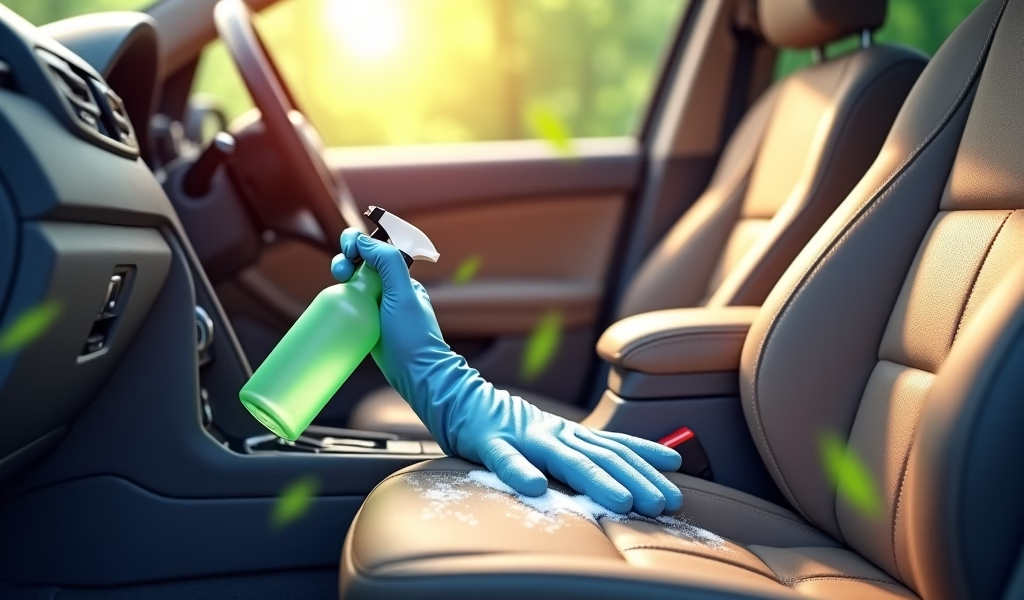
Even after removing the bulk of the mess and treating the area with your initial cleaning solution, a deep cleaning is essential for complete restoration. This is where a dedicated upholstery or carpet cleaner comes into play. Whether you’re using a commercial product or a portable carpet cleaning machine, this step helps eliminate remaining residue and odor-causing bacteria.
If using a commercial carpet cleaner, follow the manufacturer’s instructions carefully. Generally, you’ll apply the product to the affected area, work it in gently with a brush, and then extract it according to directions. Many automotive upholstery cleaners come with a brush attachment on the bottle cap, making application easier.
For those using a portable carpet cleaning machine (like a SpotBot or similar device), fill the clean water tank according to instructions, adding the appropriate cleaning solution. Make several passes over the affected area, allowing the machine to spray, scrub, and extract. This method is particularly effective because it forces clean water and cleaning solution deep into the fibers and then extracts the dirty water.
Pay special attention to the edges of the affected area, as these can often harbor residue that’s less visible. Working systematically across the entire area ensures you don’t miss spots that could later lead to odor or discoloration. According to research on biohazard cleaning protocols, thoroughness in cleaning biological residues is essential for preventing bacterial growth.
Step 6: Deodorize the Area
Even after thorough cleaning, lingering odors can remain—especially if the vomit was allowed to sit for some time before cleaning. Professional-grade deodorizing is essential to restore your car to its fresh, clean-smelling state. There are several effective approaches to choose from, depending on the severity of the odor and your personal preferences.
For a natural approach, baking soda works wonders. After the affected area has dried completely from your deep cleaning, sprinkle a generous layer of baking soda over it. Allow this to sit undisturbed for at least 24 hours—the longer, the better. The baking soda will absorb odors as it sits. When time is up, vacuum it away thoroughly.
Commercial odor eliminators designed specifically for automotive use can be very effective as well. Look for products containing activated charcoal or enzymatic formulas rather than those that simply mask odors with fragrance. These actually neutralize odor molecules rather than temporarily covering them up.
For persistent odors, consider using an ozone generator. These devices, available at many automotive detail shops, produce ozone that chemically neutralizes odor-causing molecules. However, this should be considered a last resort and is best left to professionals, as ozone can be harmful if not used properly.
Avoid air fresheners that simply mask odors with strong scents. While they might provide temporary relief, they don’t address the underlying problem and can create an unpleasant combination of fragrance and lingering vomit smell—often worse than the original odor alone.
Step 7: Final Touches and Prevention
After completing the cleaning and deodorizing process, let your car air out thoroughly. Keep windows open if possible, or leave doors open in a secure location to promote air circulation. Fresh air is one of the most effective final steps in eliminating any remaining trace of odor.
Once everything is completely dry, vacuum the entire area one final time to remove any remaining cleaning residue or deodorizing powder. Using a microfiber cloth, you might want to apply a fabric protector specifically designed for automotive upholstery. These products create a barrier that makes future spills and accidents easier to clean.
For leather surfaces, apply an appropriate leather conditioner after cleaning to restore moisture and prevent drying or cracking from your cleaning efforts. Similarly, vinyl surfaces might benefit from a protectant designed to restore their appearance and provide UV protection.
As for prevention, consider keeping a few essentials in your car for quick response to future incidents: motion sickness bags, a small emergency cleaning kit with gloves and paper towels, and absorbent pads that can be quickly deployed under carsick passengers. For those with young children or pets who frequently travel in your vehicle, waterproof seat covers can be a worthwhile investment, creating an easily cleanable barrier between potential messes and your car’s upholstery.
Special Situations: Leather, Electronics, and Hard-to-Reach Areas
Leather upholstery requires special care when cleaning vomit to prevent damage. After removing solid material, clean with a leather-specific cleaner rather than harsh chemicals or homemade solutions. Follow immediately with a leather conditioner to restore moisture. Many leather conservation studies emphasize the importance of prompt conditioning after cleaning to maintain leather’s integrity.
If vomit has reached electronic components like center consoles, radio buttons, or climate controls, extreme caution is required. Never spray cleaning solutions directly onto electronics. Instead, slightly dampen a cloth with isopropyl alcohol and gently clean the surfaces. For crevices around buttons, use a cotton swab lightly moistened with alcohol. Allow electronics to dry completely before turning on your vehicle’s power.
Hard-to-reach areas like seat tracks, between console crevices, or under seats present unique challenges. A combination approach works best: use compressed air cans to blow debris from tight spaces, followed by a narrow vacuum attachment to extract loosened material. For really stubborn spots, wrap a cloth around a butter knife or similar thin tool to reach into narrow spaces.
If vomit has managed to seep deep into seat cushions or between seat backs and bottoms, more invasive measures may be necessary. Some modern vehicles have removable seat cushions or panels that can be temporarily detached for better access. Consult your vehicle’s manual before attempting to remove any components to avoid damage.
Conclusion
Learning how to clean vomit from car interiors effectively is unfortunately a skill most vehicle owners will need at some point. By following these seven proven steps—acting quickly, removing solid material, applying appropriate cleaning solutions, extracting moisture, deep cleaning, deodorizing, and applying final touches—you can successfully restore your vehicle to its clean, fresh-smelling state.
Remember that the key to success lies in prompt action and thoroughness. Each step builds upon the previous one to ensure not just the visible mess is removed, but also the bacteria and odor-causing residues that can linger if not properly addressed.
While the process requires some effort and patience, the results are well worth it. A properly cleaned car not only looks and smells better but provides a healthier environment for all passengers. Keep those essential cleaning supplies on hand for quick response, and consider preventative measures like protective covers if you frequently travel with those prone to motion sickness.
With these professional techniques in your arsenal, you can face even the most unpleasant car cleaning challenges with confidence, restoring your vehicle to a condition that makes every journey enjoyable again.
Frequently Asked Questions
How long does vomit smell last in a car if untreated?
Untreated vomit odor can persist in a car for weeks or even months, becoming increasingly difficult to eliminate. The acidic components can bond with upholstery fibers, creating persistent odors that worsen in hot weather.
Can I use bleach to clean vomit from my car seats?
Never use bleach on car upholstery as it can permanently damage fabrics, discolor materials, and weaken fibers. Instead, opt for enzymatic cleaners or the vinegar solution mentioned in this guide that effectively clean without causing damage.
What’s the fastest way to remove vomit smell from a car?
The fastest effective approach is thorough cleaning with an enzymatic cleaner followed by baking soda treatment overnight. Quick-fix air fresheners only mask the problem temporarily and often create an unpleasant mixed odor.
Will vomit stains come out of light-colored car upholstery?
Yes, fresh vomit stains can be completely removed from light-colored upholstery if treated promptly using the steps outlined above. The key is immediate action before acids in the vomit can permanently bond with or bleach the fabric fibers.
How do I clean vomit from car seat belts?
Clean seat belts by extending them fully and securing in position, then gently scrubbing with a soft brush dipped in mild soap solution. Never use harsh chemicals on seat belts as they can weaken the structural integrity that’s critical for safety.