
Overview
When your car becomes an unexpected vomit receptacle (life’s little surprises!), this article provides a detailed five-step cleaning process: remove solids, absorb liquids, apply cleaners, deep clean/disinfect, and thoroughly deodorize. Acting quickly with the right supplies is crucial, as stomach acid can damage upholstery within minutes, but with proper technique, you can completely eliminate both the mess and odors to restore your vehicle to its pre-upchuck glory.
Table of Contents
- Introduction
- Why Quick Action Matters
- What You’ll Need
- Step 1: Remove Solid Material
- Step 2: Absorb Liquid
- Step 3: Apply Cleaning Solution
- Step 4: Deep Clean and Disinfect
- Step 5: Deodorize Your Car
- Handling Special Surfaces
- Prevention Tips
- Conclusion
- Frequently Asked Questions
Introduction
Few car mishaps are as unpleasant as dealing with vomit in your vehicle. Whether it’s from a carsick child, a motion-sensitive pet, or an adult who had one too many, knowing how to clean throw up out of car interiors effectively is an essential skill for every vehicle owner. The good news? With the right approach, you can completely eliminate both the mess and the odor, returning your car to its fresh, clean state.
As someone who’s spent over 15 years in automotive interior restoration, I’ve handled countless “cleanup emergencies” – and vomit ranks among the most challenging. The acidic nature of stomach contents means that time is of the essence. The longer it sits, the greater the risk of permanent staining and lingering odors that seem impossible to eliminate.
In this comprehensive guide, I’ll walk you through a proven 5-step process to tackle this unpleasant task effectively. We’ll cover everything from initial cleanup to deep cleaning, disinfection, and deodorizing techniques that actually work. More importantly, I’ll share professional tips that make the difference between a surface clean and truly eliminating all traces of the incident.
Why Quick Action Matters
The contents of stomach acid can begin damaging your car’s upholstery within minutes. Vomit typically has a pH between 2 and 5, making it acidic enough to break down fabric fibers, potentially discolor vinyl and leather, and even corrode certain surfaces if left untreated. This is why proper car interior cleaning needs to begin immediately after an incident.
Beyond the physical damage, the proteins in vomit begin decomposing quickly, which creates those persistent odors that can make your vehicle unbearable. These odors can become “baked in” to your car’s ventilation system and upholstery if not addressed promptly. Studies from the Insurance Institute for Highway Safety have even shown that persistent strong odors in vehicles can be distracting to drivers, creating a safety issue.
The good news is that with quick action and the right approach, even the worst messes can be completely remediated. I’ve restored vehicles after truly catastrophic incidents, and in almost every case, a complete recovery is possible if you follow the right steps.
What You’ll Need
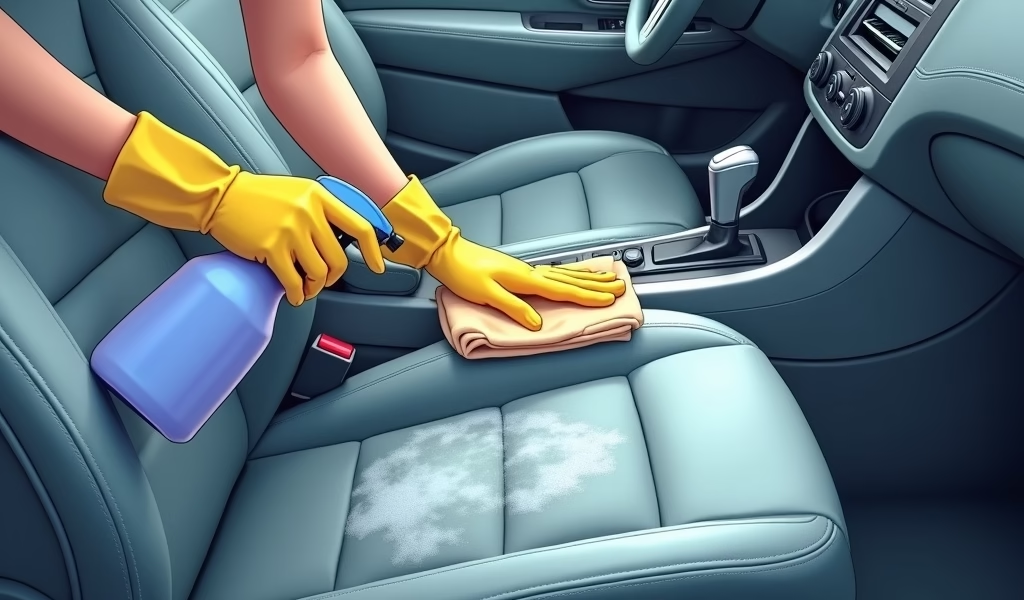
Before diving into the cleanup process, gathering the right supplies will make your job infinitely easier. Here’s what I recommend having on hand:
Essential Supplies:
- Disposable gloves (nitrile or latex)
- Paper towels or clean rags
- Plastic scraper or old credit card
- Plastic bags for waste disposal
- Baking soda or commercial absorbent powder
- Spray bottle
- White vinegar
- Enzyme-based cleaner (like Nature’s Miracle or similar pet accident cleaner)
- Upholstery cleaner appropriate for your car’s interior
- Disinfectant spray or wipes
- Microfiber cloths
- Car odor eliminator (not just an air freshener)
- Carpet/upholstery brush with stiff bristles
For Tougher Cleanups:
- Portable wet/dry vacuum
- Carpet extractor or steam cleaner (can be rented)
- Ozone generator (for severe cases)
Pro tip: Consider creating a small “emergency cleanup kit” to keep in your trunk. Include gloves, paper towels, a scraper, baking soda, and a spray bottle of diluted vinegar solution. This can be invaluable for immediate action when accidents happen on the road.
Step 1: Remove Solid Material
The first and most unpleasant step is removing as much of the solid material as possible. Don’t delay this step – the sooner you remove the bulk of the mess, the less will soak into your upholstery.
Put on your gloves and open all doors and windows for ventilation. Use your plastic scraper or the edge of a cardboard piece to gently scoop up solid materials without pushing them further into the upholstery. Work from the outside edges toward the center to avoid spreading the mess.
Place all solid material directly into a plastic bag. Be thorough but gentle – pressing too hard can force liquids deeper into the padding beneath the upholstery. For material that’s gotten into crevices like seat seams or between console components, you can use a toothpick or similar small tool to carefully extract it.
If the vomit has already dried, you’ll need to moisten it slightly first. Spray a small amount of water (not soaking) and allow it to sit for 30 seconds to soften dried material before scraping. For particularly stubborn dried residue, a mixture of warm water with a drop of dish soap can help loosen it without damaging your upholstery.
Remember to check adjacent areas too – splatter can travel surprisingly far, especially on hard surfaces like dashboards and door panels. These spots are easy to miss initially but can cause lingering odors if not addressed.
Step 2: Absorb Liquid
After removing solid material, you’ll need to address the liquid component that has likely soaked into your car’s upholstery. This step is critical for preventing odors and stains from setting permanently.
Liberally sprinkle baking soda or a commercial absorbent powder directly onto the affected area. These substances work by drawing moisture upward out of the upholstery fibers. Allow the powder to sit for at least 15-20 minutes – you’ll actually see it begin to clump as it absorbs moisture and neutralizes acids.
For deeper saturation, particularly in cloth seats or carpeting, you may need to repeat this process several times. Be patient – rushing this step often leads to incomplete cleaning and lingering odors. The powder should fully absorb moisture until it appears completely dry when you touch it.
Once the powder has done its work, use a vacuum with a hose attachment to thoroughly remove all the absorbent material. Be methodical and vacuum in different directions to ensure you’re reaching all the powder. A stiff brush can help loosen powder that’s settled into the fibers before vacuuming.
For vehicles with leather or vinyl seats, this step is slightly different. After removing solids, wipe the surface with a damp cloth, then immediately dry with a clean towel. These materials don’t absorb liquid as readily as fabric, making them easier to clean but also potentially more susceptible to acid damage if not wiped promptly.
Step 3: Apply Cleaning Solution
Now that you’ve removed the bulk of the mess, it’s time to tackle any remaining residue and begin eliminating odors with an appropriate cleaning solution. Your approach will vary slightly depending on your car’s upholstery material.
For fabric upholstery, create a cleaning solution by mixing equal parts white vinegar and warm water in a spray bottle. The acidity of the vinegar helps neutralize the acids in vomit while also beginning the disinfection process. Spray the solution lightly over the affected area – dampening it without soaking. Allow it to sit for about 5 minutes.
Using a clean microfiber cloth, blot the area to absorb the cleaning solution and any dissolved residue. Avoid rubbing or scrubbing at this stage, as that can push the contaminants deeper into the fabric. Continue blotting until the cloth comes away clean.
For leather or vinyl surfaces, use a cleaner specifically formulated for these materials. Apply a small amount to a clean cloth (never directly to the surface) and gently wipe the affected area in circular motions. Follow with a clean, slightly damp cloth to remove any cleaner residue, then dry completely with another clean towel.
For particularly stubborn spots, an enzyme-based cleaner designed for organic stains can be incredibly effective. These specialized cleaners contain proteins that break down biological matter at the molecular level, eliminating both stains and odor sources. They’re particularly valuable for vomit situations because they can digest the proteins that cause persistent smells.
If using a commercial enzymatic cleaner, follow the product directions exactly. Most require a specific dwelling time to work effectively, typically 10-15 minutes. During this period, keep the area moist with the solution so the enzymes can continue working.
Step 4: Deep Clean and Disinfect
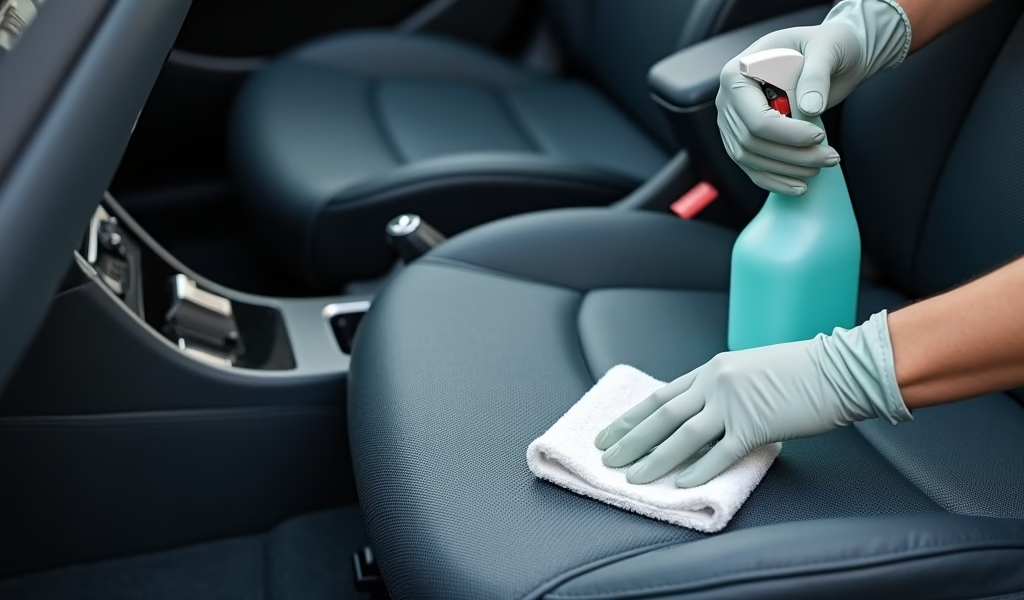
After the initial cleaning, you’ll need to perform a deeper cleaning to ensure all traces of vomit and bacteria are removed. This step is essential not just for odor elimination but for hygiene reasons as well.
For fabric upholstery and carpets, a carpet extractor or steam cleaner is ideal. These machines inject cleaning solution deep into the fibers and then extract it along with dissolved contaminants. If you don’t own one, many auto parts stores and supermarkets offer rental machines, or you can use a portable spot cleaner like a Bissell SpotClean.
When using an extractor, make multiple passes over the affected area. First apply the cleaning solution, allow it to dwell according to the machine’s instructions, then extract thoroughly. Make several passes with just the extraction function to remove as much moisture as possible. The key to success is removing the maximum amount of water – damp upholstery can develop mildew, creating a new odor problem.
If you don’t have access to an extractor, you can still achieve good results with manual methods. Mix a specialized upholstery cleaner according to package directions, apply it with a soft brush, gently agitating to create foam. Allow it to dwell for the recommended time, then blot with clean, dry towels. Repeat until the towels come away clean.
For disinfection, which is especially important with bodily fluids, use a product that specifically states it kills viruses and bacteria. Many disinfectants recommended by the CDC are safe for car interiors when used properly. Apply the disinfectant after cleaning and allow it to air dry for maximum effectiveness.
For leather and vinyl surfaces, use a designated leather cleaner followed by a leather conditioner to prevent drying or cracking. The conditioning step is crucial after using any cleaning product on leather, as these surfaces can become brittle if stripped of their natural oils.
Throughout this process, continue to maintain good ventilation by keeping windows open and, if possible, doing the deep cleaning in a shaded, breezy location. This helps with drying and prevents cleaning product fumes from becoming overwhelming.
Step 5: Deodorize Your Car
Even after thorough cleaning, lingering odors can persist. These aren’t just unpleasant – they’re often an indication that some residue remains. Proper deodorization is the final critical step in your cleanup process.
Begin with another application of baking soda on fabric surfaces. This time, after sprinkling it liberally over the cleaned area, gently brush it into the fibers with a soft brush and allow it to sit overnight if possible. The extended contact time allows baking soda to absorb odors more effectively. Vacuum thoroughly the next day using a powerful vacuum with a clean filter.
For a more intensive approach, consider using an activated charcoal odor absorber. These products are far more effective than conventional air fresheners because they actually capture odor molecules rather than just masking them. Place several small containers of activated charcoal around your vehicle and leave them for 48-72 hours with the windows closed.
If odors persist after these treatments, an enzymatic deodorizer specifically designed for organic odors may be necessary. These products continue breaking down organic matter that might remain in tiny quantities. Apply according to package directions, typically by lightly spraying the area and allowing it to air dry completely.
For severe cases, particularly if the vomit sat for an extended period or soaked deeply into the vehicle, professional-grade solutions might be necessary. Ozone generators are extremely effective but should be used with caution and according to manufacturer guidelines, as ozone can be harmful if misused. Many professional car detailing services offer ozone treatment specifically for odor elimination.
Finally, replace your cabin air filter. Vomit odors can be pulled into your ventilation system and recirculated throughout the vehicle. A new cabin air filter, preferably one with activated charcoal, helps ensure your car’s air stays fresh.
Handling Special Surfaces
Different surfaces in your car require slightly different approaches when dealing with vomit cleanup. Here’s how to handle some common special cases:
Floor Mats
If removable floor mats are affected, take them out of the vehicle immediately. For rubber or vinyl mats, hose them down outside and clean with a solution of dish soap and water, followed by disinfectant. For carpet mats, follow the fabric upholstery instructions above, but you have the advantage of being able to thoroughly rinse them outdoors and hang to dry completely before returning to the vehicle.
Between Seats and Crevices
Vomit that’s worked its way into seat tracks, around seatbelt buckles, or into console crevices presents a special challenge. Use a toothbrush dipped in cleaning solution to scrub these areas, followed by extraction using the narrow attachment on your vacuum. A can of compressed air can help dislodge particles from hard-to-reach places.
Electronic Components
For vomit that’s contacted electronic controls, use extreme caution. Never spray liquids directly onto electronics. Instead, slightly dampen a cloth with isopropyl alcohol (at least 70%) and very gently wipe the surfaces. Allow to air dry completely before using the electronics. For severe cases involving electronic components, professional cleaning may be necessary.
Headliner
Car headliners require special care as they can easily be damaged by excessive moisture. If vomit has reached your headliner, use as little liquid as possible during cleaning. Lightly dampen a clean microfiber cloth with your cleaning solution and gently blot—never rub. Allow to air dry completely with windows open.
Prevention Tips
While we can’t always prevent car sickness or other causes of in-vehicle vomiting, there are steps you can take to minimize the impact when accidents happen:
- Keep emergency cleanup supplies in your vehicle at all times
- Consider using removable, washable seat covers in vehicles frequently used for transporting children or pets
- Apply fabric protector products to upholstery to create a barrier that makes cleanup easier
- For those prone to motion sickness, keep appropriate remedies on hand and ensure good ventilation
- Use emesis bags (specially designed for vomit containment) during road trips with motion-sickness-prone passengers
If you regularly transport individuals who struggle with motion sickness, consider strategic seating. The front passenger seat typically experiences less motion than rear seats, and looking at the horizon can help reduce nausea. Avoiding reading or screen time in moving vehicles can also significantly reduce motion sickness incidents.
Conclusion
Dealing with vomit in your car is undeniably unpleasant, but with the right approach, you can completely eliminate both the physical mess and lingering odors. The key is acting quickly, being thorough in each step of the process, and understanding that odor elimination often requires multiple approaches.
Remember that patience pays off when dealing with this type of cleanup. Rushing through the process or skipping steps almost always results in residual odors that can make your vehicle unpleasant for weeks or months afterward. By following this comprehensive 5-step guide, you’ll restore your car to its pre-incident condition.
For particularly severe cases, or if you’re dealing with a luxury vehicle with specialized materials, don’t hesitate to consult professional detailers. The investment in professional cleaning is often worth it when balanced against the potential for permanent damage from improper cleaning techniques.
Finally, use this experience as an opportunity to prepare for the future. Creating a small emergency cleanup kit for your vehicle means you’ll never be caught unprepared again, turning a potential disaster into a manageable situation.
Frequently Asked Questions
How long does it take for vomit smell to go away in a car?
With proper cleaning, the smell should dissipate within 24-48 hours. Without thorough cleaning, the odor can persist for weeks or even months.
Will vomit stain car upholstery permanently?
If cleaned promptly, vomit typically won’t leave permanent stains. The acid in vomit can cause permanent damage if left for extended periods (12+ hours).
Can I use bleach to clean vomit from my car?
Never use bleach on car upholstery as it can permanently damage colors and fabrics. Enzyme cleaners and vinegar solutions are safer and more effective alternatives.
How do I get dried vomit out of car seat crevices?
Use a soft brush to loosen dried particles, then vacuum with a narrow attachment. Follow with a toothbrush dipped in enzyme cleaner for deep crevices.
What’s the fastest way to remove vomit smell from a car?
For immediate relief, remove all solid material, treat with baking soda, and place activated charcoal odor absorbers in the vehicle. Complete elimination requires following all five cleaning steps properly.