
Overview
Just like arteries can get clogged with plaque, your car’s throttle body—the crucial gatekeeper controlling airflow to your engine—becomes restricted by carbon deposits over time, leading to rough idling, poor acceleration, and decreased fuel economy. This detailed guide walks through the complete process of throttle body cleaning, from recognizing symptoms and gathering the right tools to performing a proper cleaning and avoiding common mistakes, ultimately helping you improve performance, extend engine life, and save hundreds in unnecessary repair costs.
Table of Contents
- Understanding the Throttle Body: What It Does and Why It Matters
- Signs Your Throttle Body Needs Cleaning: 6 Common Symptoms
- The Benefits of Regular Throttle Body Cleaning
- What You’ll Need: Tools and Materials for Throttle Body Cleaning
- Step-by-Step Guide: How to Clean Your Throttle Body
- How Often Should You Clean Your Throttle Body?
- Common Mistakes to Avoid When Cleaning Your Throttle Body
- Professional Cleaning vs. DIY: What’s Right for You?
- Conclusion
- Frequently Asked Questions
Understanding the Throttle Body: What It Does and Why It Matters
I’ve been fixing cars for over 25 years, and if there’s one maintenance task that too many folks overlook, it’s how to clean throttle body components properly. Your throttle body might not be a household name like your engine or brakes, but trust me—it’s a crucial part of your vehicle’s performance puzzle.
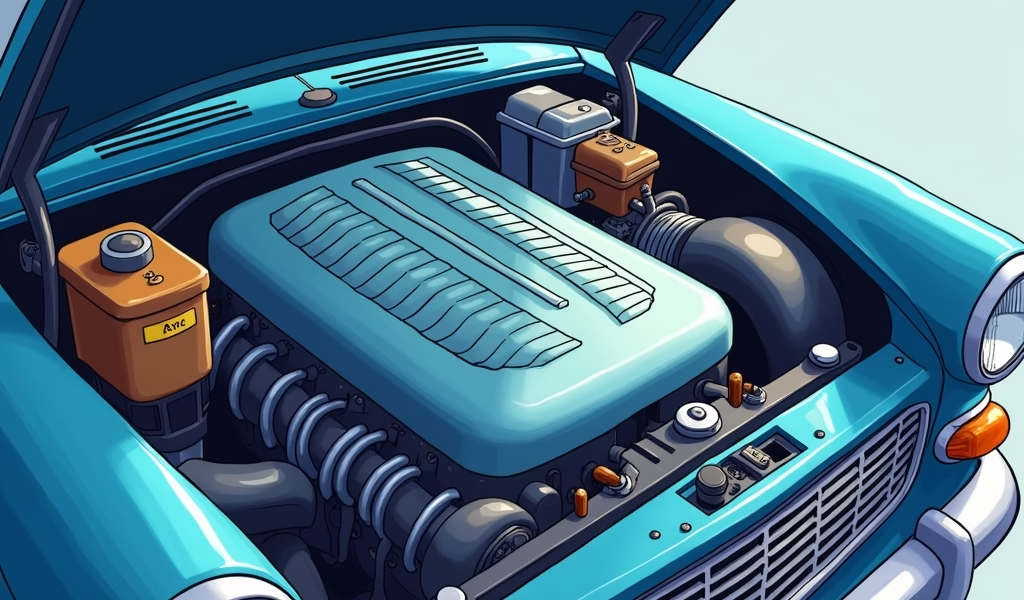
Think of your throttle body as the gatekeeper for the air entering your engine. It’s that simple—and that important. When you press the gas pedal, the throttle body opens wider, letting more air flow into the engine, which mixes with fuel to create the combustion that powers your car. Located between your air intake and engine intake manifold, this component directly affects how your engine breathes.
Over time, carbon deposits, dirt, and oil vapor build up inside the throttle body. This gunk is like plaque in arteries—it restricts airflow, throws off the delicate air-fuel mixture, and forces your engine to work harder than it should. The result? Poor fuel economy, rough idling, hesitation when accelerating, and potentially some pretty expensive trips to the shop.
Modern vehicles have electronic throttle bodies controlled by your car’s computer, making proper maintenance even more important. A dirty throttle body confuses these sensors, causing your car’s computer to make incorrect adjustments. It’s like trying to breathe through a straw—everything has to work harder, wearing out faster.
The good news? You can avoid these problems with some simple preventive maintenance that won’t break the bank. Let’s walk through everything you need to know about keeping your throttle body clean and your engine running smoothly.
Signs Your Throttle Body Needs Cleaning: 6 Common Symptoms
After decades under the hood, I’ve seen countless cars suffering from dirty throttle bodies. The tricky part? Many drivers mistake these symptoms for more serious (and expensive) problems. Here are the telltale signs your throttle body is crying out for attention:
- Rough or irregular idle: If your car shakes, vibrates, or the RPMs fluctuate unpredictably when you’re stopped at a light, your throttle body might be gunked up.
- Hesitation during acceleration: When you press the gas pedal but your car hesitates before picking up speed, it’s often because the throttle body can’t adjust quickly enough due to carbon buildup.
- Stalling: In more severe cases, your engine might actually stall at idle because it’s not getting the consistent airflow it needs.
- Check Engine Light: Your car’s computer is smart enough to notice when the throttle body isn’t functioning properly. It often triggers codes P0121, P0122, or P0123, which relate to throttle position sensor issues.
- Decreased fuel economy: When your engine can’t breathe efficiently, it compensates by using more fuel. If you’ve noticed more frequent trips to the gas station, your throttle body might be the culprit.
- Visible dirt or carbon deposits: If you peek inside your throttle body and see black, sticky deposits, it’s definitely time for a cleaning.
Remember, these symptoms can mimic other problems, which is why throttle body issues often go undiagnosed. Many shops might jump to more expensive repairs when a simple cleaning could fix the issue. Professional mechanics typically check the throttle body as part of diagnostic procedures, but being aware of these symptoms can help you suggest this potential cause before more costly repairs are attempted.
The Benefits of Regular Throttle Body Cleaning
As a mechanic who’s helped countless vehicles get back to peak performance, I can tell you that cleaning your throttle body regularly offers some impressive benefits. Let’s break down what you can expect when you make this simple maintenance task a priority:
Improved fuel efficiency. A clean throttle body allows for optimal air-fuel mixture, which means your engine doesn’t have to work as hard or burn extra fuel to compensate for restricted airflow. Many drivers notice a 2-4% improvement in gas mileage after a proper cleaning—that adds up over time!
Smoother idle and operation. That annoying vibration when you’re sitting at a stoplight? Often fixed with a throttle body cleaning. Your engine will idle more consistently and run more smoothly overall.
Better throttle response. When you press the accelerator, you want your car to respond immediately. A clean throttle body means the butterfly valve can open and close precisely as needed, giving you that crisp acceleration you expect.
Extended engine life. Proper air-fuel mixture reduces strain on your engine components. Less strain means less wear, and less wear means your engine lasts longer. It’s that simple.
Prevent costly repairs. A $10 can of throttle body cleaner and 30 minutes of your time can prevent issues that might cost hundreds at a repair shop. I’ve seen dirty throttle bodies lead to damaged sensors, fouled spark plugs, and even catalytic converter problems—all avoidable with basic maintenance.
Reduced emissions. An engine running at peak efficiency produces fewer harmful emissions. In fact, EPA studies show that proper vehicle maintenance plays a significant role in reducing your car’s environmental impact.
The best part? Unlike many car maintenance tasks, cleaning your throttle body is relatively quick, inexpensive, and delivers immediate results. I’ve had customers who were convinced they needed major engine work drive away amazed after just a throttle body cleaning. This simple maintenance step offers some of the best bang-for-your-buck in the automotive world.
What You’ll Need: Tools and Materials for Throttle Body Cleaning
Before we roll up our sleeves and get to work, let’s make sure you have everything you need. Having spent decades in the shop, I’ve learned that having the right tools ready makes any job go smoother. Here’s what you’ll need to clean your throttle body properly:
Essential Cleaning Supplies:
- Throttle body cleaner spray: This specialized solvent is designed to dissolve carbon deposits without damaging sensitive components. Don’t substitute with brake cleaner or carburetor cleaner—they can damage the throttle body coating.
- Microfiber cloths or lint-free rags: You’ll need these to wipe away loosened deposits. Avoid paper towels, which can leave lint behind.
- Old toothbrush or soft-bristled brush: For gently scrubbing stubborn deposits without scratching surfaces.
- Disposable gloves: Throttle body cleaner is harsh on skin, and carbon deposits are messy.
- Safety glasses: Protect your eyes from cleaner spray and debris.
Basic Tools:
- Screwdriver set: Usually a Phillips and flathead will cover most throttle body housings.
- Socket set and ratchet: Some vehicles require socket wrenches to access the throttle body.
- Pliers: Helpful for removing stubborn hose clamps.
- Small container: To hold screws and small parts so they don’t get lost.
Optional But Helpful:
- Shop towels: For covering surrounding areas to prevent cleaner from dripping onto other engine components.
- Intake gasket: If your throttle body uses a gasket, it’s good to have a replacement on hand. Many don’t require this, but check your service manual.
- Service manual or repair guide: Especially helpful for first-timers or when working on an unfamiliar vehicle.
- Flashlight or work light: Engines are dark places; good lighting makes a big difference.
One thing I’ve learned from maintaining cars for maximum mileage is that quality matters with your supplies. I recommend getting a throttle body cleaner from a reputable brand like CRC, 3M, or Liqui Moly. The few extra dollars for good supplies will pay off with better results and less chance of damaging sensitive components.
Most auto parts stores carry everything you need, and a complete kit will cost between $15-30 depending on what tools you already have. That’s a small investment compared to the $100-300 a shop might charge for the same service!
Step-by-Step Guide: How to Clean Your Throttle Body
After cleaning hundreds of throttle bodies over my career, I’ve developed a foolproof method that works for most vehicles. I’ll walk you through this process step-by-step, just like I would if you were in my garage. Let’s get started:
Preparation: Safety First
- Ensure your engine is completely cool before beginning. Working on a hot engine can cause burns and some cleaners are flammable.
- Disconnect the negative terminal of your battery. This prevents accidental starts and resets the idle control.
- Put on your gloves and safety glasses.
- Locate your throttle body—typically mounted between the air intake and the intake manifold.
Accessing the Throttle Body
1. Remove the air intake duct connected to the throttle body. Depending on your vehicle, you’ll need to loosen clamps or remove screws.
2. Take a “before” photo with your phone. This helps remember how everything connects and gives you the satisfaction of seeing the difference afterward.
3. Inspect the throttle body, noting the position of the butterfly valve and any electrical connections.
4. If your vehicle has a mass airflow sensor nearby, cover it with a plastic bag to protect it from cleaner spray.
The Cleaning Process
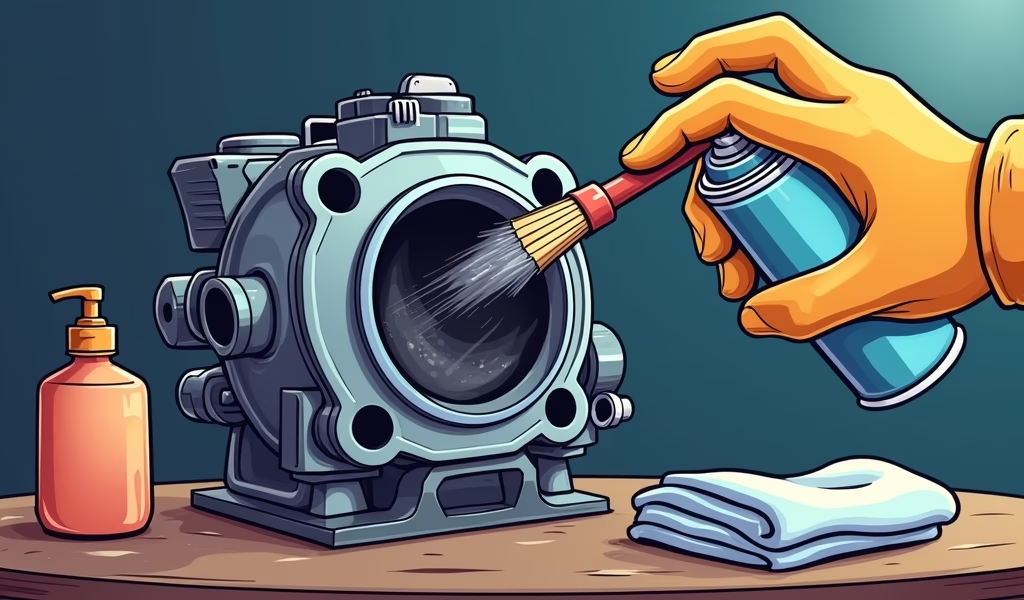
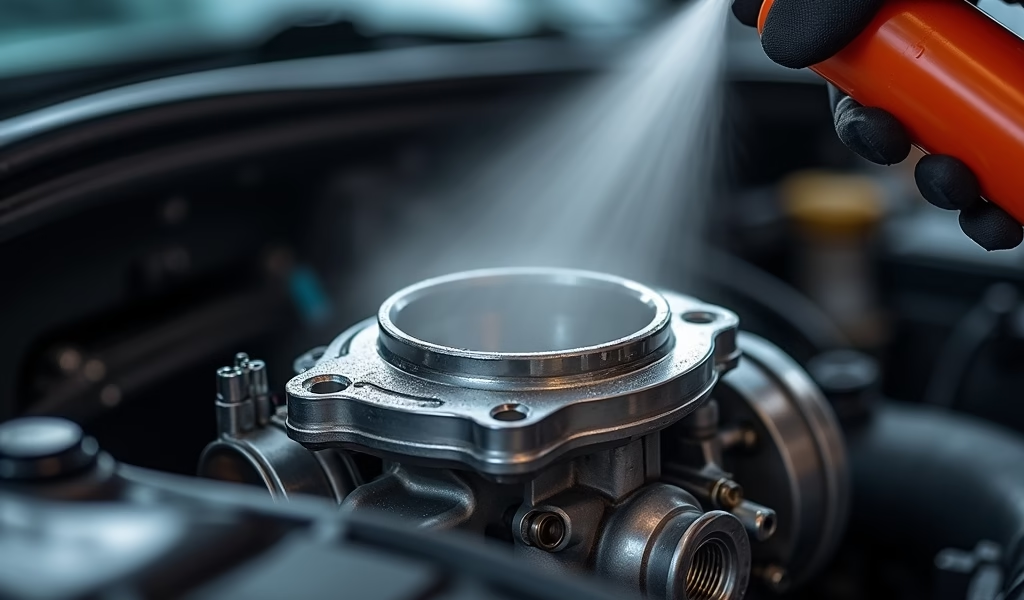
1. Spray throttle body cleaner onto a microfiber cloth (not directly into the throttle body).
2. Gently wipe the accessible parts of the throttle plate (butterfly valve) and the housing. Be careful not to press too hard on the throttle plate.
3. For stubborn deposits, use your soft brush lightly dampened with cleaner. Again, be gentle!
4. Use a clean section of cloth to wipe away loosened debris and excess cleaner.
5. Pay special attention to the edges where the throttle plate meets the housing—this is where deposits often accumulate.
6. If your throttle body has an idle air control valve or throttle position sensor exposed, clean around them carefully without spraying cleaner directly onto electrical components.
Reassembly
1. Once clean, allow 5-10 minutes for any remaining cleaner to evaporate.
2. Reinstall the air intake duct, ensuring all clamps are secure and any disconnected hoses are properly reattached.
3. Reconnect the negative battery terminal.
Relearning Procedure
1. Start the engine and let it idle. It may run rough initially—this is normal as the computer adjusts to the clean throttle body.
2. Allow the engine to idle for 5-10 minutes to complete its relearning process.
3. Take a short drive, including some steady-speed highway driving if possible, to help the computer fully adjust.
A word of caution from experience: On some newer vehicles with electronic throttle bodies, the computer needs a specific relearning procedure. Check your specific vehicle’s requirements or consult your owner’s manual before proceeding.
This entire process typically takes 30-45 minutes for a first-timer, and the results are often immediate. Expect smoother idling, better throttle response, and that satisfied feeling of saving yourself a chunk of change by doing it yourself!
How Often Should You Clean Your Throttle Body?
One of the most common questions I get in my shop is about maintenance intervals for throttle body cleaning. The honest answer is: it depends. But I can give you some reliable guidelines based on decades of working on all types of vehicles.
For most drivers with modern vehicles, cleaning your throttle body every 30,000 to 50,000 miles is a good rule of thumb. This interval hits the sweet spot between preventive maintenance and not performing unnecessary work.
However, several factors can affect how quickly your throttle body gets dirty:
- Driving conditions: City driving with lots of stop-and-go traffic accelerates carbon buildup compared to highway cruising.
- Fuel quality: Higher quality fuels with good detergent additives help keep your fuel system cleaner, including your throttle body.
- Oil control: Vehicles that burn oil or have PCV (Positive Crankcase Ventilation) system issues will see faster throttle body contamination.
- Air filter maintenance: A dirty air filter allows more contaminants to reach your throttle body.
- Vehicle age: Older vehicles (especially those made before 2000) often need more frequent cleaning due to less sophisticated fuel and emission systems.
Rather than relying solely on mileage, I recommend also watching for the symptoms we discussed earlier. If you notice rough idle, hesitation during acceleration, or decreased fuel economy, it might be time for a cleaning regardless of your mileage.
Some vehicles are known for requiring more frequent throttle body attention. In my experience, many Ford, Nissan, and older Toyota models tend to need cleaning more often, sometimes as frequently as every 20,000 miles.
On the flip side, if you’ve gone 60,000 miles without symptoms and your throttle body looks relatively clean when inspected, you might be fine extending the interval. Every engine is different, and paying attention to your car’s unique needs is part of responsible ownership.
When in doubt, a quick visual inspection can tell you a lot. Pop off the air intake hose and take a look—if you see significant black deposits, it’s cleaning time regardless of your mileage.
Common Mistakes to Avoid When Cleaning Your Throttle Body
In my years as a mechanic, I’ve seen plenty of DIY throttle body cleaning jobs go wrong. Let me share the most common mistakes so you can avoid them and get professional-quality results:
Using the Wrong Cleaner
Not all automotive cleaners are created equal. Never use carburetor cleaner, brake cleaner, or general-purpose degreasers on your throttle body. These can damage the protective coating on throttle body components and attack plastic or rubber parts. Always use a cleaner specifically labeled for throttle bodies.
Spraying Directly Into the Throttle Body
I cringe when I see people spraying cleaner directly into the throttle body assembly. This can send cleaner flooding into your intake manifold and potentially into cylinders. Always spray onto your cloth first, then wipe the components.
Forcing the Throttle Plate Open
The butterfly valve (throttle plate) in your throttle body is precisely calibrated. Forcing it open manually can damage the gears or electronic controls that regulate it. Clean around it in its resting position, and be gentle when wiping the plate itself.
Disconnecting Sensors Without Marking Them
If you need to disconnect any electrical connectors to access your throttle body, always take photos or label them before removal. Connecting sensors incorrectly can trigger check engine lights or cause performance problems.
Skipping the Relearning Procedure
Modern vehicles need to “relearn” their idle settings after throttle body cleaning. Skipping this step often results in rough running for days afterward. Follow the idle relearning procedure for your specific vehicle.
Over-Cleaning
Surprisingly, you can be too thorough. Some throttle bodies have calibration markings or special coatings that aggressive scrubbing can remove. Clean firmly enough to remove deposits, but don’t scour like you’re removing rust from a shovel.
Ignoring Related Components
While focusing on the throttle body, don’t overlook related components like the IAC (Idle Air Control) valve or the MAF (Mass Air Flow) sensor. These often need attention too, but require specific cleaning methods and sometimes different cleaners.
Cleaning When Not Necessary
If your vehicle has less than 30,000 miles and no symptoms of throttle body issues, cleaning might be unnecessary and could actually disrupt the computer’s learned settings. When in doubt, inspect before cleaning.
I once had a customer who used window cleaner on his throttle body because he “ran out of the proper stuff.” The alcohol and ammonia damaged the sensitive components, and he ended up needing a replacement throttle body at ten times the cost of the proper cleaner. The moral? Do it right or leave it to a professional.
Professional Cleaning vs. DIY: What’s Right for You?
After guiding countless car owners through maintenance decisions, I’ve learned that knowing when to DIY and when to visit a shop is crucial. Let me help you decide what’s right for your situation when it comes to throttle body cleaning.
When DIY Makes Sense:
- You have basic mechanical skills: If you can change your own oil or air filter, you likely have the skills for throttle body cleaning.
- Your vehicle has an accessible throttle body: Many Japanese and American cars from the 1990s through early 2010s have throttle bodies that are easy to access.
- You have the right tools: With the supplies we listed earlier, you’re set for a proper job.
- You’re comfortable with some trial and error: Every vehicle is slightly different, and being patient with the learning process helps.
- You want to save money: Professional cleaning typically costs $100-300, while DIY materials run $15-30.
When Professional Service Makes More Sense:
- You have a newer luxury or high-performance vehicle: Some German and luxury cars have complex electronic throttle systems that require specialized tools or procedures.
- The throttle body is difficult to access: Some engines are packed so tightly that reaching the throttle body requires removing multiple components.
- You have a diesel or direct injection engine: These have different systems that might not benefit from typical throttle body cleaning.
- You have physical limitations: Some throttle bodies require awkward positioning or significant hand strength to access.
- You’re experiencing multiple engine performance issues: If throttle body symptoms accompany other problems, a comprehensive diagnostic approach from a professional might be better.
In my shop, we charge about $120 for throttle body cleaning service. This includes not just the cleaning but also inspection of related components and a proper relearning procedure. For many drivers, the convenience and confidence of professional service is worth the cost.
That said, I’ve talked many capable car owners through DIY cleaning over the phone. If you decide to do it yourself, consider having a professional’s number handy just in case you run into complications.
Remember: there’s no shame in starting a job and deciding it’s beyond your comfort zone. I’ve rescued plenty of DIY projects, and any good mechanic would rather see you bring in a partially disassembled car than continue and cause damage.
Conclusion
After spending decades helping drivers keep their cars running smoothly, I can confidently say that knowing how to clean throttle body components properly ranks among the most valuable skills for any vehicle owner. This simple maintenance task sits in that sweet spot of being accessible enough for most DIYers while delivering genuinely impressive benefits.
Remember, a clean throttle body means better fuel economy, smoother operation, improved performance, and potentially thousands of dollars saved in unnecessary repairs or premature component replacement. For a task that takes less than an hour with about $20 in supplies, that’s an incredible return on investment.
What I appreciate most about throttle body cleaning is that it’s one of those rare maintenance jobs where you can often feel the difference immediately. That rough idle smooths out, the hesitation during acceleration disappears, and your vehicle responds more predictably to throttle inputs.
Whether you decide to tackle this job yourself or entrust it to a professional, making throttle body cleaning part of your regular maintenance schedule is a smart move. Your vehicle will run better, last longer, and cost less to operate over its lifetime.
As with any maintenance task, prevention is always easier than cure. Don’t wait until you’re experiencing serious symptoms before addressing throttle body cleanliness. Build this into your maintenance schedule alongside oil changes and air filter replacements, and your engine will thank you with years of reliable service.
Happy driving, and remember—a little attention to your throttle body today means a lot fewer headaches (and expenses) tomorrow!
Frequently Asked Questions
Can I clean my throttle body without disconnecting the battery?
No, you should always disconnect the negative battery terminal first. This prevents electrical shorts and allows the car’s computer to properly reset and relearn idle settings after cleaning.
Will cleaning my throttle body improve my gas mileage?
Yes, in most cases. A clean throttle body allows for proper air-fuel mixture, which can improve fuel efficiency by 2-4% in vehicles with significant carbon buildup.
Can a dirty throttle body damage my engine?
Yes, over time it can. Restricted airflow forces your engine to work harder and can lead to improper combustion, which may damage sensors, spark plugs, and even catalytic converters.
Is it normal for my car to idle rough after cleaning the throttle body?
A slightly rough idle immediately after cleaning is normal while the computer relearns the idle settings. This should smooth out after 5-10 minutes of idling or a short drive.
Can I use WD-40 to clean my throttle body?
No, never use WD-40 or similar lubricants. Only use cleaners specifically designed for throttle bodies as other products can damage the components or leave harmful residues.