

Overview
When your car smells funkier than last week’s gym socks, it’s probably hosting a mold party you weren’t invited to. This guide provides a detailed 5-step process for eliminating car mold (vacuum, apply vinegar or specialized cleaners, scrub, dry thoroughly, deodorize), along with prevention tips and advice on when professional help is needed to protect both your vehicle’s interior and your respiratory health.
Table of Contents
- Understanding Car Mold: Causes and Health Implications
- Materials Needed for Mold Removal
- The 5-Step Guide to Clean Mold Out of Your Car
- Dealing with Stubborn Mold: Advanced Techniques
- Prevention Tips: Keeping Mold from Returning
- When to Seek Professional Help
- Conclusion
- Frequently Asked Questions
Understanding Car Mold: Causes and Health Implications
Discovering how to clean mold out of car interiors is something no vehicle owner wants to face, but it’s a problem I see regularly in my shop, especially during humid months. That fuzzy, sometimes slimy growth isn’t just unsightly—it can trigger allergies, respiratory issues, and even exacerbate asthma in sensitive individuals.
Mold thrives in your vehicle for simple reasons: moisture and organic material. Your car creates the perfect breeding ground when water enters through leaky windows, spilled drinks, or even high humidity combined with poor ventilation. Add the organic materials found in dust, skin cells, and food crumbs, and you’ve created a mold paradise.
The most common areas for mold growth include fabric seats, carpeting, headliners, and those hard-to-reach crevices between seats. Dark, damp environments like under floor mats or in trunk spaces are particularly susceptible. I’ve seen severe cases where mold had been growing for months, creating that distinctive musty smell before becoming visible.
According to the Environmental Protection Agency, exposure to mold can cause nasal stuffiness, eye irritation, wheezing, and skin irritation. For people with serious allergies, exposure can be even more severe. That’s why addressing a mold problem quickly isn’t just about preserving your car’s interior—it’s about protecting your health.
Materials Needed for Mold Removal
Before diving into the cleaning process, gathering the right supplies is crucial for effectively tackling car mold. From my years working in automotive restoration, I’ve found these items to be essential:
- Personal protection equipment:
- N95 respirator mask
- Rubber gloves
- Safety glasses
- Cleaning supplies:
- Vacuum with upholstery attachment
- White vinegar (distilled)
- Baking soda
- Isopropyl alcohol (70-90%)
- Commercial anti-fungal cleaner
- Microfiber cloths
- Soft-bristled brushes (various sizes)
- Spray bottles
- Bucket of warm water
- Drying equipment:
- Portable fan
- Dehumidifier (if available)
- Towels for absorbing excess moisture
Don’t skimp on the protective gear—mold spores can easily become airborne during cleaning. The N95 respirator is particularly important since it filters out these microscopic particles, preventing you from inhaling them while you work. This isn’t just mechanic advice; it’s a CDC recommendation when dealing with mold remediation.
For those who prefer more natural solutions, the white vinegar and baking soda combination works wonders. However, for severe infestations, you might need to invest in specialized automotive mold and mildew removers, which are formulated to be safe for car interiors while effectively killing mold spores.
The 5-Step Guide to Clean Mold Out of Your Car
Step 1: Preparation and Safety Measures
Before attacking the mold, park your vehicle in a well-ventilated area—preferably outdoors on a dry, sunny day. Remove all items from your car, including floor mats, seat covers, and any personal belongings. This comprehensive interior cleaning approach ensures you can access all affected areas.
Put on your protective gear: gloves, mask, and safety glasses. I can’t stress this enough—mold spores are not something you want in your lungs or eyes. Open all doors and windows to maximize airflow throughout the cleaning process.
Step 2: Vacuum Thoroughly
Using a vacuum with a HEPA filter (if available), thoroughly vacuum all surfaces of your car’s interior. Pay special attention to seams, crevices, and under seats where mold loves to hide. The goal here is to remove as many loose mold spores as possible before introducing any moisture.
Work methodically from top to bottom—headliner, seats, dashboard, door panels, and finally the carpets. Use brush attachments to agitate surfaces gently, releasing embedded spores. Empty the vacuum canister or bag outside your home to prevent cross-contamination.
Step 3: Apply Cleaning Solution
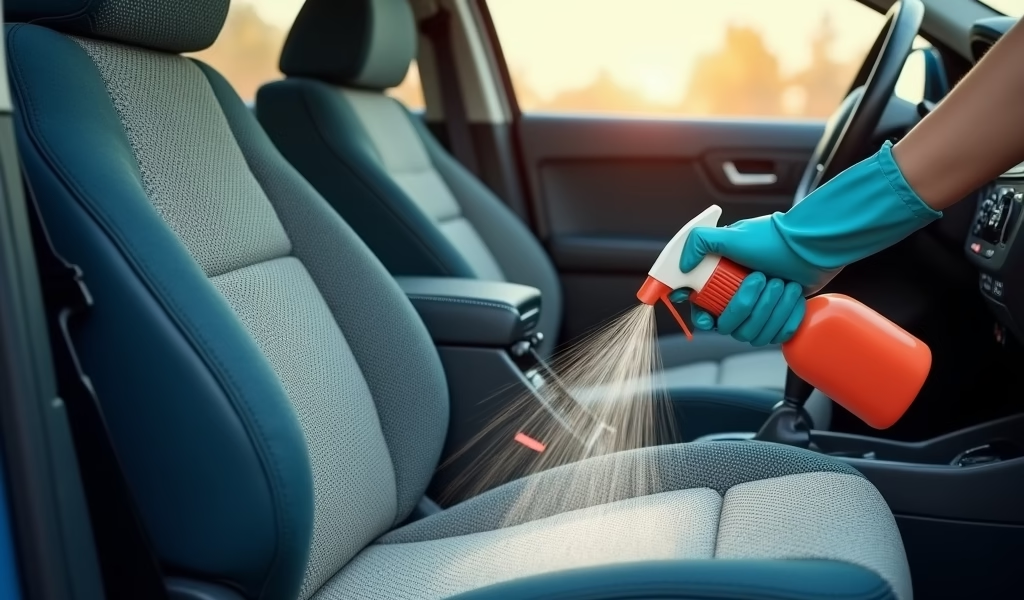
Now for the cleaning solutions—I typically recommend starting with white vinegar for mild to moderate mold issues. Fill a spray bottle with undiluted white vinegar and lightly spray affected areas. Despite the temporary smell, vinegar is remarkably effective at killing mold (studies show it eliminates up to 82% of mold species).
For fabric surfaces like seats and carpets, apply the vinegar solution, let it sit for 5-10 minutes, then gently scrub with a soft-bristled brush. For leather surfaces, use a milder approach—dilute the vinegar with equal parts water or opt for a specialized leather cleaner with anti-fungal properties.
For severe cases, you might need to use a commercial mold remover. Always test these products on a small, inconspicuous area first to ensure they don’t damage or discolor your car’s interior materials.
Step 4: Scrub and Extract
After allowing your cleaning solution to dwell for the appropriate time, it’s time to get scrubbing. Use varying pressure depending on the surface—gentle for headliners and dashboards, firmer for carpets and floor mats.
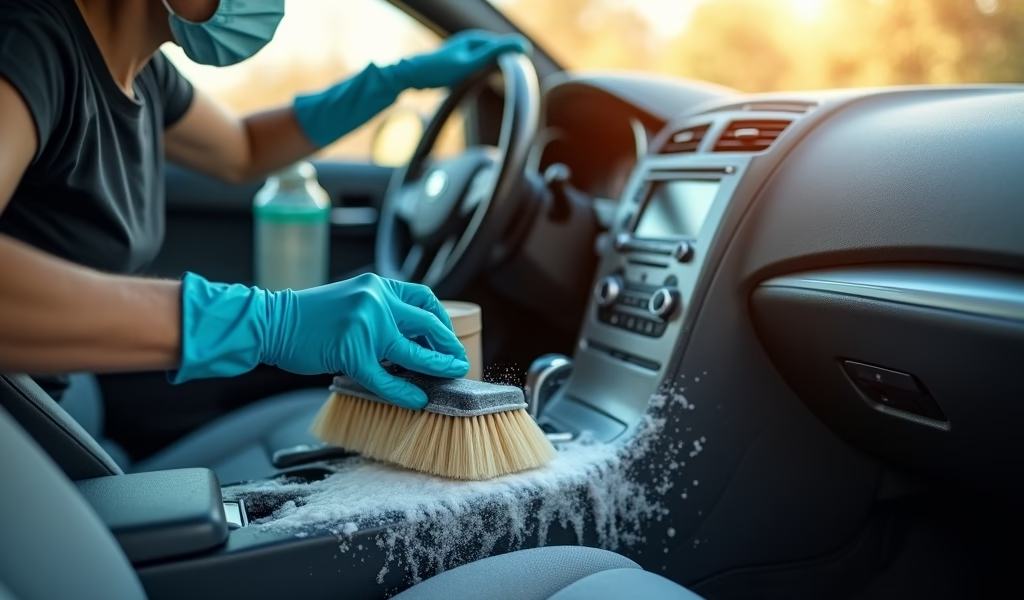
For upholstery, work the solution into a light foam using your brush, then wipe away with clean microfiber towels. For carpets, I recommend the extraction method—after scrubbing, press dry towels firmly into the carpet to absorb both the cleaning solution and dissolved mold residue.
For non-porous surfaces like vinyl or plastic trim, spray the solution, scrub lightly, and wipe clean. Repeat this process until no visible mold remains. Remember to frequently rinse your brush in clean water and change your towels as they become soiled.
Step 5: Drying and Deodorizing
This final step is perhaps the most crucial—thorough drying prevents future mold growth. Position portable fans to blow directly into your vehicle and leave all doors open. If available, a small dehumidifier placed in the car can dramatically speed up the drying process.
Allow at least 24-48 hours for complete drying, longer in humid climates. During this time, periodically check for any damp spots that might need additional attention.
Once dry, sprinkle baking soda lightly over carpets and fabric surfaces, let it sit overnight, then vacuum thoroughly. This natural deodorizer helps eliminate any lingering musty odors. For a finishing touch that many of my clients appreciate, leave activated charcoal or baking soda containers in your car for a few days to absorb any remaining odors.
Dealing with Stubborn Mold: Advanced Techniques
Sometimes, despite your best efforts, stubborn mold patches persist. In my 15+ years working with vehicle interiors, I’ve developed some specialized approaches for these challenging cases.
For deeply embedded mold in carpets, a steam cleaner can work wonders. The high-temperature steam penetrates deep into fibers, killing mold at its roots. Just be sure to extract as much moisture as possible afterward and provide ample drying time. This technique is particularly effective for car carpets, which tend to be more durable than residential carpeting.
For leather surfaces showing mold damage, a solution of equal parts isopropyl alcohol and water can be effective. Apply with a microfiber cloth, working gently to avoid damaging the leather. After cleaning, apply a leather conditioner to prevent drying and cracking—this step is non-negotiable when using alcohol-based cleaners on leather.
Headliners present a unique challenge because excessive moisture can weaken the adhesive. For these delicate areas, I recommend using a foam cleaner specifically designed for automotive upholstery. Apply the foam using minimal moisture, work it in with a soft brush, then wipe clean with a barely damp microfiber cloth.
When dealing with air vents—common sources of that persistent musty smell—specialized tools come in handy. A long, flexible brush can reach deep into vents where mold often grows. Spray a small amount of anti-fungal cleaner onto the brush before insertion. Following this treatment, running your car’s heating system on high for 10-15 minutes helps eliminate remaining spores in the ductwork.
For serious infestations that resist these methods, enzymatic cleaners designed for mold remediation might be your next step. These specialized products actually digest mold proteins rather than just killing the spores, making them particularly effective for persistent problems during professional detailing sessions.
Prevention Tips: Keeping Mold from Returning
After spending hours cleaning mold from your vehicle, the last thing you want is a repeat performance. Prevention is considerably easier than remediation, and I always share these practical tips with my customers after a mold-removal service.
Address water leaks immediately. Check your weather stripping around doors and windows regularly for cracks or deterioration. Inspect your sunroof drainage channels to ensure they’re clear of debris. Even a small leak can create enough moisture for mold to flourish.
Consider using moisture absorbers like silica gel packets or dedicated car dehumidifiers. These inexpensive products can make a significant difference, especially if you live in a humid climate. Place them under seats or in door pockets where they’ll be out of sight but still effective.
Maintain regular air conditioning system maintenance. Your car’s AC system not only cools the air but dehumidifies it as well. A properly functioning system helps keep interior humidity levels in check. Have your AC serviced annually to ensure it’s operating at peak efficiency.
Develop good habits after rain or car washes. Take a minute to dry door jambs and weather stripping with a towel. If your floor mats get wet, remove them and allow them to dry completely before reinstalling. These simple steps take seconds but can prevent hours of cleaning later.
Minimize food and drinks in your vehicle. Spilled beverages and food crumbs provide nutrients for mold growth. If spills occur, clean them promptly and thoroughly, making sure to extract all moisture from fabrics.
Finally, make it a habit to periodically air out your vehicle on dry, sunny days. UV light is a natural mold inhibitor, and good airflow prevents the stagnant, humid conditions that mold thrives in. Even 30 minutes with all doors open on a sunny day can help maintain a mold-resistant environment.
When to Seek Professional Help
While many mold situations can be handled with DIY methods, there are definite scenarios where calling in professionals like myself is the wiser course of action. Recognizing these situations can save you time, money, and potential health issues down the road.
Consider professional help if you’ve attempted cleaning multiple times without success. Persistent mold suggests either a hidden moisture source or deeply embedded growth that DIY methods can’t effectively reach. Professionals have specialized equipment and techniques to address these stubborn cases.
If you detect a strong musty odor but can’t locate visible mold, professionals can perform testing to identify hidden problem areas. Often, mold grows behind panels or under carpeting where it’s not immediately visible. Professional-grade moisture meters and thermal imaging can detect these hidden pockets of activity.
Health concerns should also guide your decision. If you or your family members experience increased allergy symptoms, respiratory issues, or other health problems when in the vehicle, don’t take chances. Professional remediation ensures thorough removal of potentially harmful spores.
Extensive mold covering large portions of your interior generally warrants professional intervention. According to industry guidelines from the Institute of Inspection, Cleaning and Restoration Certification, mold remediation involving more than 10 square feet typically requires professional equipment and containment procedures.
Finally, consider the value of your vehicle. For high-end or collectible cars, professional cleaning ensures proper treatment of premium materials like fine leather, alcantara, or custom upholstery. The cost of professional service is often far less than replacing damaged interior components.
Conclusion
Learning how to clean mold out of car interiors effectively is an essential skill for any vehicle owner. Not only does it preserve your car’s value and appearance, but it also protects your health and well-being. By following this comprehensive 5-step guide, you can tackle even stubborn mold problems with confidence.
Remember that persistence is key when dealing with mold. The cleaning process might require multiple attempts for severe cases, but don’t get discouraged. Each cleaning cycle reduces the mold population, bringing you closer to a completely mold-free interior.
Perhaps most importantly, once you’ve successfully eliminated the mold, implementing the prevention strategies outlined above will help ensure your hard work pays lasting dividends. Simple habits like addressing moisture immediately, maintaining good airflow, and regular cleaning can keep your car’s interior fresh and healthy for years to come.
Your vehicle is more than just transportation—it’s a space where you likely spend hours each week. Taking the time to create a clean, mold-free environment makes every drive more pleasant and protects what is, for most people, a significant investment. With the knowledge you’ve gained from this guide, you’re well-equipped to maintain a healthier, fresher car interior no matter what climate challenges come your way.
Frequently Asked Questions
Can I use bleach to clean mold in my car?
No, bleach is not recommended for car interiors as it can damage fabrics, discolor materials, and degrade adhesives. White vinegar or specialized automotive mold cleaners are safer and more effective alternatives.
How long does it take for mold to grow in a car?
Mold can begin growing in a car within 24-48 hours of introducing moisture if conditions are favorable. The growth becomes visible to the naked eye typically after 18-21 days.
Will mold in my car make me sick?
Yes, mold in your car can cause allergic reactions, respiratory issues, headaches, and irritation of eyes, nose, and throat. People with asthma, allergies, or compromised immune systems are at higher risk for adverse health effects.
Can car mold come back after cleaning?
Yes, if the underlying moisture issue isn’t resolved or if cleaning didn’t eliminate all spores. Thorough drying and addressing the source of moisture are essential to prevent recurrence.
How much does professional mold removal for a car cost?
Professional mold removal typically costs between $150-$400 depending on the severity of infestation and your location. High-end vehicles or extensive contamination may cost more due to specialized cleaning requirements.