

Overview
This article presents seven practical strategies for maintaining clean fuel injectors, including using quality fuel additives, professional cleaning services, replacing fuel filters, and keeping fuel tanks above quarter-full. The guidance emphasizes how proper injector maintenance leads to better fuel economy, reduced emissions, and improved overall engine performance while preventing costly repairs.
Table of Contents
- Introduction: The Silent Heroes of Your Engine
- Signs Your Fuel Injectors Need Cleaning
- Tip #1: Quality Fuel Additives – Your First Line of Defense
- Tip #2: Professional Fuel System Cleaning – When DIY Won’t Cut It
- Tip #3: Ultrasonic Cleaning – The Deep Dive Approach
- Tip #4: Replace Your Fuel Filter – The Unsung Protector
- Tip #5: Keep Your Tank Above Quarter-Full – A Simple Habit
- Tip #6: Choose Quality Fuel – You Get What You Pay For
- Tip #7: Regular Engine Tune-Ups – The Holistic Approach
- Conclusion: Clear Injectors, Happy Engine
- Frequently Asked Questions
Introduction: The Silent Heroes of Your Engine
Fuel injectors are the unsung champions of your engine’s performance. These precision instruments dance to the rhythm of your engine, delivering a perfectly atomized mist of fuel with split-second timing. As a mechanic for over 15 years, I’ve seen how these tiny components can make or break your driving experience.
Think of your fuel injectors as the heart’s arteries – when they’re clear, everything flows smoothly. When they’re clogged, your entire system suffers. Understanding how fuel injection works is the first step to appreciating their importance. Clean injectors mean better fuel economy, reduced emissions, smoother acceleration, and an engine that purrs rather than protests.
Let’s dive into the world of fuel injector maintenance with practical advice that won’t require an engineering degree to follow. I promise to keep things straightforward while giving you professional-grade insights that could save you hundreds in repair bills.
Signs Your Fuel Injectors Need Cleaning
Your car has a language of its own, and it’s telling you when those injectors need attention. Listen for these telltale symptoms:
- Engine misfires or rough idling – that unsettling vibration when you’re stopped at lights
- Hesitation during acceleration – when your car feels like it’s thinking about whether it wants to go or not
- Poor fuel economy – suddenly making more frequent trips to the pump
- Hard starting – especially on cold mornings
- Failed emissions tests – even though everything else seems fine
These symptoms aren’t always exclusively linked to dirty injectors, but they’re common red flags that shouldn’t be ignored. I’ve seen countless drivers waste money replacing parts when a simple injector cleaning would have solved their problems.
The good news? Most injector issues can be addressed before they lead to permanent damage. Let’s look at how.

Tip #1: Quality Fuel Additives – Your First Line of Defense
Fuel additives are like dental floss for your injectors – a simple preventative measure that pays dividends. These specialized formulations contain detergents that dissolve carbon deposits and varnish that naturally build up during engine operation.
Not all additives are created equal, though. Skip the bargain-bin options and invest in products with proven track records. In my professional experience, brands like Chevron Techron, Redline SI-1, and BG 44K deliver consistent results. These products are backed by scientific research on deposit control and have earned their reputation in the industry.
For preventative maintenance, add a quality injector cleaner every 3,000-5,000 miles or quarterly. If you’re already experiencing symptoms, you might need a more aggressive approach – perhaps using a cleaner with your next two or three fill-ups before settling into a regular schedule.
The beauty of additives is their simplicity – just pour and go. But remember, they work gradually. Don’t expect miracle results overnight, especially with severely clogged injectors. Think of them as maintenance rather than a cure-all.
Tip #2: Professional Fuel System Cleaning – When DIY Won’t Cut It
When those stubborn deposits laugh in the face of over-the-counter additives, it’s time to bring in the big guns. Professional fuel system cleaning uses specialized equipment that connects directly to your fuel rail, bypassing the fuel tank entirely.
During this service, we technicians run concentrated cleaning solutions through your injectors at controlled pressures, effectively power-washing them from the inside out. This method reaches places additives simply can’t, dissolving even the most stubborn buildup.
Consider professional cleaning if:
- You’ve tried additives without improvement
- Your vehicle has more than 60,000 miles without previous injector service
- You’re experiencing persistent performance issues
- You’ve recently purchased a used vehicle with unknown maintenance history
This service typically costs between $150-300 depending on your location and vehicle type. While that might seem steep compared to a $10 bottle of additive, the results are often dramatic and immediate. I’ve seen vehicles transform from rough-running headaches to smooth operators within minutes of treatment.
Tip #3: Ultrasonic Cleaning – The Deep Dive Approach
For the ultimate in injector rejuvenation, nothing beats removing and ultrasonically cleaning your injectors. This is the spa treatment your fuel system dreams about – but it’s not for the faint of heart.
Ultrasonic cleaning involves removing your injectors and placing them in a specialized bath that uses sound waves to create microscopic bubbles. These bubbles implode against injector surfaces, blasting away deposits from even the tiniest nooks and crannies. The process also allows for flow testing and pattern analysis – revealing issues invisible to the naked eye.
Before attempting this at home, understand it requires:
- Decent mechanical knowledge and proper tools
- Access to an ultrasonic cleaner with proper cleaning solution
- The ability to safely handle fuel system components
- New O-rings and seals for reinstallation
Many auto parts stores and performance shops offer this service for $20-30 per injector if you remove them yourself. Full-service ultrasonic cleaning with removal and installation typically runs $250-400 depending on engine configuration.
The results speak for themselves – ultrasonically cleaned injectors often perform like new, restoring spray patterns and flow rates to factory specifications. It’s the closest thing to replacement without actually buying new injectors.
Tip #4: Replace Your Fuel Filter – The Unsung Protector
Your fuel filter is the bouncer at the club, keeping the riffraff from reaching the VIPs – your injectors. A clogged filter not only restricts flow but can eventually allow contaminants to bypass it entirely, creating a double-whammy of problems.
I’m constantly surprised how many drivers overlook this simple maintenance item. Most manufacturers recommend replacing fuel filters every 30,000 miles, but I’ve removed filters so clogged they resembled coffee grounds more than filter material.
If your vehicle’s fuel injection system is showing symptoms of restriction – hesitation under load, inconsistent performance, or reduced power – checking your filter should be a priority. It’s relatively inexpensive insurance against more costly injector repairs.
Modern vehicles often have in-tank filters that require more effort to replace, but even these should be considered part of essential car maintenance. When in doubt, consult your owner’s manual or ask your mechanic about your specific vehicle’s requirements.
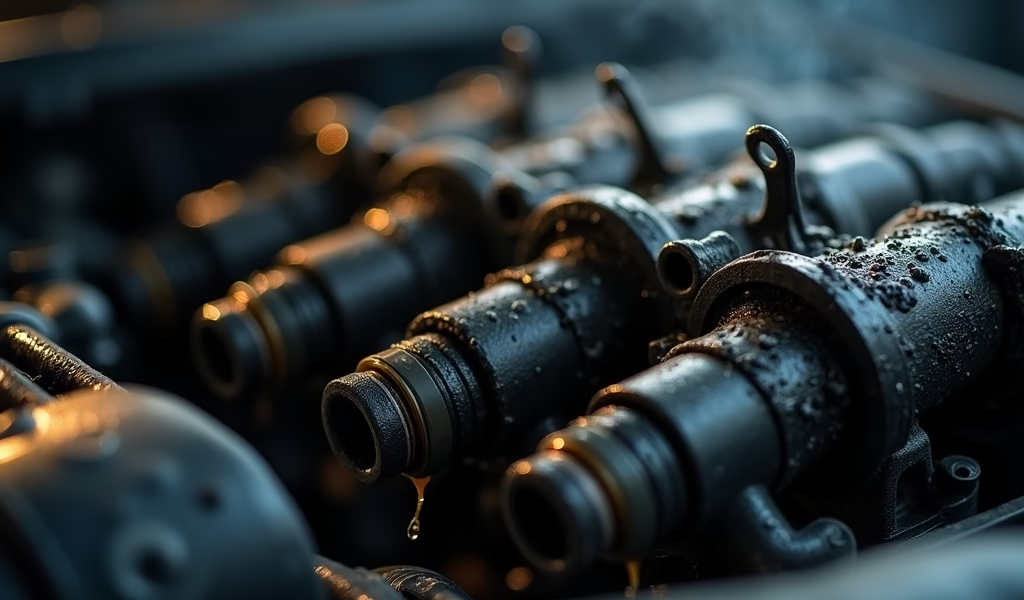
Tip #5: Keep Your Tank Above Quarter-Full – A Simple Habit
Here’s a no-cost tip that can significantly extend injector life: stop running your tank to fumes. The bottom of your fuel tank is where sediment, water, and contaminants naturally settle – like the dregs at the bottom of a coffee cup.
When fuel levels drop below a quarter tank, your pump begins drawing from these contaminated reserves, sending particles through your system that can clog injectors and damage your pump. It’s like drinking from the bottom of a pond – you’re getting all the muck that’s settled there.
I recommend making it a habit to refuel when you hit the quarter-tank mark. This simple practice not only protects your injectors but has additional benefits:
- Reduces fuel pump strain and heat (fuel actually cools the pump)
- Provides reserve fuel in emergencies or unexpected situations
- Prevents moisture accumulation from temperature changes
Your grandmother probably told you never to let your tank get below half. While that might be excessive in modern vehicles, she wasn’t entirely wrong. The habit of regular refueling before reaching empty pays dividends in system longevity.
Tip #6: Choose Quality Fuel – You Get What You Pay For
That bargain gas might seem like a deal, but your injectors might disagree. Quality fuels contain higher concentrations of cleaning agents and fewer contaminants than budget alternatives. According to industry research on fuel quality, premium brands can significantly reduce deposit formation.
Look for retailers selling “Top Tier” designated gasoline – a standard developed by major automakers that exceeds minimum EPA requirements for detergent content. These fuels actively clean your system while you drive, providing continuous maintenance rather than occasional intervention.
Does this mean you need premium octane? Not necessarily. Unless your vehicle specifically requires high-octane fuel, the standard grade from a quality provider is perfectly adequate. It’s the detergent package, not the octane rating, that benefits your injectors.
I’ve witnessed dramatic differences in carbon buildup between engines exclusively run on quality fuels versus those that regularly received whatever was cheapest. The few cents per gallon difference adds up to dollars saved in maintenance and extended component life.
Tip #7: Regular Engine Tune-Ups – The Holistic Approach
Your fuel injectors don’t operate in isolation – they’re part of a complex orchestration of engine components. Regular tune-ups ensure the entire system performs harmoniously, preventing conditions that can overwork or damage injectors.
Key maintenance items that indirectly protect injector health include:
- Spark plug replacement – worn plugs cause incomplete combustion, leading to carbon buildup
- Oxygen sensor checking – faulty sensors can create rich fuel mixtures that overwhelm injectors
- Air filter replacement – restricted airflow forces your system to compensate with more fuel
- Valve adjustments – improper valve operation affects combustion efficiency
Following your manufacturer’s recommended maintenance schedule is the simplest approach. These guidelines are developed after extensive testing and are designed to keep all systems functioning optimally.
Remember that maintenance is almost always cheaper than repair. I’ve saved customers thousands by addressing small issues before they cascaded into major problems. An ounce of prevention truly is worth a pound of cure when it comes to your engine’s health.
Conclusion: Clear Injectors, Happy Engine
Caring for your fuel injectors doesn’t require mechanical wizardry – just consistent attention and a few smart habits. By incorporating these seven approaches into your maintenance routine, you’re setting yourself up for thousands of trouble-free miles.
Start with the simplest approaches – quality fuel, regular additives, and keeping your tank reasonably full. These alone will prevent most injector issues. For vehicles already showing symptoms or with higher mileage, consider more intensive options like professional cleaning or ultrasonic treatment.
Remember that your fuel system is an ecosystem where each component affects the others. A holistic approach to maintenance pays dividends across your entire vehicle’s performance and longevity.
Your injectors might be tiny, but their impact on your driving experience and wallet is anything but small. Give them the care they deserve, and they’ll reward you with smooth performance, excellent fuel economy, and an engine that responds eagerly to your right foot for years to come.
Frequently Asked Questions
How often should fuel injectors be cleaned?
For preventative maintenance, consider using fuel additives every 3,000-5,000 miles and professional cleaning every 30,000 miles. Vehicles with symptoms of dirty injectors may require more immediate attention.
Can I clean fuel injectors without removing them?
Yes, using quality fuel additives or professional cleaning services can effectively clean injectors while they remain installed. These methods work gradually but are much simpler than removal.
How much does professional fuel injector cleaning cost?
Professional fuel system cleaning typically costs between $150-300 depending on your location and vehicle type. This service often includes cleaning of the entire fuel system, not just the injectors.
Will cleaning fuel injectors improve gas mileage?
Yes, cleaning dirty injectors can improve fuel economy by restoring proper spray patterns and ensuring correct fuel atomization. Many drivers report 4-12% improvements after cleaning severely restricted injectors.
Can dirty fuel injectors damage my engine?
Absolutely – dirty injectors can cause uneven fuel distribution, leading to cylinder misfires, overheating, and premature wear on engine components. Left unaddressed, injector problems can eventually lead to catalytic converter damage as well.