

Overview
This fabric car seat cleaning guide is so thorough it might make your actual car jealous of how much attention its upholstery is getting. The article covers everything from regular maintenance and stain removal techniques to natural cleaning solutions and professional options, emphasizing that proper preparation, timely treatment of spills, and appropriate drying methods are essential for maintaining clean, fresh-looking fabric seats.
Table of Contents
- Understanding Fabric Car Seats
- Preparation Is Key: What You’ll Need
- Regular Maintenance: Preventing Major Stains
- Tackling Common Stains: Step-by-Step Guide
- Deep Cleaning Techniques for Heavily Soiled Seats
- Natural Cleaning Solutions for Eco-Conscious Drivers
- Drying and Finishing: The Final Touch
- Professional Options: When to Call the Experts
- Conclusion
- Frequently Asked Questions
Understanding Fabric Car Seats
Learning how to clean fabric car seats properly can extend their life and keep your vehicle looking and smelling fresh. Fabric upholstery, while comfortable and affordable, tends to absorb spills, trap odors, and show dirt more readily than leather. As a mechanic who’s seen thousands of vehicle interiors, I can tell you that regular maintenance makes all the difference between seats that look showroom-new and those that tell tales of every coffee spill and fast-food mishap.
Fabric car seats typically come in three main varieties: nylon, polyester, and cloth blends. Each material has different properties and cleaning requirements. Nylon is durable and stain-resistant but can fade over time. Polyester resists water damage but might pill with regular use. Cloth blends offer comfort but often require more delicate cleaning approaches.
Before diving into cleaning methods, it’s worth checking your vehicle’s manual for specific care instructions. Manufacturers sometimes have particular recommendations that can help preserve warranty coverage and prevent damage. Think of it as getting advice straight from the people who designed your car’s interior – they know what works best!
Preparation Is Key: What You’ll Need
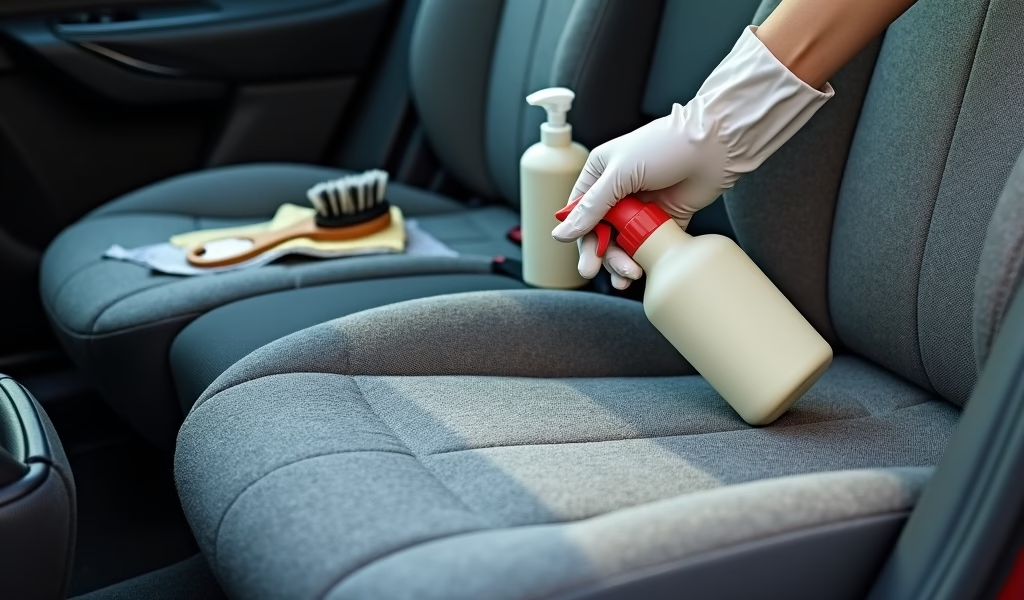
Proper preparation prevents poor performance – that’s a mantra we live by in the shop. To clean your fabric car seats effectively, gather these essential tools and products:
- Vacuum with upholstery attachment
- Soft-bristled brushes (both larger and detail sizes)
- Microfiber towels
- Upholstery cleaner specifically formulated for automotive use
- Fabric stain remover for targeted treatments
- Spray bottle for diluting cleaners or applying water
- Clean buckets for solution and rinse water
- Optional: Steam cleaner for deep treatments
Quality matters when selecting your cleaning products. Automotive-specific upholstery cleaners are formulated to be effective without damaging the fabric or underlying padding. Household cleaners might seem convenient, but many contain harsh chemicals that can fade colors or break down adhesives that hold your seats together.
I always recommend doing a patch test in an inconspicuous area before applying any cleaner to your entire seat. The underside of a seat cushion or the back of a headrest works well. This simple five-minute test can save you from potential disaster – I’ve seen perfectly good seats ruined by cleaners that seemed harmless.
Regular Maintenance: Preventing Major Stains
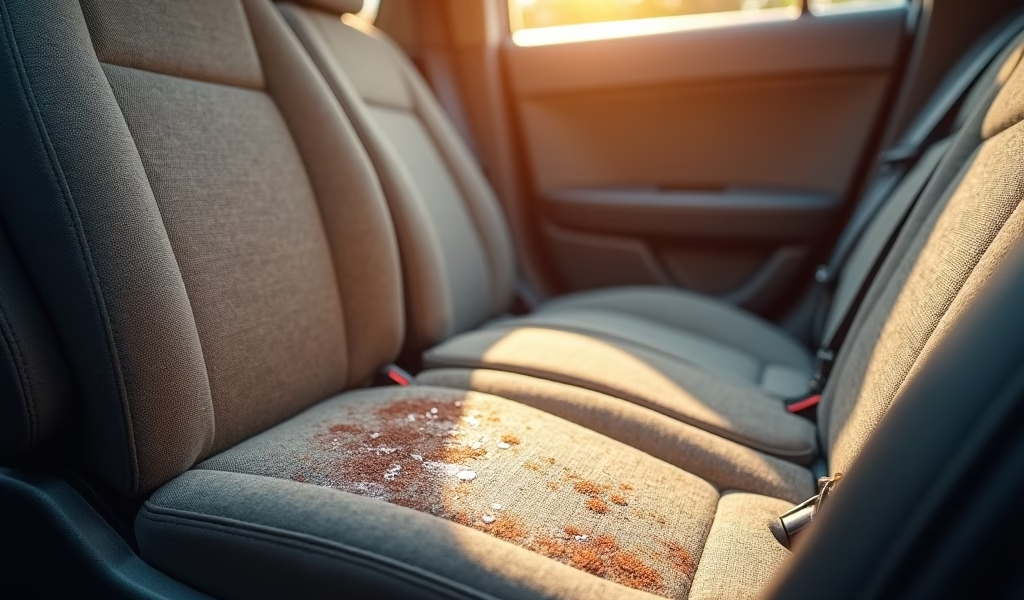
The secret to keeping fabric car seats looking their best isn’t just knowing how to clean them – it’s preventing them from getting excessively dirty in the first place. Weekly maintenance dramatically reduces the need for deep cleaning sessions, which can gradually wear down fabric fibers.
Start with regular vacuuming – ideally once a week if you use your car daily. Use the upholstery attachment and work methodically across each seat, paying special attention to seams and crevices where crumbs and dirt accumulate. Don’t forget to move the seats forward and back to reach those often-neglected areas underneath.
For routine car interior cleaning, a light misting of fabric refresher can work wonders between deeper cleanings. These products neutralize odors rather than masking them. Just be careful not to oversaturate the fabric, as excess moisture can lead to mold or mildew – especially in humid climates.
Protective measures make a world of difference too. Consider applying a fabric protector designed for automotive interiors every six months. These create an invisible barrier that repels liquids and prevents stains from setting deeply into the fibers. Many professional detailers recommend this approach, especially for families with young children or those who frequently eat in their vehicles.
Tackling Common Stains: Step-by-Step Guide
When it comes to how to clean fabric car seats with specific stains, timing is everything. Fresh stains are almost always easier to remove than set-in ones. Here’s my step-by-step approach for the most common offenders:
Coffee and Soda Stains
For these liquid culprits, first blot (don’t rub!) with a clean, dry microfiber towel to absorb as much liquid as possible. Mix a solution of one part white vinegar to two parts cool water, plus a drop of dish soap. Apply lightly to the stain, working from the outside toward the center to prevent spreading. Gently scrub with a soft brush, then blot with a clean, damp cloth to remove residue.
Grease and Oil Stains
Sprinkle cornstarch or baking soda on fresh grease stains and let it sit for 15-20 minutes to absorb the oil. Vacuum thoroughly, then treat with an automotive upholstery cleaner containing degreasers. For stubborn grease stains, a paste made from baking soda and water can work wonders when applied with a soft brush using circular motions.
Mud and Dirt
Let mud dry completely before attempting removal – counterintuitive, I know, but it works! Once dry, scrape off excess with a plastic card or brush, then vacuum thoroughly. Apply upholstery cleaner according to directions, working it into the fabric with a brush. Wipe away with a damp microfiber cloth, being careful not to saturate the fabric.
Ink and Dye
These tricky stains require immediate attention. Dampen a clean cloth with isopropyl alcohol (90% or higher) and dab at the stain – never rub! For ballpoint ink, a small amount of hairspray (the cheaper, the better – they contain more alcohol) can be surprisingly effective. Always test in an inconspicuous spot first, as some fabric dyes may be affected.
Throughout all these processes, patience is your greatest ally. Rushing or using excessive force can drive stains deeper into the fabric or damage the weave. Gentle, methodical cleaning yields the best results – something I’ve learned from years of restoring vehicle interiors.
Deep Cleaning Techniques for Heavily Soiled Seats
Sometimes regular maintenance isn’t enough, and your fabric car seats need a thorough deep clean. This is particularly true after road trips, sports seasons with sweaty passengers, or if you’ve purchased a used vehicle with mystery stains and odors. Here’s my professional approach to bringing heavily soiled seats back to life:
Hot Water Extraction
This method, similar to what professional carpet cleaners use, is highly effective for deep-seated grime. You can rent an upholstery cleaner from most home improvement stores or invest in a portable one if you clean frequently. The machine sprays cleaning solution under pressure, then immediately vacuums it back up, pulling dirt from deep within the fabric.
Pre-treat any visible stains before starting, then work systematically across each seat. Make sure to follow the machine’s instructions regarding solution concentration – more soap isn’t better and can leave residue that attracts more dirt. After cleaning, go over each section with just water to rinse away any remaining detergent.
Steam Cleaning
Steam cleaning is my personal favorite for fabric seats because it sanitizes while it cleans, using high temperature rather than chemicals to break down dirt and kill bacteria. It’s especially good for eliminating odors caused by spilled milk, pet accidents, or that mysterious “used car smell.”
A handheld garment steamer can work in a pinch, but for best results, use a dedicated upholstery steamer with a pointed attachment for getting into seams and crevices. Move the steamer slowly across the fabric, allowing the hot vapor to penetrate before blotting with a clean microfiber cloth. The key is to dampen, not soak, the upholstery.
Enzyme Cleaners for Biological Stains
For protein-based stains like blood, vomit, or urine, enzyme cleaners are remarkably effective. These specialized formulas contain beneficial bacteria that literally eat organic matter, eliminating both stains and odors at their source. They’re particularly valuable for breaking down stubborn biological materials that conventional cleaners might just spread around.
Apply the enzyme cleaner according to package directions, typically allowing it to dwell for 10-15 minutes before blotting. Some might require multiple applications for severe stains. Be patient – enzymes work gradually but thoroughly.
Natural Cleaning Solutions for Eco-Conscious Drivers
If you’re concerned about harsh chemicals in commercial cleaners, you’ll be pleased to know that effective natural alternatives exist for how to clean fabric car seats. I’ve tested these extensively on my own vehicles and those of eco-conscious clients with impressive results:
Vinegar Solution
White distilled vinegar is a powerhouse natural cleaner that disinfects and deodorizes simultaneously. Mix one part white vinegar with two parts warm water, plus a few drops of essential oil (lavender or tea tree work well) to counter the vinegar smell. Use a spray bottle to lightly mist the fabric, then scrub gently with a soft brush and blot dry.
Baking Soda Magic
Baking soda excels at neutralizing odors and lifting stains. For general cleaning, create a paste using baking soda and warm water. Apply to soiled areas, let sit for 30 minutes, then brush and vacuum thoroughly. For odor elimination, sprinkle dry baking soda liberally across seats, let it sit overnight, and vacuum in the morning.
Club Soda Technique
This old mechanic’s trick works surprisingly well on fresh stains. The carbonation helps lift particles from fabric fibers, while the slight acidity tackles organic stains. Simply pour club soda onto the stain, blot with a clean microfiber cloth, and repeat until the stain lifts. It’s especially effective on coffee, wine, and soda spills when caught quickly.
These natural methods might require a bit more elbow grease than commercial products, but they’re gentler on your upholstery and the environment. Plus, you likely already have these ingredients in your kitchen, making them perfect for emergency spills when you don’t have specialized cleaners on hand.
Drying and Finishing: The Final Touch
Proper drying is just as important as proper cleaning when learning how to clean fabric car seats effectively. Damp upholstery can develop mildew and musty odors, particularly in warm or humid climates. After cleaning, use these professional techniques to ensure your seats dry thoroughly:
If possible, clean your seats on a warm, dry day when you can leave windows cracked for air circulation. Use a wet/dry vacuum to extract as much moisture as possible from freshly cleaned seats – this dramatically reduces drying time. Follow up by blotting firmly with dry microfiber towels to absorb surface moisture.
Accelerate drying with a fan positioned to blow air across the seats, or use your car’s air conditioning system on the highest fan setting. In cooler weather, seat heaters (if your vehicle has them) can be used on low setting to help evaporate moisture. Just be careful not to overheat damp fabric, as this can cause shrinkage or set in any remaining stains.
Once seats are completely dry, brush the fabric gently with a soft-bristled clothes brush to restore the nap and prevent the stiff feeling that sometimes occurs after cleaning. This brings back that soft, comfortable texture that makes fabric seats so appealing in the first place.
As a final step in how to clean fabric car seats properly, consider applying a fabric protector spray designed for automotive use. This creates a barrier against future stains and makes subsequent cleanings easier. Apply evenly in thin coats rather than saturating the fabric, and allow to dry completely before using the seats.
Professional Options: When to Call the Experts
While DIY cleaning works for most situations, there are times when professional help is the wisest choice for how to clean fabric car seats. Consider professional detailing if you’re dealing with:
- Extensive staining across multiple seats
- Unknown substances or mystery stains
- Persistent odors that home methods haven’t eliminated
- Delicate or specialty fabrics (like microsuede or vintage upholstery)
- Water damage or mold concerns
Professional detailers have specialized equipment, like powerful extraction machines and professional-grade steam cleaners, that achieve results beyond what’s typically possible at home. They also have access to industrial-strength cleaners and stain removers that aren’t available to consumers.
When selecting a detailer, look for specialists in upholstery rather than general car wash services. Ask about their experience with fabric seats specifically, and request before-and-after photos of previous work. A truly professional car detailing service should offer a satisfaction guarantee and be able to explain exactly what processes they’ll use on your specific stains.
Expect to pay between $100-250 for professional fabric seat cleaning, depending on your vehicle size and the extent of soiling. While this might seem steep compared to DIY methods, it’s a worthwhile investment for severe cases or valuable vehicles – especially when you consider the cost of replacing upholstery if cleaning goes wrong.
Conclusion
Mastering how to clean fabric car seats doesn’t just improve your vehicle’s appearance – it preserves its value and creates a healthier environment for everyone who rides with you. Whether you’re dealing with everyday dirt, stubborn stains, or simply want to maintain that fresh-from-the-showroom feel, the techniques in this guide provide a comprehensive approach to fabric seat care.
Remember that consistency is key. Regular light cleaning prevents the need for intensive treatments and extends the life of your upholstery. Keep a small cleaning kit in your vehicle for immediate attention to spills, and schedule deeper cleaning sessions seasonally or as needed based on your lifestyle.
With the right tools, techniques, and a little patience, your fabric car seats can stay looking and feeling great throughout your vehicle’s life. Your passengers will notice the difference, and you’ll enjoy that satisfaction of sliding into a clean, fresh-smelling car every time you drive.
Frequently Asked Questions
How often should I clean my fabric car seats?
Vacuum weekly and spot-clean spills immediately. Perform a deeper clean every 3-4 months for daily-use vehicles or whenever visible soiling occurs.
Can I use household cleaners on my car’s fabric seats?
It’s best to avoid household cleaners as they may contain harsh chemicals that damage automotive fabrics. Stick with products specifically formulated for car upholstery.
How long do fabric car seats take to dry after cleaning?
Drying times typically range from 2-6 hours depending on humidity, temperature, and how wet the seats became during cleaning. Using fans or driving with windows cracked can speed the process.
What’s the best way to remove pet hair from fabric seats?
Use a rubber glove, dampened slightly and rubbed across the surface to gather hair into clumps. Follow with a vacuum using the upholstery attachment.
Is it safe to use a steam cleaner on all fabric car seats?
Most modern fabric seats can handle steam cleaning, but always check your vehicle’s manual first. Avoid steam cleaning on very old upholstery or specialty fabrics that may be heat-sensitive.