
Overview
Turns out your car seat has been silently judging you for all those drive-thru spills and mysterious sticky spots your toddler left behind! This guide provides a complete 5-step process for cleaning cloth car seats—from proper preparation and vacuuming to spot testing cleaners, tackling stubborn stains, ensuring proper drying, and implementing preventative measures to maintain that fresh-car feeling.
Table of Contents
- Introduction: The Importance of Clean Car Seats
- Understanding Your Cloth Seats
- Step 1: Preparation and Vacuuming
- Step 2: Spot Testing Cleaners
- Step 3: The Cleaning Process
- Step 4: Tackling Stubborn Stains
- Step 5: Drying and Maintenance
- Preventing Future Stains
- Conclusion
- Frequently Asked Questions
Introduction: The Importance of Clean Car Seats
Let’s face it – we spend a lot of time in our cars. Whether it’s the daily commute, weekend road trips, or shuttling the kids around town, our cloth car seats take a beating. Coffee spills, food crumbs, muddy paws, and that mysterious sticky substance your toddler left behind – they all find their way into the fabric. Ever noticed how a clean car just feels better to drive? That’s because maintaining clean cloth seats isn’t just about appearances; it’s about extending the life of your vehicle’s interior and creating a healthier environment for everyone who rides with you.
As someone who’s spent over 15 years working on cars, I’ve seen it all when it comes to cloth seat disasters. The good news? Learning how to clean cloth seats in the car is something anyone can master with the right approach. You don’t need to be a professional detailer or spend a fortune on specialized products. With this ultimate 5-step guide, I’ll walk you through the process using simple techniques and affordable materials that deliver professional-quality results.
Ready to transform those grimy seats into something you’d be proud to show off? Let’s roll up our sleeves and get those cloth seats looking (and smelling) like new again!
Understanding Your Cloth Seats
Before we dive into the cleaning process, it helps to understand what we’re working with. Cloth car seats come in various materials – from basic polyester to premium microfiber blends and even wool in some luxury models. Have you checked what type of fabric your seats are made of? This information can usually be found in your owner’s manual or by checking the manufacturer’s website.
Different fabrics respond differently to cleaning methods. Most modern cloth seats are designed to resist staining, but they still require regular maintenance. The fabric is typically attached to foam padding with adhesives, which means we need to be careful about how much moisture we introduce during cleaning. Too much water can seep through to the padding, potentially causing mold, mildew, or even damage to seat heaters or electronic controls beneath.
Another thing to consider is the age and condition of your seats. Newer seats with intact fabric protection will clean up more easily than older ones where the protective coating has worn away. Learning basic car maintenance like regular light cleaning can prevent deep-set stains that become harder to remove over time.
Understanding the “why” behind each cleaning step will help you achieve better results and avoid potential damage. Now, let’s gather our supplies and get started on the actual cleaning process.

Step 1: Preparation and Vacuuming
A successful cleaning job starts with proper preparation. First, pick a good day for this project – ideally warm and not too humid to help with drying time. Did you know that cleaning your seats on a hot, sunny day can actually cause problems? The cleaning solution might dry too quickly and leave residue marks before you can properly rinse or blot it away.
Start by removing all personal items from your car. Check between and under the seats for forgotten treasures (you might be surprised what you find!). Next, remove any car seat covers, if you have them, and wash those separately according to their care instructions.
Now for the most important preparation step: thorough vacuuming. Here’s what you’ll need:
- A vacuum with strong suction
- Crevice attachment for tight spaces
- Upholstery attachment with stiff bristles
- Soft brush (optional, for loosening embedded dirt)
Begin by vacuuming the entire surface of each seat to remove loose dirt, crumbs, and debris. Pay special attention to the seams, where dirt loves to hide. Using the crevice tool, vacuum along all seams, between cushions, and in the cracks where the seat back meets the bottom cushion. For really stubborn debris in tight spaces, a clean toothbrush or small detailing brush can help loosen material before vacuuming.
Don’t rush this step! According to Consumer Reports’ car maintenance experts, thorough vacuuming can remove up to 80% of dirt from upholstery, making the wet cleaning phase much more effective. Remember to vacuum the surrounding areas too – floor mats, door panels, and console – since dirt from these areas can easily transfer back to your freshly cleaned seats.
Once you’ve removed all the loose debris, take a moment to inspect your seats for different types of stains. Are there coffee spills? Grease marks from that drive-thru burger? Or maybe mysterious sticky spots from the kids? Identifying specific stains now will help you tackle them effectively in later steps.
Step 2: Spot Testing Cleaners
Before applying any cleaning solution to your entire seat, it’s crucial to perform a spot test. Have you ever had a cleaning product actually make a stain worse or damage the fabric? It happens more often than you’d think! Spot testing helps ensure the cleaner won’t discolor, damage, or leave water marks on your specific seat fabric.
For this step, you’ll need to choose your cleaning solution. You have several options:
- Commercial upholstery cleaners specifically designed for auto interiors
- Carpet and upholstery shampoos (make sure they’re suitable for automotive use)
- DIY solution: Mix 1 cup of warm water, ¼ cup of vinegar, and a few drops of dish soap
- DIY foaming cleaner: Mix equal parts club soda, white vinegar, and a small amount of dish soap
Now, select an inconspicuous area of the seat – perhaps the side edge of the cushion or under the headrest – and apply a small amount of your chosen cleaner. Gently rub it in with a clean microfiber cloth, wait 5-10 minutes, then blot with a separate clean, dry cloth. Look for any adverse reactions like discoloration, fabric texture changes, or dye transfer to your cloth.
If the spot test looks good, you’re ready to proceed with full cleaning. If you notice any issues, try a different cleaning solution or dilute your current one further. For particularly delicate or expensive upholstery, you might want to consider using professional car detailing services that specialize in interior care.
Remember that manufacturers sometimes use different fabrics on different parts of the seat, so if possible, test each distinct fabric area. Being cautious at this stage can save you from a costly reupholstery job later!
Step 3: The Cleaning Process
Now for the main event – actually cleaning those cloth seats! The key here is to use enough solution to clean effectively without saturating the seats. Wondering how wet is too wet? The fabric should be damp to the touch, not soaking where water pools or drips when you press on it.
Here’s my tried-and-true method for general cleaning:
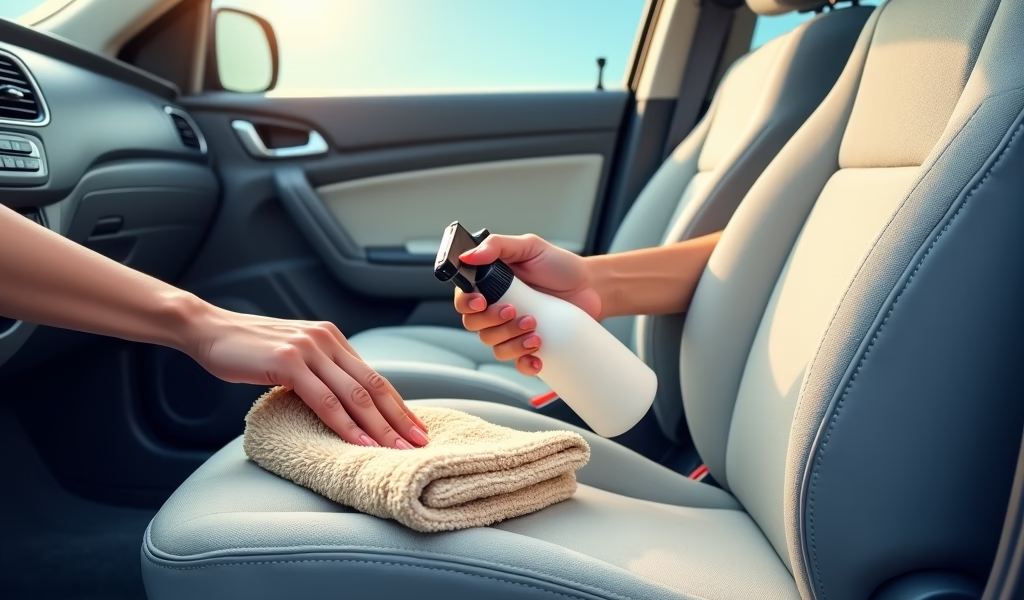
- Fill a spray bottle with your chosen cleaning solution
- Lightly spray a section of the seat (working in roughly 2×2 foot areas)
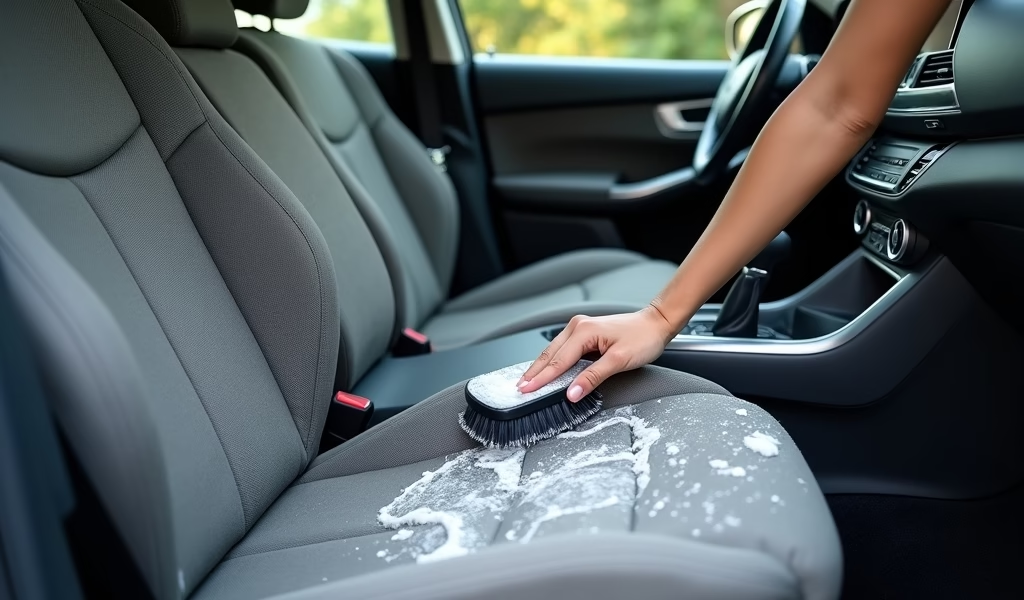
- Use a soft-bristled brush to gently agitate the fabric in circular motions
- For foaming cleaners, let the foam work for 2-3 minutes (but don’t let it dry completely)
- Using a clean, damp microfiber cloth, wipe away the loosened dirt and cleaning solution
- Follow immediately with a dry microfiber cloth to absorb excess moisture
Work methodically from the top of the seat to the bottom, and from the center outward. This prevents dirty runoff from staining already cleaned areas. Pay special attention to high-contact zones like headrests and the center of seat cushions where body oils tend to accumulate.
For those with access to specialized equipment, a hot water extractor (sometimes called a “steam cleaner” though it doesn’t actually use steam) can be particularly effective. These machines spray cleaning solution into the fabric and immediately vacuum it up, along with the loosened dirt. You can rent these from many hardware stores or auto parts shops for a reasonable fee.
Remember to clean one seat completely before moving to the next, rather than trying to clean all seats simultaneously. This ensures you can properly manage the wetness and drying process. As Popular Mechanics points out, allowing cleaning solutions to dwell too long can cause problems with the seat cushioning underneath.
Step 4: Tackling Stubborn Stains
Even after a general cleaning, you might find yourself facing stubborn stains that refuse to budge. Don’t lose hope! Different types of stains require different approaches. Have you ever noticed how some stains seem to disappear with one treatment while others laugh in the face of your cleaning efforts? That’s because the chemical composition of stains varies widely.
Here’s how to handle some common culprits:
- Food and drink stains: Mix one part white vinegar with two parts water. Apply to the stain, let sit for 5 minutes, then blot with a clean cloth. For coffee or soda stains, a solution of club soda can work wonders.
- Oil and grease: Sprinkle baking soda or cornstarch on the stain to absorb the oil. Let it sit for 15-20 minutes, then vacuum. Follow with a solution of dish soap and warm water (the dish soap is designed to break down grease).
- Ink stains: Dampen a cloth with isopropyl alcohol (91% works best) and dab at the stain – never rub! Work from the outside of the stain inward to prevent spreading.
- Blood: Use cold water (never hot, as it sets protein stains) mixed with a bit of salt. Blot gently, don’t scrub, and repeat as necessary.
- Mystery stains: Try a dedicated upholstery stain remover, following the product directions carefully.
For extremely stubborn stains, you might need to repeat treatments or try a commercial enzyme cleaner that breaks down organic matter. These are particularly effective for pet accidents or bodily fluid stains.
A word of caution: avoid bleach or hydrogen peroxide on colored fabrics, as these can cause discoloration. Even on light-colored seats, these harsh chemicals can damage the fabric fibers and adhesives holding your seat together.
When working with any stain, remember the golden rule: blot, don’t rub. Rubbing can push the stain deeper into the fabric or spread it to a larger area. Patience and gentle persistence are your friends when it comes to car interior cleaning, especially for set-in stains.
Step 5: Drying and Maintenance
Proper drying is just as important as the cleaning itself. Ever gotten into a car with damp seats? That musty smell that develops isn’t just unpleasant – it’s a sign of potential mold and mildew growth. Let’s make sure your freshly cleaned seats dry thoroughly and stay fresh.
After cleaning, use dry microfiber towels to absorb as much moisture as possible from the seats. Press firmly but don’t rub – you’re trying to wick away moisture, not redeposit dirt. You might need several towels for this process, especially if you cleaned heavily soiled seats.
Next, accelerate the drying process with these methods:
- Open all doors and windows to increase air circulation
- Use fans directed at the seats (portable battery-powered fans work great)
- If weather permits, park in a sunny spot with windows cracked
- For faster results, use a wet/dry vacuum to extract remaining moisture
- As a last resort, you can use a hair dryer on the cool setting (never hot, as it can damage the fabric or adhesives)
Depending on your climate and how wet the seats got during cleaning, complete drying might take anywhere from 2-6 hours. Be patient – it’s worth the wait to prevent mold issues!
Once your seats are completely dry, consider applying a fabric protector spray designed for automotive upholstery. These products create an invisible barrier that repels future spills and makes cleanup easier. Apply according to the manufacturer’s instructions, usually in light, even coats, and allow to dry completely before using the vehicle.
For ongoing maintenance between deep cleanings, keep a small upholstery brush and microfiber cloths in your car. This allows you to quickly address spills before they set in. A weekly quick vacuum can also prevent dirt from becoming embedded in the fabric. These small habits can significantly extend the time between major cleanings.
Preventing Future Stains
After putting in all that work to restore your cloth seats to their former glory, you’ll want to keep them looking good for as long as possible. An ounce of prevention truly is worth a pound of cure when it comes to car upholstery care. What daily habits could you change to keep those seats cleaner longer?
Here are some practical prevention strategies:
- Consider seat covers for vehicles that see heavy use or carry children and pets
- Use spill-proof travel mugs and containers for drinks and snacks
- Keep a small trash container in your vehicle to prevent wrappers and debris from accumulating
- Place towels down when transporting potentially messy items (like plants from the garden center)
- Establish a “no food” rule for your car (though I know this can be tough!)
- Apply fabric protector spray every 6-12 months to maintain stain resistance
For families with young children, consider investing in waterproof seat protectors that go under car seats. These catch spills and prevent the compression damage that heavy car seats can cause to your upholstery over time.
If you live in an area with harsh weather, be mindful of how elements affect your seats. In winter, brush snow off clothing before entering the car to prevent water stains. During summer, a windshield sun shade not only keeps the cabin cooler but also prevents UV rays from fading and deteriorating your upholstery.
Regular maintenance also plays a crucial role in prevention. Set a reminder to vacuum your interior every two weeks and address any spills or stains immediately – the longer they sit, the harder they are to remove. This simple routine can extend the life of your cloth seats significantly.
Conclusion
Congratulations! You’ve now mastered how to clean cloth seats in the car like a professional. From understanding your seat fabric to tackling stubborn stains and implementing preventative measures, you have all the knowledge needed to keep your vehicle’s interior looking fresh and inviting.
Remember that regular maintenance is far easier than deep cleaning, so try to stay on top of spills and dirt before they become set-in problems. A quick vacuum every couple of weeks and promptly addressing fresh spills will go a long way toward maintaining your hard work.
Clean cloth seats aren’t just about aesthetics – they contribute to a healthier vehicle environment, preserve your car’s value, and make every drive more enjoyable. Plus, there’s that undeniable satisfaction of sliding into a freshly cleaned car that just feels good, isn’t there?
So the next time a coffee spill happens or your kids leave mysterious marks on the back seat, you’ll be well-equipped to handle it with confidence. Your car’s interior is an extension of your home – treat it with the same care, and it will reward you with comfort and cleanliness for many miles to come.
Frequently Asked Questions
How often should I clean my car’s cloth seats?
For regular maintenance, vacuum seats every 2-3 weeks and spot clean as needed. Aim for a deep cleaning every 3-6 months, depending on use and exposure to dirt.
Can I use laundry detergent to clean my car seats?
It’s not recommended as laundry detergent can leave residue that attracts more dirt. Use cleaners specifically formulated for automotive upholstery or the DIY solutions mentioned in this guide.
How long will my car seats take to dry after cleaning?
Drying time typically ranges from 2-6 hours depending on humidity, temperature, and how wet the seats became during cleaning. Using fans and ensuring good ventilation can speed up the process.
Can I steam clean my cloth car seats?
Yes, steam cleaning is effective for cloth seats but use low moisture settings. Ensure the seats dry completely afterward to prevent mold and mildew.
Will cleaning remove all stains from my cloth seats?
Fresh stains typically respond well to prompt cleaning. Older, set-in stains might improve but may not disappear completely, especially if they’ve damaged the fabric dye.