
Overview
Turns out your car seats have been silently judging you for all those drive-thru spills and mysterious crumbs! This guide provides a complete five-step process for cleaning cloth car seats—from preparation and vacuuming to deep cleaning, proper drying, and ongoing maintenance—along with tips for handling tough stains and natural cleaning alternatives.
Table of Contents
- Introduction: Why Clean Cloth Car Seats Matter
- What You’ll Need: Essential Supplies
- Step 1: Preparation and Vacuuming
- Step 2: Spot Testing Your Cleaning Solution
- Step 3: The Deep Cleaning Process
- Step 4: Proper Drying Techniques
- Step 5: Ongoing Maintenance and Protection
- Dealing with Tough Stains
- Natural Cleaning Alternatives
- Conclusion
- Frequently Asked Questions
Introduction: Why Clean Cloth Car Seats Matter
Let’s face it – your cloth car seats take a beating. From morning coffee spills to kids’ snack crumbs and that unexpected ketchup drip from your drive-thru lunch, these fabrics absorb it all. Learning how to clean cloth car seats isn’t just about aesthetics; it’s about preserving your vehicle’s value and creating a healthier driving environment.
After spending over 15 years working as an automotive interior specialist, I’ve seen everything from the mildly grimy to the downright biohazardous. The good news? Most cloth seats can be restored to near-original condition with the right approach. What many drivers don’t realize is that regular cleaning prevents permanent staining and extends the life of your upholstery by years.
This comprehensive guide breaks down my professional cleaning process into five manageable steps that even the busiest person can tackle during a weekend morning. No special certification required – just a bit of elbow grease and the right supplies. Ready to transform those lackluster seats into something you’ll be proud to show off? Let’s dive in.
What You’ll Need: Essential Supplies
Before rolling up your sleeves, gathering the right tools will make this job infinitely easier. Nothing’s worse than getting halfway through cleaning your cloth car seats only to realize you’re missing something crucial. Here’s your shopping list:
- Vacuum cleaner with upholstery attachment
- Soft-bristled brush (an old toothbrush works well for tight spots)
- Microfiber cloths (at least 3-4)
- Upholstery cleaner (specifically formulated for fabric car seats)
- Spray bottle
- Bucket of warm water
- Fabric protector spray (optional but recommended)
- Fan or dehumidifier (for faster drying)
While there are countless specialized products on the market, don’t feel pressured to buy the most expensive options. Consumer Reports testing shows that mid-range upholstery cleaners often perform just as well as premium brands.
For those pinching pennies, you can create an effective DIY cleaner by mixing 1 cup of warm water, 1/4 cup of white vinegar, and a tablespoon of dish soap. However, for stubborn stains or heavily soiled seats, a specialized upholstery cleaner will deliver better results. Your investment in quality supplies will pay dividends in the form of seats that look professionally cleaned.
Step 1: Preparation and Vacuuming
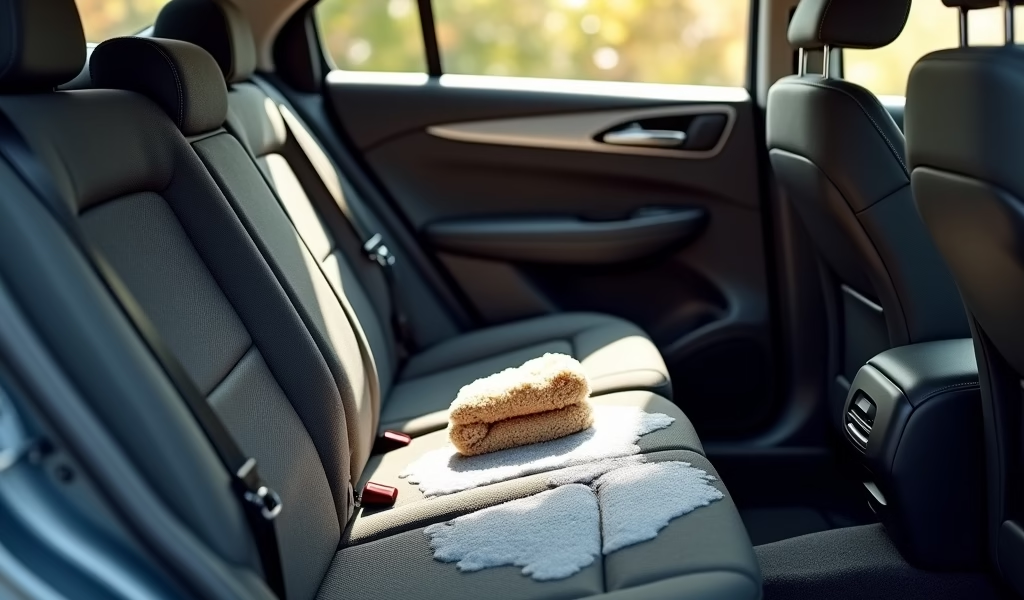
The secret to professional-quality results starts before you apply a single drop of cleaner. First things first – clear out all the loose items from your car. Those forgotten receipts, loose change, and random hair ties need to go. Now’s also the perfect time to remove any car seat covers or accessories that might get in the way.
Next comes the most crucial preparatory step: thorough vacuuming. I can’t stress this enough – skipping proper vacuuming is like washing dishes without scraping off the food first. It just creates a muddy mess. Use your vacuum’s upholstery attachment and methodically work your way across each seat.
Pay special attention to the seams and crevices where crumbs and debris love to hide. These areas often hold surprising amounts of grit that will turn into abrasive mud once wet. For those tight spaces between the seat back and bottom cushion, try using a crevice tool or even wrapping a microfiber cloth around a thin ruler to fish out stubborn debris.
Don’t forget to vacuum the headrests and the area behind them – spots many drivers overlook but that collect considerable dust and hair. A thorough interior cleaning session at this stage will dramatically improve your final results.
Step 2: Spot Testing Your Cleaning Solution
Before enthusiastically spraying cleaner across your entire seat, take a moment for this crucial step that separates amateurs from professionals: spot testing. I’ve seen too many horrified faces when a cleaner unexpectedly lightened fabric or left a permanent ring.
Choose an inconspicuous area – usually the underside of a seat cushion or a corner rarely seen – and apply a small amount of your chosen cleaning solution. Gently blot (never rub) with a clean microfiber cloth, then wait about 5-10 minutes to see how the fabric reacts.
What you’re looking for: any color transfer to your cloth, discoloration of the fabric, or unusual texture changes. If your test spot passes inspection, you’re cleared to proceed to full cleaning. If not, dilute your solution further or try an alternative cleaner specifically formulated for your seat material.
This 5-minute precaution can save you from potential disaster. Different manufacturers use various fabric treatments and dyes that may react unexpectedly with certain cleaning chemicals. Trust me, this is one step you never want to skip, especially with newer vehicles where seat fabrics often have specialized treatments.
Step 3: The Deep Cleaning Process
Now we’re getting to the heart of how to clean cloth car seats properly. Working methodically, one section at a time, lightly spray your upholstery cleaner onto the fabric. The key word here is “lightly” – oversaturating leads to excessive drying time and potential mildew problems.
Using your soft-bristled brush, work the cleaner into the fabric using gentle circular motions. The goal is to create a light foam that lifts dirt to the surface – not to scrub aggressively which can damage the fabric weave. For standard soil levels, brush for about 30-45 seconds per section before moving on.
After brushing, immediately blot the area with a clean, dry microfiber cloth to absorb the loosened dirt and excess moisture. You’ll be surprised (and possibly disgusted) by what comes up! Continue this spray-brush-blot technique across each seat, working from the top down and from back to front to prevent resoiling clean areas.
For particularly grimy seats, you might need a second cleaning pass, but allow the first application to dry slightly before reapplying. This prevents over-wetting, which can penetrate to the seat cushion and create lasting moisture problems.
When dealing with headrests, take extra care. These areas have thinner padding and can become overly wet very quickly. Use less product and more frequent blotting here. The same applies to any electronic controls built into your seats – moisture and electronics don’t mix well, as any automotive technician will confirm.
Step 4: Proper Drying Techniques
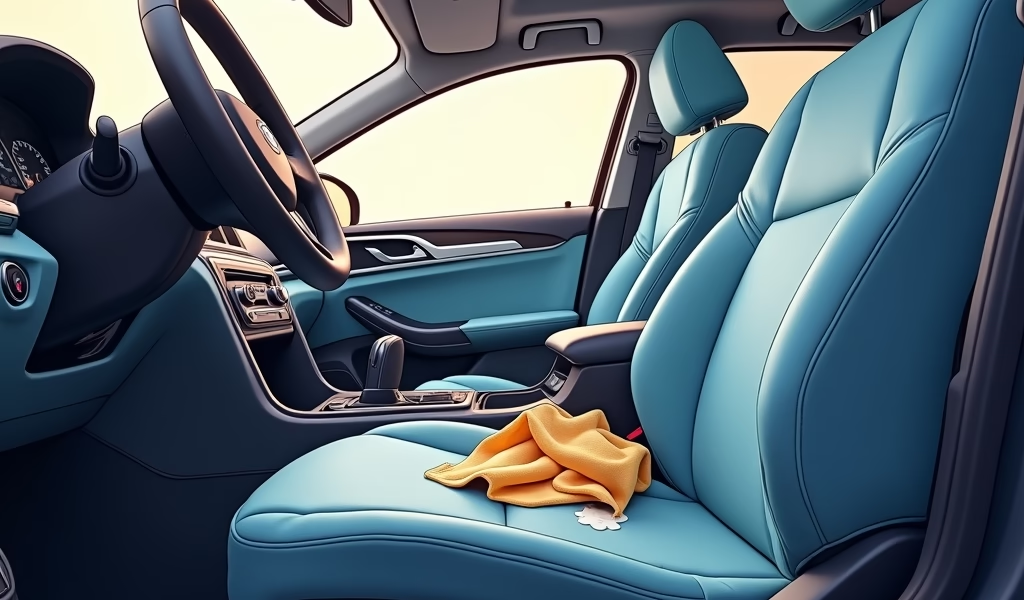
The drying phase is where patience becomes your best friend. Rushing this step can lead to musty odors, mildew, or even mold growth within your seat padding. Proper drying is critical to successful cloth seat cleaning.
Start by blotting as much moisture as possible using dry microfiber cloths. Press firmly but don’t rub, as rubbing can redistribute dirt and create an uneven appearance. Once you’ve removed excess moisture, it’s time to set up for final drying.
Ideally, leave all doors open in a sunny, breezy location for 2-3 hours. If weather doesn’t permit, position a fan to blow directly across the seats, or use a car interior dehumidifier. Some professional detailers use specialized wet/dry vacuums for extraction, but for home cleaning, good airflow is your best ally.
Resist the temptation to use heat sources like hair dryers, which can set stains or damage adhesives in the seat construction. Natural air drying might take longer, but it’s gentler on your upholstery. The interior should feel completely dry to the touch before closing up your vehicle.
One pro tip I always share during my detailing workshops: placing silica gel packets or a container of uncooked rice in your car overnight can help absorb lingering moisture from deep within the padding. This extra step prevents that telltale damp smell that can develop days later.
Step 5: Ongoing Maintenance and Protection
You’ve put in the work, and your cloth seats look fantastic! Now let’s keep them that way. The secret to maintaining clean car seats isn’t just about reactive cleaning but preventative care.
Consider applying a fabric protector spray designed specifically for automotive upholstery. These products create an invisible barrier that repels liquids and prevents stains from setting. Apply according to the manufacturer’s directions, typically in two light coats rather than one heavy application.
Establish a quick maintenance routine – a weekly shake-out of floor mats and a monthly vacuum will prevent dirt buildup that leads to premature wear. Keep a small stain removal kit in your glove compartment for immediate action on fresh spills, which are always easier to remove than set-in stains.
If you frequently travel with kids or pets, consider seat covers for daily protection, removing them periodically for deeper cleaning. For those with light-colored upholstery, lint rollers can quickly remove hair and small particles between deeper cleaning sessions.
Remember that UV exposure can fade and deteriorate cloth seats over time. When parking for extended periods, use a windshield sun shade or park in shaded areas to extend the life and appearance of your upholstery.
Dealing with Tough Stains
Even with regular maintenance, life happens – and sometimes it leaves behind stubborn evidence on your cloth seats. Different stains require different approaches, so let’s break down the most common culprits:
- Grease and oil: Sprinkle baking soda or cornstarch on the stain, let it absorb for 15-20 minutes, then vacuum before cleaning normally.
- Coffee and soda: Blot immediately with cool water, then use a mixture of white vinegar and water (1:1) before applying your regular upholstery cleaner.
- Ink: Lightly dab (don’t rub!) with rubbing alcohol on a cotton ball, working from the outside in to prevent spreading.
- Blood: Always use cold water first (hot water sets protein stains), then a mild enzymatic cleaner designed for biological stains.
- Vomit or pet accidents: After removing solid matter, an enzyme-based cleaner is essential for breaking down proteins and eliminating odors.
For mysterious unidentified stains, start with the gentlest cleaning method and progressively move to stronger solutions only if needed. Remember that some stains, particularly those that have been heat-set or left untreated for months, may never completely disappear. In these cases, a professional detailer with specialized equipment might be your best option.
Natural Cleaning Alternatives
If you prefer avoiding commercial chemicals, several effective natural alternatives can deliver excellent results when cleaning cloth car seats. These options are especially good for those with chemical sensitivities or young children.
White vinegar diluted 1:1 with water works wonderfully as a general cleaner and deodorizer. The vinegar smell dissipates as it dries, taking other odors with it. For enhanced cleaning power, add a few drops of dish soap and 1-2 tablespoons of baking soda to make a gentle foaming cleaner.
Club soda is surprisingly effective on fresh spills. The carbonation helps lift stains while the slightly acidic nature breaks down many common food and beverage spots. Simply blot the area with club soda, then follow with a clean, dry cloth.
For those concerned about sustainability, eco-friendly car care products have improved dramatically in recent years. Look for plant-based cleaners with biodegradable ingredients that still deliver professional-grade results without harsh chemicals.
One caveat with natural cleaners: they typically lack the protective polymers found in commercial products, so you may need to clean slightly more often. However, many drivers find this tradeoff worthwhile for a more natural approach to vehicle maintenance.
Conclusion
Mastering how to clean cloth car seats doesn’t require professional training – just attention to detail and the right approach. By following this five-step guide, you’ve learned not just cleaning techniques, but a complete maintenance system that will keep your car’s interior looking showroom-fresh for years to come.
Remember that consistency trumps intensity when it comes to upholstery care. Regular light cleaning prevents the need for intensive treatments later on, and addressing spills immediately can save you hours of work down the road. Your cloth seats are designed to last the lifetime of your vehicle when properly maintained.
Whether you’re preparing your car for sale, refreshing a new-to-you vehicle, or simply maintaining what you have, clean cloth seats make every drive more enjoyable. Plus, there’s something undeniably satisfying about sliding into a freshly cleaned car interior – a small luxury you’ve now mastered for yourself.
So grab those cleaning supplies, queue up your favorite playlist, and transform your cloth seats from “lived in” to “loved.” Your car (and everyone who rides in it) will thank you!
Frequently Asked Questions
How often should I clean my cloth car seats?
For regular maintenance, vacuum your seats every 2-3 weeks and perform a deep clean every 3-4 months. Increase frequency if you have children, pets, or frequently eat in your car.
Can I use laundry detergent on my car seats?
Most laundry detergents are too harsh and can damage automotive upholstery fibers or leave residue. Stick with cleaners specifically formulated for car interiors or gentle alternatives like diluted dish soap.
How can I remove bad odors from cloth car seats?
Sprinkle baking soda liberally over the seats, let sit overnight, then vacuum thoroughly. For persistent odors, an enzymatic cleaner will break down organic matter causing the smell.
Is steam cleaning safe for cloth car seats?
Steam cleaning can be effective when done correctly with proper equipment that controls moisture levels. Be careful not to oversaturate the padding underneath, and ensure complete drying afterward.
How long will it take for my cloth seats to dry completely?
Drying time typically ranges from 2-6 hours depending on humidity, temperature, and airflow. Using fans and leaving windows open will significantly reduce drying time.