
Overview
Who knew that the space between you and certain death on the highway deserved such detailed attention? This article provides five essential windshield cleaning tips—including proper solution selection, wiping techniques, dealing with stubborn stains, interior cleaning methods, and regular maintenance habits—all aimed at improving visibility and safety while driving.
Table of Contents
- Introduction to Windshield Cleaning
- Why a Clean Windshield Matters
- Essential Supplies You’ll Need
- Tip 1: Choose the Right Cleaning Solution
- Tip 2: The Perfect Wiping Technique
- Tip 3: Tackling Stubborn Stains
- Tip 4: Inside Windshield Cleaning
- Tip 5: Regular Maintenance Tips
- Common Windshield Cleaning Mistakes
- Conclusion
- Frequently Asked Questions
Introduction to Windshield Cleaning
Ever hopped into your car on a sunny day only to squint through a grimy windshield? We’ve all been there! Learning how to clean car windshield properly isn’t just about aesthetics—it’s about safety and comfort too. As someone who’s been elbow-deep in cleaning solutions for years, I’m excited to share my streak-free secrets with you today.
A spotless windshield gives you crystal-clear visibility in all driving conditions and helps prevent dangerous glare when driving at night or in bright sunlight. Plus, there’s something deeply satisfying about looking through perfectly clean glass while cruising down the road. It’s one of those small pleasures that can make your daily commute just a little more enjoyable.
In this friendly guide, I’ll walk you through five essential tips that will transform how you clean your windshield. No fancy equipment needed—just some practical know-how and a few household items will get your glass gleaming. Whether you’re a first-time car owner or a seasoned driver looking to up your maintenance game, these tips will help you achieve professional-quality results every time.
Why a Clean Windshield Matters
Let’s get real for a moment—a clean windshield isn’t just about making your car look nice in the parking lot. It’s a crucial safety feature that directly impacts your driving experience in ways you might not have considered.
First and foremost, visibility is everything on the road. Even minor smudges, water spots, or bug splatter can create dangerous blind spots or cause light to scatter in ways that temporarily blind you. According to NHTSA safety studies, poor visibility is a contributing factor in thousands of accidents each year. That’s not a statistic any of us want to be part of!
Beyond safety, a properly maintained windshield actually lasts longer. Dirt and debris can eventually etch into glass, creating permanent damage that no amount of cleaning can fix. Regular cleaning helps preserve the integrity of the glass and any protective coatings it might have.
And let’s not forget about your windshield wipers! They work much more effectively on a clean surface, which becomes especially important during heavy rain or snow. When you make car maintenance a regular priority, little things like clean glass pay big dividends in the long run.
Essential Supplies You’ll Need
Before we dive into the cleaning process, let’s gather our supplies. The good news is you don’t need expensive specialty products to get professional results. Here’s what I recommend having on hand:
- Microfiber cloths (at least 2-3) – These are absolute game-changers for streak-free results
- Glass cleaner (ammonia-free) or homemade solution (more on that later)
- Water spray bottle
- Rubbing alcohol (for tackling stubborn residues)
- White vinegar (optional, for homemade solutions)
- Newspaper (old school but effective)
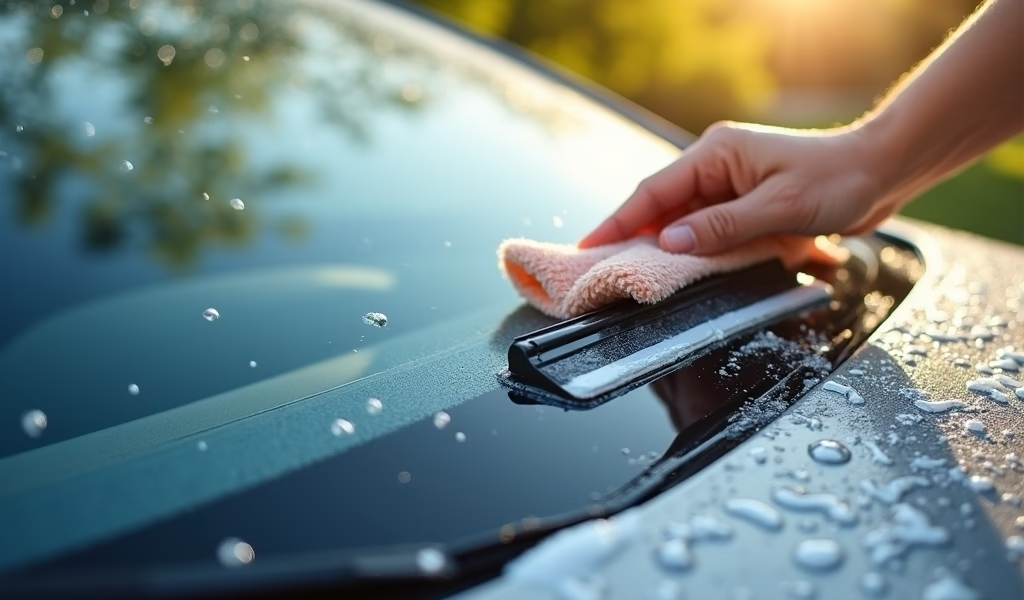
- Squeegee (optional but helpful for large windshields)
- Extension handle (for reaching the center of larger windshields)
A quick word about microfiber cloths: they’re not all created equal! For glass cleaning, look for cloths specifically labeled for glass or windows. These typically have a tighter weave that prevents streaking. Wash these separately from your regular laundry and never use fabric softener, which can leave a residue that transfers to your glass.
When it comes to glass cleaners, I recommend avoiding products with ammonia if your car has tinted windows or special coatings, as ammonia can damage these surfaces over time. Many automotive-specific glass cleaners are formulated to be safe for all window types, making them a versatile choice for your cleaning arsenal.
Tip 1: Choose the Right Cleaning Solution
The foundation of streak-free success starts with selecting the right cleaning solution. While there are countless products lining store shelves, not all deliver the crystal-clear results we’re after. Let me share what actually works based on years of trial and error.
For regular maintenance cleaning, a quality commercial automotive glass cleaner is hard to beat. Look for formulas that specifically mention “streak-free” and “automotive use.” These products are designed to handle road grime and environmental contaminants that household glass cleaners might struggle with. I’ve had excellent results with Stoner Invisible Glass and Meguiar’s Perfect Clarity Glass Cleaner, which both cut through road film without leaving residue.
If you prefer the DIY approach (which can save money and reduce chemical exposure), here’s my tried-and-true homemade solution:
- 1 cup distilled water (tap water can leave mineral deposits)
- 1 cup isopropyl alcohol (helps with fast, streak-free drying)
- 1 tablespoon white vinegar (cuts through grease and grime)
- A few drops of essential oil (optional, for a pleasant scent)
Mix these ingredients in a spray bottle, and you’ve got a professional-quality cleaner at a fraction of the cost. The alcohol evaporates quickly, which is the secret to avoiding those frustrating streaks that can appear when using water-heavy cleaners.
For particularly grimy windshields—like after a long road trip through bug country—I recommend a two-step approach. First, use a dedicated bug remover or soak a microfiber cloth in warm water and lay it over stubborn spots for a few minutes to loosen debris. Then follow up with your regular glass cleaner. This prevents scratching your glass while trying to remove hardened materials.
Tip 2: The Perfect Wiping Technique
You might laugh, but there really is a “right way” to wipe your windshield! The technique you use makes all the difference between frustrating streaks and crystal-clear glass. Let me walk you through my foolproof method.
First things first: timing matters. Try to clean your windshield when it’s cool to the touch and not in direct sunlight. When glass heats up, cleaning solutions evaporate too quickly and almost always leave streaks. Early morning or evening works best, or park in a shaded area if you’re cleaning midday.
Now for the actual cleaning motion. Forget the circular “wax on, wax off” technique you might be tempted to use. Instead, work in straight lines—horizontal for the outside of the windshield and vertical for the inside. This systematic approach helps you see streaks more easily and address them before they dry.
Here’s my step-by-step process:
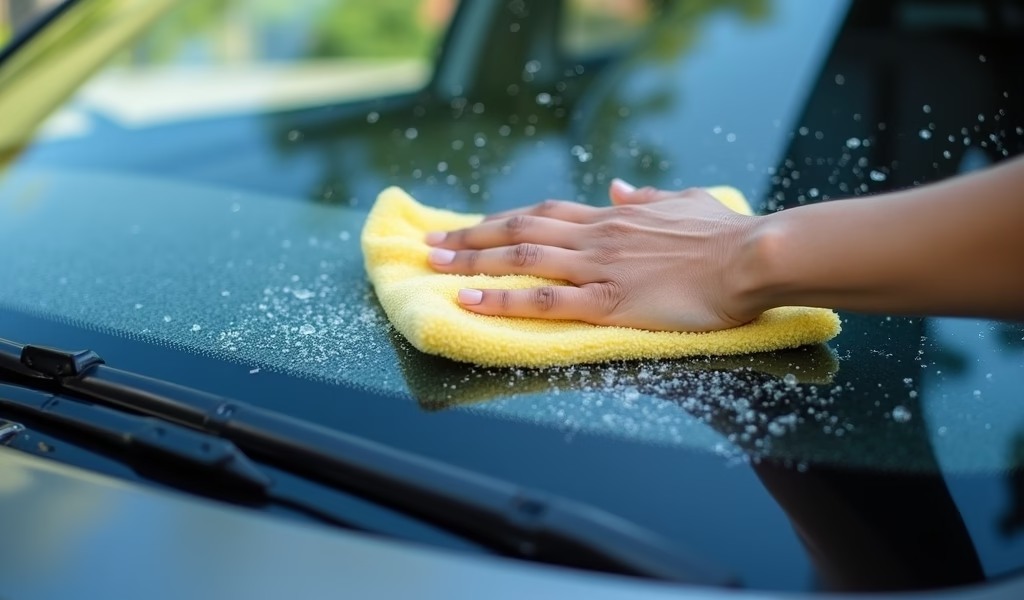
- Spray your cleaner directly onto your microfiber cloth, not the glass (overspray can damage paint or interior surfaces)
- Start at the top corner of your windshield and pull the cloth across in a straight line
- Slightly overlap each stroke as you work your way down the glass
- Use the dry side of your cloth or a second clean cloth to immediately wipe the section you just cleaned before the solution dries
- For the final pass, use a completely dry, clean microfiber cloth to buff the glass to a perfect shine
A pro tip that sounds strange but works wonders: some car detailing specialists swear by using newspaper for the final buffing step. The paper fibers and ink actually work together to create an incredibly streak-free finish. Just be careful not to get the newspaper wet enough that the ink transfers to your hands or car surfaces!
Tip 3: Tackling Stubborn Stains
Even with the perfect cleaning solution and technique, some windshield stains seem determined to stick around. These stubborn spots—like tree sap, bird droppings, water spots, or that mysterious film that builds up over time—require special attention. Let’s break down how to deal with each of these challenging situations.
Hard water spots are among the most common issues, especially if you live in an area with mineral-rich water. These appear as white, hazy dots that regular glass cleaner just can’t touch. For these pesky spots, a 50/50 mixture of white vinegar and distilled water works wonders. Apply it to the spots, let it sit for 2-3 minutes (but don’t let it dry completely), then wipe clean with your microfiber cloth. For particularly stubborn mineral deposits, automotive experts recommend using a clay bar specifically designed for auto glass.
Tree sap and sticky residues call for a different approach. Isopropyl alcohol (91% concentration) on a cotton ball or microfiber cloth will usually dissolve these substances without damaging your glass. Apply directly to the spot, let it work for about 30 seconds, then gently rub until the residue lifts. Follow up with your regular glass cleaner to remove any remaining alcohol residue.
For that mysterious haze that sometimes appears on the inside of windshields (often caused by outgassing from plastic dashboard components), I’ve found that a solution of equal parts water and white vinegar with a drop of dish soap cuts through it effectively. The trick here is to avoid using too much cleaning solution—a lightly dampened cloth works better than a soaking wet one.
If you’re dealing with tiny scratches in your windshield, they might be in the coating rather than the glass itself. In these cases, a glass-specific polishing compound can sometimes improve the appearance. However, I’d recommend consulting with a professional before attempting any scratch repair on your windshield, as improper techniques can make the problem worse.
Tip 4: Inside Windshield Cleaning
Cleaning the inside of your windshield presents unique challenges—awkward angles, hard-to-reach corners, and that mysterious film that seems to appear from nowhere. Let’s tackle this often-overlooked aspect of windshield maintenance with some practical solutions.
First, let’s talk about that hazy film. This typically comes from two sources: outgassing from plastic interior components (especially in newer cars) and airborne particles from inside the car. Everything from air fresheners to cigarette smoke to the pizza you brought home last week contributes to this buildup. A regular interior cleaning schedule can help minimize it.
To clean effectively, you’ll need to get comfortable. Instead of leaning across from the driver’s seat, try sitting in the passenger seat facing the windshield with the door open. This gives you better leverage and visibility. For SUVs or larger vehicles, you might need to kneel on the seat (lay down a towel first to protect your upholstery).
Here’s my method for tackling the inside glass:
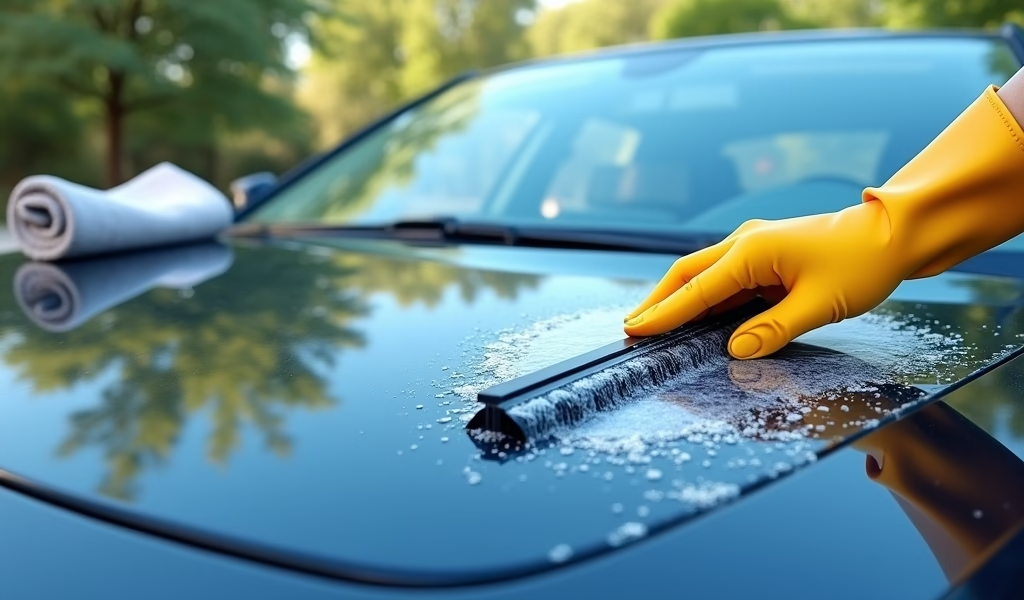
- Use a long-handled squeegee or microfiber cloth on a stick to reach the middle sections without stretching
- Work in sections from top to bottom using vertical strokes (this differs from the outside technique)
- Pay special attention to corners and the area where the glass meets the dashboard
- Use less cleaning solution than you would outside—a light misting on your cloth is sufficient
- Follow up with a completely dry microfiber cloth to prevent streaking
For the area right above the dashboard that’s often hard to reach, wrap your microfiber cloth around a spatula or similar flat, non-scratch tool to extend your reach. This little hack makes cleaning those tight spaces much easier!
If you’re dealing with particularly stubborn interior film, a mixture of one part water to one part white vinegar with a drop of Dawn dish soap works wonders. The vinegar cuts through the film while the dish soap helps remove any residue. Just be sure to follow up with a clean, damp cloth to remove any soap residue, then a final buff with a dry cloth.
Tip 5: Regular Maintenance Tips
Maintaining a streak-free windshield isn’t a one-and-done job—it’s about developing simple habits that keep your visibility crystal clear year-round. With just a few minutes of regular attention, you can avoid those lengthy, frustrating cleaning sessions altogether.
Keep a small cleaning kit in your car for quick touch-ups. A couple of microfiber cloths and a travel-size bottle of glass cleaner take up minimal space but can save you major headaches. This comes in handy for unexpected splatter from birds or bugs, or when morning dew mixes with dust to create a visibility nightmare.
Windshield wipers play a crucial role in maintenance. Even the best wipers typically need replacement every 6-12 months, depending on your climate and usage. Signs it’s time for new ones include streaking, skipping, or that annoying squeaking sound. Clean your wiper blades monthly by wiping them down with alcohol on a paper towel to remove built-up road grime and extend their life.
Here’s a maintenance schedule I recommend to my friends and family:
- Weekly: Quick exterior windshield clean during your regular car wash
- Monthly: Deep clean interior windshield and check wiper blades
- Quarterly: Replace your microfiber cleaning cloths (they accumulate oils and debris over time)
- Seasonally: Apply a rain repellent product like Rain-X to reduce water buildup
Speaking of rain repellents, these products can be a game-changer, especially during rainy seasons. They create a hydrophobic coating that causes water to bead up and roll off your windshield, often eliminating the need for wipers during light rain. Most need reapplication every 1-3 months, but the visibility improvement is well worth the effort.
Finally, consider your parking choices. When possible, park in garages or shaded areas to reduce exposure to tree sap, bird droppings, and pollen—all of which can damage your glass over time. If you must park under trees, a windshield cover is a worthwhile investment, especially during seasons when trees are most active.
Common Windshield Cleaning Mistakes
Even with the best intentions, many of us make mistakes that leave our windshields streaky or damaged. Let’s go through some common pitfalls so you can avoid them and achieve better results with less frustration.
Using paper towels might seem convenient, but they’re actually one of the biggest culprits behind streaking and lint residue. Paper towels can leave behind fibers and don’t have the absorbency needed for proper glass cleaning. Stick with quality microfiber cloths designed specifically for glass—the investment pays off quickly in results.
Cleaning in direct sunlight is another common mistake. When your windshield is hot, cleaning solutions evaporate too quickly, leaving behind streaks and residue before you can properly wipe them away. Always try to work in the shade or during cooler parts of the day for best results.
Many people use too much cleaning solution, assuming more product equals better cleaning. In reality, excess solution just means more liquid to remove, increasing the chance of streaks. A light mist on your cloth (not directly on the glass) is usually sufficient—you want the cloth damp, not soaking.
Using the wrong cleaners can also cause problems. Avoid ammonia-based products, especially if your car has tinted windows or special coatings. Ammonia can damage these surfaces and even break down the internal layer in your windshield over time. Similarly, avoid abrasive cleaners or tools that might scratch your glass.
Neglecting to clean your wiper blades is a mistake that compounds over time. Dirty wipers spread dirt across your windshield every time you use them. Take a moment to wipe down the rubber edges with alcohol when you clean your windshield—this simple step significantly extends both wiper life and clean windshield time.
Finally, many people clean their windshields in random patterns rather than using systematic, overlapping strokes. Without a system, it’s easy to miss spots or create uneven cleaning. The horizontal outside/vertical inside approach I mentioned earlier helps ensure complete coverage and makes it easier to spot areas you might have missed.
Conclusion
We’ve covered quite a journey from dirty, streaky glass to a crystal-clear windshield that makes driving safer and more enjoyable. Learning how to clean car windshield properly might seem like a small detail in car ownership, but it’s one of those skills that pays dividends every time you get behind the wheel.
Remember that the key to streak-free results lies in using the right cleaning solutions, employing proper techniques, addressing stubborn stains appropriately, giving special attention to interior surfaces, and maintaining a regular cleaning schedule. Each of these elements builds on the others to create a comprehensive approach to windshield care.
What I love most about proper windshield maintenance is that it doesn’t require expensive equipment or professional training—just a little knowledge and some consistent habits. The satisfaction of looking through perfectly clean glass on your morning commute is a small joy that makes the effort worthwhile.
I encourage you to try these techniques and find what works best for your specific vehicle and environment. Experiment with different cleaning solutions, try various cloths, and adjust your technique until you find your perfect system. Your visibility—and safety—will benefit enormously from the attention to detail.
Clean windshields aren’t just about aesthetics; they’re about giving yourself the best possible view of the road ahead. Drive safely out there, and enjoy those crystal-clear vistas through your perfectly maintained windshield!
Frequently Asked Questions
How often should I clean my car windshield?
Clean the exterior weekly and the interior monthly for optimal visibility. More frequent cleaning may be necessary during pollen season, bug season, or winter months when road salt is present.
Can I use Windex on my car windshield?
Regular Windex contains ammonia that can damage tinted windows and protective coatings. Use automotive-specific glass cleaners or ammonia-free versions instead.
What causes those streaks that appear after cleaning?
Streaks typically result from cleaning in direct sunlight, using too much product, or cleaning with dirty cloths. Using circular motions instead of straight lines can also create visible streaks.
How can I prevent fog on my interior windshield?
Use an anti-fog treatment specifically designed for automotive glass. Keeping your car interior clean and dry helps prevent fogging, as does running the defogger regularly.
Is it better to use a squeegee or cloth for cleaning?
Both have their place—squeegees work well for larger exterior surfaces and initial cleaning, while microfiber cloths are ideal for final buffing and interior cleaning. For best results, use both in sequence.