
Overview
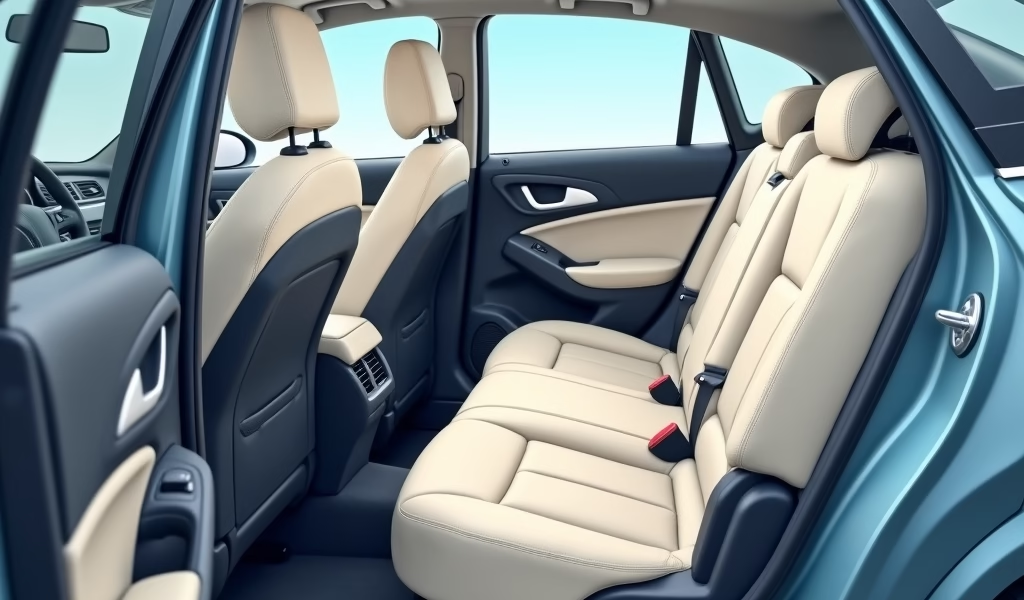
Your car interior is basically a rolling time capsule of life’s messiest moments, but fear not—this guide walks you through a five-step process to transform it: thorough vacuuming, stain pretreating, deep cleaning (with material-specific approaches), proper rinsing, and protective finishing. Regular maintenance using the right techniques and products not only keeps your vehicle looking great but also preserves its value, prevents unhealthy bacteria buildup, and gives you that satisfying “new car feeling” long after the new car smell has faded.
Table of Contents
- Understanding Car Upholstery
- Gathering the Right Supplies
- Step 1: Vacuum Thoroughly
- Step 2: Pretreat Stains
- Step 3: Deep Clean Upholstery
- Step 4: Rinse and Extract
- Step 5: Dry and Protect
- Maintenance Tips
- Conclusion
- Frequently Asked Questions
Understanding Car Upholstery
Learning how to clean car upholstery effectively can transform your daily driving experience. As a mechanic who’s seen thousands of vehicle interiors in various states of distress, I can tell you that your car’s cabin is basically a rolling time capsule of your life’s messiest moments. From coffee spills during morning commutes to mysterious sticky spots courtesy of your kids or pets, our vehicles endure a surprising amount of abuse.
Different upholstery materials require specific cleaning approaches. Fabric seats absorb liquids and stains easily but can usually handle more aggressive cleaning methods. Leather upholstery, while more resistant to staining, requires gentler cleaners and regular conditioning to prevent cracking and fading. Vinyl, the workhorse of upholstery materials, offers durability but can become brittle without proper care.
Regular cleaning isn’t just about aesthetics—it’s about preserving your vehicle’s value and creating a healthier environment for your daily travels. Studies have shown that car interiors can harbor significant amounts of bacteria and allergens when not properly maintained. The good news? You don’t need professional detailing services to achieve impressive results.
Gathering the Right Supplies
Before diving into cleaning your car’s upholstery, assemble the right tools for the job. Think of this as preparing for surgery—having everything within reach makes the process much more efficient.
For all upholstery types, you’ll need:
- Vacuum with attachments (crevice tool and upholstery brush)
- Microfiber cloths (they trap dirt without scratching)
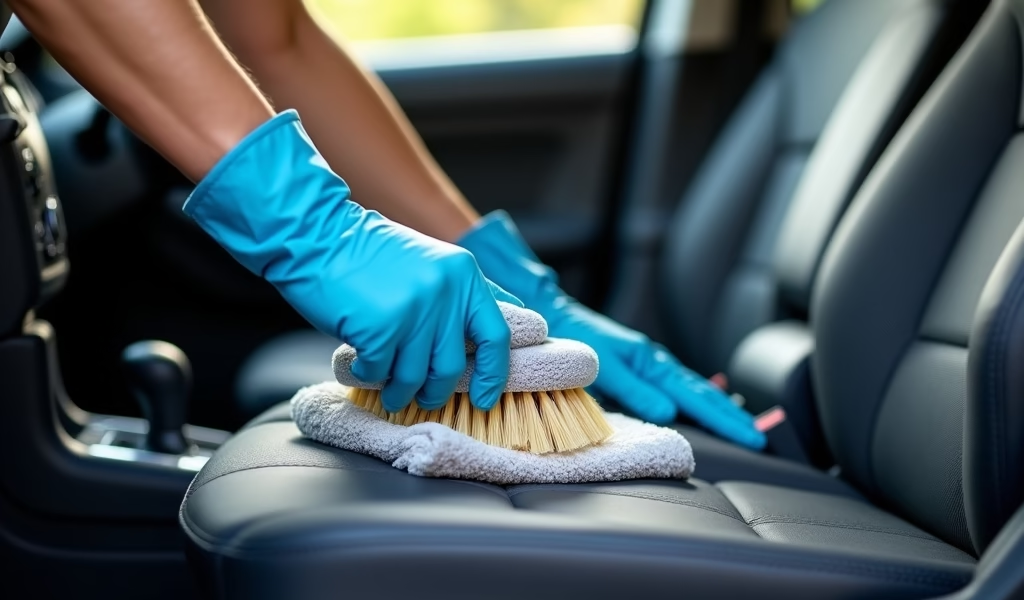
- Soft-bristle brushes (for agitating without damaging)
- Spray bottles (for applying cleaners)
- Clean white towels (to check if you’re actually removing dirt)
For fabric upholstery, add:
- Fabric upholstery cleaner
- Fabric stain remover
- Baking soda (for odor removal)
For leather upholstery, you’ll need:
- pH-balanced leather cleaner
- Leather conditioner
- Leather protectant
For vinyl seats, include:
- Mild soap solution
- Vinyl protectant
Budget-friendly alternatives that work surprisingly well include dish soap mixed with warm water (1 tablespoon per gallon), white vinegar and water solution (1:1 ratio), and club soda for immediate stain treatment. In my years working with vehicles, I’ve often found these household items perform just as well as specialty products at a fraction of the cost.
Step 1: Vacuum Thoroughly
The foundation of any good upholstery cleaning is a thorough vacuum. This isn’t the time for a quick once-over—we’re talking archaeological-dig level of thoroughness. Without proper vacuuming, any wet cleaning methods will simply push dirt deeper into the upholstery fibers.
Start by removing all personal items, car seats, and floor mats. You’d be surprised how much debris accumulates under these areas. Use the crevice tool to reach between and under seats, where coins, crumbs, and other debris like to hide. Work methodically from top to bottom, using short, overlapping strokes for maximum pickup.
Pay special attention to these often-missed areas:
- Between seat cushions (the infamous french fry graveyard)
- Along seat tracks (where mysterious items disappear)
- Door pockets (which somehow become impromptu trash receptacles)
- Under the seats (the final resting place of many lost items)
For those stubborn areas where the vacuum can’t quite reach, try using a clean, dry paintbrush or compressed air to dislodge debris. For pet hair that seems magnetically attached to the upholstery, dampen a rubber glove and run your hand over the surface—the hair will clump together for easier removal. This simple car interior cleaning tip can save you significant time and frustration.
Step 2: Pretreat Stains
Like diagnosing an engine issue, successful stain removal requires identifying the culprit before applying treatment. Different stains require different approaches, and using the wrong method can make matters worse.
For food and beverage stains, start by blotting (never rubbing) with club soda or a mixture of dish soap and water. Coffee or soda stains often respond well to a vinegar and water solution. For stubborn coffee stains, a paste made from baking soda and water can work wonders when left to sit for 30 minutes before blotting away.
Oil-based stains require a different approach. Apply cornstarch or baking soda to absorb the oil, let it sit for 15-30 minutes, then vacuum thoroughly. Follow with an appropriate cleaner for your upholstery type. Ink stains can be particularly challenging—dab gently with rubbing alcohol using a cotton ball, but always test in an inconspicuous area first.
Mud stains should be allowed to dry completely before treatment. Once dry, vacuum thoroughly to remove loose particles, then treat with upholstery cleaner. For blood stains (hey, accidents happen), cold water is your friend—hot water will set the stain permanently.
The cardinal rule of stain treatment: always apply cleaning solutions to a cloth first, not directly to the upholstery. Work from the outside of the stain toward the center to prevent spreading. Allow pre-treatments to work for 5-10 minutes before proceeding to the next step.
Step 3: Deep Clean Upholstery
Now for the main event! This is where your car’s interior transforms from “I should probably clean this sometime” to “Is this the same vehicle I’ve been driving?”
For fabric upholstery, start by testing your cleaner in an inconspicuous area. Once confirmed safe, spray cleaner lightly onto a small area (approximately 2×2 feet). The key word here is “lightly”—over-saturating leads to mold, mildew, and that musty smell that’s nearly impossible to remove. Agitate gently with a soft brush using circular motions, then blot with a clean microfiber cloth. Work in sections to ensure thorough cleaning.
Leather requires special care. Apply a pH-balanced leather cleaner to a microfiber cloth—never directly to the leather. Wipe surfaces gently, paying special attention to high-contact areas like the driver’s seat and armrests. Remove cleaner with a separate clean, damp cloth, then allow to air dry before conditioning. Never use products containing alcohol or petroleum distillates on leather; they’ll strip away the natural oils and lead to cracking.
For vinyl upholstery, mix mild soap with warm water. Wipe surfaces with a soft cloth, paying special attention to seams and stitching where dirt accumulates. Rinse with a clean, damp cloth to remove soap residue. Vinyl can handle slightly more aggressive cleaning than leather, but still benefits from gentle treatment.
If you have access to a steam cleaner, it can be incredibly effective for fabric upholstery. The hot vapor penetrates deep into fibers, loosening dirt and killing bacteria without excessive moisture. Just keep the steamer moving to prevent soaking any one area. For those looking for more comprehensive cleaning, consider exploring step-by-step car detailing techniques that professionals use.
Remember the “less is more” approach generally works best when cleaning car upholstery. Your goal is clean fabric, not soaked cushions that will take days to dry.
Step 4: Rinse and Extract
Leaving cleaning solution residue behind is like not rinsing soap off your hands—it attracts more dirt, feels uncomfortable, and can cause damage over time. The extraction phase is what separates amateur cleaning from professional-quality results.
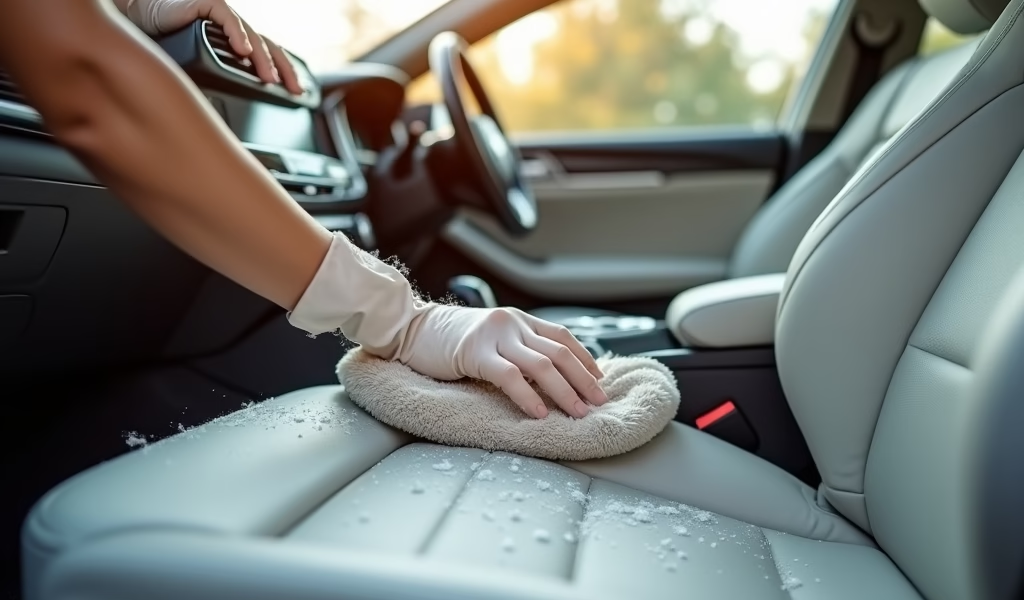
Start by preparing a spray bottle with clean water. Lightly mist cleaned areas, being careful not to soak the upholstery. Blot with clean, dry white towels using firm pressure. Repeat this process until no dirt or soap transfers to the towel. This might take several rounds, but the effort pays off in properly cleaned upholstery.
For more efficient extraction, a wet/dry vacuum is invaluable. These machines can pull significant moisture from upholstery, dramatically reducing drying time. If you don’t own one, consider renting from a local hardware store—the investment is worthwhile for thorough cleaning.
If you’re working with a tight budget, try this technique: after spraying with clean water, place dry towels against the fabric and press firmly with a rolling pin or similar object to extract moisture. It’s not as efficient as a dedicated extractor, but it’s considerably better than leaving excess moisture in the upholstery.
The white towel test never lies—if your towel comes away clean after blotting, you’ve successfully removed all the dirt and cleaning solution. If you still see discoloration on the towel, continue the rinsing and extracting process. Research indicates that thorough extraction significantly extends the life of upholstery materials by preventing chemical breakdown from residual cleaners.
Step 5: Dry and Protect
Proper drying is non-negotiable when cleaning car upholstery. Damp upholstery creates the perfect environment for mold and mildew growth, potentially causing health issues and permanent damage to your vehicle’s interior.
If weather permits, park your car in a sunny spot with windows cracked to promote airflow. Use fans to circulate air through the vehicle, positioning them to create cross-ventilation. Running your car’s air conditioning with the recirculation setting OFF can also help draw moisture out of the upholstery. For faster drying, use a wet/dry vacuum to extract as much moisture as possible before allowing air drying.
Once completely dry, it’s time to protect your freshly cleaned upholstery. For fabric, apply a fabric protector spray according to the manufacturer’s directions, creating a barrier against future stains. For leather, apply a quality leather conditioner using a microfiber cloth, working in small circular motions. This replaces natural oils removed during cleaning and prevents the leather from drying and cracking. For vinyl, apply a vinyl protectant, being careful to avoid getting any on the pedals or steering wheel where it could create a slippery hazard.
The protection step is often skipped, but it’s what keeps your upholstery looking clean longer. Think of it as waxing your car after washing—that extra layer of protection makes future cleaning easier and extends the life of your materials.
Maintenance Tips
Keeping your car’s upholstery clean is much easier when you implement a regular maintenance routine. Prevention truly is better than cure when it comes to upholstery care.
Consider keeping a small handheld vacuum in your car for quick cleanups. Address spills immediately—the longer they sit, the harder they are to remove. Keep a package of cleaning wipes in your glove compartment for immediate stain treatment. For vehicles that see heavy use, seat covers are a worthwhile investment, especially if you frequently transport children, pets, or engage in activities that could soil your upholstery.
Establish a cleaning schedule that works with your lifestyle:
- Weekly: Quick vacuum and wipe down of high-touch surfaces
- Monthly: Spot clean any new stains
- Quarterly: Deep clean following the 5-step process
- Annually: Apply protectants and conditioners
Seasonal considerations also matter. In winter, use water-repellent products to protect from snow and slush. Summer calls for UV protection to prevent fading, especially for leather. Fall is the perfect time to clean air vents before turning on the heater for the season.
Remember that your habits significantly impact upholstery longevity. Avoid eating in your car when possible. If you must snack on the go, choose less messy options. Consider using cup holders with spill protection for beverages. These simple adjustments can dramatically reduce the cleaning challenges you’ll face.
Conclusion
Mastering how to clean car upholstery isn’t just about aesthetics—it’s about preserving your vehicle’s value, extending the life of interior materials, and creating a healthier environment for everyone who rides with you. By following these five strategic steps—vacuum thoroughly, pretreat stains, deep clean, rinse and extract, and dry and protect—you’ve given your car’s interior a professional-quality refreshment.
Remember that consistency trumps intensity when it comes to upholstery maintenance. Regular light cleaning prevents the need for intensive deep cleaning sessions. Your future self will thank you for developing these habits now, especially when it comes time to sell or trade in your vehicle.
Clean car upholstery contributes significantly to that satisfying “new car feeling” we all love. There’s something undeniably refreshing about sliding into a clean, fresh-smelling vehicle—it almost makes you forget about the coffee spill that started this whole cleaning journey. With these techniques in your maintenance arsenal, you’re well-equipped to keep your car’s interior looking its best for years to come.
Frequently Asked Questions
Can I use household cleaners on my car upholstery?
Some household cleaners are safe for car upholstery, particularly mild dish soap diluted in water. Always test any cleaner on an inconspicuous area first and avoid products containing bleach, ammonia, or alcohol, especially on leather surfaces.
How often should I clean my car upholstery?
For regular maintenance, vacuum weekly and spot-clean spills immediately when they occur. Deep cleaning should be performed every 3-6 months, depending on usage and exposure to dirt.
What’s the best way to remove pet hair from car seats?
A rubber glove slightly dampened with water works wonders for gathering pet hair when rubbed across upholstery. For stubborn hair, use a pet hair removal brush or a pumice stone designed for upholstery.
How can I remove bad odors from my car upholstery?
Sprinkle baking soda liberally over upholstery, let sit overnight, then vacuum thoroughly to remove embedded odors. For persistent smells, enzymatic cleaners designed for pet accidents can break down the organic materials causing the odor.
Is steam cleaning safe for all types of car upholstery?
Steam cleaning works well for fabric upholstery but should be used with caution on leather and vinyl. For leather, keep the steamer moving continuously and follow immediately with leather conditioner to prevent drying and cracking.