
Overview
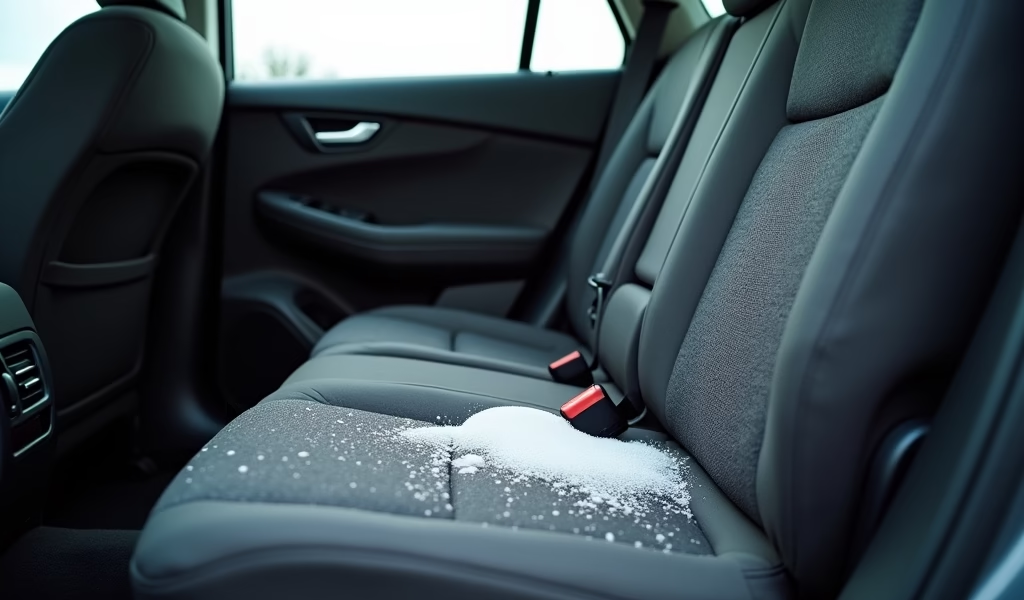
Car seat cleaning doesn’t have to be a relationship-ending disagreement about whose crumbs are whose—just follow this seven-step process: vacuum thoroughly, spot clean stains, deep clean with the right solution, consider steam cleaning for stubborn issues, dry properly to prevent mold, apply protective treatments, and know when to call professionals. The article emphasizes that regular maintenance not only keeps your car looking and smelling fresh but also preserves your vehicle’s value and creates a healthier environment for passengers.
Table of Contents
- Introduction to Cleaning Car Seat Fabric
- Essential Supplies for Cleaning Car Seats
- Step 1: Thorough Vacuuming
- Step 2: Spot Cleaning Techniques
- Step 3: Deep Cleaning Methods
- Step 4: Steam Cleaning Benefits
- Step 5: Proper Drying Process
- Step 6: Preventative Maintenance
- Step 7: When to Call a Professional
- Conclusion
- Frequently Asked Questions
Introduction to Cleaning Car Seat Fabric
Let’s face it – your car is practically your second home. Between daily commutes, road trips, coffee spills, and snack crumbs, those fabric seats take quite a beating. Learning how to clean car seats fabric properly isn’t just about aesthetics; it’s about extending the life of your vehicle’s interior and creating a healthier environment for everyone who rides with you.
As someone who’s spent years working with vehicle interiors, I’ve seen everything from minor coffee stains to seats that look like they’ve survived a food fight. The good news? Most fabric seats can be restored to near-showroom condition with the right techniques. In this comprehensive guide, I’ll walk you through 7 expert-approved tips on how to clean car seats fabric effectively – from routine maintenance to tackling those stubborn mystery stains that have been haunting you since 2019.
Whether you’re preparing for a special occasion, getting ready to sell your vehicle, or simply want to enjoy a fresher drive, these car interior cleaning tips will transform your fabric seats without damaging the material. Let’s roll up our sleeves and get those seats looking spectacular again!
Essential Supplies for Cleaning Car Seats
Before diving into the cleaning process, gathering the right supplies will make your job infinitely easier. Think of it as assembling your cleaning arsenal – having everything within arm’s reach will streamline the process and prevent you from tracking dirt back into your freshly cleaned car while hunting for that one missing item.
Here’s what you’ll need for a thorough fabric seat cleaning:
- Vacuum cleaner with upholstery attachment
- Microfiber towels (several – they’re truly the unsung heroes of car cleaning)
- Soft-bristled brush or old toothbrush
- Spray bottle for homemade solutions
- Upholstery cleaner specifically formulated for automotive use
- White vinegar (nature’s cleaning marvel)
- Baking soda (for odor elimination)
- Fabric protector spray (for after cleaning)
- Bucket of warm water
- Optional: Steam cleaner
A quick note about cleaning solutions: While there are excellent commercial products available, you can create an effective homemade solution by mixing one part white vinegar with two parts warm water and a small drop of dish soap. This gentle mixture works wonders on fabric without leaving behind chemical residues that might affect sensitive skin or damage your upholstery.
Before using any cleaner – store-bought or homemade – always test it on an inconspicuous area of your seat first. That hidden spot under the headrest or the back corner of the seat cushion is perfect for this purpose. Wait about 10 minutes to ensure there’s no discoloration or adverse reaction to the fabric. This simple precaution has saved countless car owners from turning a small stain into an even bigger problem.
Step 1: Thorough Vacuuming
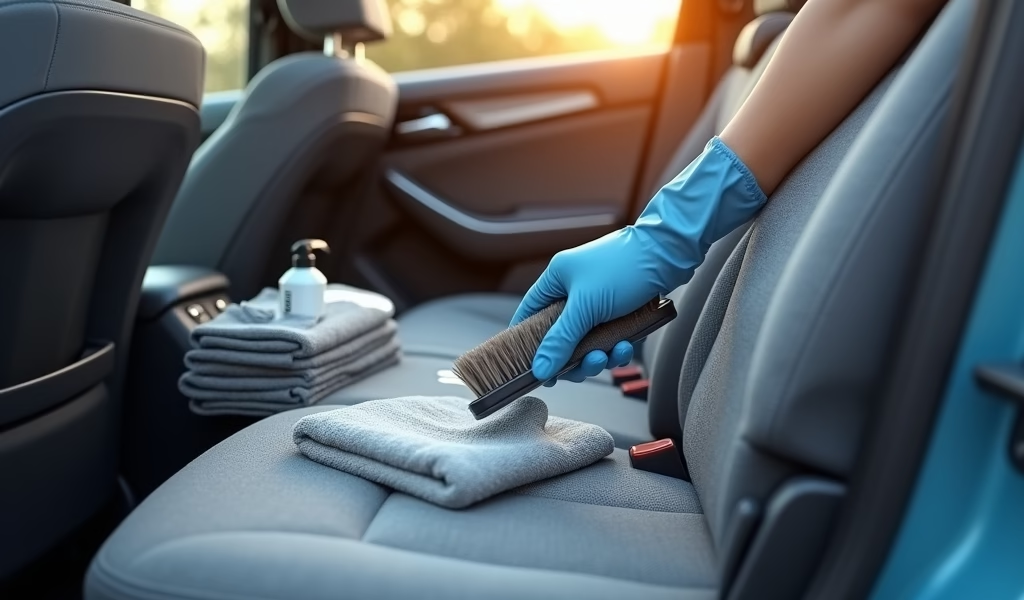
The foundation of any successful fabric seat cleaning begins with a thorough vacuum – and I mean thorough. This isn’t your quick once-over; we’re talking about a methodical process that removes the layers of dirt, crumbs, and debris that have settled into every nook and cranny of your upholstery.
Start by removing any floor mats and larger items from your car. Next, use the upholstery attachment on your vacuum cleaner – those crevice tools are specifically designed to reach between seat cushions and along seams where surprising amounts of debris hide. Work systematically from top to bottom, paying special attention to the seams, headrests, and the junction where the back meets the seat cushion.
For those stubborn areas where the vacuum struggles to reach, try this pro tip: wrap a slightly damp microfiber cloth around a flat screwdriver or butter knife (nothing sharp!) and gently run it along the seams. You’ll be amazed – and possibly horrified – at what you’ll extract. Those french fries from last summer’s road trip? They’ve been hiding there all along.
Don’t rush this step. According to automotive cleaning experts, approximately 80% of what makes seats look dirty can actually be removed through proper vacuuming alone. Taking your time here will make the wet cleaning process much more effective because you’ll be treating the fabric itself rather than just pushing surface dirt around.
Step 2: Spot Cleaning Techniques
Now that your seats are properly vacuumed, it’s time to address those stubborn spots and stains that have been giving you the side-eye every time you get in your car. The key to successful spot cleaning is quick action and the right technique for each type of stain.
For fresh stains, blotting (not rubbing!) is crucial. Grab a clean microfiber cloth and press firmly on the stain to absorb as much liquid as possible before it sets. Working from the outside of the stain toward the center prevents spreading and creating a bigger problem.
Different stains require different approaches:
- Food and drink stains: Mix equal parts water and white vinegar in a spray bottle. Lightly spray the affected area, let sit for 2-3 minutes, then blot with a clean microfiber cloth. For stubborn food stains, a small amount of dish soap added to this mixture works wonders.
- Oil-based stains: Sprinkle baking soda on the spot and let it sit for 15-20 minutes to absorb the oil. Vacuum thoroughly, then treat with an upholstery cleaner specifically formulated to cut through grease.
- Mud and dirt: Allow to dry completely (counterintuitive, I know), then vacuum thoroughly before treating with a mild cleaner. Wet mud can push deeper into fibers when cleaned immediately.
- Mystery stains: These unidentified offenders often respond well to a mixture of ¼ cup baking soda and warm water formed into a paste. Apply gently with a soft brush, let dry, then vacuum away.
When spot cleaning, patience truly is a virtue. Apply your cleaning solution sparingly – you can always add more, but oversaturating your seats can lead to mildew and odor issues down the road. Use small, circular motions with your brush or cloth, and frequently rinse your cloth in clean water to avoid spreading the stain around.
For particularly stubborn stains, you might need to repeat the process several times. If you’re dealing with a stain that simply won’t budge after 2-3 attempts, it might be time to consider a professional car detailing service rather than risking damage to your upholstery.
Step 3: Deep Cleaning Methods
Once you’ve tackled individual stains, it’s time for a comprehensive deep clean that will revitalize your entire seat fabric. This is where the transformation really happens – bringing back that “almost new car” feeling that seemed like a distant memory.
For most fabric seats, a diluted upholstery cleaner specifically designed for automotive use yields the best results. These formulations are engineered to clean deeply without leaving residue that can attract more dirt or cause stiffening of the fabric. If you’re using a commercial cleaner, follow the dilution instructions exactly – more product doesn’t necessarily mean better cleaning.
For a more natural approach, my favorite homemade solution combines:
- 1 cup warm water
- ½ cup white vinegar
- ½ tablespoon dish soap
- Optional: 1-2 drops of essential oil (lavender or lemon work beautifully)
Whichever solution you choose, here’s the method I’ve refined over years of working with fabric seats:
- Work in sections no larger than 2 feet square to ensure thoroughness.
- Lightly spray your cleaning solution onto the fabric – the key word being “lightly.” You want the fabric damp, not soaked.
- Using a soft brush (a dedicated upholstery brush or even a soft-bristled toothbrush), work the solution into the fabric using gentle, circular motions.
- Allow the solution to dwell for 1-2 minutes, giving it time to break down embedded dirt.
- Using a clean, slightly damp microfiber cloth, wipe away the loosened dirt and solution.
- Follow immediately with a dry microfiber towel to absorb excess moisture.
The most common mistake people make during deep cleaning is oversaturating the fabric. Your seats have foam padding underneath that acts like a sponge – once water seeps in, it can take days to dry and potentially lead to mold or mildew growth. Touch the fabric frequently during cleaning to ensure it’s damp but not soaking wet.
For vehicles with significant odors trapped in the fabric, consider incorporating an enzymatic cleaner designed to break down organic compounds that cause smells. These specialized cleaners can be particularly effective for eliminating pet odors or that lingering smell from the time your gym bag leaked in the backseat. The EPA’s Safer Choice program lists environmentally preferred options that are effective yet safer for both your car and the environment.
Step 4: Steam Cleaning Benefits
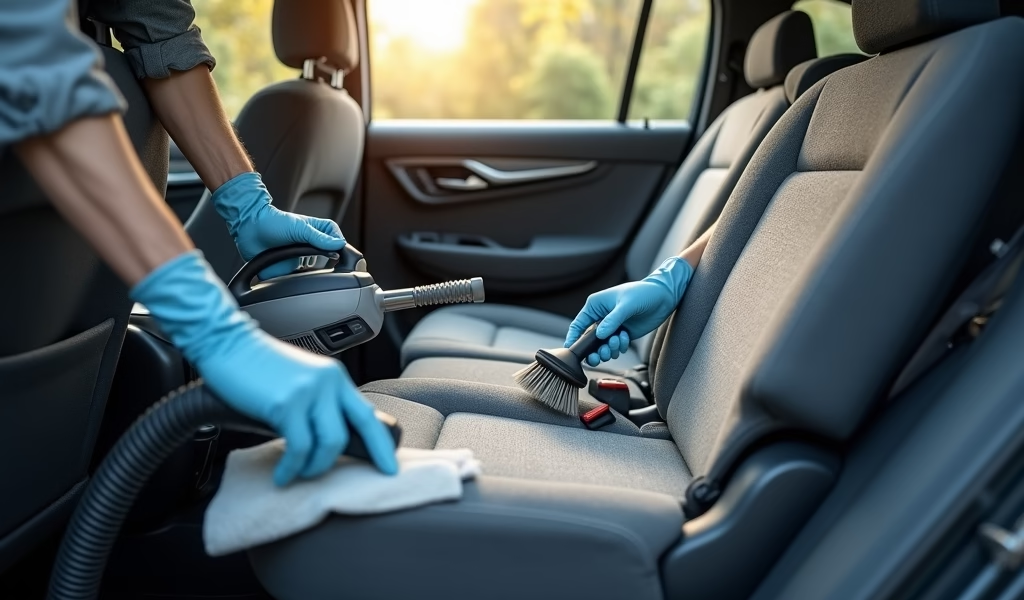
If you’re dealing with deeply embedded dirt or stubborn stains that resist traditional cleaning methods, steam cleaning represents the nuclear option in your car seat cleaning arsenal. Steam’s superpower lies in its ability to penetrate deep into fabric fibers, loosening dirt while simultaneously killing bacteria, dust mites, and other allergens.
The beauty of steam cleaning is that it relies primarily on heat rather than harsh chemicals to sanitize and clean. For those with allergies or chemical sensitivities, this can be a game-changer for maintaining a healthy vehicle interior. Plus, the heat helps to reactivate the fibers in your upholstery, giving seats a refreshed, lifted appearance that other cleaning methods simply can’t match.
If you’re using a handheld steam cleaner (which can be rented from many home improvement stores if you don’t own one), follow these steps:
- Ensure your seats are thoroughly vacuumed first.
- Test the steamer on an inconspicuous area to check for colorfastness.
- Hold the steamer about 6 inches from the fabric and move slowly across the surface.
- Follow immediately with a clean, dry microfiber cloth to collect loosened dirt and absorb moisture.
- Work in small sections, being careful not to oversaturate any one area.
For those who don’t have access to a steam cleaner, many self-service car washes offer upholstery steam cleaning options in their detailing bays. These industrial-strength machines can provide an even deeper clean, though you’ll want to follow up immediately with proper drying techniques.
One caution about steam cleaning: while extremely effective, it introduces significant moisture into your seats. This is why proper drying afterward is absolutely essential to prevent mold and mildew issues. Never steam clean your seats if you won’t have adequate time and conditions for thorough drying afterward.
Step 5: Proper Drying Process
The drying phase might seem like the easiest part of cleaning your car seats, but it’s actually one of the most critical steps in the entire process. Improper drying can lead to water spots, mildew growth, and unpleasant odors that can be challenging to eliminate once established.
Start by using dry, clean microfiber towels to blot – not rub – as much moisture as possible from the seats. Press firmly into the fabric, allowing the towel to absorb water through capillary action. You might be surprised by how much moisture you can remove through this simple blotting technique.
After manual drying, you have several options to complete the process:
- Natural air drying: Park your car in direct sunlight with windows cracked open to allow for air circulation. The sun’s heat will accelerate evaporation while the airflow prevents humidity buildup inside the vehicle.
- Fan-assisted drying: Position portable fans to blow directly across the seats. This dramatically speeds up drying time by increasing air movement across the damp fabric.
- Climate control method: Run your car with the air conditioning on for 20-30 minutes. Set to the coolest temperature and highest fan setting, this will help draw moisture out of the fabric.
For optimal results, I recommend a combination approach. Start with thorough blotting, follow with fans for an hour or two, then park in the sun with windows slightly open. This multi-pronged approach ensures you’re addressing moisture both on and below the surface of the fabric.
Keep in mind that even when seats appear dry to the touch, moisture may still be present in the padding underneath. That’s why it’s best to allow at least 4-6 hours of drying time before considering the job complete. For deep cleaning or steam cleaning, overnight drying is often necessary to ensure all moisture has fully evaporated.
To check if your seats are truly dry, press a piece of clean white paper towel firmly against different sections of the seat. If any moisture transfers to the paper, more drying time is needed. This simple test can prevent the headache of dealing with mildew down the road.
Step 6: Preventative Maintenance
As the saying goes, an ounce of prevention is worth a pound of cure – and nowhere is this more true than with car seat maintenance. Implementing a few simple habits can dramatically reduce how often you need to deep clean your fabric seats and extend the life of your upholstery.
First and foremost, consider applying a fabric protector spray designed specifically for automotive interiors. These products create an invisible barrier that repels liquids and prevents stains from setting into the fibers. Most need reapplication every 3-6 months, but this small investment of time provides significant protection against everyday spills and accidents.
Beyond protective treatments, these practical habits will keep your seats looking fresher longer:
- Institute a “no food” policy in your car, or at minimum, be selective about what foods you allow (nothing crumbly or potentially staining).
- Keep wet wipes in your glove compartment to address spills immediately before they set in.
- Vacuum your car interior every 2-3 weeks, even if it doesn’t look particularly dirty – this prevents grit from grinding into fibers.
- Consider using seat covers if you frequently transport children, pets, or if your car doubles as your office lunch room.
- Be mindful of what you’re wearing – new jeans can transfer dye to light-colored seats, and sunscreen can leave oily residues.
For those with children or pets, investing in quality seat protectors is a smart move for maintaining your car’s interior. Modern options are far more stylish and comfortable than the plastic covers of yesteryear, with designs specifically created to provide protection while maintaining the comfort and appearance of your vehicle.
Remember that prevention isn’t just about avoiding stains – it’s also about protecting the structural integrity of your seats. Excessive sun exposure can fade and weaken fabric, so consider window tinting or using a windshield sun shade when parked for extended periods. These simple protective measures can significantly extend the lifespan of your upholstery.
Step 7: When to Call a Professional
While DIY cleaning can address most common fabric seat issues, there are definitely situations where professional intervention is the wisest course of action. Knowing when to hand over the reins to an expert can save you time, frustration, and potentially prevent costly damage to your vehicle’s interior.
Consider professional cleaning services in these scenarios:
- Biohazard situations (significant bodily fluids, blood, etc.)
- Extensive mold or mildew development
- Persistent odors that haven’t responded to DIY treatments
- Vintage or luxury vehicles with specialty fabrics
- Severe, set-in stains that haven’t responded to multiple cleaning attempts
- When preparing a vehicle for sale and wanting maximum value
When selecting a professional service, look for specialists with specific training in automotive upholstery rather than general cleaning companies. Ask about their process, the solutions they use, and whether they offer any guarantees for their work. Reputable services will be transparent about their methods and willing to provide references.
Professional cleaning typically costs between $50-$300 depending on your location, vehicle size, and the extent of cleaning required. While this represents a significant investment compared to DIY methods, professionals have access to commercial-grade equipment and solutions that can address issues beyond the reach of household products. According to a study by J.D. Power, vehicles with well-maintained interiors can command up to 10% higher resale values – making professional cleaning potentially worth the investment when preparing to sell.
Even if you regularly clean your seats yourself, consider a professional deep clean annually as part of your overall vehicle maintenance routine. Think of it as the interior equivalent of a major service – a reset that keeps your car’s cabin healthy and looking its best year after year.
Conclusion
Maintaining clean fabric car seats isn’t just about aesthetics – it’s about preserving your vehicle’s value, creating a healthier environment for passengers, and making your daily commute more enjoyable. By following these seven expert-approved tips on how to clean car seats fabric, you’ve learned a comprehensive approach that addresses everything from routine maintenance to tackling those mysterious stains that have been bothering you for years.
Remember that consistency is key when it comes to car interior care. A quick vacuum every few weeks and promptly addressing spills will dramatically reduce the need for intensive deep cleaning sessions. And don’t underestimate the power of preventative measures like fabric protectors and sensible food policies – your future self will thank you for the foresight.
Whether you’re a DIY enthusiast or someone who prefers to leave the heavy lifting to professionals, the knowledge you’ve gained here provides a solid foundation for making informed decisions about your vehicle’s upholstery care. Clean seats contribute to a more pleasant driving experience, fewer allergens in your vehicle’s environment, and ultimately, to the longevity of your car’s interior.
So go ahead – put these tips into practice and enjoy that fresh, clean car feeling that makes every drive just a little bit better!
Frequently Asked Questions
How often should I clean my car’s fabric seats?
Vacuum your car seats every 2-3 weeks and spot clean as needed. Deep clean fabric seats every 3-4 months for regular use, or more frequently if you have children, pets, or use your vehicle for work.
Can I use household cleaners on my car’s fabric upholstery?
Most household cleaners are too harsh for automotive upholstery and can damage the fabric or padding. Stick to cleaners specifically formulated for car interiors or gentle DIY solutions like diluted vinegar and water.
How long does it take for car seats to dry after cleaning?
Drying time varies based on cleaning method, humidity, and temperature. Expect 2-3 hours for spot cleaning and up to 24 hours for deep cleaning or steam cleaning, especially if the padding beneath gets wet.
Will cleaning my fabric seats remove all stains?
Fresh stains typically respond well to prompt cleaning, but set-in or old stains may be permanent. Some stains like dye transfers, ink, or severe oil marks might not completely disappear even with professional cleaning.
What’s the best way to remove odors from fabric car seats?
For persistent odors, sprinkle baking soda liberally on dry seats, let sit overnight, then vacuum thoroughly. For organic odors (food, pets, body odors), enzymatic cleaners specifically designed to break down those compounds work best.