

Overview
Just like our daily coffee spills and hiking adventures leave their mark on our car seats, this guide provides material-specific cleaning techniques for both fabric and leather upholstery, with specialized approaches for tough stains, odor removal, and preventative care. Regular maintenance not only preserves your vehicle’s aesthetic appeal but also protects your investment by extending upholstery life by 5-7 years and potentially increasing resale value by up to 10%.
Table of Contents
- Introduction to Car Seat Maintenance
- Why Regular Car Seat Cleaning Matters
- Essential Tools for Cleaning Car Seats
- How to Clean Fabric Car Seats
- How to Clean Leather Car Seats
- Tackling Tough Stains and Spills
- Eliminating Odors from Car Seats
- Preventive Measures to Protect Your Seats
- Proper Drying Techniques
- When to Consider Professional Cleaning
- Conclusion
- Frequently Asked Questions
Introduction to Car Seat Maintenance
Car seats endure considerable wear and tear throughout their lifetime. From morning coffee spills to muddy footprints after hiking trips, these surfaces absorb the evidence of our daily lives. Learning how to clean car seats properly isn’t just about aesthetics—it’s about protecting a significant investment and extending the life of your vehicle’s interior.
In my 20 years as an automotive upholstery specialist, I’ve seen countless seats needlessly replaced when proper cleaning could have restored them. The average replacement cost for a single car seat ranges between $500-$2,000, making regular maintenance not just sensible but economical.
This comprehensive guide breaks down professional-grade cleaning techniques that anyone can master, regardless of your car’s make or model. By following these methods, you’ll maintain that showroom-fresh look while avoiding the hefty price tag of premature replacement.
Why Regular Car Seat Cleaning Matters
Car seats absorb more than meets the eye. Beyond visible stains, they harbor allergens, bacteria, and microscopic debris that can affect both your vehicle’s condition and your health. Regular cleaning prevents these contaminants from becoming embedded in fibers or cracks, where they can cause permanent damage.
Material degradation accelerates when dirt and oils remain on seats. Fabric fibers break down faster, while leather can crack and discolor when natural oils are replaced by human skin oils and environmental pollutants. According to Consumer Reports’ interior cleaning research, proper maintenance can extend upholstery life by 5-7 years.
The resale value of your vehicle significantly depends on interior condition. A clean, well-maintained interior can increase your car’s value by up to 10% compared to identical models with neglected interiors. This translates to hundreds or even thousands of dollars preserved through simple maintenance habits.

Essential Tools for Cleaning Car Seats
Gathering the right supplies before starting ensures efficient cleaning without damaging your seats. Here’s what belongs in your car seat cleaning arsenal:
- Vacuum with upholstery attachments (crevice tool and brush head)
- Microfiber cloths (avoid paper towels which can leave residue)
- Soft-bristled brushes (different sizes for various areas)
- Spray bottles for cleaning solutions
- Material-appropriate cleaners (fabric upholstery cleaner or leather cleaner)
- Steam cleaner (optional but highly effective for fabric seats)
- Interior detailing brushes for seams and buttons
- Clean buckets for rinse water
Invest in quality tools that will last through multiple cleanings. The upfront cost pales in comparison to professional detailing services or seat replacement. Store these supplies together in a dedicated container for easy access during your regular cleaning routine.
Always avoid household cleaners not intended for automotive use. Products like bleach, ammonia-based cleaners, and furniture polish can damage automotive upholstery and compromise structural integrity. Material-specific products are formulated to clean without affecting color fastness or protective coatings.
How to Clean Fabric Car Seats
Fabric seats require special attention to prevent water spotting and detergent buildup. Begin by thoroughly vacuuming the entire seat surface, paying particular attention to seams, crevices, and the junction between the seat back and cushion. This removes loose particles that could scratch the fabric during cleaning.
For routine cleaning of fabric car seats, combine a quarter cup of mild laundry detergent with a gallon of warm water. Apply sparingly using a spray bottle, working in small sections to prevent oversaturation. Use circular motions with a microfiber cloth, applying gentle pressure rather than scrubbing aggressively.
For stubborn areas, a soft brush can help agitate without damaging fibers. Work the solution into the fabric, then blot—don’t rub—with a clean, dry microfiber cloth. This lifting action pulls dirt up rather than pushing it deeper into the upholstery.
Steam cleaning offers the most thorough option for fabric seats. The hot vapor penetrates deep into fibers, breaking down embedded dirt while using minimal moisture. If using a home steam cleaner, select the upholstery attachment and maintain constant movement to prevent soaking any area.
Always test any cleaning method or product on an inconspicuous area first, such as under the seat or in a corner. This ensures colorfastness and prevents unexpected reactions with the fabric treatment.
How to Clean Leather Car Seats
Leather requires a fundamentally different approach than fabric. This natural material needs both cleaning and conditioning to maintain its supple texture and prevent premature aging. Start with a pH-balanced leather cleaner specifically formulated for automotive use.
Apply the cleaner to a microfiber cloth rather than directly to the leather. Work in small sections using gentle circular motions, paying extra attention to high-contact areas like headrests and side bolsters. Avoid excessive pressure which can damage the leather’s protective coating.
After cleaning, it’s essential to condition leather car seats to replace natural oils. Select a high-quality leather conditioner and apply a thin, even coat, allowing it to penetrate for the manufacturer’s recommended time (typically 5-10 minutes). Buff away any excess with a clean microfiber cloth to prevent a greasy residue.
For perforated leather, take special care not to oversaturate. Apply cleaning and conditioning products to your cloth first, then wipe gently over perforated areas to prevent liquid from seeping into the underlying foam. A soft detailing brush can help clean perforations without damaging them.
Establish a regular conditioning schedule—monthly in hot, dry climates and quarterly in moderate conditions. This consistent care prevents the microscopic cracking that eventually leads to visible damage and costly repairs or replacement.
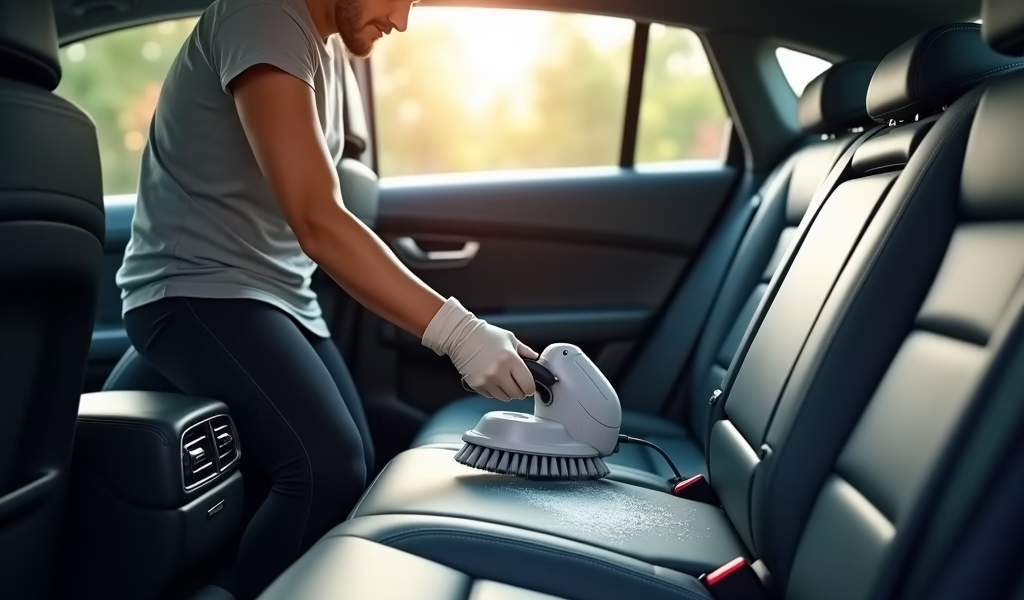
Tackling Tough Stains and Spills
Immediate action significantly improves your chances of complete stain removal. For fresh spills, blot—don’t rub—with a clean, absorbent cloth to remove as much liquid as possible before it penetrates deeper. This simple step prevents many stains from setting permanently.
For specific tough stains, targeted approaches yield better results:
- Coffee and soda: Blot with a solution of equal parts white vinegar and cool water, followed by a clean water rinse.
- Grease and oil: Apply cornstarch or baking soda to absorb excess oil, let sit for 15-20 minutes, then vacuum thoroughly before cleaning with a suitable upholstery cleaner.
- Ink: Dab (don’t rub) with a small amount of rubbing alcohol on a cotton swab, working from the outside of the stain inward.
- Blood: Treat immediately with cold water (never hot, which sets protein stains), then follow with an enzyme-based cleaner designed for protein removal.
- Vomit: Remove solid matter, neutralize acid with baking soda, vacuum, then clean with an enzyme cleaner to eliminate both stain and odor.
For set-in stains on fabric seats, consider enzymatic cleaners which break down protein-based stains at the molecular level. These specialized products work gradually but effectively on stains that resist conventional cleaning. According to research on enzymatic cleaning processes, these biological solutions can break down stubborn compounds without damaging underlying materials.
With leather, treat stains by gently lifting the contaminant rather than pushing it into the pores. Use appropriate leather-specific stain removers and follow immediately with conditioner to prevent the cleaned area from drying differently than surrounding leather.
Eliminating Odors from Car Seats
Persistent odors often penetrate beyond the surface and require specialized treatment. Begin with a thorough vacuuming to remove particles that may contain odor-causing bacteria. For fabric seats, baking soda serves as an effective natural deodorizer—sprinkle liberally, allow to sit overnight, and vacuum thoroughly the next day.
For biologically-based odors (food, pets, body odors), enzymatic cleaners break down the organic compounds causing the smell rather than merely masking them. Spray lightly and allow the enzymes time to work—typically several hours for maximum effectiveness.
Smoke odors prove particularly challenging as they penetrate deeply into all surfaces. A combination approach works best: steam clean fabric seats, use activated charcoal to absorb airborne particles, and replace cabin air filters. For leather exposed to smoke, specialized leather deodorizers are available that penetrate without damaging the material.
Avoid air fresheners that simply mask odors without addressing their source. These products create a layered smell that often becomes unpleasant over time. Instead, focus on complete odor removal followed by proper ventilation to restore a neutral interior environment.
For persistent odors that resist home treatment, consider ozone treatment performed by professionals. This process uses activated oxygen to neutralize odor molecules at the chemical level, though it should only be performed by trained technicians as ozone can damage certain materials.
Preventive Measures to Protect Your Seats
Prevention significantly reduces cleaning frequency and extends upholstery life. Seat covers offer the most comprehensive protection and come in materials ranging from basic polyester to premium neoprene or leather-matched vinyl. Modern designs fit precisely without the baggy appearance of older versions.
For those preferring the look of original upholstery, professional fabric protection treatments create an invisible barrier against liquid penetration and staining. These treatments allow time to blot spills before they soak in, though they require reapplication every 6-12 months for continued effectiveness.
Leather-specific protectants shield against UV damage and repel liquids while allowing the material to breathe. Unlike fabric treatments, leather protectants include conditioning elements that nourish the material while protecting it.
Simple habits provide significant protection: keeping drinks in spill-proof containers, using designated eating areas outside the vehicle, and establishing a “clean hands” policy can dramatically reduce interior soiling. For vehicles used in work environments, keep a small towel handy to wipe down seats before entering after dirty tasks.
Parents of young children should consider waterproof seat protectors designed specifically for use under car seats and booster seats. These shields prevent compression damage while containing inevitable spills and crumbs in an easily cleanable layer.
Proper Drying Techniques
Improper drying causes many preventable issues including water spots, mildew, and fabric distortion. After wet cleaning, accelerate drying by using absorbent microfiber towels to blot excess moisture. Press firmly without rubbing to extract water from the upholstery.
Create air circulation by opening doors and windows, using fans directed at damp areas, or running the vehicle’s climate control system on the coolest setting with fresh air intake. Avoid direct heat sources like hair dryers which can damage fabric fibers or cause leather to shrink and crack.
For deeply saturated areas, consider a wet/dry vacuum to extract water from the foam beneath the upholstery. This prevents the moisture wicking back to the surface and reduces drying time substantially. Make multiple passes, pressing firmly to maximize water removal.
Allow seats to dry completely before use—typically 4-6 hours in good conditions or overnight in high humidity. Sitting on damp upholstery forces moisture deeper into padding and can create permanent indentations or damage to the seat’s internal structure.
In humid environments, consider using a dehumidifier in a closed vehicle to pull moisture from the air and accelerate evaporation from the seats. This helps prevent the musty odor that can develop when car interiors remain damp for extended periods.
When to Consider Professional Cleaning
Despite diligent home maintenance, professional cleaning becomes necessary in certain situations. Consider professional services for biohazard cleanup (significant blood or bodily fluids), extensive flood damage, or mold contamination—all of which require specialized equipment and safety protocols.
Professional cleaning proves cost-effective for vintage or luxury vehicles with delicate or specialized upholstery. The expertise and equipment available to professionals often justifies the expense when dealing with irreplaceable materials or collectible vehicles.
When selecting a professional service, look beyond price. Ask about their experience with your specific upholstery type, cleaning methods used, and guarantees offered. Reputable services should provide references and clear explanations of their process.
Even with regular professional cleaning, maintain basic care between appointments. Prompt attention to spills, regular vacuuming, and proper protection extend the benefits of professional work and reduce the frequency of needed services.
Most vehicles benefit from professional deep cleaning every 12-18 months, depending on use patterns and exposure conditions. This schedule balances thorough care with reasonable expense while preventing the accumulation of deeply embedded contaminants.
Conclusion
Mastering how to clean car seats properly transforms this chore from a dreaded task into a satisfying part of vehicle ownership. The time invested in regular maintenance prevents costly replacements while preserving your car’s comfort, appearance, and value.
Remember that consistency matters more than intensity—quick spot cleaning and regular light maintenance prevent the need for aggressive treatments that can damage upholstery. By incorporating these professional techniques into your routine, you’ll enjoy clean, fresh-smelling car seats for the life of your vehicle.
The ultimate goal isn’t just cleanliness but preservation. Each cleaning session protects your investment and contributes to a more pleasant driving experience. With the right approach, tools, and knowledge, your car’s interior can remain in showroom condition regardless of age or mileage.
Frequently Asked Questions
How often should I clean my car seats?
Vacuum car seats every two weeks and perform deep cleaning quarterly for normal use. Increase frequency if you have pets, children, or regularly transport passengers for work.
Can I use dish soap to clean my car seats?
Mild dish soap diluted in water works for light cleaning of fabric seats in emergencies. However, it may leave residue that attracts dirt, so automotive-specific cleaners are strongly preferred for regular maintenance.
Is it safe to steam clean leather car seats?
Steam cleaning leather seats is risky and can cause shrinking or warping. Instead, use leather-specific cleaners and conditioners that maintain the natural properties of the material.
How can I remove pet hair from car seats?
Use a rubber glove, pet hair removal brush, or wrap packing tape around your hand sticky-side out. For embedded hair, lightly spray water to loosen hairs before using a vacuum with a brush attachment.
Will cleaning car seats remove the new car smell?
Proper cleaning with appropriate products should not eliminate the desirable aspects of that “new car” aroma. The smell actually comes from various materials throughout the vehicle, not just the seats themselves.