

Overview
From coffee catastrophes to toddler tsunamis, this guide delivers professional techniques for cleaning both fabric and leather car seats, with specific solutions for stubborn stains like wine, grease, and biological accidents. Regular maintenance not only preserves your vehicle’s value and extends upholstery life, but also creates a healthier environment—preventing that embarrassing moment when your date discovers your car seats harbor more bacteria than a toilet seat.
Table of Contents
- Introduction
- Why Regular Car Seat Cleaning Matters
- Materials You’ll Need for Car Seat Cleaning
- General Steps for Cleaning Car Seats
- How to Clean Fabric Car Seats
- How to Clean Leather Car Seats
- Tackling Tough Stains: Solutions for Common Problems
- Preventative Maintenance Tips
- Conclusion
- Frequently Asked Questions
Introduction
Ever spilled coffee on your way to work, watched helplessly as your child’s ice cream dripped onto your backseat, or cringed when your dog jumped in after a muddy walk? If you’re nodding along, you’re not alone. As a professional auto detailer with over 15 years of experience, I’ve seen it all—from the “I just bought this car yesterday” panic stains to the “I’ve been ignoring that spot for three years” crusty mysteries.
Learning how to clean car seats properly isn’t just about maintaining appearances. It’s about preserving your vehicle’s value, extending the life of your upholstery, and creating a healthier environment for everyone who rides with you. Whether you’re dealing with cloth, leather, or vinyl, having the right techniques in your DIY car cleaning arsenal can save you hundreds in professional detailing services.
In this comprehensive guide, I’ll share seven proven, stain-fighting strategies that have rescued countless vehicles from disaster. These aren’t just theoretical tips—they’re battle-tested solutions I’ve refined over thousands of cleaning jobs. Let’s transform your stained seats into something you’ll be proud to show off again.
Why Regular Car Seat Cleaning Matters
Last month, Tom brought in his five-year-old sedan for detailing. “It’s just a commuter car,” he told me sheepishly. When we pulled up the floor mats, we found mold growing underneath—a direct result of spilled drinks that had seeped into the upholstery and padding. The repair cost him nearly $800, far more than regular maintenance would have.
Regular cleaning of your car seats isn’t just about aesthetics—it’s a crucial aspect of maintaining your car’s interior health. Here’s why it matters:
- Prevents permanent staining that can reduce your vehicle’s resale value by up to 10%
- Eliminates allergens, bacteria, and mold that can affect your respiratory health
- Extends the lifespan of your upholstery by preventing premature deterioration
- Reduces unpleasant odors that become embedded in fabrics over time
- Maintains the structural integrity of seat padding, which can break down when exposed to oils and contaminants
According to research published in the Journal of Environmental Health, the average car interior harbors more bacteria than a typical home toilet seat. This startling fact becomes less surprising when you consider how often we eat, drink, sweat, and transport pets in our vehicles.
When Sarah, a mother of three, brought her minivan in for its first deep clean in two years, we found over 15 different varieties of food remnants embedded in the seat crevices. “I had no idea why my youngest was having allergy flare-ups in the car,” she said. After a thorough cleaning, his symptoms noticeably improved.
Materials You’ll Need for Car Seat Cleaning
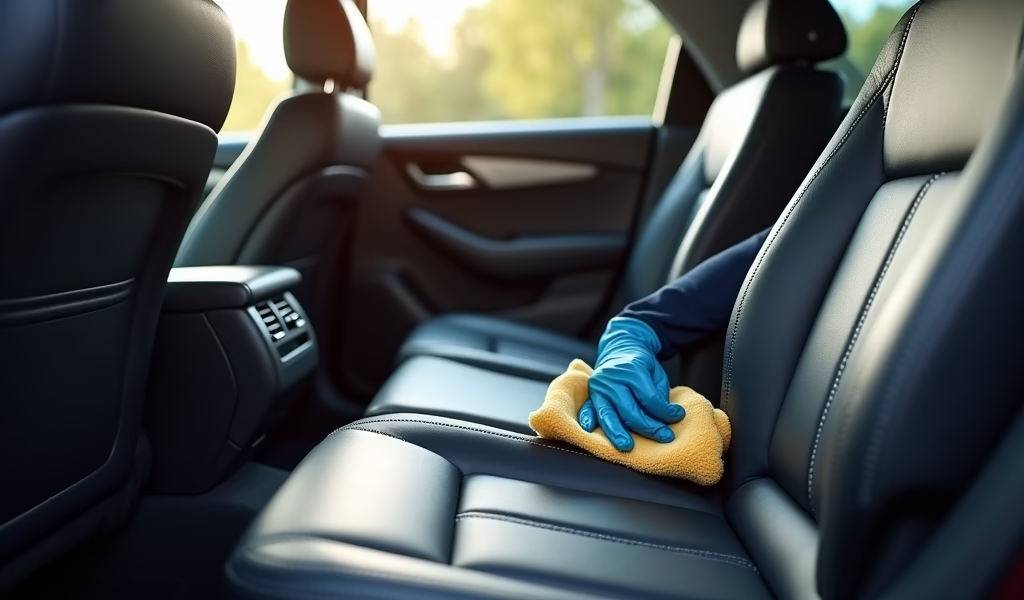
Before we dive into the cleaning process, let’s gather the right tools for the job. Having everything ready beforehand prevents that frustrating mid-clean dash to the store that often results in stains setting permanently. Here’s your DIY car cleaning shopping list:
For All Seat Types:
- Vacuum cleaner with upholstery attachment
- Microfiber cloths (at least 3-4)
- Soft-bristled brushes (an old toothbrush works great for crevices)
- Spray bottles for mixing solutions
- Clean, empty buckets for rinsing cloths
- Clean water for rinsing
- Portable fan or open windows for drying (crucial to prevent mold)
For Fabric Seats:
- Fabric upholstery cleaner (enzyme-based for biological stains)
- Baking soda for odor elimination
- White vinegar (for a DIY solution)
- Club soda (excellent for fresh stains)
- Upholstery brush with medium-soft bristles
For Leather Seats:
- pH-balanced leather cleaner
- Leather conditioner
- Leather-safe brush (softer bristles)
- Saddle soap (for tough stains)
- Leather protectant
I remember when Mike, a classic car enthusiast, tried cleaning his vintage leather seats with regular dish soap. “I thought soap was soap,” he explained as we worked to restore the dried-out, cracked upholstery. That mistake cost him nearly $1,200 in professional restoration. The right materials aren’t just convenient—they’re essential for preventing damage.
Pro tip: Always test any cleaning product or solution on a hidden area of your seat first. The underside of a cushion or the back of a headrest makes a perfect test spot. Wait 24 hours to ensure there’s no discoloration before proceeding with the full cleaning.
General Steps for Cleaning Car Seats
Regardless of your seat material, these foundational steps will set you up for success. Consider this your master blueprint for tackling any car seat cleaning project:
1. Preparation Is Key
First, remove all loose items from your car—those french fries wedged between the seats, spare change, and forgotten toys. Next, take out any removable seat covers or cushions that can be cleaned separately. If possible, park your car in a shaded area with good ventilation, as direct sunlight can cause cleaning solutions to dry too quickly and leave residue behind.
2. Thorough Vacuuming
Vacuum every inch of your seats, paying special attention to seams and crevices where debris collects. Use a crevice tool to get between cushions and along edges. For stubborn crumbs in tight spots, wrap a butter knife with a slightly damp microfiber cloth and slide it through the cracks.
“I thought my seats were relatively clean until I started vacuuming systematically,” recalled Jamie, who found nearly half a box of goldfish crackers in his toddler’s car seat area. “No wonder we had an ant problem!”
3. Identify Stains Before Treating
Different stains require different approaches. Before applying any cleaner:
- Food and drink stains typically respond well to enzyme cleaners
- Oil-based stains (makeup, grease) need degreasers or cornstarch to absorb oils
- Organic stains (blood, pet accidents) require specific biological treatments
- Unknown stains often benefit from starting with the mildest solutions first
4. Work From Mild to Strong
Always start with the gentlest cleaning method and progress to stronger solutions only if needed. This graduated approach minimizes the risk of damaging delicate upholstery. Water and mild soap are often sufficient for recent spills, while set-in stains might require specialized products.
5. The Blotting Technique
Never rub or scrub aggressively at stains—this pushes the contaminant deeper into fibers. Instead, blot firmly with clean microfiber cloths, working from the outside of the stain toward the center to prevent spreading. Replace your cloth frequently as it absorbs the stain.
6. Proper Drying Is Critical
After cleaning, thoroughly dry your seats to prevent mold and mildew. Use dry microfiber cloths to absorb excess moisture, then position fans to circulate air throughout the vehicle. For deeper cleaning that saturates cushions, consider leaving windows cracked overnight in a secure area.
When Carlos ignored the drying step after cleaning soda from his child’s booster seat area, he returned to a musty smell that took three additional treatments to eliminate. “I’d rather have lived with the original stain than that smell,” he admitted. Don’t skip this crucial step!
How to Clean Fabric Car Seats
Fabric seats are the most common type I encounter in my work, and they can be surprisingly resilient when cleaned properly. Let me walk you through my proven system for refreshing even the most neglected cloth upholstery:
For Regular Maintenance Cleaning:
Prevention is always easier than cure. For weekly maintenance that takes just 5 minutes:
- Vacuum thoroughly using short, overlapping strokes
- Wipe down surfaces with a barely damp microfiber cloth
- Sprinkle baking soda, let sit for 15 minutes, and vacuum again to freshen
For Light Stains and Spills:
Fresh stains are your friends—they haven’t had time to set. Act quickly with this method:
- Blot (don’t rub) excess liquid immediately with paper towels or a clean cloth
- Mix one tablespoon of dish soap with two cups of cold water
- Spray lightly on the affected area, being careful not to saturate
- Gently agitate with a soft brush using circular motions
- Blot with clean water to rinse
- Use dry microfiber cloths to remove excess moisture
When Lisa’s son knocked over his smoothie in her new car, she panicked—until she remembered these steps. “I was sure my beige seats were ruined, but you couldn’t even tell anything had happened after I followed the blotting technique,” she told me during her next maintenance visit.
For Stubborn Set-In Stains:
For those mystery stains that have become one with your upholstery:
- Create a paste using equal parts baking soda and warm water
- Apply to the stain and let sit for 30 minutes
- Gently brush in circular motions with a soft upholstery brush
- Vacuum thoroughly to remove residue
- For persistent stains, try a commercial upholstery cleaner following product directions
- For oily stains, sprinkle with cornstarch first to absorb grease before cleaning
The DIY approach to car detailing saves money while giving you control over the products used. Many commercial cleaners contain harsh chemicals that can fade fabric over time, which is why I often recommend gentler, homemade solutions to my clients.
Remember Mark’s vintage VW bus with the original plaid upholstery? He’d been told by three detailers it couldn’t be saved. Using a specialized enzyme cleaner for the decades-old stains and a meticulous cleaning process, we restored those seats to their former glory. “I almost cried when I saw them,” he said. “It was like stepping back into 1972.”
How to Clean Leather Car Seats
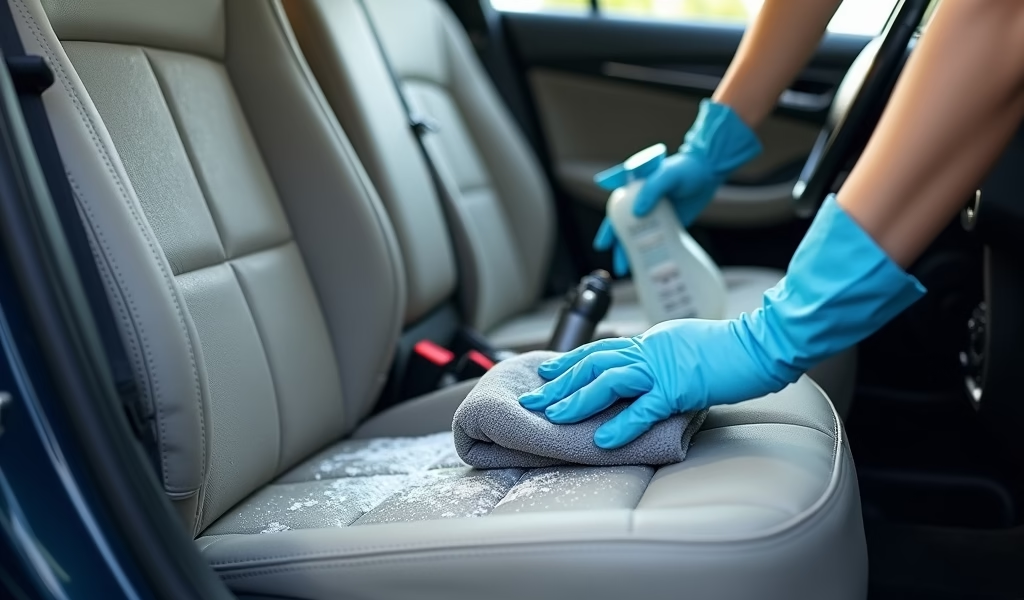
Leather seats exude luxury, but they demand specific care to maintain their supple texture and rich appearance. Treat them right, and they’ll continue looking elegant for the life of your vehicle. Here’s my detailed approach for keeping leather seats in prime condition:
Regular Maintenance for Leather:
Consistent, gentle care is the secret to leather longevity:
- Dust and vacuum weekly to prevent grit from scratching surfaces
- Wipe down with a slightly damp microfiber cloth monthly
- Apply a quality leather conditioner quarterly (more frequently in hot, dry climates)
- Keep leather out of direct sunlight when parked for extended periods
Cleaning Process for Leather Seats:
- Vacuum thoroughly, ensuring all dust and debris are removed
- Mix equal parts white vinegar and linseed oil (or use a pH-balanced leather cleaner)
- Apply a small amount to a microfiber cloth—never directly to the leather
- Work in small sections, using gentle circular motions
- Follow with a clean, dry cloth to remove any residue
- Allow to dry completely (approximately 30 minutes)
- Apply a high-quality leather conditioner to restore moisture and prevent cracking
According to research on leather preservation, proper conditioning can extend leather’s useful life by up to 300% by replacing natural oils lost through everyday use.
For Stubborn Stains on Leather:
Different stains on leather require specialized approaches:
- For ink: A small amount of rubbing alcohol on a cotton swab, applied with extreme care
- For grease: Sprinkle cornstarch or talcum powder, let sit for 4 hours, then brush away
- For sticky substances: Ice in a plastic bag to harden the substance, then gently scrape with a credit card
- For water stains: Allow to dry completely, then condition the entire seat to ensure even coloration
I’ll never forget Rebecca’s reaction when we restored her Mercedes’ cream leather seats after her teenager’s pen explosion. “I was quoted $2,200 for new upholstery,” she said. “I can’t believe you got those blue marks out completely!”
Remember that leather requires both cleaning AND conditioning. Many car owners clean their leather properly but skip conditioning, which eventually leads to drying, cracking, and permanent damage. Think of leather like skin—it needs moisture to stay healthy.
Tackling Tough Stains: Solutions for Common Problems
Some stains seem determined to become permanent residents in your upholstery. Here are my specialist strategies for the most stubborn challengers I encounter in professional detailing:
Coffee and Soft Drink Stains
The morning coffee spill is practically a commuter rite of passage. For these tannic acid stains:
- Blot immediately with cold water (hot water sets the stain)
- Mix 1 part white vinegar with 2 parts cold water
- Add a drop of dish soap to break surface tension
- Apply to the stain, agitate gently with a soft brush
- Blot with clean water, then dry thoroughly
Dave, a sales representative, kept a “spill kit” in his car after I taught him this method. “It’s saved my seats three times in two months,” he reported. “Client coffees and car rides don’t mix well!”
Child and Pet Accidents
These biological stains contain proteins that need enzyme treatment:
- Blot up excess moisture without rubbing
- Apply an enzyme-based cleaner designed for organic matter
- Allow to sit for the time recommended (usually 10-15 minutes)
- Blot with clean water
- For odor elimination, mix equal parts water and white vinegar after cleaning
- Consider a car-safe sanitizing spray as a final step
Oil-Based Stains (Makeup, Food Grease)
Oil and water don’t mix, so these require a different approach:
- Apply cornstarch or baby powder to absorb oils (let sit for 30 minutes)
- Vacuum thoroughly
- Apply a small amount of dish soap directly to the stain
- Work in gently with a damp cloth
- Blot with clean water until soap is removed
- For stubborn grease, consider a specialized automotive degreaser
Red Wine and Colored Juice
These vibrant liquid stains cause the most panic, but respond well to this method:
- Blot immediately (never rub!)
- Apply club soda and continue blotting
- Mix 1 tablespoon hydrogen peroxide with 1 teaspoon dish soap
- Test on an inconspicuous area first (peroxide can lighten some fabrics)
- Apply solution, let sit for 5 minutes, then blot clean
- Rinse thoroughly with clean water
When Maria’s entire glass of cabernet spilled during a sudden stop, she was certain her light gray seats were ruined. Using this exact method, we removed all traces of the wine. “It’s like magic,” she said. “I can’t even tell where it happened.”
Preventative Maintenance Tips
As the saying goes in my shop, “An ounce of prevention saves hours of cleaning.” Here are my top preventative measures to keep your car seats looking their best between deep cleanings:
Invest in Quality Seat Covers
Custom-fit seat covers are an excellent investment, especially if you:
- Have young children or pets
- Regularly transport sports equipment
- Eat in your car frequently
- Work in a profession that leaves clothes dirty (construction, gardening)
Look for waterproof, machine-washable options that protect while maintaining comfort. After watching his new truck’s seats get ruined, contractor Jeff invested in neoprene seat covers. “Best $200 I ever spent,” he told me. “I just hose them off at the end of the week.”
Apply Fabric Protectant
For fabric seats without covers, consider applying a quality fabric protectant that:
- Creates a hydrophobic barrier that repels liquids
- Prevents stains from penetrating deep into fibers
- Makes cleanup of spills significantly easier
- Needs reapplication approximately every 6-12 months
Establish Car Rules
Some simple household policies can dramatically reduce cleaning needs:
- Designate your car as a no-eating zone (or limit eating to certain snacks)
- Keep wet wipes in the glove compartment for quick cleanup
- Install backseat organizers to minimize clutter
- Use travel mugs with secure lids for drinks
- Place towels down when transporting pets or after gym sessions
The Henderson family implemented a “no dark drinks” rule after a grape juice disaster. “Water, milk, or clear soda only,” explained Mrs. Henderson. “It’s saved us countless cleanups.”
Regular Maintenance Schedule
Consistency prevents major cleaning operations:
- Weekly: Quick vacuum and wipe-down
- Monthly: Spot treatment of any new stains
- Quarterly: Deep cleaning of all seats
- Bi-annually: Professional cleaning (for heavily used vehicles)
Engineer Priya created a car cleaning calendar reminder in her phone. “It seemed excessive at first,” she admitted, “but spending 10 minutes each week keeps my car showroom-fresh with minimal effort.”
Conclusion
Your car seats endure coffee spills, muddy paws, melted chocolate, and countless other daily challenges. With the right approach to cleaning and stain removal, you can maintain their appearance and extend their life significantly, saving both money and hassle in the long run.
Remember that successful car seat cleaning isn’t about having special talents—it’s about having the right methods and being prompt. The difference between a permanent stain and a quick cleanup is often just a matter of minutes and knowing which technique to apply.
Whether you’re dealing with cloth, leather, or vinyl upholstery, the foundational principles remain the same: identify the stain type, use the appropriate cleaning method, work gently, and ensure proper drying. This methodical approach has saved thousands of my clients from premature reupholstery or vehicle depreciation.
By incorporating these DIY car cleaning techniques into your regular maintenance routine, you’ll create a healthier, more pleasant driving environment while protecting one of your most significant investments. Your car deserves that care—and so do you.
Frequently Asked Questions
How often should I clean my car seats?
Vacuum weekly and spot-clean spills immediately. Perform a thorough deep cleaning every 3-4 months for normal use, or monthly for vehicles with children, pets, or heavy use.
Can I use household cleaners on my car seats?
Most household all-purpose cleaners are too harsh for car upholstery. Stick to mild dish soap diluted in water or specialized automotive cleaners designed for your specific seat material.
How do I remove mold from car seats?
Mix equal parts white vinegar and water, spray lightly on the affected area, and scrub gently with a soft brush. Follow with thorough drying using fans to prevent regrowth.
What’s the fastest way to dry car seats after cleaning?
Use microfiber towels to absorb excess moisture, then position fans to circulate air throughout the vehicle. In warm weather, park in a sunny spot with windows cracked.
Can I steam clean my car seats?
Steam cleaning is effective for fabric seats but should be avoided on leather and vinyl. Use low moisture settings and ensure thorough drying afterward to prevent mold growth.