
Overview
Just like your ex’s texts, your car floor mats collect all kinds of unwanted dirt that you really should stop ignoring. This article provides a professional’s five-step process for cleaning both carpet and rubber car mats—including removal, vacuuming, using appropriate cleaning solutions, scrubbing techniques, and proper drying—while emphasizing that regular maintenance prevents odors, extends mat lifespan, and maintains vehicle value.
Table of Contents
- Why Clean Floor Mats Matter
- Step 1: Remove and Shake Out the Mats
- Step 2: Vacuum Thoroughly
- Step 3: Choose the Right Cleaning Solution
- Step 4: Scrubbing and Cleaning Techniques
- Step 5: Thorough Drying and Reinstallation
- Maintenance Tips Between Deep Cleanings
- Conclusion
- Frequently Asked Questions
Your car floor mats endure a lot – from muddy boots to coffee spills, and everything in between. As a professional automotive technician with 15 years of experience, I’ve seen floor mats in every condition imaginable. The good news? Even the most neglected mats can be revitalized with the right approach. Let me walk you through how to clean car floor mats properly, using techniques we use in professional shops that you can easily replicate at home.
Why Clean Floor Mats Matter
Floor mats aren’t just car accessories – they’re protective barriers for your vehicle’s actual flooring. Clean mats contribute significantly to your driving experience in ways you might not realize:
- They prevent premature wear on your car’s carpet flooring
- They eliminate bacteria and allergens that affect in-car air quality
- They remove odor-causing particles that can make even short drives unpleasant
- They maintain your vehicle’s resale value (potential buyers absolutely notice dirty floor areas)
During inspections, I often find that floor mats harbor more bacteria than steering wheels. This makes regular cleaning not just about appearances, but about healthier air quality inside your vehicle.
A thorough floor mat cleaning every 1-3 months (depending on usage) can extend their life by years and save you from premature replacement costs. Let’s get started with the process.

Step 1: Remove and Shake Out the Mats
This first step might seem obvious, but there’s a right way to remove floor mats to prevent damage and ensure proper cleaning:
- Check how your mats are secured – many vehicles use retention hooks or clips
- Gently detach any fasteners, being careful not to break plastic components
- Remove one mat at a time to avoid spreading dirt onto your car’s floor
- Take note of the orientation and position for correct reinstallation
Once removed, give each mat a thorough shake outdoors. This preliminary step removes loose debris and makes the following cleaning steps more effective. For heavily soiled mats, consider using a stiff-bristled brush to loosen embedded dirt before vacuuming.
Pro tip: Never bang rubber or all-weather mats against hard surfaces when cold – the material can crack. Instead, flex them gently to dislodge debris, especially during winter months.
Step 2: Vacuum Thoroughly
Vacuuming is where the real transformation begins. A thorough vacuum removes the deep-seated dirt that shaking alone can’t dislodge.
For carpet mats, use a vacuum with strong suction and preferably a rotating brush attachment. Work methodically in overlapping lines, changing directions to lift dirt from all angles of the fibers. Pay special attention to the edges and corners where dirt accumulates.
For rubber or all-weather mats, use a crevice tool to get into the channels and textured surfaces. These grooves are designed to trap water and debris, so they need special attention during cleaning.
Don’t forget to vacuum both sides of the mats. The undersides often collect fine debris that can scratch your vehicle’s floor when reinstalled. When performing comprehensive car interior cleaning, this step integrates perfectly with your overall process.
Step 3: Choose the Right Cleaning Solution
Using the appropriate cleaner for your specific mat material makes all the difference between a professional result and potential damage.
For Carpet Mats:
- Commercial carpet cleaners or automotive upholstery shampoo
- DIY solution: Mix 2 tablespoons of dish soap with 2 cups warm water and add 1 tablespoon white vinegar to neutralize odors
For Rubber/All-Weather Mats:
- Dedicated rubber mat cleaner or all-purpose automotive cleaner
- DIY solution: Equal parts water and isopropyl alcohol with a few drops of dish soap
For Premium Materials (Leather/Specialized):
- Material-specific cleaners only
- Mild soap and water for gentle cleaning
Always test any cleaning solution on a small, inconspicuous area first. This precautionary step prevents potential discoloration or material damage, especially with aftermarket or specialized mats.
Avoid bleach-based products on any mat type – they break down fibers and rubber compounds, reducing mat lifespan significantly. Similarly, excessive amounts of dish soap can leave residue that attracts dirt more quickly after cleaning.
Step 4: Scrubbing and Cleaning Techniques
Now comes the hands-on part where your efforts will be most visible. The scrubbing technique varies by mat material and soil level.
For Carpet Mats:
- Apply your cleaning solution with a spray bottle for even distribution
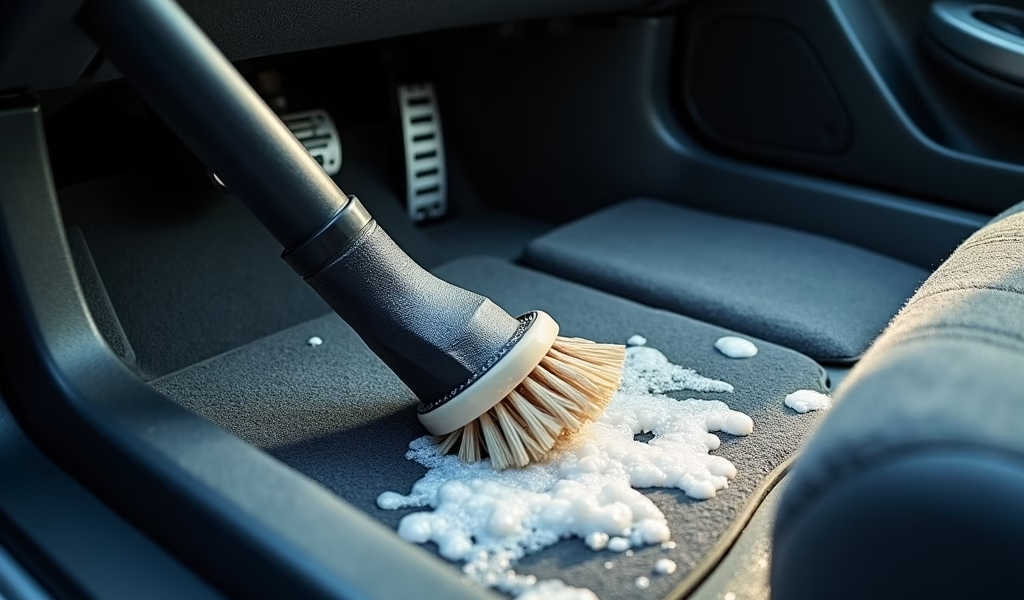
- Use a medium-bristle brush in circular motions for general cleaning
- For stubborn stains, apply cleaner directly, let it sit for 2-3 minutes, then scrub
- Blot excess moisture with microfiber towels
For Rubber/All-Weather Mats:
- Apply cleaner generously across the surface
- Use a brush to work the solution into textured areas and channels
- A toothbrush works perfectly for tight spaces and corners
- Rinse thoroughly to remove all cleaner residue
Tackling Common Stains:
- Coffee/Soda: Blot with a mixture of white vinegar and water (1:1 ratio)
- Grease/Oil: Apply baking soda to absorb oil, then vacuum before cleaning
- Road Salt: Neutralize with a vinegar solution before regular cleaning
- Mud: Allow to dry completely, then vacuum thoroughly before wet cleaning
For persistent odors, try an enzyme-based cleaner designed for automotive use. These products break down organic matter causing the smell rather than just masking it.

Step 5: Thorough Drying and Reinstallation
Proper drying is the most overlooked but critical step in floor mat maintenance. Reinstalling damp mats creates the perfect environment for mold and mildew growth, leading to persistent odors and potential health concerns.
Drying Methods by Mat Type:
- Carpet Mats: Air dry completely for 24 hours in a well-ventilated area, preferably hanging
- Rubber Mats: Towel dry thoroughly, then air dry for 2-3 hours to ensure water has evaporated from all channels
- Premium Materials: Dry immediately with soft microfiber towels, then air dry away from direct sunlight
Never use heat sources like hair dryers or heaters to speed up drying – they can warp rubber mats and damage carpet fibers. Sunlight works well for drying but limit exposure for dark-colored mats to prevent UV fading.
When reinstalling, ensure proper positioning and secure all fasteners. The driver’s side mat requires special attention – improper installation can lead to pedal interference, creating a serious safety hazard. Take the time to follow your vehicle manufacturer’s specific installation guidelines.
Maintenance Tips Between Deep Cleanings
Regular maintenance dramatically extends the time between deep cleanings. These simple practices, incorporated into your routine, can keep your mats looking fresher for longer:
- Weekly quick-vacuum to remove surface debris before it gets ground in
- Keep a small brush in your vehicle for immediate spot cleaning
- Use protective sprays on carpet mats (reapply after each deep cleaning)
- Consider using disposable paper floor mats during extremely muddy or wet conditions
Seasonal maintenance adjustments also make a difference:
- Winter: Remove salt deposits weekly with a damp cloth
- Spring: Deep clean to remove winter chemical buildup
- Summer: Protect from UV damage with appropriate conditioners
- Fall: Vacuum more frequently to handle leaf and debris accumulation
Consider investing in a second set of mats for seasonal rotation. Many professional drivers use carpet mats during dry months and switch to rubber mats during wet or winter seasons. This approach, while requiring an initial investment, significantly extends the life of both sets.
For those who enjoy the detailed approach to vehicle care, incorporating mat cleaning into your regular car detailing routine creates a comprehensive maintenance system that preserves your vehicle’s condition and value.
Conclusion
Clean floor mats might seem like a small detail in the grand scheme of vehicle maintenance, but they significantly impact your driving environment’s cleanliness, appearance, and health. Following these five professional-grade steps – remove and shake, vacuum thoroughly, use the right cleaning solution, scrub effectively, and dry completely – will transform even the most neglected floor mats.
Remember that consistency trumps intensity when it comes to floor mat care. A quick weekly vacuum and immediate attention to spills will prevent the need for intensive deep cleaning sessions.
Whether you’re preparing your vehicle for sale, maintaining a new purchase, or simply creating a more pleasant driving experience, proper floor mat maintenance reflects your overall approach to vehicle care. It’s these seemingly minor details that separate a well-maintained vehicle from the rest.
By implementing these professional techniques, you’ll extend the life of both your mats and your vehicle’s flooring while enjoying a cleaner, healthier driving environment. Your passengers will notice the difference – even if they can’t quite put their finger on why your car feels so much more welcoming than others.
Frequently Asked Questions
How often should I clean my car’s floor mats?
For average use, clean your floor mats thoroughly once a month. Increase frequency to bi-weekly if you regularly transport children, pets, or frequently eat in your vehicle.
Can I use a pressure washer on rubber floor mats?
Yes, a pressure washer on a low setting works well for rubber or all-weather mats. Keep the nozzle at least 12 inches away to prevent damaging the material.
What’s the fastest way to dry carpet floor mats?
After blotting excess moisture with towels, place mats in a well-ventilated area with a fan directed at them. Never use high heat as it can damage adhesives and backing materials.
Can I use laundry detergent on carpet floor mats?
Avoid laundry detergents as they often contain brighteners and fragrances that leave residue. Use automotive carpet cleaners or mild dish soap instead for better results and less residue.
How do I remove gum stuck to a floor mat?
Freeze the gum with ice cubes until it hardens, then gently scrape it off with a plastic scraper. For any remaining residue, use a specialized adhesive remover appropriate for your mat material.