
Overview
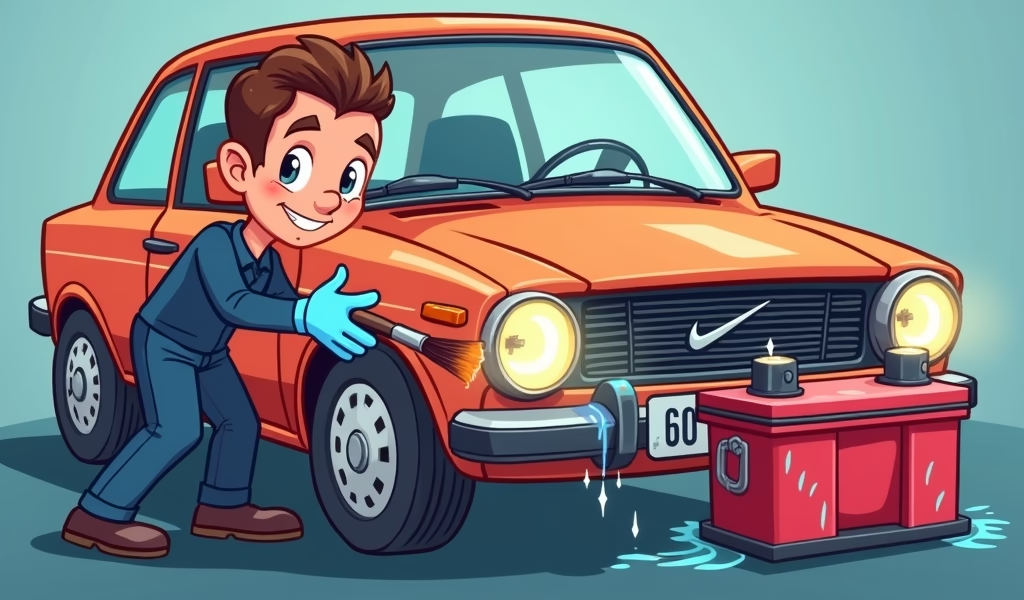
That crusty powder on your battery terminals isn’t just unsightly—it creates electrical resistance that can reduce starting power by 30% or more, potentially leaving you stranded at the worst possible time. Fortunately, with just baking soda, water, and about 15 minutes of your time, you can clean battery corrosion yourself and apply simple preventive measures to extend your battery’s life, saving yourself from one of the most common causes of unexpected breakdowns.
Table of Contents
- The Real Danger of Battery Corrosion
- What Causes Battery Corrosion
- How to Identify Battery Corrosion
- Essential Supplies for Cleaning Battery Corrosion
- Step-by-Step Battery Cleaning Process
- Preventive Measures to Stop Corrosion Before It Starts
- When to Replace vs. When to Clean
- Common Mistakes That Make Corrosion Worse
- Professional vs. DIY Cleaning: What’s Right for You
- Conclusion
- Frequently Asked Questions
The Real Danger of Battery Corrosion
Picture this: it’s Monday morning, you’re already running late for work, and when you turn the key in your ignition… nothing. Just that faint click-click that makes your heart sink. We’ve all been there, and often that frustrating moment can be traced back to something most folks never think about until it’s too late – battery corrosion.
That crusty, powdery substance building up on your battery terminals isn’t just unsightly; it’s a silent killer of electrical connections that can leave you stranded at the worst possible times. In my 20+ years working under the hood, I’ve seen countless drivers caught off guard by this common but easily preventable issue.
Battery corrosion creates resistance in your electrical system, essentially putting up roadblocks that prevent power from flowing properly. Even a small amount can reduce starting power by 30% or more – enough to leave you calling for a jump on a cold morning. What’s worse, it gradually damages your battery and connected components, potentially turning a $5 cleaning job into hundreds in repairs.
The good news? Cleaning battery corrosion is something almost anyone can handle with the right approach. No fancy equipment needed – just some household items and about 15 minutes of your time. And once you understand how to prevent it from coming back, you’ll save yourself from one of the most common causes of unexpected breakdowns.
What Causes Battery Corrosion
Ever wonder why that powdery stuff keeps showing up on your battery terminals? It’s not magic – it’s chemistry. Your car battery is constantly going through chemical reactions as it charges and discharges, and these reactions produce hydrogen gas that escapes from the battery.
This hydrogen gas combines with other elements in the air and around your battery terminals, creating those crusty deposits you see. Most commonly, you’ll notice white or light gray powder (typically lead sulfate or potassium carbonate), but you might also spot blue or green corrosion if the copper in your electrical connections is being affected.
Several factors can accelerate corrosion development:
- Overcharging from a faulty alternator or voltage regulator
- Loose battery connections that allow gases to concentrate
- Electrolyte leaking from an aging or damaged battery
- Extreme temperature fluctuations that stress the battery case
- High humidity environments that promote chemical reactions
The type of battery you have matters too. Traditional flooded lead-acid batteries are more prone to corrosion than sealed AGM (Absorbent Glass Mat) batteries, though no battery is entirely immune. Even the driving patterns play a role – vehicles that sit unused for extended periods often develop more corrosion than daily drivers because the battery naturally self-discharges and then recharges when used again, creating more chemical activity.
Understanding these causes helps us maintain our car batteries properly and prevent corrosion before it starts sabotaging our electrical system.
How to Identify Battery Corrosion
Catching corrosion early can save you from that dreaded no-start situation. The most obvious sign is visible buildup on your battery terminals – typically appearing as a white, blue, or greenish powdery substance. It might look like someone spilled baking powder or laundry detergent on your battery connections.
But corrosion doesn’t always announce itself so clearly. Here are the warning signals that experienced mechanics watch for:
- Slow engine cranking, especially in the morning
- Clicking sounds when you turn the key
- Headlights that dim noticeably at idle
- Electrical accessories behaving erratically
- Battery warning light illuminating intermittently
- Battery that drains unusually quickly when parked
I recommend popping your hood and checking your battery at least monthly – more frequently if you drive in extreme temperatures or have an older vehicle. Look specifically at the area where your battery cables connect to the terminals (those posts sticking up from the battery). Any buildup here is a red flag that needs attention.
Be particularly vigilant during seasonal transitions. Many battery issues first become noticeable during the first cold snap of fall when your battery’s capacity is naturally reduced, and any resistance from corrosion becomes more problematic. As research from the Car Care Council shows, battery failures are among the top three causes of vehicle breakdowns, with corrosion playing a significant role.
Remember – a clean battery connection is a happy connection. If you spot any suspicious buildup or experience starting hesitation, it’s time for a cleaning session.
Essential Supplies for Cleaning Battery Corrosion
Before you dive into cleaning, gathering the right supplies makes all the difference between a smooth job and a frustrating experience. The good news? You probably already have most of what you need around the house.
Here’s your battery cleaning shopping list:
- Baking soda (the hero of this operation)
- Clean water in a small container
- An old toothbrush or terminal brush
- Protective rubber gloves (battery corrosion can irritate skin)
- Safety glasses (seriously, don’t skip these)
- Adjustable wrench or pliers
- Clean rags or paper towels
- Petroleum jelly or terminal protector spray
For those who want to level up their battery maintenance game, consider adding these to your toolbox:
- Battery terminal cleaner tool (those wire brush devices that fit perfectly around terminals)
- Anti-corrosion washers or felt pads
- Terminal protector spray (designed specifically for batteries)
- Cable cleaner for the inside of connectors
I’ve found that the specialized terminal cleaning tools, which typically cost under $10 at any auto parts store, make the job significantly easier and more effective. They’re shaped to fit perfectly around battery posts and inside cable connectors, reaching corrosion in places a toothbrush might miss.
One pro tip I share with all my customers: keep a “battery cleaning kit” assembled in your garage. Store these supplies together in a small container so they’re ready when needed. This small bit of organization can save you from scrambling for supplies when you’re already running late and facing a car that won’t start.
Step-by-Step Battery Cleaning Process
Let’s roll up our sleeves and get that battery clean. I’ll walk you through the exact process I use in my shop, but simplified for your driveway or garage. Follow these steps carefully, and you’ll have your battery connections restored in about 15 minutes.
Safety First: Battery acid can cause skin irritation and damage clothing. Always wear rubber gloves and eye protection before starting.
- Prepare Your Vehicle: Turn off the engine and remove the key from the ignition. Make sure all electrical accessories are off.
- Identify Your Terminals: Locate the positive (+) terminal, usually with a red cover or marking, and the negative (-) terminal, typically with a black cover.
- Disconnect in the Correct Order: Always disconnect the negative terminal first by loosening the clamp bolt with your wrench and gently working the connector off. Then disconnect the positive terminal the same way. This sequence prevents short circuits and sparks.
- Prepare Your Cleaning Solution: Mix about 1-2 tablespoons of baking soda with just enough water to form a thick paste – think toothpaste consistency.
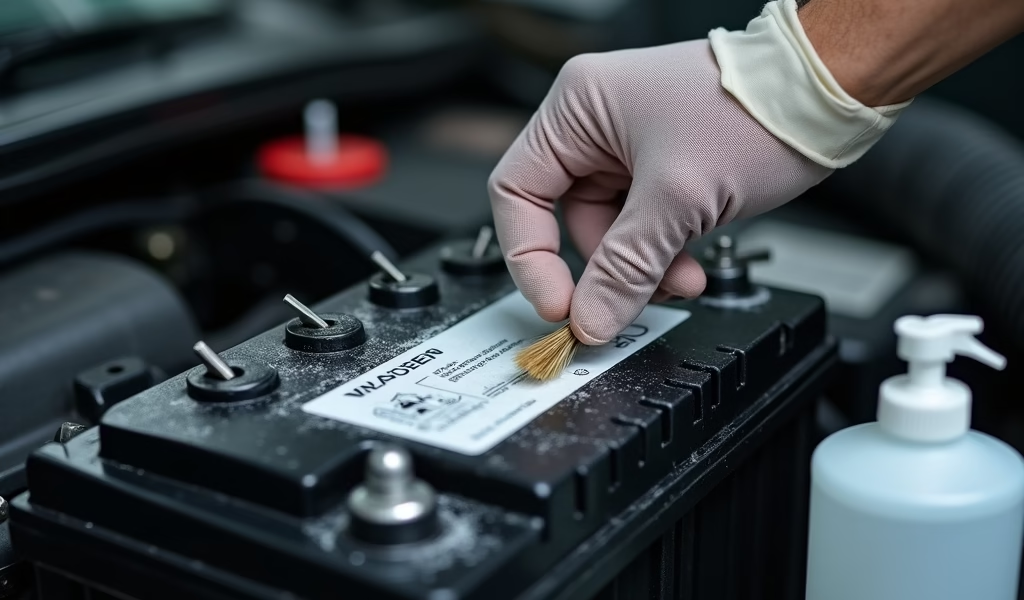
- Apply the Solution: Using your brush, apply the baking soda paste generously to the corroded areas. You’ll notice it might start to bubble or fizz – that’s good! It means the alkaline baking soda is neutralizing the acidic corrosion.
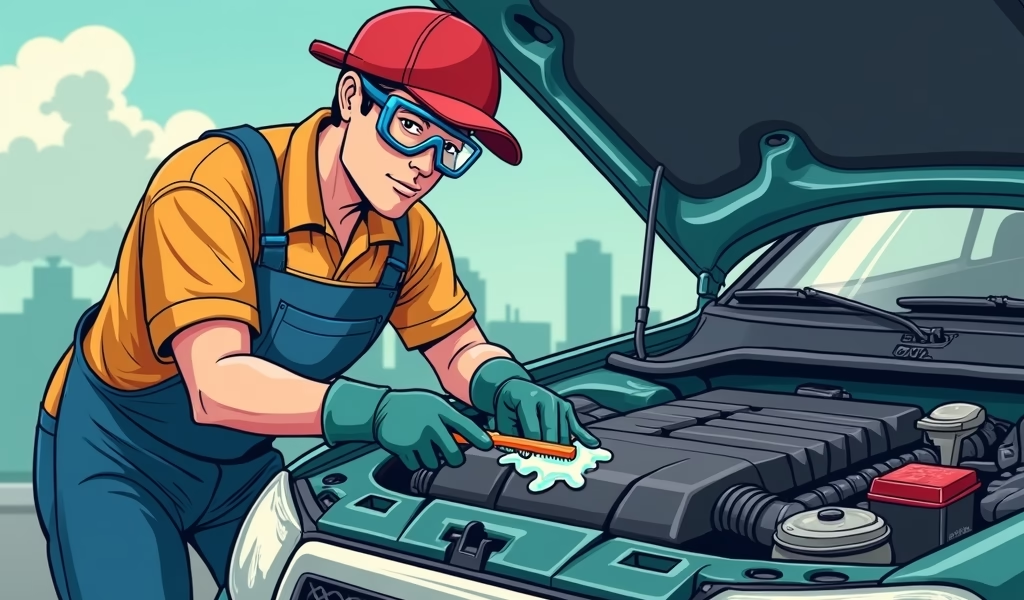
- Scrub Thoroughly: Work the solution into all corroded areas, including the terminal posts, cable connectors, and any nearby affected surfaces. Pay special attention to the inside of the cable connectors where corrosion likes to hide.
- Rinse and Dry: Once the fizzing stops and you’ve removed the visible corrosion, rinse the areas with a small amount of clean water. Immediately dry thoroughly with clean rags – moisture is the enemy here.
- Clean Inside the Connectors: Use a terminal brush or small wire brush to clean inside the cable connectors where they attach to the posts. This hidden area is crucial for good electrical contact.
- Apply Protection: Once everything is clean and completely dry, apply a thin layer of petroleum jelly or specialized terminal protector to the posts and inside the connectors. This creates a moisture barrier that helps prevent future corrosion.
- Reconnect in Reverse Order: Reattach the positive terminal first, then the negative. Tighten the clamps securely, but don’t overtighten as this can damage the battery posts.
After reconnecting, start your vehicle to confirm everything is working properly. You should notice improved starting performance right away if corrosion was affecting your electrical connection.
For stubborn corrosion that resists the baking soda treatment, you might need to repeat the process or use a commercial battery cleaner. These products, available at any auto parts store, often contain stronger chemicals that can tackle serious buildup more effectively. Just be sure to follow the product instructions carefully.
One little-known trick from my years in the shop: if you’re in a pinch without baking soda, cola drinks can work in an emergency. The carbonation and mild acidity help dissolve corrosion, though they’re not as effective as proper baking soda paste. Just be sure to rinse thoroughly afterward.
Preventive Measures to Stop Corrosion Before It Starts
As with most car issues, preventing battery corrosion is far easier than dealing with it after it develops. I’ve helped countless drivers eliminate recurring corrosion problems with these simple preventive steps:
Apply Protective Coatings: After cleaning your terminals, apply a thin layer of petroleum jelly, specialized terminal grease, or commercial battery protector spray. These create a moisture-resistant barrier that slows corrosion development.
Install Terminal Protectors: Small felt washers impregnated with corrosion-fighting chemicals can be placed between your battery terminal and cable connector. These anti-corrosion washers cost about $2-3 and can dramatically extend the time between cleanings.
Check for Proper Charging: An overcharging alternator increases battery gassing and accelerates corrosion. Have your charging system tested during regular maintenance to ensure it’s outputting the correct voltage (typically 13.8-14.2 volts).
Secure Your Battery: Make sure your battery is properly secured in its mounting bracket. Excessive vibration can damage the internal components and case, potentially leading to acid leakage and corrosion.
Regular Inspections: Make battery checks part of your regular car maintenance routine. A quick visual inspection once a month can catch corrosion early when it’s easiest to address.
Consider a Battery Location Upgrade: If you live in an extremely hot climate and your battery is located under the hood, consider relocating it to the trunk or another cooler area if your vehicle design allows. This reduces heat exposure, which is a major contributor to corrosion and premature battery failure.
One preventive measure that’s gained popularity among off-road enthusiasts and those in humid climates is terminal caps. These simple plastic covers slip over your battery terminals and help shield them from moisture and contaminants. They’re inexpensive ($5-10 for a set) and can add an extra layer of protection, especially for vehicles that aren’t driven daily.
According to research from the Battery Council International, proper terminal protection can extend battery service life by up to 25% in adverse conditions. That’s significant considering today’s batteries typically cost $100-200 – making prevention well worth the minimal investment in time and materials.
When to Replace vs. When to Clean
Sometimes cleaning isn’t enough, and knowing when to replace your battery instead can save you from being stranded. Here’s how to make that call like a pro:
Clean your battery when:
- The battery is less than 3 years old
- Corrosion is limited to the terminal connections
- The battery case is in good condition without cracks or bulging
- After cleaning, your engine cranks strongly
- A load test shows good remaining capacity
Consider replacement when:
- Your battery is over 4 years old (5+ years in moderate climates)
- Corrosion keeps returning quickly after cleaning
- The battery case shows swelling, cracks, or leakage
- Even after cleaning, you experience slow starting
- The battery fails a load test at an auto parts store
Here’s a little-known fact that can help you decide: modern batteries have a built-in “state of health” indicator. Look for a small round window on top of the battery (often called the “eye”). If it’s green, your battery is good. If it’s dark or colorless, your battery is likely at the end of its life. If it’s yellow, the battery needs charging or is low on electrolyte.
I’ve seen many drivers waste money replacing perfectly good batteries when simple terminal cleaning would have solved their problems. Conversely, I’ve seen others stubbornly clean terminals repeatedly when their battery was clearly past its prime.
When in doubt, get a free battery test at almost any auto parts store. They’ll check both the battery’s condition and its capacity to hold a charge. This objective assessment takes the guesswork out of the equation and can prevent you from throwing good money after bad – or from being stranded with a battery that was on its last legs.
Common Mistakes That Make Corrosion Worse
Over my years in the shop, I’ve noticed several common mistakes that well-meaning drivers make when dealing with battery corrosion. These errors can actually accelerate corrosion or create other problems:
Using the Wrong Cleaning Agents: Household cleaners like vinegar might seem logical, but they can actually worsen the problem or damage your battery. Vinegar is acidic, which can react with battery chemicals and create more corrosion. Stick with baking soda, which neutralizes battery acid.
Disconnecting Terminals in the Wrong Order: Always disconnect negative (black) first, then positive (red). Reconnect in reverse: positive first, then negative. This sequence prevents short circuits and potential sparks that could damage sensitive electronics.
Leaving Moisture Behind: After cleaning, some folks don’t thoroughly dry the battery and connections. Any remaining moisture becomes the perfect breeding ground for new corrosion. Always dry completely before applying protectant.
Over-tightening Connections: Cranking down too hard on battery terminals can damage the internal lead connections or crack the battery case. Tighten connections firmly, but not with excessive force.
Ignoring Cable Condition: Many people focus exclusively on the terminals while missing damaged or corroded battery cables. The entire conductive path matters. If your cables show corrosion extending up their length, they might need replacement.
Using Tap Water to Make Cleaning Solution: The minerals in tap water can leave residue that promotes new corrosion. Use distilled water when possible, especially in areas with hard water.
Skipping Protection After Cleaning: Simply cleaning without applying some form of protectant (petroleum jelly, terminal grease, spray) is like washing your car without waxing it – you’ve solved today’s problem but set yourself up for a quicker return of the same issue.
I once had a customer who religiously cleaned his battery terminals every month but couldn’t understand why corrosion kept returning so quickly. After inspection, I discovered he was using a metal brush that was actually scraping away the protective coating on his terminal clamps, exposing fresh metal to corrosive elements. A simple switch to a plastic brush solved his problem.
Remember that caring for your car’s details, including battery maintenance, pays dividends in reliability and longevity. Taking the time to do it right means doing it less often.
Professional vs. DIY Cleaning: What’s Right for You
Should you clean your battery yourself or leave it to the pros? Here’s my honest take after helping thousands of drivers with battery issues:
DIY cleaning makes sense when:
- You have basic mechanical confidence and comfort around cars
- Your battery is easily accessible (some modern vehicles have batteries in tricky locations)
- You have the basic supplies needed and about 20 minutes of time
- The corrosion is moderate and limited to the terminal area
- You don’t mind getting a little dirty
Professional service might be better when:
- Your battery is in a difficult-to-reach location (some are under seats or in wheel wells)
- You have physical limitations that make working in tight spaces difficult
- The corrosion is extremely severe or appears to be coming from the battery itself
- Your vehicle has complex electronics or start-stop technology
- You’re not comfortable working around car electrical systems
Cost is obviously a factor too. DIY cleaning costs about $10-15 in supplies that will last through multiple cleanings. Professional cleaning typically runs $20-50 depending on your location and the shop’s hourly rates.
One compromise many of my customers choose is to have the first cleaning done professionally while they observe the process, then handle future maintenance themselves. This gives them the confidence of seeing it done correctly first, along with professional tips for their specific vehicle.
If you do choose professional service, most reputable shops will perform a full battery and charging system test as part of the service – giving you valuable information about your battery’s overall condition and remaining life expectancy. According to AAA’s automotive research, having this comprehensive testing done annually can reduce the chance of unexpected battery failure by up to 60%.
Whether you DIY or go pro, the important thing is that the maintenance gets done regularly. Either approach is far better than ignoring corrosion until you’re stranded!
Conclusion
Battery corrosion might seem like a small nuisance, but it’s one of those minor issues that can snowball into major headaches if ignored. The good news is that with about 15 minutes of attention a few times a year, you can prevent this common cause of breakdowns and extend your battery’s useful life significantly.
Remember that the electrical connection between your battery and vehicle is the lifeblood of all your car’s systems. Every volt matters, especially during those cold morning starts when your engine needs maximum cranking power. Clean connections ensure all that power reaches its destination without resistance or voltage drops.
Whether you choose the DIY approach with baking soda and a brush, or prefer having a professional handle it during regular maintenance visits, the important thing is making battery inspection part of your routine. A quick visual check under the hood once a month can catch corrosion early, before it impacts performance.
Your car’s battery works hard for you every day, often in challenging conditions. A little TLC in return will keep it delivering reliable starts for years to come – and help you avoid that sinking feeling when you turn the key and hear nothing but silence.
Frequently Asked Questions
Can I use Coca-Cola to clean battery corrosion?
Yes, cola can work in a pinch due to its carbonation and mild acidity, but it’s not as effective as baking soda paste. Always rinse thoroughly with water afterward and dry completely before reconnecting.
Is battery corrosion dangerous to touch?
Yes, battery corrosion contains lead compounds and acidic materials that can irritate or burn skin. Always wear rubber gloves when cleaning battery corrosion and wash hands thoroughly afterward.
How often should I check for battery corrosion?
Check your battery terminals monthly, especially in extreme temperatures. More frequent checks (every 2-3 weeks) are recommended for older vehicles or batteries over three years old.
Will corrosion go away on its own?
No, corrosion will only worsen over time without intervention. It progressively damages connections and reduces electrical flow, eventually leading to starting problems or battery failure.
Can battery corrosion drain my battery?
Yes, severe corrosion creates resistance in connections that can cause a continuous small drain on your battery. This is particularly problematic for vehicles that sit unused for extended periods.