

Overview
Just like those tiny batteries in your TV remote, spark plugs may be small but they’re crucial to your engine’s performance, with warning signs like rough idling and poor acceleration indicating when they need attention. This guide walks you through the entire process of checking and interpreting spark plug condition—from gathering the right tools and safely accessing plugs to understanding what different deposits mean about your engine health and determining whether DIY replacement makes sense for your vehicle.
Table of Contents
- Why Do Spark Plugs Matter? The Heart of Your Engine’s Performance
- How Can You Tell When Spark Plugs Are Failing? 5 Warning Signs
- What Tools Do You Need to Check Spark Plugs?
- How to Prepare Your Vehicle for a Spark Plug Inspection
- Step-by-Step Guide: How to Properly Inspect Your Spark Plugs
- What Your Spark Plugs Are Telling You: A Visual Guide
- When Should You Replace Your Spark Plugs?
- DIY vs. Professional Replacement: Making the Right Choice
- Spark Plug Maintenance Tips: Extending Their Lifespan
- Conclusion: Keep Your Engine Firing Perfectly
- Frequently Asked Questions
Why Do Spark Plugs Matter? The Heart of Your Engine’s Performance
Spark plugs might be small, but they’re mighty important to your vehicle’s performance. These little powerhouses create the spark that ignites the air-fuel mixture in your engine’s combustion chamber, essentially bringing your car to life. Without properly functioning spark plugs, your vehicle simply won’t run efficiently – or might not run at all.
Last month in our garage, we had a customer bring in a Honda Civic that was sputtering and struggling to accelerate. The check engine light was blinking, and fuel economy had plummeted. After a quick inspection, we found the culprit: severely worn spark plugs that hadn’t been checked in over 60,000 miles. A simple replacement transformed the vehicle’s performance immediately.
Learning how to check spark plugs is an essential skill for any vehicle owner who wants to avoid unexpected breakdowns and maintain optimal engine performance. Regular spark plug inspections are a cornerstone of proper car maintenance that can save you hundreds in repair costs and prevent that dreaded feeling of being stranded on the roadside.
In this comprehensive guide, we’ll walk through everything you need to know about checking your spark plugs – from recognizing the warning signs of failure to properly inspecting them and knowing when it’s time for replacement.
How Can You Tell When Spark Plugs Are Failing? 5 Warning Signs
Before we dive into checking spark plugs, it’s important to know when they might need attention. Your vehicle will usually give you several hints that your spark plugs are struggling:
- Rough idling: If your car shakes or vibrates noticeably when you’re stopped at a light, worn spark plugs might be the culprit.
- Trouble starting: When spark plugs can’t produce a strong enough spark, your engine may have difficulty starting, especially in cold weather.
- Poor acceleration: Feeling a lack of response when you press the gas pedal? Failing spark plugs could be reducing your engine’s power output.
- Increased fuel consumption: If you’re suddenly making more frequent trips to the gas station, your spark plugs may not be burning fuel efficiently.
- Engine misfires: Those alarming hesitations or jerking sensations while driving often point to spark plug issues.
We recently had a Chevy Silverado roll into our garage that was experiencing all these symptoms. The owner had been ignoring the warning signs for weeks, assuming it was just “getting older.” After examining the spark plugs, we found them completely fouled with carbon deposits. The transformation after replacing them was so dramatic that the owner called the next day to say his truck “felt ten years younger.”
Recognizing these warning signs early can help you address spark plug issues before they lead to more serious engine faults that might leave you stranded.

What Tools Do You Need to Check Spark Plugs?
Checking your spark plugs doesn’t require an extensive professional toolkit. Here’s what you’ll need to get the job done:
- Socket wrench: You’ll need a socket specifically sized for spark plugs (typically 5/8″ or 13/16″, though this varies by vehicle).
- Spark plug socket: These specialized sockets have rubber inserts that protect the plug’s ceramic insulator during removal.
- Extension bar: This helps you reach plugs that are recessed deep in the engine bay.
- Ratchet: For turning the socket and removing the plugs.
- Gap tool: A simple gauge to measure the electrode gap (only needed if you’re installing new plugs).
- Wire brush: For gently cleaning the plug (if it’s reusable).
- Anti-seize compound: Helps prevent the plugs from getting stuck in the engine (for reinstallation).
- Clean rag: To wipe away debris and prevent it from falling into the cylinder.
Most of these tools can be found in basic automotive toolkits, and according to NGK Spark Plugs, one of the world’s leading manufacturers, having the right tools makes the inspection process both easier and safer.
If you’re not sure which socket size you need, check your vehicle’s manual or look up the specifications online. Using the wrong size can damage the plugs or make them difficult to remove.
How to Prepare Your Vehicle for a Spark Plug Inspection
Proper preparation is crucial for safely and effectively checking your spark plugs. Follow these steps before you begin:
- Ensure the engine is cool: Never attempt to check spark plugs on a hot engine. Park your car and wait at least 30 minutes after driving.
- Find a clean, well-lit work area: You’ll need good visibility and enough space to move around your engine bay comfortably.
- Disconnect the battery: For safety, disconnect the negative terminal of your battery to prevent any electrical accidents.
- Clean the area around the plugs: Use compressed air if available to blow away dirt and debris that could fall into the cylinder when you remove the plugs.
- Label the ignition wires or coils: If your vehicle has multiple cylinders, it’s crucial to keep track of which wire connects to which cylinder.
Taking these preparatory steps might seem tedious, but they’re essential for preventing complications. As the Car and Driver maintenance guide emphasizes, keeping debris out of your cylinders is particularly important – even a small amount can cause serious damage to your engine when it’s running.
Remember: patience during preparation can save you from expensive repairs down the road. This is a job where rushing almost always leads to problems.
Step-by-Step Guide: How to Properly Inspect Your Spark Plugs
Now that you’re prepared, let’s walk through the actual inspection process:
- Locate your spark plugs: In most vehicles, they’re connected to thick rubbery wires (ignition wires) or to coil packs directly on top of the plugs.
- Remove one ignition coil or wire at a time: Gently twist and pull the boot straight up – never pull on the wire itself as this can damage the internal conductor.
- Use your socket wrench with the spark plug socket attached: Place it over the plug and turn counterclockwise to loosen.
- Remove the plug carefully: Once loose, continue turning by hand to prevent dropping or damaging the plug.
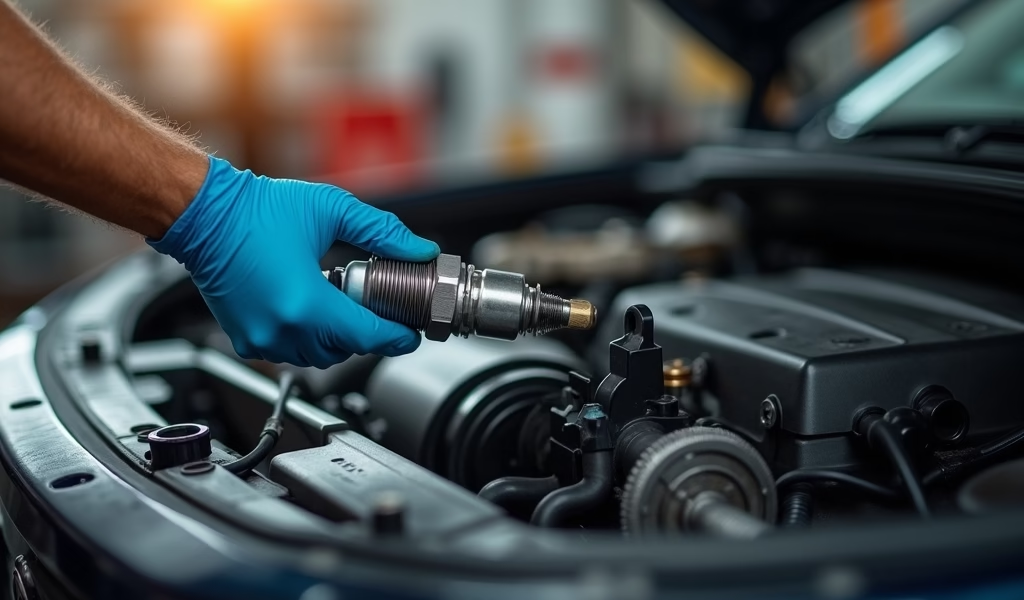
- Inspect the plug: Examine the firing end (the part that was inside the engine) for deposits, wear, and electrode condition.
- Repeat for all plugs: Inspect one plug at a time, comparing their condition to spot potential cylinder-specific issues.
- Reinstall properly: If returning the same plugs, thread them in by hand first to avoid cross-threading, then tighten with the wrench (but don’t over-tighten).
- Reattach the ignition coil or wire: Ensure it clicks or seats firmly in place.
For most vehicles, checking all spark plugs takes about 30-45 minutes if you’re working at a comfortable pace. It’s not a race – taking your time reduces the chance of mistakes.
One particularly important technique is to insert plugs by hand initially. As essential car maintenance experts recommend, this helps you feel if there’s any resistance that might indicate cross-threading. Cross-threaded spark plugs can cause expensive damage to your cylinder head.
What Your Spark Plugs Are Telling You: A Visual Guide
Spark plugs are like a window into your engine’s health. Here’s how to interpret what you’re seeing:
- Normal condition: A healthy spark plug has light tan or grayish deposits on the firing end. The electrode should show minimal wear.
- Carbon fouled: Black, dry, sooty deposits indicate an overly rich fuel mixture or weak ignition. This could point to air filter problems, carburetor issues, or a choke that’s not working properly.
- Oil fouled: Wet, black deposits suggest oil is entering the combustion chamber. This could mean worn valve guides, seals, or piston rings – potentially serious issues.
- Overheated: White deposits or a blistered insulator and extremely eroded electrodes indicate engine overheating or incorrect ignition timing.
- Gap wear: If the gap between the electrodes has visibly widened, it’s time for replacement. The spark may be too weak to efficiently ignite the fuel.
In our garage last week, a Toyota Camry came in with significant misfiring issues. When we pulled the plugs, two of them showed obvious oil fouling – a telltale sign of deeper issues. We traced it back to worn valve stem seals that were allowing oil to seep into the combustion chamber. Catching this early saved the owner from potential catalytic converter damage, which would have been a much costlier repair.
If you notice unusual deposits or extreme wear patterns that aren’t consistent across all plugs, it may indicate a problem specific to one cylinder that requires further investigation.
When Should You Replace Your Spark Plugs?
Even if your spark plugs look relatively clean, they don’t last forever. Here’s guidance on when replacement makes sense:
- Follow manufacturer recommendations: Your vehicle’s manual will specify the replacement interval – typically between 30,000 and 100,000 miles depending on the type of plugs installed.
- Consider your driving patterns: Frequent short trips, stop-and-go driving, or towing heavy loads can shorten spark plug life.
- Replace immediately if you see:
- Cracked porcelain insulators
- Severely eroded electrodes
- Oil fouling that doesn’t clean off
- Damaged or missing ground electrodes
- Replace as a complete set: Even if only one plug looks bad, replacing all of them ensures consistent performance.
Modern iridium or platinum spark plugs cost more initially but typically last much longer than traditional copper-core plugs. The investment in premium plugs often pays off in extended service intervals and better performance.
When selecting replacement plugs, always match the specifications in your owner’s manual. Using plugs with the wrong heat range or design can lead to poor performance and potentially damage your engine.
DIY vs. Professional Replacement: Making the Right Choice
Should you replace your own spark plugs or leave it to the professionals? Here’s how to decide:
DIY Is Likely Right For You If:
- You have basic mechanical knowledge and the proper tools
- Your engine has easily accessible spark plugs
- You’re comfortable following detailed instructions
- You want to save on labor costs (typically $100-200)
- You enjoy learning about your vehicle’s systems
Consider Professional Service If:
- Your vehicle has a complex engine layout with difficult access
- Special tools are required (like for some German luxury vehicles)
- You’re not confident in your ability to properly torque the plugs
- Your vehicle has shown other performance issues that might need diagnosis
- You don’t have a suitable workspace or the time to complete the job
Some modern vehicles, especially those with transversely-mounted V6 or V8 engines, can have spark plugs that are very difficult to access without removing other components. In these cases, the labor savings of DIY might not be worth the frustration and potential for mistakes.
If you do choose DIY, remember that proper torque is critical – too loose and you risk leaks, too tight and you could strip the threads in your engine’s cylinder head. Always use a torque wrench set to the manufacturer’s specifications.
Spark Plug Maintenance Tips: Extending Their Lifespan
While spark plugs will eventually need replacement regardless of how well you maintain them, these practices can help them reach their full service potential:
- Keep your engine properly tuned: Correct air/fuel mixture and ignition timing reduce stress on spark plugs.
- Change your oil regularly: Clean oil means less chance of deposits building up on your plugs.
- Use quality fuel: Lower-grade fuels can leave more deposits on spark plugs.
- Replace your air filter: A clogged air filter can cause your engine to run rich, leading to carbon fouling.
- Fix oil leaks promptly: Oil-fouled spark plugs indicate other problems that need attention.
- Avoid prolonged idling: Extended idle periods can lead to carbon buildup on spark plugs.
- Drive regularly: Short trips where the engine doesn’t fully warm up can accelerate plug fouling.
Incorporating spark plug checks into your regular maintenance routine is smart preventive care. Many mechanics recommend a quick visual inspection whenever you change your oil, even if you’re not removing the plugs completely. This way, you can spot early signs of problems with ignition wires or coil packs, such as cracking or corrosion.
Remember that your entire ignition system works as a team – spark plugs, wires, coils, and the control module all need to be in good condition for optimal performance. If you’re experiencing persistent issues even after replacing plugs, the problem might lie elsewhere in the ignition system.
Conclusion: Keep Your Engine Firing Perfectly
Learning how to check spark plugs is more than just a money-saving DIY skill – it’s a window into your engine’s overall health. By regularly inspecting these critical components, you can catch minor issues before they become major problems, maintain optimal fuel efficiency, and keep your vehicle running smoothly for years to come.
Remember that spark plugs are just one part of your vehicle’s complex systems. Incorporating spark plug checks into a comprehensive maintenance checklist ensures you’re taking a holistic approach to vehicle care.
Whether you choose to tackle spark plug inspection yourself or leave it to the professionals, the important thing is that it gets done according to your vehicle manufacturer’s recommended schedule. Your engine will reward you with reliable performance, and you’ll avoid the frustration and expense of preventable breakdowns.
Now that you understand how to check spark plugs properly, you’re well on your way to becoming more self-sufficient with your vehicle maintenance. Your car – and your wallet – will thank you for it!
Frequently Asked Questions
How often should I check my spark plugs?
Most manufacturers recommend checking spark plugs every 30,000 miles for standard copper plugs, or 60,000-100,000 miles for platinum or iridium plugs. Always consult your vehicle’s owner manual for the specific recommendation.
Can I clean and reuse spark plugs instead of replacing them?
Copper spark plugs can sometimes be cleaned with a wire brush if they’re only lightly fouled with carbon deposits. However, if they show any physical damage or significant electrode wear, cleaning won’t restore proper function.
What does a spark plug gap mean and why is it important?
The spark plug gap is the distance between the center and ground electrodes where the spark jumps. Proper gapping ensures the right spark strength for efficient combustion in your specific engine.
Is it necessary to replace all spark plugs at once?
Yes, it’s best practice to replace all spark plugs simultaneously even if only one is bad. This ensures balanced engine performance and prevents having to repeat the job soon after.
Can bad spark plugs damage my engine?
Yes, severely worn or damaged spark plugs can cause misfires that may damage your catalytic converter over time. They can also reduce fuel efficiency, increase emissions, and eventually lead to starting problems.