
Overview
That mysterious puddle under your car isn’t just making a mess of your driveway—it’s your engine’s cry for help that, if ignored, could lead to catastrophic damage costing thousands in repairs. This practical guide walks you through understanding oil leak causes, assessing severity, performing DIY detection and repairs when appropriate, and implementing preventive measures that can save both your engine and wallet in the long run.
Table of Contents
- Understanding Oil Leaks: Why They Matter
- Common Causes of Oil Leaks
- Warning Signs You Have an Oil Leak
- How to Check for Oil Leaks: A Step-by-Step Guide
- Assessing the Severity: When to Worry and When to Wait
- DIY Repairs vs. Professional Help
- Prevention Tips to Avoid Future Leaks
- Conclusion
- Frequently Asked Questions
Understanding Oil Leaks: Why They Matter
That dark spot under your car can trigger an immediate sense of dread. Is it just water from the AC, or is it the beginning of an expensive repair nightmare? If it’s an oil leak, your concern is justified – but don’t panic just yet.
Oil is essentially your engine’s lifeblood. It lubricates moving parts, prevents metal-on-metal contact, and helps transfer heat away from critical components. When your vehicle starts losing oil, it’s not just making a mess of your driveway; it’s potentially setting the stage for serious engine damage.
I’ve seen too many engines ruined because drivers ignored what started as a small leak. The truth is, even minor oil leaks deserve attention. That tiny drip might seem insignificant now, but left unchecked, it can lead to catastrophic engine failure and repairs costing thousands.
The good news? Most oil leaks give you plenty of warning, and with some basic knowledge, you can often identify and address them before they become serious problems. As part of your regular car maintenance checklist, checking for oil leaks should be a priority.
Common Causes of Oil Leaks
Understanding why leaks happen is the first step in addressing them properly. After 20 years of poking around engines, I’ve found these are the most common culprits:
Degraded Gaskets and Seals
Gaskets and seals are the thin barriers that keep oil contained where it belongs. Made of rubber, cork, or composite materials, they naturally degrade over time due to heat cycles, chemical exposure, and age. The valve cover gasket, oil pan gasket, and timing cover seal are frequent offenders.
Loose or Damaged Oil Drain Plug
This small bolt at the bottom of your oil pan is removed during every oil change. If it’s not tightened properly or the washer is damaged, oil will seep out. I’ve seen countless leaks caused by over-enthusiastic DIYers who either under-tightened or stripped the plug during an oil change.
Faulty Oil Filter Installation
An improperly installed oil filter is a surprisingly common source of leaks. If the filter isn’t seated correctly, lacks the rubber gasket, or is over-tightened, oil will find its way out. It’s a simple fix but causes big headaches.
Oil Pan Damage
Your oil pan sits at the bottom of the engine, making it vulnerable to road debris and impact damage. A small dent or crack here can compromise sealing surfaces or create an actual hole. I’ve rescued many cars with oil pans that looked like they’d been through a boxing match with a rock.
Deteriorated Oil Cooler Lines
Many vehicles use external oil coolers connected by rubber or metal lines. These connections can wear out or become damaged, creating leak points that often worsen with engine heat and pressure.
Failed Rear Main Seal
This is the big one – the seal between your engine and transmission that surrounds the crankshaft. When this fails, the repair is labor-intensive and expensive. Unfortunately, it’s also a common failure point on higher-mileage vehicles.
Understanding where your leak is coming from helps determine both the urgency and the approach to repairs. According to Car Care Council research, about 20% of vehicles on the road have some form of oil leak, making it one of the most common automotive issues mechanics address.
Warning Signs You Have an Oil Leak
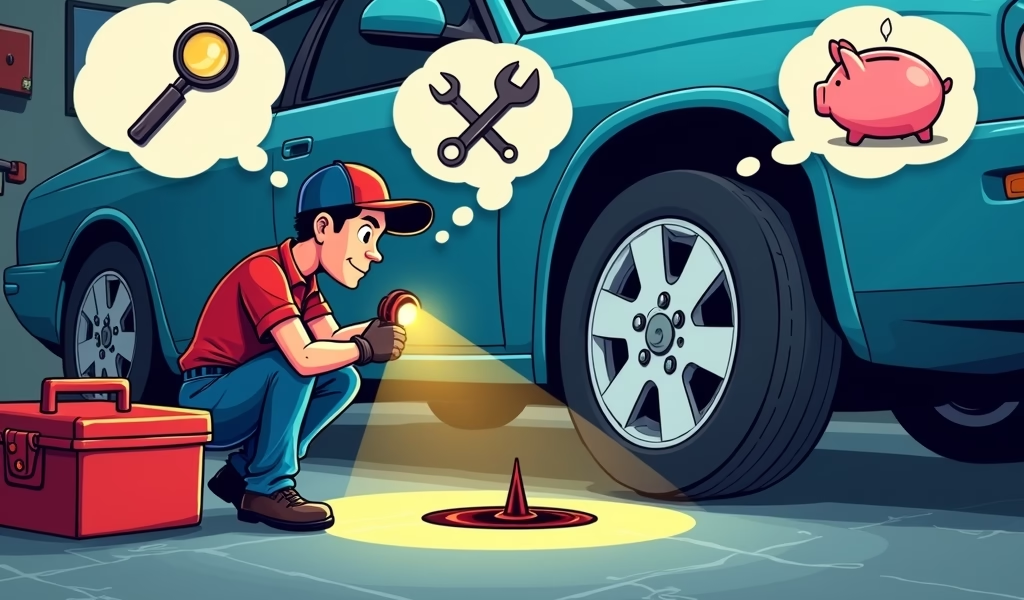
Your car usually gives plenty of warnings before a small oil leak becomes a major problem. Here are the telltale signs to watch for:
The Obvious: Oil Puddles
The most obvious sign is finding oil spots where you park. Fresh oil appears amber to dark brown with a slick texture and often has a rainbow sheen in sunlight. The location of these spots can help diagnose the source – spots toward the front of the car typically suggest a front seal or oil pan issue, while spots in the middle might indicate a more serious problem.
Burning Oil Smell
If you notice a distinct burning odor, especially after driving, oil might be dripping onto hot engine components or exhaust parts. This isn’t just unpleasant – it’s a fire hazard that deserves immediate attention.
Blue Smoke from Exhaust
When oil makes its way into combustion chambers, it burns along with the fuel, creating distinctive blue-gray smoke from your exhaust. This often indicates internal leaks like valve seals or piston rings rather than external leaks.
Dashboard Warning Lights
The oil pressure warning light is your vehicle’s desperate plea for help. If it illuminates while driving, you’re likely experiencing a significant oil loss that requires immediate attention. Pull over as soon as it’s safe and shut off the engine to prevent damage.
Declining Oil Levels
Checking your essential fluids regularly is critical. If you’re topping off oil more frequently than usual between oil changes, you’ve likely got a leak even if you don’t see evidence on the ground. Some leaks are internal or only occur when the engine is running.
One customer brought in a vehicle complaining about an oil leak, yet couldn’t find any spots on their garage floor. It turned out oil was leaking only at highway speeds when pressure increased, spraying onto the exhaust shield and burning off before it could drip to the ground. Regular level checks caught the problem before engine damage occurred.
How to Check for Oil Leaks: A Step-by-Step Guide
Finding the source of an oil leak doesn’t always require a professional’s eye. With a methodical approach, you can often pinpoint the problem yourself. Here’s my tried-and-true method for tracking down those pesky leaks:
What You’ll Need
- Flashlight (preferably LED)
- Clean cardboard or poster board
- Paper towels or clean rags
- Safety glasses
- Gloves (oil can irritate skin)
- Camera or smartphone (for documentation)
1. Safety First
Always start with a cool engine – checking for leaks on a hot engine is an invitation for burns. Park on level ground, engage the parking brake, and wear clothes you don’t mind getting dirty.
2. The Clean Engine Test
If possible, start with a relatively clean engine. Sometimes a quick engine cleaner spray (available at auto parts stores) can help remove old grime, making new leaks easier to spot. After cleaning, drive for a day or two and then check for fresh oil, which will stand out against the clean surfaces.
3. The Top-Down Inspection
Pop the hood and systematically inspect the engine from top to bottom with your flashlight:
- Check valve covers for seepage along edges
- Inspect the oil filter and surrounding area for wetness
- Look at timing belt/chain covers for oil residue
- Examine the area where the engine meets transmission
- Check any visible hoses and connections related to the oil system
4. The Cardboard Test
This simple test has helped me pinpoint countless mysterious leaks:
- Place clean cardboard under your car overnight or for at least several hours
- Make sure it extends from the front to the rear of the engine
- Check the pattern of drips the next day
- The position of stains on the cardboard corresponds to leak locations
5. The Undercar Inspection
For a thorough check, you’ll need to look underneath your vehicle. If you’re comfortable doing so safely, use ramps or jack stands to elevate the car. NEVER crawl under a vehicle supported only by a jack.
Focus on these common leak points:
- Oil pan and its gasket (the large pan at the bottom of the engine)
- Oil drain plug (the bolt in the oil pan)
- Front crankshaft seal (near the front of the engine, behind pulleys)
- Rear main seal (where engine meets transmission)
- Oil filter and oil cooler lines
6. The UV Dye Method (For Stubborn Leaks)
For elusive leaks, automotive UV dye is remarkably effective. According to Motor Magazine’s technician survey, UV dye detection finds over 90% of leaks that visual inspection misses.
- Add UV-reactive oil dye to your engine oil (follow product directions)
- Drive normally for 50-100 miles to circulate the dye
- Use a UV flashlight in dim lighting to inspect the engine
- Leaking oil will glow brightly, pinpointing the exact source
Remember that oil travels – the place where you see oil may not be where it’s actually leaking from. Oil typically moves downward and backward (toward the rear of the car) while driving due to gravity and airflow. This is why systematic inspection is so important.
Assessing the Severity: When to Worry and When to Wait
Not every oil leak means you need to rush to a mechanic or cancel your road trip. Understanding the severity helps you make smart decisions about timing and budget. Here’s my practical guide to assessing oil leak severity:
Minor Seepage: Keep an Eye on It
What it looks like: Slightly damp areas around gaskets or seals with no drips forming. Surfaces may have a wet sheen or slight discoloration.
What to do: Monitor fluid levels regularly (weekly checks), keep driving normally, but plan for eventual repair. Take photos to track whether it’s worsening over time.
Moderate Leaks: Plan a Repair Soon
What it looks like: Visible wet areas with occasional drips. You might notice small spots where you park or need to add a quart every 1,000-2,000 miles.
What to do: Schedule repairs within the next month or few hundred miles. Keep oil levels topped up and check them before every long trip. Avoid extended high-speed driving if possible.
Severe Leaks: Immediate Attention Required
What it looks like: Active dripping, large puddles, oil pressure light coming on, or losing more than a quart every 500 miles.
What to do: Arrange repairs immediately. If you must drive, check oil levels before EVERY trip and carry extra oil. Consider having the vehicle towed if the leak is substantial.
Emergency Situations: Stop Driving
Stop immediately and don’t restart your engine if:
- The oil pressure light comes on while driving
- You notice sudden, significant oil loss
- The engine begins making unusual noises (knocking, ticking)
- You see smoke coming from the engine compartment
One customer ignored his oil pressure light for just five minutes of driving – that decision cost him $4,500 for a complete engine rebuild. The light means your engine is already being damaged.
Remember: The cost of towing is insignificant compared to the cost of engine replacement. When in doubt, play it safe.

DIY Repairs vs. Professional Help
Some oil leaks are perfect weekend projects for the DIY enthusiast, while others might have even experienced mechanics muttering curses under their breath. Here’s my honest breakdown of what you can tackle yourself and what’s best left to professionals:
DIY-Friendly Repairs
If you’re mechanically inclined with basic tools, these repairs are often manageable:
- Oil filter replacement: If the leak is coming from around your oil filter, replacing it properly with a new gasket often solves the problem. Just remember not to overtighten!
- Drain plug issues: A leaking drain plug typically needs a new crush washer or might need to be properly torqued. Some damaged drain plugs can be replaced with repair kits.
- Valve cover gaskets: On many engines (especially older, simpler designs), valve cover gaskets are relatively accessible and straightforward to replace.
- Oil pan gaskets: On some vehicles, particularly those with good undercar access, replacing an oil pan gasket is doable for patient DIYers.
When to Call the Professionals
Some leaks warrant professional attention due to complexity, specialized tools required, or the consequences of getting it wrong:
- Rear main seal leaks: This job typically requires transmission removal and significant disassembly.
- Timing cover leaks: These often require removing multiple components for access.
- Internal leaks: If oil is entering combustion chambers or coolant passages, professional diagnosis is essential.
- Leaks on modern, complex engines: Many newer vehicles have tightly-packed engine compartments with components that require specific removal sequences.
- When you can’t pinpoint the source: If you’ve tried but can’t identify where the leak is coming from, a professional’s experienced eye will save you time and frustration.
Cost Considerations
Repair costs vary significantly depending on the source of the leak:
- Simple fixes (filter, drain plug): $20-150
- Moderate repairs (valve covers, easy-access gaskets): $150-400
- Major repairs (rear main seal, timing covers): $600-2,000+
DIY repairs typically save 50-70% on these costs, primarily in labor. However, specialized gasket sets from quality manufacturers like Fel-Pro emphasize that proper installation techniques are crucial for a lasting repair.
When getting professional help, don’t be shy about asking questions. A good mechanic should be willing to show you the problem and explain the repair process. Get written estimates and ask about warranties on the work – reputable shops typically offer at least a 12-month guarantee on gasket replacements.
Prevention Tips to Avoid Future Leaks
An ounce of prevention is worth a gallon of oil saved! Here are my battle-tested tips for keeping your engine sealed tight:
Maintenance Matters
Regular engine maintenance is your first line of defense against oil leaks:
- Follow recommended oil change intervals: Old, degraded oil can accelerate seal deterioration. Don’t extend oil changes beyond manufacturer recommendations.
- Use quality filters: Cheap filters may have poor gaskets or fit issues that lead to leaks.
- Replace crush washers: Always use a new crush washer or gasket when replacing the oil drain plug during oil changes.
- Check PCV system operation: A clogged PCV valve can cause excessive crankcase pressure that forces oil past seals.
Technical Dos and Don’ts
Some technical practices can significantly reduce your risk of leaks:
- DO use a torque wrench for drain plugs and filter caps rather than tightening by feel.
- DON’T use excessive force on gaskets and fasteners – over-tightening is just as problematic as under-tightening.
- DO use the manufacturer-recommended oil viscosity for your climate and driving conditions.
- DON’T ignore minor leaks – they almost always progress to major ones.
- DO clean your engine occasionally so new leaks are easier to spot.
The Right Parts Matter
When making repairs:
- Use quality gaskets designed specifically for your vehicle
- Follow proper cleaning procedures on gasket surfaces
- Apply sealants only where specified by repair manuals
- Replace related components that show wear (like oil pan bolts or valve cover grommets)
One of my regular customers drives a 22-year-old Toyota with over 300,000 miles that doesn’t leak a drop of oil. His secret? Meticulous maintenance, addressing small issues promptly, and never cutting corners on parts or procedures. Prevention truly is the best cure for oil leaks.
Conclusion
Oil leaks might seem like just a messy inconvenience, but they’re actually your engine’s way of waving a red flag. From minor seepage to major puddles, these leaks deserve your attention – not just for your vehicle’s health but for your financial wellbeing too.
The good news is that most oil leaks give plenty of warning before they become catastrophic. By understanding what to look for, how to assess the severity, and when to take action, you can often address problems before they lead to expensive repairs.
Remember that prevention is your most powerful tool. Regular maintenance, proper repair procedures, and quality parts go a long way toward keeping your engine sealed tight. Even on high-mileage vehicles, oil leaks aren’t inevitable – they’re often the result of neglect or cutting corners.
Whether you’re a DIY enthusiast eager to tackle repairs yourself or prefer to leave it to the professionals, knowledge is power. Understanding the source and severity of a leak helps you make informed decisions that protect both your vehicle and your wallet.
So the next time you spot that suspicious dark puddle under your car, don’t panic – but don’t ignore it either. Your engine will thank you with many more miles of reliable service.
Frequently Asked Questions
How can I tell if the fluid under my car is oil or something else?
Engine oil is typically light brown to black with a slick feel and sometimes a rainbow sheen. Transmission fluid is usually reddish and sweet-smelling, while coolant is green, orange, or pink with a slippery feel and sweet smell.
How serious is a small oil leak?
Small leaks often start as a minor inconvenience but typically worsen over time. They should be monitored closely and repaired before they progress to more significant leaks that can cause engine damage.
Can extreme temperatures cause oil leaks?
Yes, both extreme cold and heat can affect seals and gaskets. Cold can make rubber seals brittle and less flexible, while heat can accelerate deterioration of gasket materials.
Will stop-leak products fix my oil leak permanently?
Stop-leak additives may temporarily help with minor seepage by conditioning hardened seals, but they cannot repair mechanical failures. They should be considered temporary solutions at best.
How much does it typically cost to fix an oil leak?
Costs vary widely depending on the leak source, from $20 for a simple drain plug washer to $1,500+ for a rear main seal. Many common repairs like valve cover gaskets typically fall in the $200-400 range.