
Overview
Just as blood keeps your body running, brake fluid is the lifeblood of your vehicle’s stopping power—requiring regular checks of its level, color, and consistency to prevent potentially dangerous brake failures. This guide walks you through the entire process of checking your brake fluid, from locating the reservoir to interpreting what you see, while highlighting when to top it off yourself versus when to seek professional help for system flushes, suspected leaks, or performance issues.
Table of Contents
- Understanding Brake Fluid: What It Is and Why It Matters
- Signs Your Vehicle May Have Low Brake Fluid
- Tools and Materials Needed for Checking Brake Fluid
- Step-by-Step Guide: How to Check Your Brake Fluid
- Interpreting What You See: Color, Level, and Consistency
- How to Safely Top Off Your Brake Fluid
- Recommended Maintenance Schedule for Brake Fluid
- Common Mistakes to Avoid When Checking Brake Fluid
- When to Seek Professional Help
- Conclusion
- Frequently Asked Questions
Understanding Brake Fluid: What It Is and Why It Matters
Learning how to check brake fluid is one of the most important skills any vehicle owner should master. As a mechanic with over 15 years of experience, I’ve seen countless preventable brake failures that could have been avoided with simple fluid checks.
Brake fluid is a special hydraulic fluid that transfers the force from your brake pedal to the brake calipers or wheel cylinders. When you press your brake pedal, this fluid creates the pressure needed to engage your brakes and stop your vehicle. It’s essentially the lifeblood of your braking system.
Unlike other fluids in your vehicle, brake fluid has a unique property – it’s hygroscopic, meaning it naturally absorbs moisture from the air around it. This might not sound like a big deal, but when brake fluid absorbs too much water, its boiling point lowers significantly. During heavy braking, the fluid can actually boil, creating gas bubbles that compress when you step on the brake pedal instead of transferring pressure to your brakes.
The result? Soft, spongy brakes, or worse – complete brake failure. That’s why regularly checking your brake fluid isn’t just about maintaining your car; it’s about protecting yourself and your passengers.
Most vehicles use DOT 3, DOT 4, or DOT 5.1 brake fluid, each with different specifications and boiling points. Your vehicle’s manual will specify which type is right for your car, and it’s crucial not to mix different types, as this can cause serious braking issues.
According to the National Highway Traffic Safety Administration, brake failures contribute to approximately 22% of mechanical-failure crashes. Regular brake fluid checks can significantly reduce this risk.
Signs Your Vehicle May Have Low Brake Fluid
Before we dive into how to check your brake fluid, let’s talk about warning signs that might indicate you’re already running low. Catching these early can save you from costly repairs down the road.
The most obvious sign is your brake warning light illuminating on your dashboard. Modern vehicles have sensors that detect when brake fluid levels drop below a certain threshold. Don’t ignore this warning – it’s there for a reason!
Another common sign is a soft or spongy brake pedal that feels different under your foot. If you notice your pedal sinking closer to the floor than usual, or if it feels less responsive, your brake fluid might be low or contaminated.
Unusual noises when braking, such as grinding or squealing, can sometimes indicate low brake fluid, though they’re more commonly associated with worn brake pads. Either way, these sounds warrant immediate attention.
Perhaps the most dangerous sign is increased stopping distance. If your vehicle takes longer to stop than it used to, this could indicate a brake fluid issue. This isn’t something to take lightly – even a split-second delay in stopping can make the difference between a close call and a collision.
Lastly, look out for brake fluid leaks. If you spot small puddles of clear to amber-colored fluid beneath your car, this could be brake fluid. Unlike engine oil, which is dark, or coolant, which is typically green or orange, brake fluid has a distinctive appearance and oily feel.
Remember, these signs don’t necessarily mean your brake fluid is low – they could indicate other brake system problems. However, checking your brake fluid is a simple first step in diagnosing the issue.
Tools and Materials Needed for Checking Brake Fluid
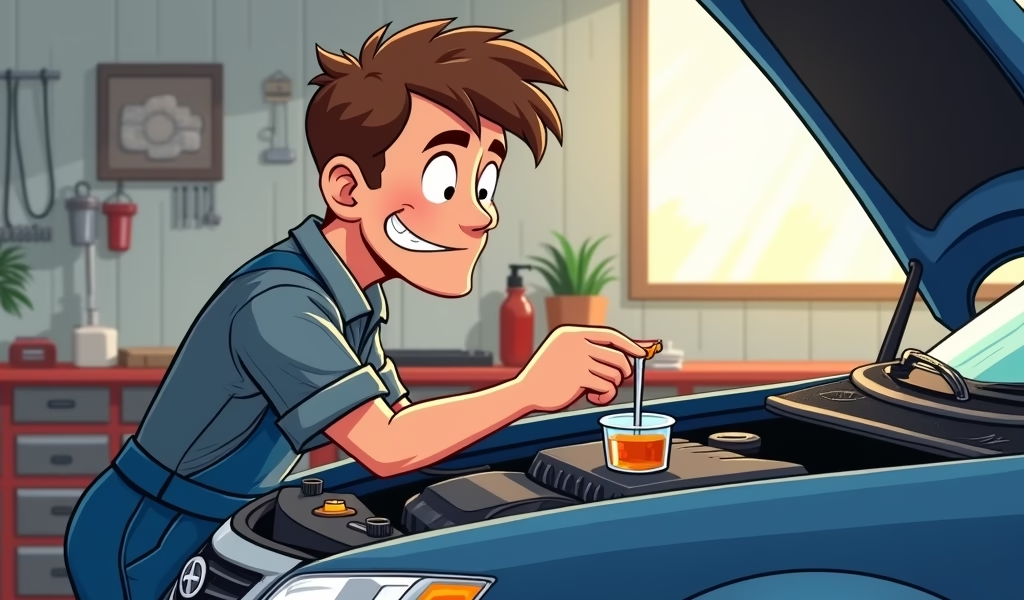
The good news is that checking your brake fluid requires minimal tools and expertise. Here’s what you’ll need:
- Clean, lint-free cloth or paper towel
- Flashlight (for better visibility)
- Owner’s manual (to locate the brake fluid reservoir)
- Fresh brake fluid (the type specified in your owner’s manual) if topping off is needed
- Disposable gloves (brake fluid can irritate skin and damage paint)
- Safety glasses (optional but recommended)
I strongly recommend wearing disposable gloves when handling brake fluid. Not only does brake fluid irritate skin, but it’s also extremely damaging to vehicle paint. A few drops on your car’s finish can cause permanent damage if not immediately cleaned.
Safety glasses aren’t absolutely necessary for checking brake fluid, but they’re a good precaution. Brake fluid can cause eye irritation, and we’re talking about your vision here – better safe than sorry.
Make sure you have the correct brake fluid on hand if you need to top off. Using the wrong type can lead to brake system damage and failure. Your owner’s manual will specify which DOT classification (typically DOT 3, DOT 4, or DOT 5.1) is appropriate for your vehicle.
A clean working environment is also important. You don’t want dirt or debris falling into the brake fluid reservoir when you open it. If possible, I recommend checking your brake fluid after the engine has been off for at least 30 minutes, as this gives the engine compartment time to cool down while still allowing you to see the true fluid level.
Step-by-Step Guide: How to Check Your Brake Fluid
Now that we understand why brake fluid is important and have our tools ready, let’s walk through checking this essential fluid step by step:
1. Locate the Brake Fluid Reservoir
The brake fluid reservoir is typically located on the driver’s side of the engine bay, near the firewall (the divider between the engine compartment and the passenger cabin). It’s usually a small, transparent or semi-transparent plastic container with brake fluid markings.
In most modern vehicles, the reservoir is rectangular or cylindrical with clear plastic sides so you can see the fluid level without opening it. Older vehicles might have a metal master cylinder with a plastic or metal cap on top.
If you’re having trouble finding it, consult your owner’s manual. Different makes and models place the reservoir in slightly different locations.
2. Prepare the Area
Before opening anything, clean the top of the reservoir with a lint-free cloth. This prevents dirt from falling in when you open the cap.
Put on your gloves and safety glasses if you’re using them. Remember, brake fluid can damage paint and irritate skin, so it’s better to be prepared.
3. Check the Fluid Level
Most brake fluid reservoirs have “MIN” and “MAX” markings on the side. Without opening the reservoir, check where the fluid level falls relative to these markings. The level should be between the two marks, preferably closer to “MAX.”
If your reservoir isn’t transparent or if you can’t clearly see the level, you’ll need to open the cap. Before you do, ensure the top of the reservoir is clean to prevent debris from falling in.
4. Open the Reservoir (If Necessary)
If you need to open the reservoir, unscrew the cap carefully. Some caps twist off, while others might have small clips to release. Always refer to your owner’s manual if you’re unsure.
Place the cap on a clean surface, upside down to prevent contamination of the underside that will contact the brake fluid.
5. Examine the Fluid
Look at the fluid’s color and consistency. New brake fluid is typically clear to amber in color, similar to apple juice. If your fluid is dark brown or black, or if it appears cloudy or has particles floating in it, it’s contaminated and should be replaced by a professional.
6. Close the Reservoir
If you opened the reservoir, carefully replace the cap, ensuring it’s secure but not overtightened. Wipe away any fluid that might have dripped on the outside of the reservoir or nearby components.
Interpreting What You See: Color, Level, and Consistency
Understanding what you’re looking at is just as important as knowing how to check your brake fluid. Here’s what to look for:
Fluid Level
The most obvious thing to check is whether your fluid level is between the MIN and MAX marks. If it’s at or below the MIN mark, you need to top it off. However, low brake fluid can indicate brake pad wear or a leak in the system. As brake pads wear, the caliper pistons extend further, which uses more fluid. This is normal, but if your fluid drops rapidly, that suggests a leak.
If your fluid is above the MAX mark, that’s also a problem. Overfilling can cause hydraulic pressure issues and potentially damage seals. In this case, a mechanic should remove some fluid to bring it to the proper level.
Fluid Color
New brake fluid ranges from clear to amber, depending on the type. Here’s what different colors might indicate:
- Clear to amber: Fresh fluid in good condition
- Light brown: Slightly aged but likely still functional
- Dark brown or black: Contaminated fluid that needs replacement
- Milky or cloudy: Water contamination, requires immediate replacement
According to Edmunds automotive experts, brake fluid darkens as it ages and absorbs moisture from the air, reducing its effectiveness and potentially leading to corrosion within the brake system.
Consistency and Contaminants
Healthy brake fluid should be clear and free of particles or debris. If you notice any floating particles, rust flakes, or sludge, your brake system likely has internal corrosion or contamination issues. This requires professional attention.
The consistency should be smooth and fluid, similar to fresh vegetable oil. If it appears thick or gummy, it’s deteriorated and needs replacement.
Smell
While not the primary way to check brake fluid condition, smell can provide additional information. Fresh brake fluid has a mild, slightly sweet chemical odor. If it smells burnt, that could indicate overheating in the brake system, often from aggressive driving or a stuck caliper.
Remember, these observations give you valuable information, but they don’t always tell the complete story. Brake fluid can look acceptable visually but still have absorbed too much moisture. Professional testing with a brake fluid tester can determine the actual moisture content and when a flush is truly needed.
How to Safely Top Off Your Brake Fluid
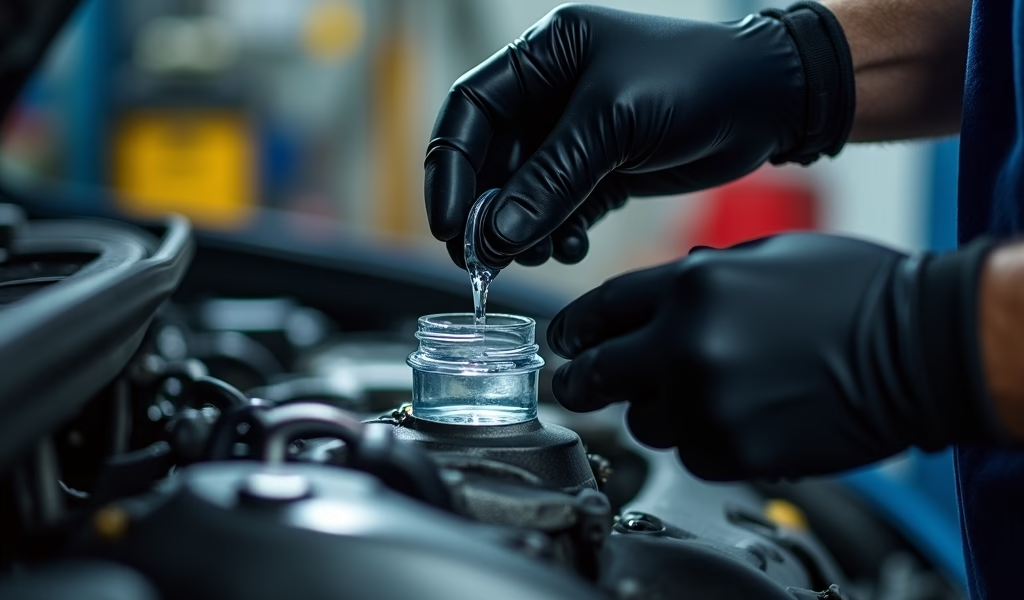
If your brake fluid is below the minimum mark but still looks clean, you might just need to add some fluid. Here’s how to do it safely:
1. Choose the Right Fluid
First, ensure you have the correct type of brake fluid for your vehicle. Check your owner’s manual or the cap of the reservoir itself for specifications (DOT 3, DOT 4, or DOT 5.1). Never substitute with a different type than what’s recommended.
I recommend purchasing a fresh, sealed bottle. Once opened, brake fluid starts absorbing moisture from the air, so leftover fluid from months ago isn’t ideal.
2. Prepare the Area
Clean the area around the reservoir cap thoroughly to prevent contamination. Have paper towels or shop rags ready to catch any spills.
Put on gloves to protect your skin and safety glasses to protect your eyes. Position yourself so that if any fluid splashes, it won’t hit your face or clothes.
3. Open the Reservoir Carefully
Unscrew the cap slowly and place it on a clean surface. Some caps have a rubber diaphragm attached to the underside – be careful not to damage this.
4. Add Fluid Gradually
Using a funnel if necessary, pour small amounts of fluid at a time. The goal is to bring the level to just below the MAX line, not all the way to the top.
After each small addition, wait a moment for the fluid to settle before adding more. It’s much easier to add more than to remove excess.
5. Secure the Cap
Replace the cap securely, making sure it’s properly seated and tightened. Wipe away any fluid that might have spilled on the outside of the reservoir or nearby components.
Important Cautions
If you find yourself needing to add brake fluid frequently, there’s likely a leak in your brake system that requires professional attention. Topping off is a temporary solution, not a fix for underlying problems.
Never add brake fluid while the engine is hot – the heat can cause the fluid to expand rapidly and overflow.
If your brake fluid was below the minimum mark and you noticed signs of brake performance issues, consider having your system inspected by a professional even after topping off. Low fluid levels can sometimes allow air into the system, which requires professional bleeding to remove.
In the case of dirty or contaminated fluid, adding fresh fluid on top won’t solve the problem. The entire system needs to be flushed and refilled by a professional.
Recommended Maintenance Schedule for Brake Fluid
Regular maintenance is key to keeping your brake system in optimal condition. Here’s a schedule I recommend based on industry standards and my professional experience:
Visual Checks
I recommend checking your brake fluid level and condition visually every month or at least every time you change your oil. This takes less than a minute but can alert you to developing problems before they become serious.
If you notice the level dropping between checks, have your brake system inspected for leaks as soon as possible.
Complete Brake Fluid Flush
Most vehicle manufacturers recommend replacing your brake fluid completely every 2-3 years, regardless of mileage. This is because brake fluid absorbs moisture over time even if you don’t drive much.
However, this can vary depending on your driving conditions. If you frequently drive in mountainous areas, tow heavy loads, or engage in sporty driving with heavy braking, consider flushing the fluid more frequently – perhaps every 1-2 years.
Remember, these are general guidelines. Your vehicle’s owner’s manual may specify different intervals, which should take precedence over these recommendations.
Testing Brake Fluid Condition
Many professional shops can test your brake fluid’s moisture content and contamination level. This test provides objective data about when a flush is needed, rather than relying solely on time intervals or visual inspection.
Consider requesting this test during regular maintenance visits, especially if it’s been more than 18 months since your last fluid change.
After Brake Work
Any time major brake work is performed – such as replacing calipers or wheel cylinders – the system should be flushed with new fluid. This removes any air or contaminants that might have entered during repairs.
According to Car Care Council research, 18% of vehicles on the road have brake fluid that needs to be changed due to contamination. Neglected brake fluid is a common and potentially dangerous oversight in vehicle maintenance.
Common Mistakes to Avoid When Checking Brake Fluid
Even with the best intentions, there are several common mistakes people make when checking or maintaining their brake fluid. Here’s what to avoid:
Using the Wrong Type of Fluid
Perhaps the most dangerous mistake is using the wrong type of brake fluid. DOT 3, DOT 4, and DOT 5.1 have different chemical compositions and boiling points. Using the incorrect type can lead to seal damage, system failure, or even accidents.
Never substitute with other hydraulic fluids or oils – these can cause complete brake failure. Always refer to your owner’s manual for the correct specification.
Contaminating the Fluid
Brake fluid is extremely sensitive to contamination. Even tiny amounts of dirt, water, or other substances can affect its performance. Common contamination mistakes include:
- Leaving the reservoir open longer than necessary
- Using dirty tools or funnels
- Touching the inside of the cap or reservoir
- Storing opened bottles of brake fluid
Always keep the reservoir open for the minimum time possible, and ensure all tools are clean and dry.
Ignoring the Condition
Many people check only the fluid level but ignore its condition. As we’ve discussed, dark or contaminated fluid needs to be replaced regardless of the level.
Similarly, if the level is low, don’t just top it off without investigating why. Low fluid often indicates brake pad wear or leaks that need attention.
Overfilling the Reservoir
The brake fluid reservoir needs some empty space to accommodate fluid displacement as brake pads wear down. Filling it to the very top can cause overflow and damage to painted surfaces. Always fill to just below the “MAX” line.
Not Protecting Vehicle Surfaces
Brake fluid is extremely damaging to paint. Even a few drops can strip through clear coat and paint if not immediately cleaned. Always have rags or paper towels ready to catch spills, and clean any drops immediately with soap and water.
Neglecting Safety Precautions
Failing to wear gloves while handling brake fluid can lead to skin irritation. Similarly, not protecting your eyes puts you at risk if splashing occurs. These simple precautions take seconds to implement but can prevent painful consequences.
By avoiding these common mistakes, you’ll ensure that your brake fluid checks are effective and that you’re not inadvertently causing damage to your brake system or vehicle.
When to Seek Professional Help
While checking your brake fluid is something most car owners can handle, there are certain situations where professional help is necessary. Here’s when to consult a mechanic:
System Flushing and Bleeding
If your brake fluid is dark, contaminated, or has been in the system for more than 2-3 years, it needs to be completely flushed and replaced. This is not a DIY job for most people, as it requires specialized equipment to properly bleed the system of air.
The cost of a professional brake fluid flush typically ranges from $80 to $200, depending on your vehicle and location. While this might seem expensive, it’s significantly cheaper than repairing brake system components damaged by contaminated fluid.
Suspected Leaks
If your fluid level drops repeatedly after topping off, you likely have a leak somewhere in the system. Brake fluid leaks require immediate professional attention, as they can lead to brake failure.
A mechanic can perform a pressure test to locate the source of the leak and recommend the necessary repairs. Repair costs vary widely depending on what’s leaking, but addressing it promptly will prevent more extensive damage.
Brake Warning Light
If your brake warning light illuminates on your dashboard, don’t simply add fluid and ignore it. The light could indicate low fluid, but it might also signal issues with the ABS system, brake pad sensors, or other brake components.
A professional diagnostic scan can determine the exact cause of the warning light. This typically costs around $50-$100 but provides valuable information about what’s actually happening in your brake system.
Changes in Brake Performance
Any noticeable change in how your brakes feel or perform warrants professional inspection. This includes:
- Soft or spongy brake pedal
- Increased stopping distance
- Pulling to one side when braking
- Unusual noises (grinding, squealing, etc.)
- Brake pedal pulsation
These symptoms could be related to fluid issues, but they might also indicate problems with other brake components that require expert diagnosis.
After Exposure to Extreme Conditions
If you’ve recently driven through deep water, experienced very high temperatures (such as descending long mountain passes), or been involved in an accident, consider having your brake fluid checked professionally even if it looks normal.
Extreme conditions can affect brake fluid in ways that aren’t immediately visible but could compromise safety.
Remember, regular car maintenance might seem costly in the moment, but it’s always less expensive than dealing with a brake failure or accident. When in doubt about your brake system, invest in professional inspection for peace of mind.
Conclusion
Learning how to check brake fluid is one of the most valuable car maintenance skills you can develop as a vehicle owner. It’s a simple process that takes just a few minutes but can prevent costly repairs and potentially dangerous brake failures.
Remember that brake fluid is the critical link between your foot and your vehicle’s stopping power. By regularly monitoring its level and condition, you’re directly contributing to your safety on the road and the longevity of your brake system.
Make checking your brake fluid a regular part of your vehicle maintenance routine—ideally monthly or whenever you check your oil. Pay attention not just to the level but also to the color and clarity of the fluid. Clear to amber fluid at the proper level indicates a healthy system, while dark or contaminated fluid signals the need for professional attention.
While topping off low brake fluid is something many car owners can handle themselves, remember that regularly declining fluid levels point to an underlying issue that needs professional diagnosis. Similarly, a complete brake fluid flush every 2-3 years is best left to the experts, who have the proper equipment to ensure all old fluid and air are removed from the system.
By following the steps outlined in this guide, you’ll not only save money on unnecessary repairs but also gain confidence in your vehicle’s most important safety system. After all, being able to stop effectively is even more critical than being able to go!
Frequently Asked Questions
How often should I check my brake fluid?
I recommend checking your brake fluid at least once a month or whenever you check your oil. Regular checks help catch problems early before they lead to expensive repairs or safety issues.
Can I drive with low brake fluid?
Driving with brake fluid below the minimum mark is dangerous and could lead to partial or complete brake failure. If you notice low fluid, top it off immediately and have your system checked for leaks or other issues.
Why does brake fluid change color over time?
Brake fluid darkens as it absorbs moisture from the air and collects contaminants from the brake system. The darker the fluid, the more contaminated it likely is and the less effective it will be at proper braking.
Can I mix different types of brake fluid?
Never mix different DOT classifications of brake fluid. Different types have different chemical compositions that may not be compatible and could damage seals or reduce braking performance.
What happens if water gets in my brake fluid?
Water lowers the boiling point of brake fluid, which can cause the fluid to boil during heavy braking, creating gas bubbles that compress instead of transferring force to the brakes. This results in brake fade or complete failure under demanding conditions.