

Overview
Much like Jake who faced a $4,000 engine replacement bill after neglecting maintenance, regular oil changes are your vehicle’s cheapest insurance policy—preventing catastrophic damage by ensuring proper lubrication, heat management, and internal cleanliness. This guide covers everything from recognizing when your car needs fresh oil (typically every 5,000-10,000 miles in modern vehicles) to performing a proper change yourself using the right tools and oil type, potentially saving hundreds in professional service costs while protecting your engine from thousands in avoidable repairs.
Table of Contents
- Why Regular Engine Oil Changes Matter
- Understanding Engine Oil Basics
- Signs You Need an Engine Oil Change
- How Often to Change Your Engine Oil
- Tools and Materials Needed
- Step-by-Step Engine Oil Change Guide
- Common Engine Oil Change Mistakes
- DIY vs. Professional Oil Changes
- The True Cost of Skipping Oil Changes
- Conclusion
- Frequently Asked Questions
Why Regular Engine Oil Changes Matter
Let me tell you about Jake, who pulled into my shop last summer with his sedan making a horrific grinding noise. After a quick inspection, I had to deliver the bad news: he needed a complete engine replacement costing over $4,000. The culprit? Neglecting regular engine oil changes for years.
An engine oil change is the single most important maintenance task for your vehicle’s longevity. Fresh oil provides proper lubrication to your engine’s moving parts, preventing the kind of catastrophic damage Jake experienced. When oil breaks down, it loses its ability to protect your engine, leading to accelerated wear and potentially devastating repairs.
I’ve spent 20 years as a mechanic, and I can tell you with absolute certainty: regular oil changes are the cheapest insurance policy you’ll ever buy for your car. For about $40-70 every few thousand miles, you can prevent repairs that cost thousands. It’s the ultimate “pay a little now or pay a lot later” scenario.
In this comprehensive guide, I’ll walk you through everything you need to know about changing your engine oil properly. Whether you’re a DIY enthusiast or just want to understand what your mechanic is doing, this information will help you protect your vehicle investment and avoid becoming the next cautionary tale.
Understanding Engine Oil Basics
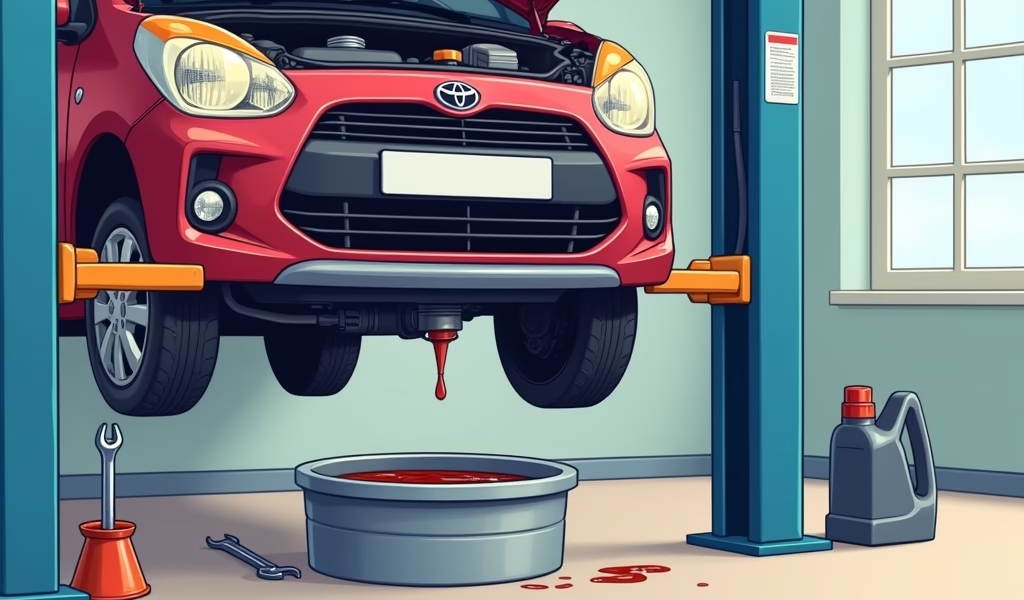
Think of engine oil as your car’s lifeblood. It’s not just a lubricant—it’s a sophisticated fluid that performs several critical functions that keep your engine running smoothly and efficiently.
What Engine Oil Actually Does
Engine oil serves multiple crucial purposes in your vehicle:
- Lubrication: Oil creates a protective film between moving metal parts, preventing direct contact that would otherwise cause friction, heat, and rapid wear.
- Heat Management: As oil circulates, it absorbs heat from engine components and carries it away, helping maintain optimal operating temperatures.
- Cleaning: Modern motor oils contain detergents that clean engine internals by carrying away dirt, metal particles, and combustion byproducts to the oil filter.
- Corrosion Protection: Oil contains additives that help neutralize corrosive compounds formed during combustion, protecting metal surfaces.
- Engine Sealing: Oil helps create seals between piston rings and cylinder walls, maintaining proper compression and efficiency.
Types of Engine Oil
Not all engine oils are created equal. Here’s a quick breakdown of your options:
- Conventional Oil: Derived from crude oil, it’s the most basic and affordable option but offers less protection and requires more frequent changes.
- Full Synthetic Oil: Chemically engineered for superior performance, it provides better protection in extreme temperatures, lasts longer, and offers enhanced engine protection. It costs more but can extend time between oil changes.
- Synthetic Blend: A mix of conventional and synthetic oils that offers a middle ground in both performance and price.
- High-Mileage Oil: Specially formulated for vehicles with over 75,000 miles, containing additives to help condition seals and address issues common in older engines.
Understanding oil viscosity is also crucial. Those numbers you see (like 5W-30) indicate how the oil flows at different temperatures. The first number (with the W for winter) tells you how the oil performs in cold conditions, while the second number indicates its thickness at operating temperature. Modern engines are designed for specific viscosities, so always follow your manufacturer’s recommendation.
Signs You Need an Engine Oil Change
Your vehicle will usually give you clear indicators when it’s thirsty for fresh engine oil. As someone who’s diagnosed thousands of oil-related issues, I can tell you these warning signs should never be ignored.
Dashboard Warning Lights
That glowing oil can icon on your dashboard isn’t a suggestion—it’s an urgent alert. While it sometimes indicates low oil levels, it can also signal pressure problems or degraded oil quality. Either way, it warrants immediate attention.
Many modern vehicles also feature oil life monitoring systems that calculate when changes are needed based on your actual driving patterns. When these systems indicate it’s time for service, heed their advice—they’re monitoring factors you can’t see.
Strange Engine Noises
When engine oil loses its effectiveness, metal components begin making contact. Listen for ticking, knocking, or grinding sounds, especially during startup when oil pressure is building. These noises often indicate insufficient lubrication and should be addressed immediately before damage occurs.
Visual and Physical Indicators
Fresh motor oil is typically amber and translucent. Check your dipstick regularly—if the oil appears black, opaque, or contains visible particles, it’s time for a change. You should be able to see the dipstick markings through good oil.
Another telltale sign is oil texture. Rub a small amount between your fingers—if it feels gritty rather than smooth, those particles are circulating through your engine, potentially causing damage.
That distinctive burning oil smell, especially when paired with blue-tinged exhaust smoke, suggests oil is leaking onto hot engine components or burning in the combustion chamber—both potentially related to old, thin oil that’s lost its proper viscosity.
Performance Changes
Degraded engine oil increases friction throughout your engine, making it work harder and burn more fuel. If you notice your vehicle feeling sluggish or your gas mileage dropping without other obvious causes, old oil could be the culprit.
Your engine may also run hotter than normal, as dirty oil can’t absorb and transfer heat as effectively. While many issues can cause overheating, degraded oil’s reduced cooling capabilities might contribute to the problem.
How Often to Change Your Engine Oil
The legendary 3,000-mile oil change interval is largely outdated for modern vehicles, yet optimal timing varies significantly based on several factors. As a mechanic who’s worked on everything from classic cars to the latest models, I can tell you oil change frequency is not one-size-fits-all.
Modern Recommendations vs. Old Rules
Most contemporary vehicles can go 5,000 to 10,000 miles between oil changes, with some requiring service only once yearly or every 15,000 miles when using synthetic oil. This extended interval results from improvements in both engine design and oil technology.
The best source for your specific vehicle is the owner’s manual. These guidelines are based on extensive testing for your exact engine and should be your primary reference. Many newer vehicles also have oil life monitoring systems that calculate when changes are needed based on your actual driving patterns, accounting for factors like temperature, RPMs, and driving style.
How Driving Conditions Affect Change Intervals
Not all miles are created equal when it comes to oil life. Your car maintenance schedule should reflect how you actually drive. The following conditions accelerate oil degradation and warrant more frequent changes:
- Frequent short trips (less than 10 miles)
- Stop-and-go traffic
- Extreme temperatures (very hot or cold climates)
- Towing or hauling heavy loads
- Driving on dusty, unpaved roads
- Racing or aggressive driving
If your driving habits include any of these “severe” conditions, consider changing your oil more frequently than the maximum interval recommended in your owner’s manual. In my professional experience, most urban and suburban drivers fall into the “severe” category without realizing it.
Highway driving in moderate temperatures represents the best-case scenario for oil life, often allowing you to follow the longer intervals in your owner’s manual. These conditions provide steady operating temperatures that keep moisture from building up in your oil.
According to Federal Trade Commission guidance, following manufacturer-recommended maintenance intervals will not void your vehicle’s warranty, even if those intervals are longer than what quick-lube shops suggest.
Tools and Materials Needed
Before you tackle an engine oil change, gathering the right supplies will make the job go smoothly. As someone who’s performed thousands of oil changes, I can tell you having everything ready before you start is key to avoiding frustration.
Essential Tools
- Wrench or socket set (to remove drain plug)
- Oil filter wrench (specific to your filter type)
- Funnel (to prevent spills when adding new oil)
- Oil drain pan (with at least 2-gallon capacity)
- Jack and jack stands OR ramps (if you need to lift your vehicle)
- Wheel chocks (for safety when vehicle is lifted)
- Shop rags or paper towels (for inevitable spills and cleanup)
- Gloves (nitrile gloves protect your skin from oil exposure)
- Safety glasses (to protect your eyes from splashes)
Required Materials
- New motor oil (check your owner’s manual for type and quantity)
- New oil filter (matched to your specific vehicle)
- New drain plug gasket (if required for your vehicle)
- Container for old oil (for transport to recycling facility)
Optional But Helpful Items
- Disposable mechanics’ gloves (to keep your hands clean)
- Oil filter removal cap (can help with stubborn filters)
- Oil filter drain tool (reduces mess when removing filter)
- Torque wrench (for precise drain plug tightening)
- Oil spill mat (to protect your driveway or garage floor)
- Mechanic’s creeper (makes it easier to slide under vehicle)
One tip from my years in the shop: always buy a quality oil filter. The few dollars’ difference between economy and premium filters is negligible compared to the protection a good filter provides. I typically recommend major brand filters that meet or exceed manufacturer specifications.
Step-by-Step Engine Oil Change Guide
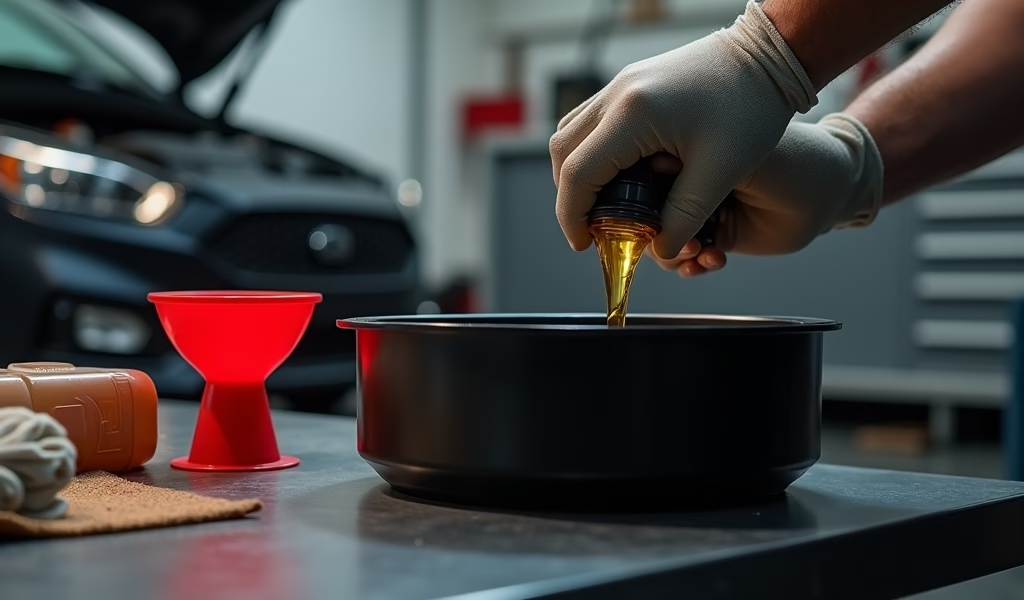
Now let’s get our hands dirty with a step-by-step walkthrough of performing an engine oil change. I’ve refined this process over thousands of oil changes, focusing on efficiency and safety.
Preparation and Safety First
Proper preparation is the foundation of a successful oil change:
- Run your engine for about 5 minutes to warm the oil (warm oil flows better), but not so long that engine components become too hot to touch.
- Park on a level surface and engage the parking brake.
- Place wheel chocks behind the rear tires to prevent any movement.
- If your vehicle has low ground clearance, use a jack to carefully raise the front end, then secure it with properly positioned jack stands. Never rely solely on a jack!
Draining the Old Oil
With safety measures in place, you’re ready to drain the old oil:
- Locate the oil drain plug underneath the engine (consult your owner’s manual if unsure).
- Position your drain pan directly beneath the plug.
- Use the appropriate wrench to loosen the drain plug counterclockwise, but don’t remove it completely yet.
- Once the plug is loose, use your gloved fingers to unscrew it the rest of the way, being prepared for oil to begin flowing.
- Allow the oil to drain completely, which typically takes 5-10 minutes. The stream will reduce to drops when it’s nearly empty.
- Inspect the drain plug and its gasket for damage, replacing if necessary.
- Reinstall the drain plug, tightening to the manufacturer’s specification (typically 25-30 foot-pounds)—hand-tight plus a quarter turn is usually adequate if you don’t have a torque wrench.
Replacing the Oil Filter
While the oil drains is a perfect time to replace the filter:
- Locate the oil filter. It’s typically a cylindrical component attached to the engine block.
- Position your drain pan underneath the filter to catch residual oil.
- Use an oil filter wrench if the filter is too tight to remove by hand.
- Turn the filter counterclockwise to loosen and remove it.
- Before installing the new filter, apply a thin film of fresh oil to the rubber gasket on the filter’s rim.
- Screw the new filter on by hand until the gasket makes contact with the engine surface, then tighten an additional 3/4 turn (follow specific instructions on the filter or in your owner’s manual).
Adding Fresh Oil
Now comes the rewarding part—adding fresh, clean oil:
- Locate and remove the oil filler cap on top of your engine (usually marked with an oil can icon).
- Place your funnel in the opening to prevent spills.
- Pour in the recommended amount and type of oil gradually (check your owner’s manual for the exact quantity).
- Replace the oil filler cap securely.
- Start the engine and let it run for about 30 seconds, then shut it off.
- Wait a few minutes for the oil to settle, then check the level on the dipstick.
- Add small amounts if necessary until the level is between the min and max marks on the dipstick.
Final Checks and Cleanup
To complete the job properly:
- Start the engine again and let it run for a minute, checking for any leaks around the drain plug and filter.
- Turn off the engine and check once more for leaks.
- Clean any oil spills from the engine or underneath the vehicle.
- Transfer the used oil from your drain pan to a sealed container for proper disposal at an auto parts store or recycling center.
- Reset your oil life monitoring system if your vehicle has one (consult your owner’s manual for instructions).
- Record the mileage and date for your maintenance records.
When you’ve completed your oil change, take your vehicle for a short drive, then check once more for leaks. This final check ensures everything is secure before you resume normal driving.
Common Engine Oil Change Mistakes
After supervising thousands of oil changes in my shop, I’ve seen plenty of mistakes that can turn this simple maintenance task into a headache—or worse, an engine problem. Here are the most common pitfalls to avoid:
Using the Wrong Oil Type
Modern engines are designed for specific oil formulations. Using incorrect viscosity (like 10W-30 when 5W-20 is specified) can reduce fuel economy and potentially cause engine damage. Always follow manufacturer recommendations from your owner’s manual.
Similarly, some engines specifically require synthetic oil. Using conventional oil in these applications can lead to premature wear and may even void your warranty in some cases.
Improper Filter Installation
Two common filter mistakes can cause big problems:
- Forgotten O-ring: When removing the old filter, sometimes the rubber gasket sticks to the engine. If you install a new filter without removing this old gasket, you’ll create a double-gasket situation that almost guarantees a major oil leak.
- Over-tightening: Oil filters should be tightened by hand in most cases. Using tools to crank them down can distort the gasket or make removal nearly impossible next time.
Drain Plug Problems
The humble drain plug can cause major headaches when mishandled:
- Cross-threading: Always start threading the drain plug by hand to ensure it goes in straight. Cross-threading can damage the oil pan threads—a costly repair.
- Over-tightening: Using too much force can strip threads or damage the gasket. A torque wrench is ideal, but if you don’t have one, hand-tight plus a quarter turn is usually sufficient.
- Reusing damaged gaskets: Always inspect the drain plug gasket and replace it if it shows signs of wear or deformation.
Oil Quantity Mistakes
Both too much and too little oil can cause problems:
- Overfilling: Exceeding the recommended oil capacity can cause the crankshaft to aerate the oil, creating foam that reduces lubrication effectiveness and can lead to pressure loss.
- Underfilling: Too little oil means inadequate lubrication, potentially causing catastrophic engine damage.
Always measure carefully, add oil incrementally, and check the level with the dipstick after adding each quart when you’re near the full mark.
Improper Disposal of Used Oil
Used motor oil is considered hazardous waste and must be disposed of properly. Never pour it on the ground, down drains, or in trash. Most auto parts stores accept used oil for recycling at no charge. Some municipalities also have hazardous waste collection facilities.
One gallon of improperly disposed oil can contaminate up to one million gallons of drinking water, so proper disposal isn’t just good citizenship—it’s essential for environmental protection.
DIY vs. Professional Oil Changes
As both a mechanic and a car owner, I’ve seen the pros and cons of DIY and professional oil changes. Here’s what to consider when deciding which approach is right for you:
Cost Comparison
Let’s break down the typical costs:
- DIY: $25-$45 for oil and filter (conventional), $45-$70 (synthetic)
- Quick Lube Shop: $40-$80 (conventional), $70-$120 (synthetic)
- Dealership: $60-$100 (conventional), $100-$150 (synthetic)
DIY clearly wins on direct cost, typically saving $15-$50 per oil change. Over a year with 3-4 changes, that’s $45-$200 in savings. However, this doesn’t account for your time investment or the initial purchase of tools if you don’t already have them.
Time and Convenience Factors
A DIY oil change typically takes 30-60 minutes for someone with basic mechanical skills, plus shopping time for supplies and time to dispose of used oil. Professional services usually complete the job in 15-30 minutes of your wait time, and many offer convenient hours and locations.
For busy professionals, the time saved with professional service may outweigh the cost savings of DIY. Many quick-lube facilities also offer additional convenience like online scheduling and service reminders.
Quality Considerations
When you do it yourself, you control exactly what products go into your vehicle. You can choose premium oil and filters that might not be standard at quick-lube shops operating on thin margins.
Professional services vary widely in quality. Dealerships and independent mechanics typically offer better service than discount quick-lube chains, but at higher prices. Research reviews and ask about what oil and filters they use.
Additional Benefits of Professional Service
Professional oil changes often include complimentary multi-point inspections that might catch issues you’d miss. These can include checking:
- Tire pressure and condition
- Air filter status
- Fluid levels (brake, transmission, power steering, etc.)
- Battery health
- Lights and wipers functionality
This added value can be significant, especially for those less familiar with vehicle maintenance.
The Ideal Approach
For many drivers, a mixed approach works best:
- DIY when time permits and weather is favorable
- Professional service during winter months or when time is limited
- Occasional dealer service to maintain warranty requirements (keep all receipts!)
Whatever you choose, consistency matters more than the method. Regular oil changes, regardless of who performs them, are what keeps your engine healthy for the long haul.
The True Cost of Skipping Oil Changes
I’ve seen firsthand what happens when vehicle owners treat oil changes as optional. The financial impact extends far beyond the service cost—it’s one of the most expensive mistakes a vehicle owner can make.
Short-Term Performance Impacts
Even before major damage occurs, neglected oil begins to affect your vehicle:
- Reduced Fuel Economy: Degraded oil increases friction, forcing your engine to work harder and burn more fuel. This can reduce MPG by 1-2%, which adds up over time.
- Diminished Performance: As sludge accumulates and moving parts experience increased friction, you’ll notice less responsive acceleration and potential hesitation.
- Increased Emissions: Poor lubrication leads to inefficient combustion, potentially causing your vehicle to fail emissions tests or trigger check engine lights.
Progressive Engine Damage
As oil deterioration continues, more serious problems develop:
- Accelerated Component Wear: Bearings, camshafts, and other precision parts wear more rapidly without proper lubrication.
- Sludge Buildup: Oil breaks down into a thick, tar-like substance that clogs oil passages and prevents proper circulation.
- Overheating: Without proper oil flow, engines run hotter, potentially leading to warped components.
- Timing Chain/Belt Issues: Poor lubrication can cause timing components to stretch or skip, throwing off engine timing.
Catastrophic Failure Scenarios
The end result of continued neglect can be catastrophic:
- Spun Bearings: When bearings fail due to inadequate lubrication, they can spin within their housings, destroying both the bearing and the surrounding metal.
- Seized Engine: In worst-case scenarios, metal-on-metal contact creates so much heat that components actually weld themselves together, causing complete engine seizure.
- Connecting Rod Failure: When lubrication fails, connecting rods can break through the engine block—a dramatic and complete engine failure often referred to as “throwing a rod.”
The Real Financial Mathematics
Let’s look at the stark financial reality:
- Regular Oil Changes: $40-$80 every 5,000-10,000 miles ($160-$480 annually)
- Engine Repair Costs:
- Minor sludge-related repairs: $500-$2,000
- Major oil-related engine work: $2,500-$4,000
- Complete engine replacement: $4,000-$10,000+
Even if you opt for premium synthetic oil changes performed religiously, the lifetime cost is a fraction of a single major repair resulting from oil neglect. It’s simple mathematics: regular maintenance is always more economical than repairs.
Remember Jake from our introduction? His $4,000 engine replacement could have been prevented with just a few hundred dollars of regular maintenance over the years. Don’t become another cautionary tale in a mechanic’s collection of stories.
Conclusion
Regular engine oil changes represent the most cost-effective insurance policy for your vehicle’s longevity. As a mechanic who’s seen thousands of preventable engine failures, I can’t emphasize enough how this simple maintenance task protects your significant investment.
Your engine works tirelessly under demanding conditions—extreme temperatures, constant friction, and accumulating contaminants. Fresh, clean oil is its lifeline. Whether you choose to perform engine oil changes yourself or rely on professional service, the important thing is consistency and using the right products for your specific vehicle.
Remember that modern engines have evolved, and so have oil change requirements. Always follow your manufacturer’s recommendations regarding oil type, viscosity, and change intervals. These specifications aren’t arbitrary—they’re based on extensive testing specific to your engine design.
For those embracing the DIY approach, take pride in learning this fundamental skill. For those who prefer professional service, develop a relationship with a trusted shop that values quality work over quick turnaround. Either way, maintain records of your oil changes to track your vehicle’s history and protect its resale value.
The next time you’re tempted to postpone an engine oil change “just a little longer,” remember that the few dollars and minutes you save today could cost you thousands tomorrow. Your engine deserves proper care—and so does your wallet.
Frequently Asked Questions
How much does an engine oil change typically cost?
A professional oil change costs between $40-$80 for conventional oil and $70-$120 for synthetic. DIY oil changes can save about 30-50% of these costs if you already have the basic tools.
Can I mix synthetic and conventional oil?
Yes, these oils can be mixed in an emergency, but it’s not recommended as a regular practice. Mixing reduces the performance benefits of the synthetic oil you’re adding.
What happens if I accidentally overfill my engine oil?
Overfilling can cause the crankshaft to aerate the oil, creating foam that reduces lubrication effectiveness. If you’ve added too much, drain the excess to avoid potential damage.
How long does an oil change take?
A professional oil change typically takes 15-30 minutes. DIY oil changes usually take 30-60 minutes for someone with basic mechanical skills.
Will changing my own oil void my warranty?
No, performing your own oil changes will not void your warranty as long as you use the recommended oil type and keep records. The Magnuson-Moss Warranty Act protects your right to perform maintenance yourself.