
Overview
Brake bleeding is the crucial process of removing air bubbles from hydraulic brake lines to restore firm pedal feel and optimal stopping power, with signs like a spongy pedal or increased stopping distance indicating it’s time for this maintenance. The procedure can be done using either the traditional two-person method or solo approaches like gravity bleeding, with proper preparation and attention to the correct bleeding sequence ensuring all air is effectively purged from your vehicle’s most important safety system.
Table of Contents
- Understanding Brake Bleeding: Why It’s Crucial
- Signs You Need to Bleed Your Brakes
- Tools and Materials Needed for Brake Bleeding
- Preparation Steps Before Bleeding Brakes
- Step-by-Step Guide to Bleeding Brakes
- Common Mistakes to Avoid When Bleeding Brakes
- Maintenance Tips to Keep Your Brakes in Top Condition
- When to Seek Professional Help
- Conclusion
- Frequently Asked Questions
Understanding Brake Bleeding: Why It’s Crucial
Learning how to bleed brakes is one of those essential skills that can save you hundreds in mechanic fees and potentially prevent dangerous driving situations. As a mechanic who’s seen the consequences of neglected brake systems firsthand, I can’t emphasize enough how important this maintenance task is to your vehicle’s safety system.
Brake bleeding is the process of removing air bubbles from your hydraulic brake lines. Your brake system works on a simple principle: when you press the brake pedal, hydraulic pressure transfers that force to your wheels, slowing your vehicle. But unlike liquid, air can compress – and air in your lines means spongy, ineffective brakes that could fail when you need them most.
Over time, tiny amounts of air can enter your brake system through various means – during fluid changes, component replacements, or even through microscopic leaks in seals and fittings. This air creates a “spongy” brake pedal feel and reduces braking efficiency. By properly bleeding your brakes, you’re ensuring that only incompressible brake fluid fills your lines, creating the solid pedal feel and responsive braking that keeps you safe.
This comprehensive guide will walk you through bleeding your car’s brake system like a professional, without requiring specialized equipment or years of mechanical experience. With some patience and attention to detail, you’ll maintain optimal braking performance and avoid those costly emergency repairs down the road.
Signs You Need to Bleed Your Brakes
Before diving into the procedure, it’s important to recognize when your brakes are crying out for attention. Your vehicle has ways of telling you when air has infiltrated the brake system – you just need to know the language. Here are the telltale signs that it’s time to bleed your brakes:
- Spongy or soft brake pedal that feels like stepping on a cushion rather than providing firm resistance
- Increased stopping distance, even when you’re pressing firmly on the brake pedal
- Brake pedal that gradually sinks to the floor when held down
- Brakes that feel less responsive than usual or require more pressure to engage
- A noticeable decrease in braking performance after replacing brake components
- Warning lights on your dashboard related to the ABS or brake system
You should also consider bleeding your brakes as preventative maintenance after certain events. If you’ve recently replaced brake components like calipers, wheel cylinders, or the master cylinder, bleeding is necessary. Similarly, if you notice low brake fluid levels when you check your brake fluid, this could indicate a leak that’s allowing air into the system.
Don’t ignore these warning signs. Compromised brakes aren’t just an inconvenience – they’re a serious safety hazard. The good news is that bleeding your brakes is a straightforward procedure that can resolve these issues before they lead to expensive repairs or dangerous driving conditions.
Tools and Materials Needed for Brake Bleeding
Before you roll up your sleeves and get started, gathering the right tools will make this job much easier and more effective. The good news is that bleeding brakes doesn’t require exotic equipment – most of these items are affordable and readily available.
Essential Tools:
- A brake bleeder wrench or an 8-10mm box-end wrench (size depends on your vehicle)
- Clear plastic tubing that fits snugly over the bleeder valve (typically 1/4 inch inner diameter)
- A clean glass jar or container to catch the old brake fluid
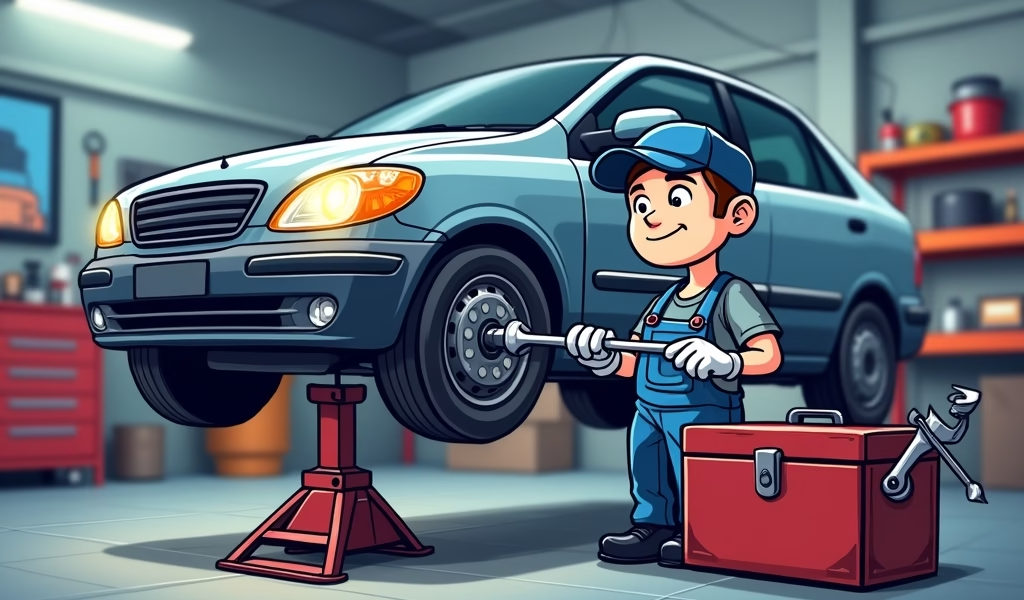
- Jack and jack stands or wheel ramps for safely elevating the vehicle
- Wheel chocks for added safety
- A helper (for the traditional method) or a one-person brake bleeding kit (optional)
Materials Needed:
- The correct type of brake fluid for your vehicle (check your owner’s manual – most vehicles use DOT 3 or DOT 4)
- Lint-free rags or shop towels
- Brake cleaner spray
- Mechanic’s gloves to protect your hands (brake fluid damages paint and irritates skin)
- Safety glasses to protect your eyes
A word about brake fluid: always use the type specified in your owner’s manual, and make sure it’s fresh from a sealed container. Brake fluid is hygroscopic, which means it absorbs moisture from the air over time. Even an unopened container that’s been sitting on a shelf for years can be compromised. Quality brake fluid is relatively inexpensive, so don’t try to save a few dollars by using old or incorrect fluid.
If you’re doing this job solo, consider investing in a vacuum brake bleeder or pressure bleeder. These tools make one-person brake bleeding possible and often result in a more thorough job. They range from simple hand-pumped vacuum bleeders (around $30) to more sophisticated pressure bleeders ($100+), but they can make the task significantly easier.
Preparation Steps Before Bleeding Brakes
Proper preparation is half the battle when it comes to successfully bleeding your brakes. Taking the time to set up correctly will save you frustration and ensure you get all the air out of your system. Let’s walk through the essential preparation steps:
Safety First
Always start with safety. Park your vehicle on a flat, level surface. Set the parking brake and chock the wheels you won’t be lifting to prevent any movement. Remember, you’ll be working under a lifted vehicle, so stability is crucial.
Put on your gloves and safety glasses. Brake fluid is corrosive and can damage paint, so protect your hands and eyes. Have rags handy to immediately clean up any spills.
Vehicle Preparation
- Locate the master cylinder reservoir under the hood, usually near the driver’s side firewall
- Check the current fluid level and condition – dirty, dark fluid indicates it’s time for a full flush
- Remove the reservoir cap and ensure it’s filled to the “MAX” line with fresh brake fluid
- Keep the new fluid handy as you’ll need to top off the reservoir throughout the process
- Identify the bleeding sequence for your vehicle (typically starting from the wheel farthest from the master cylinder)
The standard bleeding sequence is usually right rear, left rear, right front, then left front. This sequence ensures you’re pushing air toward the exit points in the most efficient manner. However, some vehicles have specific requirements, so check your service manual if you’re unsure.
Now, lift the first wheel you’ll be working on using a jack, and secure it with jack stands. Never rely solely on a jack to support a vehicle while you’re working underneath it. Remove the wheel to access the brake caliper and bleeder valve.
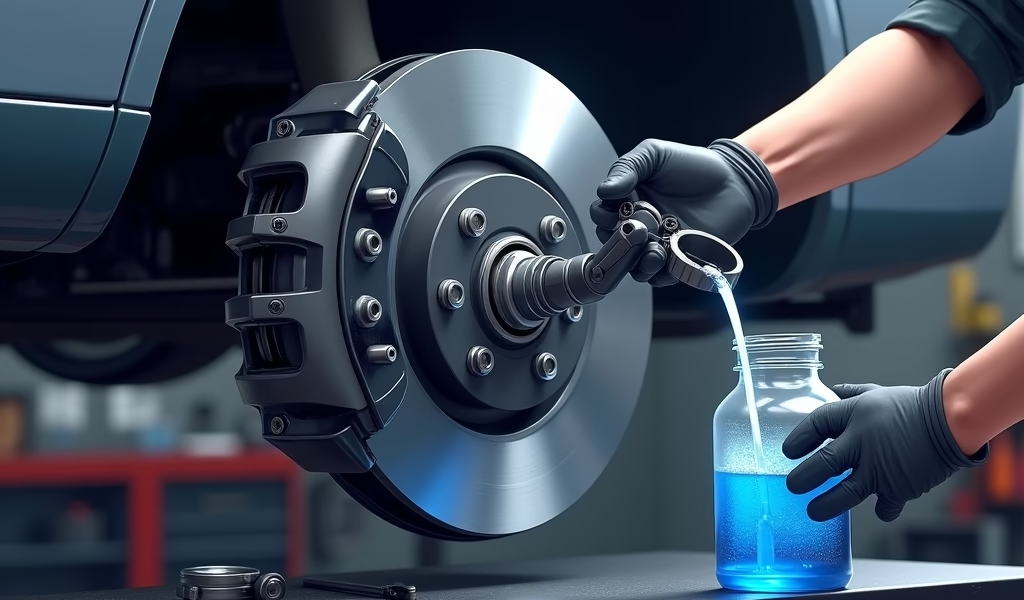
Locate the bleeder valve (also called the bleeder screw) on the brake caliper or wheel cylinder. It’s typically a small metal fitting with a 6-point or 8-point head. If it’s covered with a rubber cap, remove this cap but don’t discard it – you’ll replace it when you’re done.
Before attempting to open the bleeder valve, spray it with penetrating oil if it looks rusty or stuck. Let it sit for a few minutes. This simple step can prevent the frustration of snapping off a seized bleeder valve, which would turn a simple maintenance task into a major repair job.
By following these preparation steps, you’re setting yourself up for a smooth brake bleeding process that will effectively remove all air from your system. Take your time here – rushing through preparation is often where mistakes happen.
Step-by-Step Guide to Bleeding Brakes
Now that you’re prepared, let’s dive into the actual process of how to bleed brakes effectively. I’ll outline both the traditional two-person method and a one-person approach, so you can choose what works best for your situation.
Traditional Two-Person Method
This is the most reliable method if you have a helper available:
-
Position your catch container: Attach one end of your clear plastic tube to the bleeder valve and place the other end in your catch container. Make sure the end of the tube is submerged in a small amount of fresh brake fluid in the container – this prevents air from being drawn back into the system.
-
Establish communication: Ensure you and your helper have clear communication signals. A simple “press,” “hold,” and “release” system works well.
-
Start the bleeding sequence: Have your helper sit in the driver’s seat while you position yourself at the first wheel (usually the right rear).
-
Cycle the brake pedal: Ask your helper to press the brake pedal firmly 3-4 times and hold it down on the final press. This builds pressure in the system.
-
Open the bleeder valve: While your helper holds the pedal down, use your wrench to loosen the bleeder valve about a quarter to half turn. You’ll see fluid and possibly air bubbles flow through the tube into your container.
-
Close the valve: When the flow slows to a drip, tighten the bleeder valve securely. Only then should you tell your helper to release the brake pedal.
-
Repeat the process: Continue this cycle until you no longer see air bubbles in the fluid and the pedal feels firm. Check and refill the master cylinder reservoir frequently – never let it run empty!
-
Move to the next wheel: Once you’re satisfied with the first wheel, move to the next in the sequence (typically left rear, right front, left front) and repeat the process.
One-Person Method
If you’re working alone, you have several options:
Gravity Bleeding Method
-
Fill the master cylinder reservoir completely.
-
Connect your tube to the bleeder valve and place the other end in your catch container.
-
Open the bleeder valve and let gravity do the work – fluid will slowly flow through the system.
-
Keep an eye on the master cylinder and refill as needed.
-
Close the valve when the fluid runs clear with no bubbles.
-
This method takes longer but can be effective, especially after other components have been replaced.
Using a Vacuum Bleeder
-
Attach the vacuum bleeder to the bleeder valve according to the tool’s instructions.
-
Create vacuum with the tool, then open the bleeder valve.
-
The vacuum will pull fluid through the system, bringing air bubbles with it.
-
Keep the master cylinder topped up and continue until no more bubbles appear.
-
Close the valve before releasing the vacuum.
Using a Pressure Bleeder
-
Attach the pressure bleeder to your master cylinder reservoir according to the tool’s instructions.
-
Pressurize the system (typically to about 10-15 psi).
-
Go to each bleeder valve in sequence, connect your tube, and open the valve.
-
Close the valve when the fluid runs clear without bubbles.
-
This method is highly effective and often used by professionals.
Throughout any method, pay careful attention to the quality of fluid coming out. Initially, you might see discolored fluid or air bubbles. Continue bleeding until the fluid runs clear and no more bubbles appear. This indicates you’ve successfully removed the air from that section of the brake system.
After bleeding all four corners of your vehicle, check the brake pedal feel. It should be firm and responsive, without any sponginess. If the pedal still feels soft, you may need to repeat the process, as there could still be air trapped in the system.
Remember to keep the master cylinder topped up throughout the process and monitor all essential fluids after completing the job. Proper fluid levels are crucial for brake system performance.
Common Mistakes to Avoid When Bleeding Brakes
Even experienced mechanics can make errors during brake bleeding that compromise safety and effectiveness. Here are the most common pitfalls to avoid:
Never Letting the Master Cylinder Run Dry
This is perhaps the most critical mistake to avoid. If the master cylinder reservoir empties during bleeding, air will be drawn into the system, and you’ll have to start over. Always keep an eye on the fluid level and top it off frequently. A helper can be invaluable for monitoring this while you work on the bleeder valves.
Using Old or Contaminated Brake Fluid
Brake fluid absorbs moisture over time, which lowers its boiling point and corrodes internal components. Always use fresh, unopened brake fluid of the correct type (DOT 3, DOT 4, etc.) as specified in your owner’s manual. Never reuse fluid or mix different types, as this can cause system failures and compromise safety.
Incorrect Bleeding Sequence
Bleeding brakes in the wrong order can trap air in the system. Generally, you should start with the wheel furthest from the master cylinder (usually the right rear) and work your way closer. However, some vehicles have specific sequences, so consult your service manual if you’re unsure.
Not Allowing Enough Time
Rushing through brake bleeding often leads to incomplete air removal. Plan for this job to take at least an hour, especially if you’re doing it for the first time. Patience ensures thoroughness, and thoroughness ensures safety.
Overtightening the Bleeder Valves
Bleeder valves are typically made of soft metal and can easily be damaged by excessive force. Tighten them securely, but don’t go hulk-mode – you risk stripping the threads or breaking the valve. If a valve is stuck, use penetrating oil and patience rather than brute force.
Neglecting to Test the Brakes Properly
After bleeding, too many DIYers just jump in and drive away. Instead, test your brakes in a safe, controlled environment first. With the engine running, pump the brake pedal several times until it feels firm. Then, test at low speeds in an empty parking lot before taking to public roads.
Avoiding these common mistakes will help ensure your brake bleeding procedure is effective and safe. Remember that your braking system is your vehicle’s most important safety feature – it deserves careful attention to detail during maintenance.
As automotive safety experts consistently point out, properly functioning brakes are just as crucial as airbags and seatbelts for preventing accidents. A few extra minutes of caution during this procedure can literally be lifesaving.
Maintenance Tips to Keep Your Brakes in Top Condition
Brake bleeding isn’t a one-and-done solution for perfect brakes. To maintain optimal braking performance and extend the life of your brake components, incorporate these maintenance practices into your vehicle care routine:
Regular Fluid Inspections
Get in the habit of checking your brake fluid level and condition monthly. Fresh brake fluid is usually clear or slightly amber. If yours is dark brown or black, it’s contaminated and needs changing. Most manufacturers recommend completely flushing the brake fluid every 2-3 years, regardless of mileage.
Watch for Leaks
During your fluid checks, inspect around the master cylinder, brake lines, hoses, and at each wheel for any signs of fluid leakage. Even tiny leaks can introduce air into the system and compromise braking performance. Damp spots, stains, or corrosion around fittings are warning signs that need attention.
Listen to Your Brakes
Brakes communicate problems through sounds. Squealing, grinding, or pulsating during braking aren’t just annoying – they’re your vehicle telling you something’s wrong. Address these sounds promptly, as they often indicate issues that will worsen over time.
Pay Attention to Pedal Feel
Your brake pedal should feel consistent day after day. If you notice changes in pedal firmness, height, or responsiveness, it could indicate air in the system, a master cylinder issue, or brake pad wear. Don’t wait for complete failure – investigate changes immediately.
Be Proactive with Replacements
When replacing brake components like pads, calipers, or hoses, consider refreshing related parts at the same time. For example, if you’re replacing front brake pads, inspect the rotors and consider replacing them if they’re approaching their wear limit. This preventative approach saves labor costs and prevents future issues.
Quality Parts Matter
When it comes to brakes, saving a few dollars on bargain-bin parts is false economy. Quality brake components provide better performance, last longer, and enhance safety. This doesn’t mean you need the most expensive options, but stick with reputable brands known for reliability.
By following these maintenance tips, you’ll extend the intervals between brake bleeding sessions and ensure your vehicle stops safely and predictably when it matters most. Remember that preventative maintenance is always less expensive and less stressful than emergency repairs.
When to Seek Professional Help
While learning how to bleed brakes is an excellent DIY skill, there are situations where calling in a professional is the smarter choice. Recognizing these scenarios can save you time, frustration, and potentially costly mistakes:
ABS System Complications
Modern Anti-lock Braking Systems (ABS) often require special procedures and sometimes proprietary equipment to properly bleed. If your vehicle has ABS (most modern cars do) and you’re experiencing persistent brake issues even after bleeding, a professional with the right diagnostic tools may be necessary.
Stubborn Air Pockets
If you’ve bled your brakes multiple times and still have a spongy pedal, there might be air trapped in a difficult-to-reach part of the system. Professional shops have specialized equipment that can force fluid through the entire system under pressure, removing stubborn air pockets.
Damaged Components
If you discover corroded brake lines, leaking calipers, or a failing master cylinder during your inspection, these issues require more extensive repairs. A professional can quickly diagnose and address these problems, ensuring your entire braking system is sound.
Broken Bleeder Valves
If a bleeder valve breaks off during the procedure, you’ll likely need to replace the caliper or wheel cylinder. This is a more complex job that often requires additional tools and expertise.
Time Constraints
If you need reliable brakes immediately and don’t have the time to work through the learning curve, a professional can typically complete a brake bleeding service in under an hour. The peace of mind might be worth the service fee.
Don’t view seeking professional help as a defeat – even experienced mechanics know when to call in specialists. The most important outcome is having safe, effective brakes, regardless of who performs the service.
Many automotive repair shops offer free brake inspections, which can be a good starting point if you’re uncertain about the condition of your system. These inspections often reveal issues you might not have noticed and can help you make an informed decision about proceeding with DIY work or professional service.
Conclusion
Mastering how to bleed brakes is a valuable skill that puts you in control of one of your vehicle’s most critical safety systems. By understanding the process, gathering the right tools, and following the proper procedure, you can restore crisp, responsive braking performance and avoid costly professional services.
Remember that brake bleeding isn’t just about saving money – it’s about ensuring your vehicle can stop safely and predictably when you need it most. A spongy brake pedal from air in the lines can significantly increase stopping distance, creating dangerous situations for you and others on the road.
Regular brake maintenance, including bleeding when needed, should be part of your vehicle care routine. Pay attention to the warning signs we’ve discussed, and don’t procrastinate when your brakes start feeling less than perfect. The small investment of time and effort pays enormous dividends in safety and peace of mind.
Whether you choose the traditional two-person method, invest in specialty tools for one-person bleeding, or occasionally defer to professionals for complex situations, keeping air out of your brake system is essential preventative maintenance that every vehicle owner should understand.
So roll up your sleeves, gather your supplies, and approach this task with confidence. Your safer, more responsive brakes will reward you with the secure feeling that comes from knowing you’ve properly maintained one of your vehicle’s most crucial safety systems.
Frequently Asked Questions
How often should I bleed my brakes?
You should bleed your brakes every 2-3 years as preventative maintenance, or whenever you notice a spongy brake pedal. Additionally, bleed them after any brake component replacement that opens the hydraulic system.
Can I bleed brakes without removing the wheels?
While technically possible on some vehicles, removing the wheels provides better access to the bleeder valves and makes the job easier. The small amount of additional time to remove wheels is worth the improved access.
How long does it take to bleed brakes?
For a first-timer, expect to spend 1-2 hours bleeding all four corners of your vehicle. With experience, you can complete the job in 30-60 minutes.
Is it dangerous to drive with air in brake lines?
Yes, air in your brake lines reduces braking efficiency and increases stopping distance. This creates a significant safety hazard, particularly in emergency stopping situations.
Can I reuse old brake fluid that I’ve bled out?
Never reuse old brake fluid. Brake fluid collects contaminants and moisture over time that reduce its effectiveness. Always use fresh, unused fluid of the correct DOT rating for your vehicle.