
Overview
Your brake pads—those humble friction components that stop your car—typically last between 30,000 and 70,000 miles, though this range varies dramatically based on driving habits, vehicle weight, and component quality. Understanding the warning signs of wear (squealing, vibration, reduced performance), practicing gentler braking techniques, and investing in quality replacement parts when needed will not only save you money but could potentially save your life when that unexpected obstacle appears in your path.
Table of Contents
- Understanding Brake Pads: Your Car’s Critical Safety Component
- Average Lifespan: How Long Do Brake Pads Really Last?
- Factors That Affect Your Brake Pad Lifespan
- Warning Signs Your Brake Pads Are Wearing Out
- How to Extend Your Brake Pad Life
- Brake Pad Replacement: Timing and Costs
- DIY vs. Professional Brake Pad Replacement
- Choosing the Right Brake Pads for Your Vehicle
- Conclusion
- Frequently Asked Questions
Understanding Brake Pads: Your Car’s Critical Safety Component
When it comes to your vehicle’s safety systems, few components work harder than your brake pads. These unassuming pieces of friction material are literally all that stands between you and potential disaster when you need to stop quickly.
As a mechanic with 15+ years of experience, I’ve seen firsthand what happens when brake pads are neglected. It’s not just about the annoying squeal (though that’s certainly a conversation-stopper at stoplights). It’s about your safety and avoiding costly repairs that could have been prevented.
Brake pads work by creating friction against the brake rotors—those shiny discs visible behind your wheels. When you press your brake pedal, hydraulic pressure forces the pads against the spinning rotors, and that friction is what slows and stops your vehicle. It’s elegantly simple in concept, but critical in execution.
There are typically three main types of brake pads you’ll encounter:
- Ceramic: Quieter operation with less dust, ideal for daily drivers
- Semi-metallic: Better performance and heat dispersion, great for larger vehicles
- Organic: Softer and quieter but wear faster than other types
Your vehicle likely came with the brake pad type that best matches its design and intended use. When replacing them, sticking with a similar formulation usually provides the best results, though proper brake maintenance is equally important regardless of pad type.
Average Lifespan: How Long Do Brake Pads Really Last?
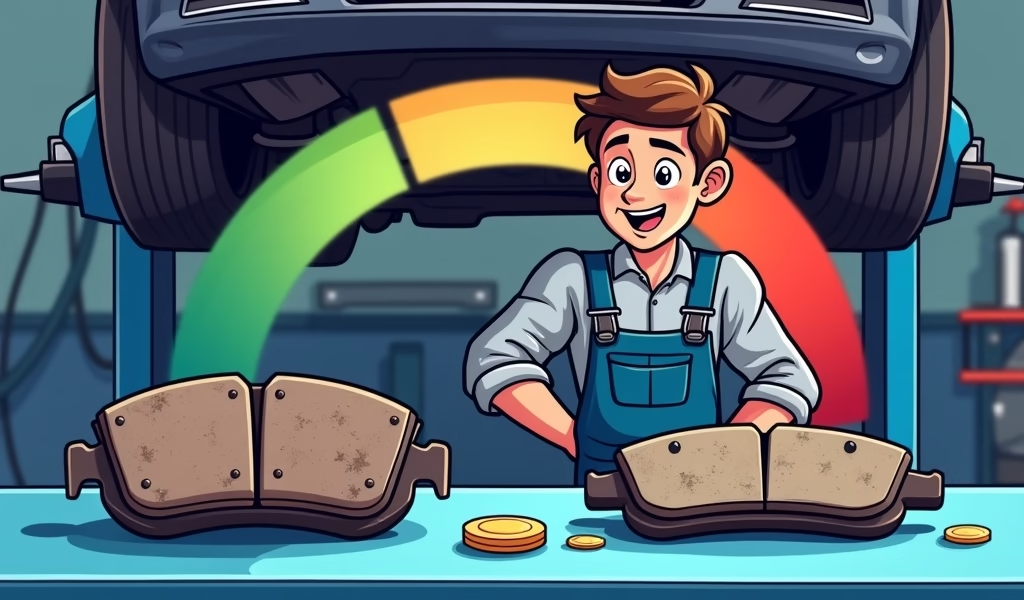
One of the most common questions I get in the shop is: “How long do brake pads last?” While I wish I could give a one-size-fits-all answer, the truth is that brake pad lifespan varies significantly based on multiple factors.
That said, most passenger vehicles will see brake pads lasting between 30,000 and 70,000 miles. That’s a wide range, I know! Some luxury vehicle owners might see as little as 25,000 miles, while some economical drivers in highway-heavy conditions might get 80,000+ miles from a quality set of pads.
According to federal safety research, brake system failures contribute to approximately 29% of all commercial vehicle crashes. This statistic highlights why understanding your brake pad lifespan isn’t just about saving money—it’s about preventing accidents.
Front brake pads typically wear faster than rear ones because they handle about 70% of the braking load in most vehicles. This is by design, as weight shifts forward during braking, giving the front brakes more work to do.
The best way to know your specific vehicle’s expected brake pad life is to consult your owner’s manual. Manufacturers provide estimated service intervals based on normal driving conditions. However, remember these are just guidelines—your actual results may vary based on your unique driving environment and habits.
Factors That Affect Your Brake Pad Lifespan
In my years working on everything from economy cars to luxury SUVs, I’ve identified several key factors that consistently impact how long brake pads last. Understanding these can help you make better predictions about your maintenance schedule and potentially extend your pad life.
Driving Habits
Your driving style is perhaps the single biggest factor affecting brake pad longevity. Aggressive drivers who accelerate quickly and brake hard can wear through pads twice as fast as smoother, more gradual drivers. Each hard stop generates significant heat and friction, essentially shaving life off your brake pads.
If you frequently drive in stop-and-go traffic, your brakes are working overtime compared to highway driving. City driving can cut your brake pad lifespan by 15-20% compared to predominantly highway use.
Vehicle Weight and Type
Physics doesn’t lie—heavier vehicles require more braking force to stop. A 5,000-pound SUV will typically wear through brake pads faster than a 3,000-pound compact car, even with identical driving habits.
Performance vehicles with powerful engines often have more aggressive braking systems designed for shorter stopping distances. These systems prioritize performance over longevity, sometimes at the expense of pad life.
Environmental Factors
Your geographic location plays a surprising role in brake pad wear. Mountainous areas require more frequent braking on downhill stretches, while flat regions allow for less brake usage.
Climate matters too. Extreme heat can accelerate pad wear by making the friction material softer, while road salt and winter chemicals can contribute to premature wear through corrosion of related brake components.
Quality of Components
As with most automotive parts, quality matters significantly. Premium brake pads from reputable manufacturers typically last longer than budget options. While you might pay 30-50% more upfront, high-quality pads often deliver better value through extended lifespan and improved performance.
This doesn’t mean you need the most expensive pads on the market—but choosing mid-range or better options from established brands usually pays dividends in longevity and safety. Regular maintenance checks can help ensure you’re getting the most from whatever pads you choose.
Warning Signs Your Brake Pads Are Wearing Out
Brake pads don’t usually fail suddenly—they give warning signs that savvy drivers can recognize. Paying attention to these signals can save you from more extensive repairs and potential safety hazards.
Audible Warnings
That high-pitched squealing when you apply the brakes isn’t just annoying—it’s intentional. Most modern brake pads include wear indicators, small metal tabs that contact the rotor when pad material gets low, creating that distinctive squeal. It’s essentially your car’s way of saying, “Hey, I need some attention here!”
If squealing progresses to a harsh grinding noise, you’ve waited too long. This metal-on-metal sound means your pads are completely worn, and the backing plate is contacting your rotors directly. Continuing to drive in this condition will damage your rotors, significantly increasing your repair costs.
Physical Feedback
Your brake pedal communicates a lot about your brake system’s health. If the pedal feels softer or must be pressed further than normal, it could indicate worn pads or other brake system issues.
Vibration or pulsation through the brake pedal often points to warped rotors, which can result from worn pads generating excessive heat. This uneven braking surface not only feels uncomfortable but reduces braking effectiveness.
Visual Indicators
Many vehicles allow you to visually inspect brake pad thickness through the wheel spokes. New pads are typically about 12mm thick, and most mechanics recommend replacement when they reach 3-4mm.
Excessive brake dust on your wheels can actually be a sign of healthy pads, while a sudden decrease might indicate the pads are worn down to the point where there’s less material to create dust. Counterintuitive, but true!
If you notice your vehicle pulling to one side during braking, this could indicate uneven pad wear or a stuck caliper. Either way, it warrants prompt inspection by a qualified mechanic to prevent more serious issues from developing.
How to Extend Your Brake Pad Life
After working on thousands of brake systems, I’ve found that simple driving adjustments and maintenance habits can significantly extend brake pad life. Here are my top recommendations for getting the most mileage from your pads:
Adjust Your Driving Technique
Adopting a more forward-thinking driving style can dramatically reduce brake wear. Look further ahead while driving to anticipate stops, allowing you to coast more and brake less aggressively. This technique, sometimes called “defensive driving,” can add thousands of miles to your pad life.
When descending long hills, use engine braking by shifting to a lower gear instead of riding your brakes. This reduces the heat buildup that accelerates pad wear and can prevent “brake fade”—the dangerous reduction in stopping power that occurs when brakes overheat.
Regular Maintenance
Have your brake fluid flushed every 2-3 years. Old fluid absorbs moisture, which lowers its boiling point and can lead to reduced braking performance and component wear.
Ensure your calipers are moving freely during regular maintenance checks. Sticky caliper slides can cause pads to drag, creating constant wear even when you’re not braking.
Consider rotating your tires regularly. While this doesn’t directly affect the brakes, proper tire maintenance ensures even wear and optimal braking performance. The National Highway Traffic Safety Administration recommends checking tire pressure monthly and rotating tires every 5,000-8,000 miles.
Quality Matters
Invest in quality brake components appropriate for your driving style and vehicle type. The cheapest option rarely provides the best value when considering longevity, performance, and safety.
When replacing pads, consider having your rotors resurfaced or replaced if they show significant wear. Fresh, smooth rotors provide optimal contact surfaces for new pads, improving both performance and lifespan.
Brake Pad Replacement: Timing and Costs
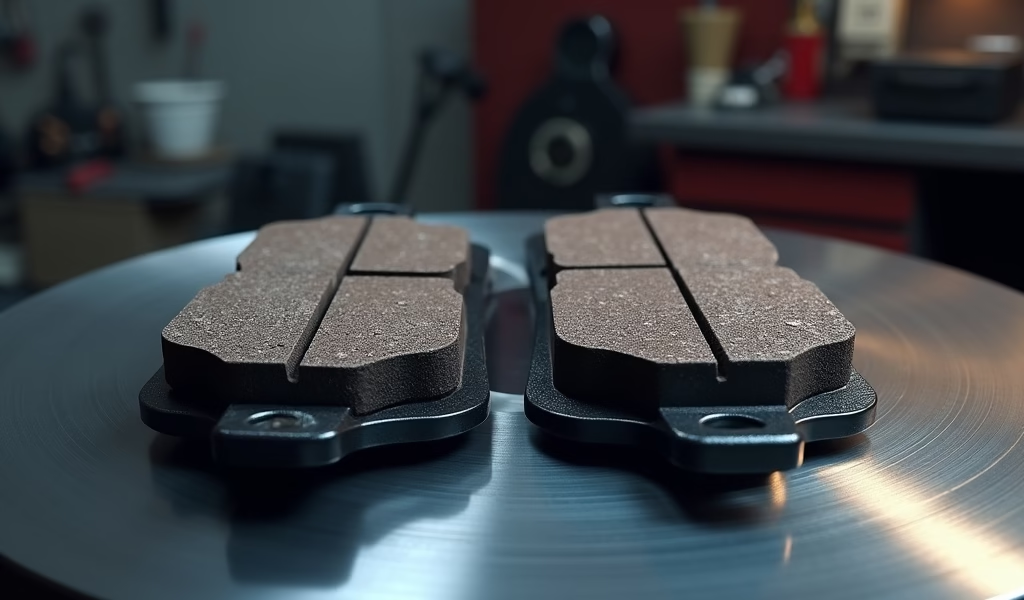
Knowing when to replace your brake pads—and what to expect financially—helps you budget appropriately and avoid unwelcome surprises. As a general rule, most vehicles should have their brake pads inspected at every oil change and replaced when they reach approximately 3-4mm thickness.
Replacement costs vary based on your vehicle make, model, and the quality of components you choose. Here’s a breakdown of what you might expect:
Parts Cost
- Economy cars: $30-$75 per axle for standard pads, $75-$125 for premium
- Midsize sedans/SUVs: $50-$100 per axle for standard pads, $100-$150 for premium
- Luxury/performance vehicles: $100-$200+ per axle for standard pads, $150-$300+ for premium
These prices reflect parts only and can vary significantly based on your location and chosen supplier.
Labor Cost
Professional brake pad replacement typically requires 1-3 hours of labor, depending on vehicle complexity. Labor rates vary geographically, with $75-$150 per hour being typical for most independent shops. Dealerships often charge 20-40% more than independent mechanics.
A basic pad replacement on a common vehicle might cost $150-$300 per axle including parts and labor. If you need rotors replaced as well, expect to add $200-$400 to that total.
While this might seem expensive, consider the alternative: letting pads wear completely through can damage rotors, calipers, and potentially lead to brake failure. The cost of complete brake system repair can easily exceed $1,000 per axle—not to mention the safety risks involved.
Many DIY enthusiasts tackle brake pad replacement themselves to save on labor costs. With basic mechanical skills and proper tools, this is a manageable job for many home mechanics.
DIY vs. Professional Brake Pad Replacement
For the mechanically inclined, brake pad replacement is one of the more approachable maintenance tasks. Here’s an honest assessment of whether you should attempt this job yourself or leave it to the professionals:
DIY Considerations
With proper tools and careful attention to detail, many drivers successfully replace their own brake pads. You’ll need a jack, jack stands, lug wrench, c-clamp or caliper tool, socket set, and brake cleaner at minimum.
The process typically involves raising the vehicle safely, removing wheels, removing the caliper, replacing the pads, compressing the caliper piston, and reassembling everything properly. The actual hands-on time might be 1-2 hours per axle for a first-timer.
DIY replacement can save you $75-$300 in labor costs, depending on your vehicle. However, mistakes can be costly and potentially dangerous, so honest assessment of your skills is essential.
When to Choose Professional Service
If your vehicle has electronic parking brakes, advanced driver assistance systems, or if you notice fluid leaks or unusual caliper behavior, professional service is strongly recommended. These scenarios require specialized tools and knowledge.
Professional service also typically includes a more comprehensive inspection of your entire brake system, potentially catching issues you might miss. Many shops also offer warranties on their work, providing peace of mind.
According to ASE-certified technicians, proper brake service includes inspection of hydraulic components and hardware, not just pad replacement. These additional checks are crucial for ensuring complete system integrity.
The best approach often depends on your mechanical comfort level, available tools, and the complexity of your specific vehicle’s brake system. When in doubt, professional service provides both safety assurance and potential long-term cost savings through proper installation.
Choosing the Right Brake Pads for Your Vehicle
With dozens of brake pad options available for most vehicles, selecting the right set can seem overwhelming. Here’s how to cut through the marketing hype and choose pads that deliver the performance you need:
OEM vs. Aftermarket
Original Equipment Manufacturer (OEM) pads match what came with your vehicle from the factory. They typically offer balanced performance characteristics that align with your vehicle’s design parameters. While often more expensive, they provide predictable performance.
Aftermarket pads offer more variety and often better value, but quality varies dramatically. Reputable brands like Akebono, Brembo, and Wagner produce excellent alternatives that sometimes outperform OEM pads in specific characteristics.
Match Pads to Your Driving Style
For normal daily driving, ceramic or semi-metallic pads from quality manufacturers provide the best balance of performance, noise control, and longevity for most drivers.
If you frequently drive in mountainous terrain or tow heavy loads, consider upgrading to performance pads with better heat resistance. These may produce more dust or noise but will provide more consistent stopping power under demanding conditions.
Performance-oriented drivers might prefer pads with higher friction coefficients for shorter stopping distances, while comfort-oriented drivers might prioritize noise and dust control over absolute stopping power.
Consider Total Cost of Ownership
The cheapest pads rarely provide the best value when considering their full lifespan. Premium pads might cost twice as much upfront but last three times longer while providing better performance—making them the better financial choice in the long run.
Some premium pads are also gentler on rotors, potentially saving you from rotor replacement in future service intervals. This “hidden” cost saving can be substantial over the life of your vehicle.
When selecting pads, look beyond the initial price tag to consider durability, rotor wear characteristics, noise levels, and performance attributes that match your specific needs and driving conditions.
Conclusion
Understanding how long brake pads last and the factors that affect their lifespan isn’t just about saving money—it’s about ensuring your safety on the road. The typical 30,000-70,000 mile lifespan can vary dramatically based on your driving habits, vehicle type, and the quality of components you choose.
By recognizing the warning signs of wear, implementing smart driving techniques, and choosing quality components, you can maximize pad life while maintaining optimal braking performance. Remember that regular inspection is your best defense against unexpected brake issues and costly repairs.
Whether you opt for DIY replacement or professional service, don’t compromise on component quality. Your brakes are your vehicle’s most important safety system, and they deserve the attention and investment appropriate to that critical role.
With proper care and timely maintenance, your brake system will provide the reliable stopping power you need, mile after mile. Your future self (and wallet) will thank you for the attention you give to this essential system today.
Frequently Asked Questions
How can I tell if my brake pads need replacement?
Listen for squealing or grinding noises when braking, and watch for the brake warning light on your dashboard. Most vehicles should have pads replaced when they reach 3-4mm thickness, which can be visually inspected through the wheel on many cars.
Do front brake pads wear faster than rear ones?
Yes, front brake pads typically wear 2-3 times faster than rear pads because they handle about 70% of the braking load. This is normal and by design, as weight shifts forward during braking.
Can driving habits really affect brake pad life that much?
Absolutely—aggressive drivers who frequently brake hard can wear pads twice as fast as those who brake gradually. Looking ahead and anticipating stops can significantly extend your brake pad lifespan.
Should I always replace rotors with pads?
Not necessarily, though it’s becoming more common practice. If your rotors meet minimum thickness specifications and don’t show significant grooving or heat damage, they can often be resurfaced rather than replaced.
Are ceramic brake pads worth the extra cost?
For many drivers, yes. Ceramic pads typically produce less dust, operate more quietly, and last longer than semi-metallic options, though they may cost 30-50% more initially.