

Overview
Turns out leather car seats are like high-maintenance celebrities—they need special treatment, not your kitchen cleaning products that’ll send them to an early grave. This article provides five expert tips for properly maintaining leather car seats, including using proper pH-balanced cleaners, thorough vacuuming before cleaning, employing gentle circular motions, regular conditioning to prevent cracking, and implementing preventative measures like UV protection to keep your leather looking showroom-fresh for years.
Table of Contents
- Understanding Leather Car Seats
- Pro Tip #1: Gather the Right Tools and Products
- Pro Tip #2: Proper Vacuuming and Preparation
- Pro Tip #3: Cleaning Technique Matters
- Pro Tip #4: Conditioning Is Essential
- Pro Tip #5: Preventative Maintenance
- Conclusion
- Frequently Asked Questions
Leather car seats are the crown jewels of any vehicle interior. They elevate the driving experience with their luxurious feel and timeless appeal. But like any premium material, they require proper care to maintain their beauty. After 25 years of working with vehicles of all makes and models, I’ve seen countless leather interiors go from supple and inviting to cracked and faded simply due to improper maintenance.
The good news? Cleaning and maintaining leather seats isn’t rocket science. With the right approach, products, and a little regular attention, you can keep your leather interior looking showroom-fresh for years to come. This guide will walk you through my professional tips for cleaning leather car seats properly, helping you avoid common mistakes that can damage this premium material.
Whether you’re dealing with routine dirt buildup, mysterious stains from your morning coffee, or simply want to maintain that new car feel, these five essential pro tips will transform how you care for your leather interior. Let’s dive in and give your car’s leather the treatment it deserves.
Understanding Leather Car Seats
Before grabbing your cleaning supplies, it’s crucial to understand what you’re working with. Not all “leather” in cars is created equal, and knowing your specific type will guide your cleaning approach.
Most modern vehicles feature one of four leather types:
- Full-grain leather: The highest quality and most natural option, showing all the hide’s natural characteristics
- Top-grain leather: Slightly processed to remove imperfections while maintaining durability
- Corrected-grain leather: Sanded and treated with artificial grain patterns and protective coatings
- Bonded or synthetic leather: Either reconstituted leather scraps or entirely synthetic materials that mimic leather’s appearance
You can usually determine your seat type by checking your vehicle’s manual or looking for a small tag on the seats themselves. Luxury vehicles typically use higher-grade leather, while more affordable models often feature corrected-grain or synthetic options.
The cleaning approach varies slightly for each type. Full and top-grain leathers require gentler care with specialized products, while corrected-grain and synthetic leathers can withstand slightly more aggressive cleaning. When in doubt, always err on the side of gentleness – you can’t undo damage once it’s done.
Leather seats face three main enemies: UV exposure, body oils, and dirt particles. UV rays break down leather fibers and fade color over time. Body oils and perspiration can seep into the material and cause premature aging. Meanwhile, dirt particles work like sandpaper when you slide across the seat, gradually wearing away the surface.
Regular cleaning isn’t just about aesthetics – it’s preventative maintenance that significantly extends your leather’s lifespan. Now, let’s look at what tools you’ll need to do the job right.
Pro Tip #1: Gather the Right Tools and Products
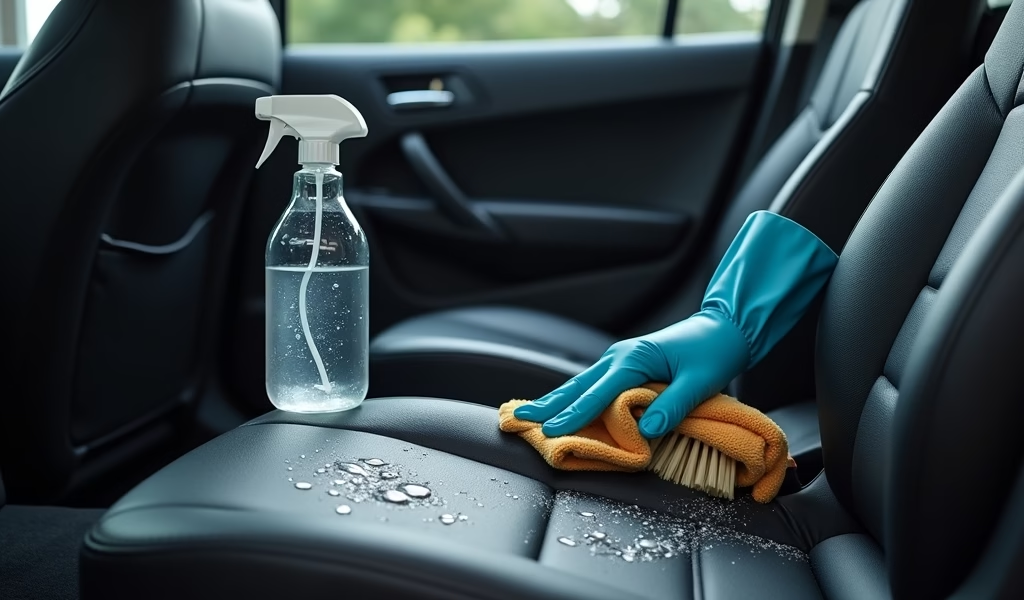
Using the wrong products on leather is like washing your face with dish soap – you might get it clean, but you’ll regret it later. After seeing countless leather interiors ruined by household cleaners, I can’t stress enough how important specialized products are.
Here’s what you’ll need for proper leather care:
- Vacuum with soft brush attachment
- Microfiber cloths (at least 3-4)
- pH-balanced leather cleaner
- Leather conditioner
- Soft bristle detailing brushes for seams and perforations
- Spray bottle with distilled water
Quality matters when it comes to leather-specific products. Look for pH-balanced cleaners that won’t disrupt leather’s natural chemistry. Avoid anything with alcohol, ammonia, bleach, or petroleum distillates – these harsh chemicals strip away the leather’s natural oils and protective coatings.
I’ve tested dozens of products over my career, and I’ve found that Leatherique and Lexol consistently deliver excellent results without breaking the bank. For luxury vehicle owners, manufacturer-recommended products are worth the premium price as they’re specifically formulated for your exact leather type.
What you absolutely must avoid:
- All-purpose household cleaners
- Dish soap or laundry detergent
- Furniture polish or oils
- Magic erasers or abrasive sponges
- Silicone-based products (they create buildup over time)
I once had a client who cleaned their Mercedes leather with kitchen degreaser. The seats looked great for about a week – then began cracking and peeling. By the time they came to me, they were looking at a $3,000 reupholstery job. Trust me, the $20 for proper leather cleaner is worth it.
With your supplies gathered, it’s time to prepare those seats for a proper cleaning.
Pro Tip #2: Proper Vacuuming and Preparation
The most common mistake I see is people jumping straight to wet cleaning without proper preparation. This just pushes dirt around or worse, grinds it into the leather. A thorough pre-cleaning process makes all the difference.
Start with a comprehensive vacuum of the entire seat. Use a soft brush attachment to avoid scratching the leather surface. Pay special attention to seams, piping, and the crevices where the seat back meets the bottom cushion – these areas are dirt magnets.
For perforated leather seats (those with tiny breathing holes), vacuuming is even more critical. Those perforations collect dust and debris that can work its way deep into the seat’s padding. Hold the vacuum nozzle slightly above the surface rather than pressing down, which can damage the perforations.
After vacuuming, inspect the seats for any remaining surface debris. A lightly dampened microfiber cloth can pick up dust the vacuum missed. Gently wipe in one direction rather than back and forth, which can push dirt particles deeper into the grain.
Before applying any products, perform a spot test in an inconspicuous area – perhaps under the seat or in a corner rarely seen. Apply a small amount of your leather cleaner, wait a few minutes, and check for any adverse reactions like discoloration or texture changes.
Temperature matters when cleaning leather. Aim for moderate conditions – not too hot or cold. Extreme heat can cause cleaning products to dry too quickly and cold can prevent them from working effectively. If possible, park your vehicle in a shaded area before beginning the cleaning process.
With proper preparation complete, we’re ready to move on to the actual cleaning technique.
Pro Tip #3: Cleaning Technique Matters
After decades in automotive care, I can tell you that technique is just as important as the products you use. The right approach protects your leather while still getting it thoroughly clean.
Start by applying a small amount of leather cleaner to a damp microfiber cloth – never directly onto the seat. Work in small sections of approximately one square foot at a time. This prevents the cleaner from drying out before you can properly work with it.
Use gentle, circular motions with light to moderate pressure. Think of it as persuading the dirt to lift away rather than scrubbing it out. Aggressive scrubbing can damage the leather’s protective coating and drive dirt deeper into the grain.
For stubborn stains, patience trumps pressure. Gently work the cleaner into the stain with repeated light applications rather than one aggressive scrub. Let the cleaner do the work by giving it a minute to penetrate before wiping away.
Different stains require different approaches:
- Water-based stains (coffee, soda): Blot immediately with a clean, dry cloth, then clean normally
- Oil-based stains (food grease, makeup): Apply a small amount of cornstarch or talcum powder to absorb the oil before cleaning
- Ink marks: These are tricky – use specialized leather ink removers and avoid alcohol-based products
- Dye transfer (from clothing): Multiple gentle applications of leather cleaner rather than one aggressive attempt
For perforated leather, use minimal moisture and avoid saturating the surface. Excess liquid can seep through the perforations and cause problems ranging from odors to mold growth in the padding below. A slightly damp cloth with cleaner is sufficient – if you see liquid pooling, you’re using too much.
After cleaning each section, immediately wipe away any excess cleaner with a clean, slightly damp microfiber cloth. Follow with a dry cloth to ensure no cleaner residue remains. Any residue left behind can attract more dirt and potentially damage the leather over time.
Allow the seats to air dry completely before moving to the next step. Good leather cleaning techniques require patience – rushing through this process can undo all your good work.
Pro Tip #4: Conditioning Is Essential
If I could convince car owners to add just one step to their maintenance routine, it would be regular leather conditioning. It’s the single most effective way to prevent premature aging and extend your leather’s life.
Leather isn’t just a material – it’s processed animal hide that contains natural oils. Cleaning, even with the gentlest products, removes some of these oils. Environmental factors like heat and UV exposure accelerate oil loss. Without replenishment through conditioning, leather becomes dry, brittle, and prone to cracking.
Wait until your seats are completely dry from cleaning before applying conditioner. Like with cleaning, apply the product to a microfiber cloth rather than directly to the leather. Work in small sections using gentle, circular motions, ensuring even distribution.
The “less is more” principle applies strongly to conditioning. A thin, even application is far more effective than a heavy coat that can leave seats greasy or change the leather’s appearance. You should barely see the conditioner on the surface.
Pay special attention to high-wear areas that see the most friction:
- Driver’s seat bolsters (where you slide in and out)
- Center of the seat cushion
- Headrests
- Armrests and center consoles
After applying conditioner, allow it to penetrate for the time specified on the product label (usually 10-30 minutes). Then gently buff away any excess with a clean, dry microfiber cloth. The leather should feel supple but never greasy or slick to the touch.
How often should you condition? It depends on your climate, driving habits, and leather type. As a general rule, quarterly conditioning works well for most vehicles. However, if you park outside in sunny climates or have a lighter-colored interior, increase to every 6-8 weeks. In contrast, garage-kept vehicles in moderate climates might only need conditioning twice a year.
For the best results, use conditioners specifically designed for automotive leather. Research shows that automotive-specific conditioners outperform general leather products because they account for the unique environment inside vehicles, where temperatures can fluctuate dramatically.
Pro Tip #5: Preventative Maintenance

In my years of experience, I’ve found that the vehicles with the best-looking interiors aren’t necessarily the newest – they’re the ones that receive consistent preventative care. An ounce of prevention truly is worth a pound of cure when it comes to leather maintenance.
Establish a regular leather care schedule based on how you use your vehicle:
- Weekly: Quick wipe-down with a clean microfiber cloth
- Monthly: Light cleaning to remove surface dirt and oils
- Quarterly: Deep cleaning followed by conditioning
The sun is leather’s worst enemy. UV radiation breaks down leather fibers and fades colors over time. Consider these protective measures:
- Park in shaded areas or garages whenever possible
- Use window tint that blocks UV rays (within legal limits for your area)
- Install sunshades when parked for extended periods
- Apply a UV protectant designed for automotive leather
For vehicles regularly exposed to harsh sun, detail your leather more frequently. The investment in time will pay dividends in preserving your interior’s appearance and value.
Be proactive about spills and accidents. Keep a small “leather emergency kit” in your vehicle with a microfiber cloth and travel-size leather cleaner. Address spills immediately by blotting (never rubbing) the area with a clean cloth to absorb as much liquid as possible before it penetrates the leather.
Consider using seat covers in situations where your leather might face excessive wear or dirt exposure, such as during outdoor adventures or when transporting pets. These temporary protective measures can prevent damage that would require intensive cleaning later.
For families with children, I recommend keeping wet wipes designed for leather in your car. They’re perfect for quickly addressing sticky fingerprints or small food spills before they set into the material. Just ensure they’re specifically formulated for leather use.
Remember that prevention extends to what you wear as well. Certain clothing items can damage leather over time:
- Jeans with decorative rivets or rough seams can scratch leather surfaces
- New dark denim can transfer dye, especially to lighter-colored leather
- Keys or tools in back pockets can create punctures or abrasions
A little mindfulness goes a long way in maintaining your leather’s pristine condition.
Conclusion
Properly maintained leather seats aren’t just a luxury – they’re an investment in your vehicle’s value and your driving experience. By following these five professional tips, you’ll preserve your leather’s beauty and extend its lifespan significantly.
Remember that leather care is cumulative – consistent maintenance prevents problems much more effectively than occasional deep cleaning can fix them. Make leather care a regular part of your vehicle maintenance routine, just like oil changes or tire rotations.
The key takeaways from my decades of experience working with automotive leather are simple: use the right products, clean gently and thoroughly, condition regularly, and take preventative measures against damage. This approach works whether you’re maintaining a luxury vehicle or preserving the leather in your family SUV.
Clean, well-maintained leather seats enhance not just your car’s appearance but the entire driving experience. There’s something genuinely satisfying about sliding into supple, clean leather seats that still have that subtle, premium leather scent even years after purchase.
Your vehicle takes care of you on every journey – returning the favor with some leather TLC is only fair. And with the knowledge you’ve gained from this guide, you now have the tools to keep your leather interior looking showroom-fresh for years to come.
Frequently Asked Questions
How often should I clean my leather car seats?
Clean leather car seats monthly for normal use, with more frequent cleaning for vehicles with high use or exposure to dirt. Increase to bi-weekly cleaning if you have children, pets, or frequently eat in your car.
Can I use baby wipes to clean leather seats?
Standard baby wipes often contain oils and chemicals that can damage leather over time. Use only wipes specifically designed for leather surfaces that are pH-balanced and alcohol-free.
How do I remove ink stains from leather seats?
Blot (don’t rub) the ink stain with a leather-specific cleaner applied to a microfiber cloth. For stubborn ink stains, you may need a specialized leather ink remover, but avoid alcohol-based products which can damage the leather.
Why are my leather seats cracking despite regular cleaning?
Cracking usually occurs from lack of conditioning, not cleaning. Leather needs regular conditioning to replace natural oils that prevent drying and cracking, especially in hot or dry climates.
Is it worth paying for professional leather cleaning?
Professional cleaning is worth considering annually for high-end vehicles or when dealing with stubborn stains or significant wear. Professionals have specialized tools and products that can address issues beyond routine maintenance.