

Overview
This article is the leather seat whisperer’s ultimate playbook—offering seven cleaning methods from the humble soap-and-water to the mighty rubbing alcohol ink-slayer, with crucial advice on what not to do unless you want your luxury seats to resemble ancient reptile skin. The key takeaway is that leather car seat maintenance requires gentle, consistent care including regular cleaning, prompt stain treatment, and quarterly conditioning to maintain their appearance and extend their lifespan.
Table of Contents
- Understanding Leather Car Seats
- Before You Begin: Precautions and Preparation
- Method 1: Mild Soap and Water Solution
- Method 2: Vinegar-Based Cleaner
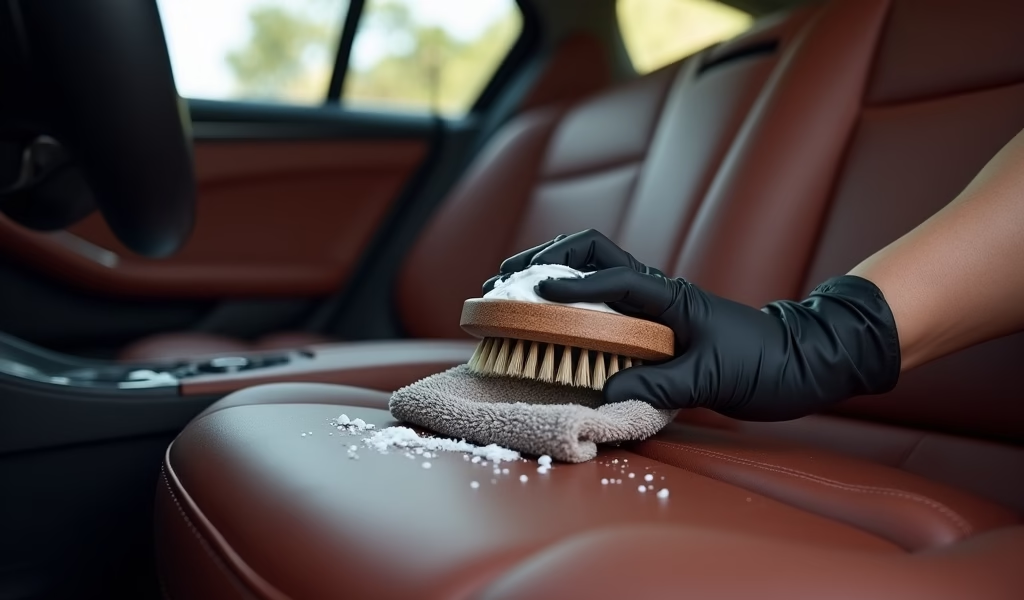
- Method 3: Baking Soda for Stubborn Stains
- Method 4: Leather-Specific Cleaners
- Method 5: Olive Oil and Lemon Juice
- Method 6: Rubbing Alcohol for Ink Stains
- Method 7: Conditioning After Cleaning
- Regular Maintenance Tips
- What to Avoid When Cleaning Leather Seats
- Conclusion
- Frequently Asked Questions
Understanding Leather Car Seats
When it comes to how can I clean leather car seats, understanding what you’re working with makes all the difference. Leather seats aren’t just a luxury feature—they’re an investment in your vehicle’s comfort and resale value. As a mechanic who’s restored countless interiors, I’ve seen how proper care transforms worn, stained leather into supple, inviting seating that looks (and smells) factory-fresh.
Leather is essentially treated animal hide, which means it’s both durable and somewhat delicate. It can withstand years of use, but it’s also porous and susceptible to drying, cracking, and staining without proper maintenance. The good news? Most leather seat issues can be addressed with materials you likely have around your home.
Before diving into specific cleaning methods, it’s worth noting that not all “leather” seats are created equal. Many modern vehicles feature leather-vinyl combinations or entirely synthetic leather alternatives. These materials still benefit from proper leather care techniques, though they’re typically more forgiving of cleaning mistakes than genuine leather. When in doubt, check your owner’s manual for specific recommendations on car interior cleaning tips for your model.
Before You Begin: Precautions and Preparation
Successful leather cleaning starts with proper preparation. First, park your vehicle in a shaded area—direct sunlight can cause cleaning solutions to dry too quickly, leaving residue behind. Ideally, work on a mild day when you can leave the doors open for ventilation.
Begin by thoroughly vacuuming the seats to remove loose debris. Use crevice tools to get between seams, where crumbs and dirt love to hide. This step is crucial—those tiny particles can act like sandpaper against your leather during the cleaning process.
Next, perform a spot test. Whatever cleaning method you choose, always test it on an inconspicuous area first—perhaps under the seat or in a corner. This precaution ensures your cleaner won’t discolor or damage the leather. Wait 5-10 minutes after your test to check for any adverse reactions.
Gather your supplies in advance. You’ll need:
- Microfiber cloths (several—they’re gentler than regular towels)
- Small bucket or spray bottle
- Soft-bristled brushes (an old toothbrush works well for seams)
- Your chosen cleaning solution
- Leather conditioner (for after cleaning)
Remember that less is more when dealing with leather. Use minimal moisture and gentle pressure. Now, let’s explore seven proven DIY methods that have consistently delivered excellent results in my decades of automotive work.
Method 1: Mild Soap and Water Solution
The gentle soap and water method is my go-to starting point for how can I clean leather car seats that aren’t heavily soiled. It’s effective, economical, and least likely to damage your leather—making it perfect for regular maintenance cleaning.
Begin by mixing a simple solution: combine a teaspoon of mild dish soap or Castile soap with two cups of warm (not hot) water. Castile soap works exceptionally well as it’s plant-based and gentle on leather fibers. The soap breaks down oils and light grime without stripping away the leather’s natural oils completely.
Dip a microfiber cloth into the solution and wring it out thoroughly until it’s just slightly damp—never saturated. Working in small sections of about 2 square feet at a time, gently wipe the leather using circular motions. For textured leather, you might need a soft-bristled brush to work the solution into the grain.
After cleaning each section, follow immediately with a second clean, damp microfiber cloth to remove soap residue. Then, dry the area with a third dry cloth. This three-step process—clean, rinse, dry—prevents soap buildup that could eventually damage your leather.
Pay special attention to high-contact areas like headrests and the sides of seats where oils from hair and skin tend to accumulate. These spots often require slightly more attention, but resist the urge to scrub harder—instead, repeat the gentle cleaning process twice if needed.
Method 2: Vinegar-Based Cleaner
When seats have moderate soiling or slight discoloration, a vinegar solution often works wonders. White vinegar’s mild acidity makes it effective against built-up grime while being gentle enough for leather care.
Create your solution by mixing equal parts white vinegar and water in a spray bottle—typically ½ cup of each is sufficient. For a pleasant scent that helps neutralize the vinegar smell, add 5-10 drops of lemon or orange essential oil. The citrus oils also have mild cleansing properties that complement the vinegar.
Lightly mist the solution onto a microfiber cloth—never spray directly onto your leather. Working methodically across the seat, wipe gently in circular motions. The vinegar solution cuts through body oils and mild stains while maintaining the leather’s pH balance.
For areas with more pronounced soiling, let the solution sit on your cloth-covered thumb for 30 seconds before wiping. This gives the vinegar time to break down the soil without oversaturating the leather. Always follow with a clean, damp cloth to remove residual vinegar, then dry thoroughly.
The beauty of this method lies in its versatility—it works on most leather types and even helps restore some color evenness to seats with light sun fading. However, if your leather has a specialized finish, consult your vehicle manufacturer’s recommendations before proceeding with acidic cleaners.
Method 3: Baking Soda for Stubborn Stains
Baking soda is my secret weapon against stubborn stains and odors in leather car seats. Its mild abrasiveness and absorptive properties make it particularly effective on grease spots, food spills, and persistent odors that other methods can’t quite tackle.
For fresh stains, especially oily ones, immediately sprinkle baking soda directly onto the affected area. Let it sit undisturbed for at least 3-4 hours—overnight is even better. The powder works by drawing oils and moisture upward out of the leather. Once the waiting period is over, vacuum the powder away using an upholstery attachment.
For set-in stains, create a paste by mixing baking soda with just enough water to form a spreadable consistency. Apply this paste to the stain using a soft cloth, gently working it in with circular motions. Allow it to dry completely until it forms a powder again, then vacuum thoroughly.
One of my favorite applications is for leather seats that have absorbed food or smoke odors. A liberal sprinkling of baking soda over the entire seat, left overnight and thoroughly vacuumed the next day, can dramatically freshen even the most aromatic interiors.
After using baking soda treatments, the leather might feel slightly dry. This is normal and easily remedied with conditioning, which we’ll cover in Method 7. When used properly, this method provides a deeper clean than soap or vinegar alone can achieve, especially for problematic spots.
Method 4: Leather-Specific Cleaners
While homemade solutions work well for regular maintenance, sometimes investing in a quality leather-specific cleaner makes sense—especially for heavily soiled or neglected leather. These specialized products are formulated with precise pH balances and cleaning agents designed specifically for automotive leather.
When selecting a commercial leather cleaner, look for pH-balanced formulations without alcohol, bleach, or ammonia. Products from reputable brands like Lexol, Chemical Guys, or Leather Honey have consistently performed well in my experience. The best products will clean effectively without stripping the leather’s protective finish or natural oils.
Application is straightforward but requires attention to detail. Apply the cleaner to a microfiber cloth rather than directly to the leather. Work in small sections, using gentle circular motions. Many commercial cleaners foam slightly as they lift dirt—this is normal and helps you track which areas you’ve already cleaned.
Most importantly, follow the product’s specific instructions regarding dwell time (how long to let the cleaner work) and whether rinsing is required. Some formulations are “one-step” products that clean and condition simultaneously, while others require separate conditioning afterward for best results.
For particularly stubborn situations, like dealing with years of neglect during a car detailing step by step restoration, professional-grade cleaners may include gentle solvents that break down embedded grime more effectively than DIY options. Just remember that stronger isn’t always better—always choose the gentlest effective solution for your specific situation.
Method 5: Olive Oil and Lemon Juice
This old-school method has been passed down through generations of automotive enthusiasts, and with good reason. The combination of olive oil and lemon juice creates a natural cleaning and conditioning treatment that’s particularly effective on aged or slightly dried leather.
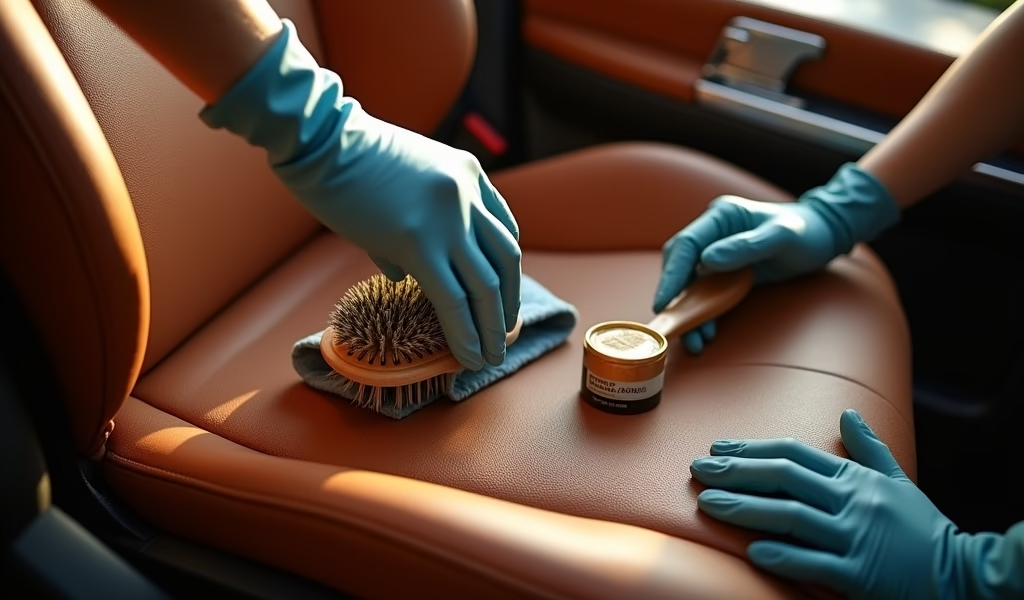
Mix one part lemon juice with two parts olive oil in a small bowl. The acidity of the lemon juice helps break down dirt and grime, while the olive oil moisturizes and conditions the leather fibers. Fresh lemon juice works best, but bottled will suffice in a pinch.
Apply this mixture sparingly to a soft cloth and work it into the leather using gentle circular motions. The natural oils penetrate the leather’s pores, while the citric acid lifts embedded dirt. You’ll likely notice the leather becoming more supple almost immediately as the formula is worked in.
After application, allow the mixture to sit for about 10 minutes to penetrate, then buff away any excess with a clean, dry microfiber cloth. Be thorough with the buffing step—any residual oil could attract dust or transfer to clothing.
This method is particularly excellent for leather that has begun to show signs of drying or minor cracking. However, it’s important to note that this solution is best for genuine leather rather than synthetic or coated leathers, which might not absorb the oils properly. For modern vehicles with treated leather, consider a spot test in an inconspicuous area before treating entire seats.
Method 6: Rubbing Alcohol for Ink Stains
Ink stains rank among the most dreaded leather emergencies—they’re concentrated, highly pigmented, and seem to happen at the worst possible times. Fortunately, rubbing alcohol (isopropyl alcohol) can be remarkably effective when used properly, especially when addressing how can I clean leather car seats with ink marks.
For this targeted treatment, you’ll need 90% isopropyl alcohol, cotton balls or Q-tips, and plenty of patience. Begin by dabbing—never rubbing—a small amount of alcohol onto the ink stain. The alcohol works by dissolving the ink pigments so they can be lifted away from the leather.
Work from the outside edges of the stain inward to prevent spreading the ink further. After each dab, use a clean section of your applicator to avoid redepositing the ink. This process requires patience; rushing could spread the stain or damage the leather’s finish.
Once the ink begins to lift, switch to a slightly damp microfiber cloth to gently remove the dissolved ink. Continue alternating between alcohol application and gentle wiping until the stain is gone or no longer improving.
This method comes with an important caution: alcohol can dry and potentially damage leather if overused. Immediately after successfully removing the ink, neutralize any remaining alcohol with a leather conditioner. This step is non-negotiable—it restores moisture to the leather and prevents drying or cracking that might otherwise occur.
For particularly stubborn or large ink stains, consider consulting professional auto detailing specialists who have access to commercial-grade solvents and the expertise to use them safely.
Method 7: Conditioning After Cleaning
Conditioning isn’t just an optional final step—it’s essential to the long-term health of your leather seats. Every cleaning method, no matter how gentle, removes some of the natural oils that keep leather supple and resistant to cracking. Proper conditioning replaces these oils and creates a protective barrier against future damage.
Select a quality leather conditioner appropriate for automotive use. Look for products containing natural oils like lanolin or beeswax rather than petroleum derivatives, which can eventually degrade leather fibers. Brands like Chamberlain’s Leather Milk and Leather Honey offer excellent options that nourish deep into the leather.
Apply a small amount of conditioner to a clean microfiber cloth and work it into the leather using circular motions. Less is more—start with a small amount and add more if needed. Proper conditioning should leave the leather feeling soft and natural, not greasy or slick.
Pay special attention to areas that see the most wear—seat bolsters, headrests, and entry points where you slide across the seat. These high-friction zones benefit most from conditioning’s protective properties.
Allow the conditioner to penetrate for the time recommended on the product (typically 1-3 hours), then buff away any excess with a clean cloth. For best results, condition your seats every three months, or more frequently in extremely hot or dry climates where leather tends to lose moisture more rapidly.
Remember that conditioning is crucial for car maintenance for beginners and experienced owners alike—it’s the difference between leather that lasts for decades and leather that deteriorates prematurely.
Regular Maintenance Tips
The secret to keeping leather seats looking their best isn’t in aggressive cleaning—it’s in consistent preventative care. Establishing a regular maintenance routine dramatically reduces the need for deep cleaning and extends your seats’ lifespan.
Start by incorporating weekly quick-cleans into your routine. A simple wipe-down with a slightly damp microfiber cloth removes surface dust and prevents it from grinding into the leather’s grain. This five-minute task pays enormous dividends in the long run.
Consider using seat covers during extreme conditions. If you’re heading to the beach or going on a dusty trail ride, temporary seat covers can prevent unnecessary exposure to sand, sweat, and debris. Similarly, in scorching summer months, UV-protective covers or window tinting can prevent the sun damage that leads to fading and cracking.
Address spills immediately. Keep a small emergency cleaning kit in your glove compartment containing microfiber cloths and travel-sized leather wipes. The faster you respond to spills, the less likely they are to become set-in stains.
Finally, vacuum your car interior regularly. Dust and small debris can work their way into leather seams over time, creating abrasion points that accelerate wear. A quick vacuum session every two weeks prevents this gradual damage and keeps your interior fresh.
What to Avoid When Cleaning Leather Seats
In my years working with automotive interiors, I’ve seen well-intentioned cleaning attempts cause more harm than good. Certain products and techniques can irreversibly damage leather, so it’s crucial to know what to avoid when addressing how can I clean leather car seats.
Never use household cleaners containing bleach, ammonia, or other harsh chemicals. These can strip away the leather’s protective finish and natural oils, leading to discoloration, drying, and eventually cracking. Even products labeled “multi-surface” often contain ingredients too aggressive for delicate leather.
Avoid excessive moisture at all costs. Leather is skin—it absorbs liquid, which can lead to stretching, warping, and even mold growth in extreme cases. Never saturate leather seats or use steam cleaners, which can force moisture deep into seams and padding where it can’t properly dry.
Steer clear of petroleum-based products like Vaseline or motor oil, which some internet tips mistakenly recommend. While these might provide a temporary shine, they break down leather fibers over time and attract dust. Similarly, avoid silicone-based products that can create a slick surface and prevent the leather from breathing.
Finally, resist the temptation to use magic erasers or abrasive tools. The microscopic abrasives in these products can actually remove the leather’s protective coating and color dyes, resulting in patchy discoloration that’s nearly impossible to correct.
When in doubt about a product or technique, consult your vehicle’s manual or a professional detailer. The few minutes spent researching could save you from costly leather restoration or replacement down the road.
Conclusion
Knowing how can I clean leather car seats properly is more than just an aesthetic concern—it’s an investment in your vehicle’s long-term value and your personal comfort. The seven methods we’ve explored cover solutions for everything from routine maintenance to emergency stain removal, providing you with a comprehensive toolkit for leather care.
Remember that the key to beautiful leather isn’t found in aggressive, infrequent deep cleaning, but rather in gentle, consistent care. By incorporating regular dusting, prompt stain treatment, and quarterly conditioning into your vehicle maintenance routine, you’ll preserve that supple, rich leather feel that makes your drives so enjoyable.
Each of the DIY methods described has its place in your leather care arsenal. Start with the mildest effective treatment—often the soap and water method—before progressing to more targeted solutions for specific issues. And always, always follow cleaning with proper conditioning to restore moisture and protection.
With these techniques in your toolkit, you can maintain that showroom-fresh leather look and feel for years to come, enhancing both your driving experience and your vehicle’s resale value. Your leather seats aren’t just a luxury feature—they’re a canvas that tells the story of how well you’ve cared for your vehicle. With proper maintenance, that story can have a very happy ending.
Frequently Asked Questions
How often should I clean leather car seats?
Light cleaning should be done monthly with a gentle wipe-down, while deep cleaning can be performed quarterly. Adjust this schedule based on usage—vehicles that see daily use or transport children may require more frequent attention.
Can I use baby wipes on leather car seats?
Most baby wipes contain oils and alcohol that can damage leather over time. Instead, use proper leather wipes or a damp microfiber cloth for quick cleanups.
How do I remove water stains from leather seats?
Apply a small amount of distilled water to the entire panel containing the stain, then dry immediately with a microfiber cloth. This evens out the moisture and prevents ring formation.
Is it safe to use coconut oil to condition leather seats?
While coconut oil provides temporary softening, it can turn rancid over time and attract dirt. Commercial leather conditioners are specially formulated to avoid these issues.
How can I prevent leather seats from cracking?
Regularly condition seats every 2-3 months, avoid direct sunlight exposure by using window shades, and maintain interior humidity levels. Never allow leather to become excessively dry.