
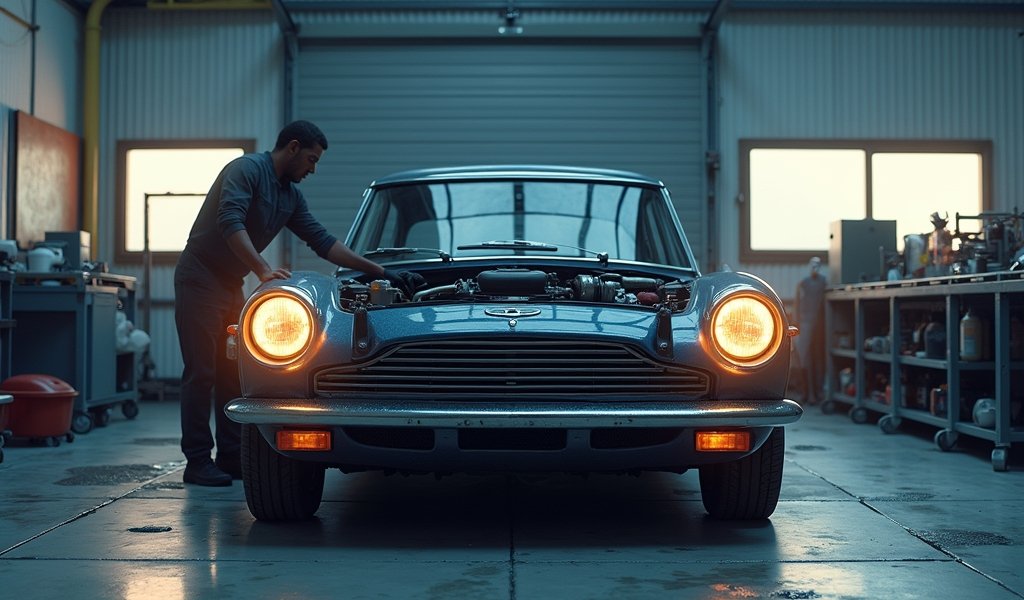
Overview
The article provides detailed maintenance strategies for vehicles over 100,000 miles, emphasizing that modern cars can reliably exceed 200,000 miles with proper care. Key recommendations include using high-mileage specific fluids, implementing regular inspection routines, adopting gentle driving habits, monitoring critical components like timing belts and suspension systems, and making informed repair-versus-replace decisions when major issues arise.
Table of Contents
- Understanding High Mileage Vehicles
- Essential Fluid Changes for Longevity
- Critical Components to Monitor
- Preventive Maintenance Strategies
- Creating Your Inspection Routine
- Driving Habits That Add Miles
- When to Repair vs. Replace
- Conclusion
- Frequently Asked Questions
When your odometer crosses that 100,000-mile mark, your vehicle enters what many consider “high mileage” territory. But here’s something I’ve learned after 25 years under the hood: with proper high mileage car maintenance tips, today’s vehicles can reliably cruise well past 200,000 miles. I’ve seen countless cars and trucks thrive in their golden years when owners commit to the right care strategy. The secret isn’t particularly complex—it’s consistency and attention to detail that make all the difference.
Think of your high-mileage vehicle like an experienced athlete. It’s not about age; it’s about how well it’s been maintained and how you treat it going forward. With the right approach, you can potentially add years of reliable service while avoiding those budget-busting repair bills that make you question your vehicle’s worth.
Let’s dive into proven techniques that will help extend your vehicle’s life and keep it running smoothly long after the warranty expires. These aren’t just theories—they’re field-tested methods I’ve used throughout my career to help drivers maximize their investment.
Understanding High Mileage Vehicles
Every vehicle tells its own story after 100,000 miles. Some run like they just rolled off the assembly line, while others show their age with every turn of the key. This difference often comes down to three key factors: maintenance history, driving conditions, and initial build quality.
If you’ve owned your vehicle since it was new, you have the advantage of knowing its complete maintenance history. For those who purchased used high-mileage vehicles, try gathering whatever maintenance documentation you can. This history provides valuable clues about what components might need attention soon.
By the 100,000-mile milestone, several systems typically begin showing their age:
- Engine gaskets and seals often develop minor leaks
- Suspension components show wear, especially in areas with rough roads
- Rubber hoses and belts become less flexible and more prone to cracking
- Electrical components might become less reliable
- Transmission may develop subtle shifting issues
While these issues sound concerning, they’re perfectly normal and addressable. Modern vehicles are engineered to last far longer than their predecessors. In fact, Consumer Reports research shows that with proper maintenance, many of today’s vehicles can reliably exceed 200,000 miles.
The key takeaway? While all vehicles eventually wear out, diligent maintenance becomes exponentially more important after 100,000 miles. Regular attention to your vehicle’s needs can dramatically extend its useful life—often by 50,000 to 100,000 additional miles or more. This is where extending your car’s lifespan becomes not just possible, but practical.

Essential Fluid Changes for Longevity
If your high-mileage vehicle has a circulatory system, it’s the various fluids flowing through it. Nothing will extend your vehicle’s life more effectively than meticulous attention to fluid maintenance. Here’s what you need to know about each critical fluid:
Engine Oil: Your Engine’s Lifeblood
For engines with 100,000+ miles, standard oil change intervals often aren’t enough. I recommend these enhanced practices:
- Switch to high-mileage specific motor oil containing seal conditioners and additives designed for older engines
- Change oil every 3,000-5,000 miles, erring on the more frequent side
- Check oil levels weekly, as older engines typically consume or leak more oil
- Consider synthetic oil if you haven’t already made the switch (after consulting with your mechanic)
I’ve seen engines hit 300,000 miles with minimal internal wear when owners followed these guidelines. Oil truly is your engine’s best friend at high mileage.
Transmission Fluid: Proceed with Caution
Transmission fluid changes for high-mileage vehicles require careful consideration:
- If the fluid has been regularly changed throughout the vehicle’s life, continue the practice
- If the transmission has never had a fluid change, consult with a transmission specialist before proceeding
- Consider a transmission fluid flush and filter change if recommended by your mechanic
Here’s why this matters: In transmissions that have never had service, the old fluid may actually be holding worn friction material in suspension. A complete fluid change could wash away this material and unmask shifting problems. This doesn’t mean you should avoid transmission service—just approach it with professional guidance.
Cooling System: Preventing Catastrophic Overheating
Your cooling system becomes increasingly vulnerable with age and requires proactive care:
- Replace coolant every 2 years or 30,000 miles
- Pressure test the cooling system annually to check for potential leaks
- Inspect hoses and clamps for signs of deterioration
- Consider a cooling system flush to remove built-up deposits
In my experience, cooling system failures cause more catastrophic engine damage than almost any other maintenance oversight. Don’t gamble with this system—the stakes are too high.
Other Critical Fluids
These additional vital fluids deserve your attention too:
- Brake fluid: Replace every 2 years regardless of mileage to prevent moisture contamination
- Power steering fluid: Check monthly and replace if dark or has a burnt smell
- Differential and transfer case fluids: Often overlooked but critical for drivetrain longevity
Establishing a maintenance schedule by mileage for these fluid services will keep your vehicle running smoothly and help prevent costly repairs down the road.
Critical Components to Monitor
Beyond fluids, several mechanical components require vigilant attention in high-mileage vehicles. These are the parts that, when neglected, often lead to those dreaded roadside breakdowns or expensive repair bills.
Timing Belt/Chain Maintenance
This is non-negotiable maintenance, as a timing belt failure can cause catastrophic engine damage:
- If your vehicle has a timing belt, replace it according to manufacturer specifications (typically between 60,000-100,000 miles)
- Don’t gamble with extending timing belt replacement intervals
- If your vehicle has a timing chain, listen for rattling noises that might indicate wear
I’ve seen too many engines destroyed by delayed timing belt replacement. The cost of preventive replacement is minimal compared to the potential engine damage.
Suspension System Care
Your suspension affects both comfort and safety:
- Have struts/shocks tested after 100,000 miles and replace if they’re no longer effectively dampening
- Listen for clunking or knocking sounds when driving over bumps
- Check bushings, ball joints, and control arms for wear during regular inspections
- Address alignment issues promptly to prevent uneven tire wear
Worn suspension components don’t just make for an uncomfortable ride—they can affect braking distance and handling in emergency situations. Consider them safety components, not comfort features.
Brake System Maintenance
Brake maintenance goes beyond just replacing pads:
- Inspect brake lines for corrosion or leaks
- Have rotors measured during brake service to ensure they’re within specification
- Replace brake fluid every 2 years to prevent moisture contamination
- Test the brake booster and master cylinder function periodically
In high-mileage vehicles, I often see overlooked brake system components cause problems. Complete brake system inspections are worth every penny.
Fuel System Care
Fuel delivery problems become more common in older vehicles:
- Use a quality fuel system cleaner every 5,000-10,000 miles
- Replace fuel filters according to manufacturer recommendations
- Listen for changes in fuel pump noise that might indicate impending failure
- Keep your gas tank at least quarter-full to help cool the fuel pump and extend its life
These practices help maintain proper fuel delivery and combustion efficiency, which directly impacts your engine’s performance and longevity.
Preventive Maintenance Strategies
An ounce of prevention truly equals a pound of cure when it comes to high-mileage vehicles. These strategies can help prevent catastrophic failures and expensive repairs.
Engine Preservation Strategies
Your engine is the heart of your vehicle, and these practices will help keep it beating strongly:
- Address oil leaks promptly before they cause secondary damage
- Use engine treatments designed for high-mileage vehicles
- Keep the air filter clean to prevent accelerated engine wear
- Listen for unusual noises and investigate them immediately
- Consider an engine oil analysis to detect potential internal issues
I’ve found that most engine failures don’t happen suddenly—they give warning signs that, if heeded, could have prevented major damage. Developing a keen ear for your engine’s normal sounds will help you catch problems early.
Transmission Protection Tips
Transmissions can be particularly expensive to replace, so protection is key:
- Avoid aggressive driving behaviors that stress the transmission
- Allow the transmission to fully engage before accelerating
- Use the parking brake when parked on hills to relieve pressure on the transmission
- If your vehicle has a transmission cooler, ensure it’s clean and functioning properly
Transmission failures often stem from heat buildup and fluid degradation. Anything you can do to reduce transmission operating temperatures will pay dividends in longevity.
Cooling System Protection
Given that overheating is a leading cause of major engine damage, these practices are essential:
- Test the thermostat annually
- Replace the water pump proactively when doing timing belt service
- Keep the radiator and A/C condenser clean for optimal airflow
- Check the functionality of cooling fans regularly
Many cooling system failures are completely preventable with proactive maintenance. Don’t wait for that temperature gauge to climb before addressing cooling system health.
Address Small Issues Promptly
The “small” problems in high-mileage vehicles rarely stay small for long:
- Fix minor oil leaks before they become major
- Address unusual noises right away
- Replace worn belts before they fail
- Repair damaged vacuum lines that can cause multiple systems to malfunction
In my years as a mechanic, I’ve seen countless major repairs that began as minor issues someone decided to “live with.” Small problems compound in high-mileage vehicles, often leading to cascading failures.
Creating Your Inspection Routine

Developing a routine inspection schedule will help catch problems early when they’re less expensive to fix. Here’s a practical framework that has served my clients well.
Monthly DIY Checks
These simple inspections take just minutes but can save thousands:
- Check all fluid levels and top off as needed
- Inspect tire pressure and condition
- Look for fluid leaks on your garage floor or parking spot
- Listen for new or changing noises during operation
- Check all lights and signals
Keep a small notebook in your glove compartment to track these inspections and note any changes. This record can be invaluable when communicating with your mechanic.
Quarterly Maintenance
These more involved checks should happen every three months:
- Rotate tires and check alignment
- Inspect belts and hoses for cracks or wear
- Check battery terminals for corrosion
- Inspect brake pad thickness
- Test battery voltage
Many of these checks can be performed during routine oil changes if you use a trusted mechanic who offers comprehensive service.
Annual Professional Inspections Worth the Investment
Once a year, invest in these professional services:
- Complete vehicle inspection by a trusted mechanic
- Suspension component evaluation
- Comprehensive brake system inspection
- Cooling system pressure test
- Engine and transmission mount inspection
- Exhaust system integrity check
A thorough annual inspection typically costs between $100-$200 but can save thousands by catching problems before they escalate. Consider it an insurance policy for your high-mileage vehicle.
Incorporating these best car maintenance practices into your routine will significantly extend your vehicle’s service life and maintain its reliability.
Driving Habits That Add Miles
How you drive impacts how long your high-mileage vehicle will last. These driving techniques can add significant mileage to your odometer’s potential.
Warm-Up and Cool-Down Best Practices
These habits reduce wear during critical operating periods:
- Allow your engine 30-60 seconds to build oil pressure before driving
- Avoid high RPMs until the engine reaches operating temperature
- Let your engine idle for a minute before shutting off after long highway drives
- Avoid immediate high-load driving (like towing) until the engine is fully warm
The most engine wear occurs during cold starts and shut-downs. These practices minimize that wear significantly, especially in older engines.
Habits to Avoid with Aging Vehicles
These driving behaviors accelerate wear and can trigger failures:
- Aggressive acceleration and hard braking
- Ignoring warning lights or unusual sounds
- Overloading beyond weight capacity
- Neglecting to use the parking brake
I’ve found that gentle, thoughtful driving can add tens of thousands of miles to a vehicle’s useful life. Your high-mileage car will reward mechanical sympathy with extended service.
Highway vs. City Driving
Understanding how different driving patterns affect your vehicle helps you make better decisions:
- Highway driving is generally easier on vehicles than stop-and-go traffic
- Try to take your vehicle on a 20-minute highway drive weekly to clear carbon deposits
- Vary your driving speeds to prevent components from wearing at the same operating points
For vehicles that primarily see short trips, occasional longer drives help bring all systems to operating temperature, which burns off condensation and prevents oil contamination.
According to Federal Highway Administration data, vehicles primarily used for highway driving often last significantly longer than those used exclusively for short trips. Consider this when planning your driving habits.
When to Repair vs. Replace
Eventually, every vehicle owner faces the repair-or-replace decision. This framework will help you make that call objectively.
Cost-Benefit Framework for Major Repairs
Consider these factors when facing expensive repairs:
- Compare repair costs against the vehicle’s current market value
- Factor in the vehicle’s reliability history and condition of other major components
- Consider the availability and cost of replacement parts
- Evaluate the likelihood of additional major repairs in the near future
A general rule of thumb: When repair costs approach 50% of your vehicle’s market value within a 12-month period, it’s time to seriously consider replacement. However, this isn’t a hard rule, especially for vehicles with strong reliability records.
Warning Signs It Might Be Time to Replace
These indicators suggest you might be better off replacing your vehicle:
- Repair costs exceeding 50% of the vehicle’s value within a 12-month period
- Increasing frequency of breakdowns affecting reliability
- Significant rust or structural integrity issues
- Major component failures in multiple systems
Safety should always be your primary concern. When a vehicle’s structural integrity or critical safety systems are compromised, replacement is often the only responsible choice.
Making the Decision
Before deciding to replace your high-mileage vehicle:
- Get multiple repair quotes from reputable shops
- Calculate the annual maintenance costs compared to payments on a newer vehicle
- Consider the value of having a familiar vehicle versus the unknown history of a replacement
- Factor in insurance and registration cost differences between your current vehicle and a replacement
Sometimes the emotional value of a trusted vehicle outweighs pure financial calculations. If your vehicle has been reliable and you’re comfortable with its quirks, that familiarity has real value.
Conclusion
Crossing the 100,000-mile mark doesn’t mean your vehicle is nearing the end of its useful life. With proper high mileage car maintenance tips and care, most modern vehicles can reliably serve for 200,000 miles or more. The key is transitioning from a reactive approach (“fix it when it breaks”) to a preventative one (“maintain it so it doesn’t break”).
By following the guidelines outlined above, you’ll not only extend your vehicle’s life but potentially save thousands in unnecessary repairs or premature replacement costs. Remember that high-mileage vehicles require more attention, but that attention is rewarded with continued reliable service and significant financial savings.
Your high-mileage vehicle has already proven its worth through years of service. With the right maintenance strategy, it may have many more adventures ahead. Every mile beyond 100,000 is a testament to proper care and maintenance—and a reminder that sometimes the best vehicle value isn’t found on a dealer’s lot, but right in your driveway.
Frequently Asked Questions
How often should I change oil in a high-mileage vehicle?
For vehicles over 100,000 miles, change oil every 3,000-5,000 miles using high-mileage specific oil. Check oil levels weekly as older engines typically consume more oil.
Is synthetic oil better for high-mileage engines?
Synthetic oil often provides better protection for high-mileage engines due to superior temperature stability and cleaning properties. Consult with your mechanic before switching if your vehicle has always used conventional oil.
Should I change transmission fluid in my high-mileage car?
If the transmission fluid has been regularly changed throughout the vehicle’s life, continue the practice. For transmissions that have never had service, consult with a specialist before changing fluid as it could unmask existing problems.
What’s the most important maintenance for extending engine life?
Regular oil changes using the correct high-mileage oil and maintaining proper cooling system function are the two most critical factors. Overheating and oil starvation cause most catastrophic engine failures in older vehicles.
How can I tell if my high-mileage car is worth fixing?
Compare repair costs against the vehicle’s current market value and factor in its reliability history. When repair costs approach 50% of your vehicle’s value within a 12-month period, it’s typically time to consider replacement.