
Overview
The GMC Yukon’s air suspension system—consisting of air springs, compressor, height sensors, and control module—delivers superior ride comfort and vehicle stability but typically requires component replacement between 70,000-120,000 miles, with complete system failure potentially costing upwards of $4,000. Understanding warning signs like uneven vehicle stance, excessive compressor operation, and degraded ride quality allows owners to address issues early through regular maintenance, potentially saving thousands while preserving the premium driving experience that makes the Yukon special.
Table of Contents
- Introduction
- What Is the GMC Yukon Air Suspension System?
- Why Air Suspension Matters in Your Yukon
- Warning Signs Your Yukon’s Air Suspension Is Failing
- Common Causes of GMC Yukon Air Suspension Problems
- Expected Lifespan of GMC Yukon Air Suspension Components
- Preventative Maintenance to Extend Air Suspension Life
- When Replacement Is Necessary: Signs It’s Time
- Cost Expectations for GMC Yukon Air Suspension Repairs
- DIY vs. Professional Air Suspension Service
- Conclusion
- Frequently Asked Questions
Introduction
Imagine driving your GMC Yukon and suddenly hearing that dreaded “thunk” as your vehicle sags to one side, turning your comfortable ride into a nightmare. One minute you’re cruising in luxury, the next you’re facing a potential $4,000+ repair bill that you never saw coming. This scenario plays out for countless Yukon owners every year, but it doesn’t have to be your story.
The air suspension system in GMC Yukons is an engineering marvel that delivers that cloud-like ride quality you’ve come to love. It automatically adjusts to road conditions, maintains proper vehicle height regardless of load, and contributes significantly to the premium experience of driving a Yukon. But like any sophisticated system, it requires understanding and maintenance to avoid turning from a luxury feature into a financial burden.
Maintaining your Yukon’s air suspension isn’t just about preserving comfort—it’s about protecting your investment. A well-functioning system impacts everything from handling and safety to fuel efficiency and the longevity of other expensive components. By the time you finish reading this guide, you’ll understand what makes your Yukon’s air suspension tick, how to spot trouble before it empties your wallet, and the smart maintenance strategies that can save you thousands in unnecessary repairs.
What Is the GMC Yukon Air Suspension System?
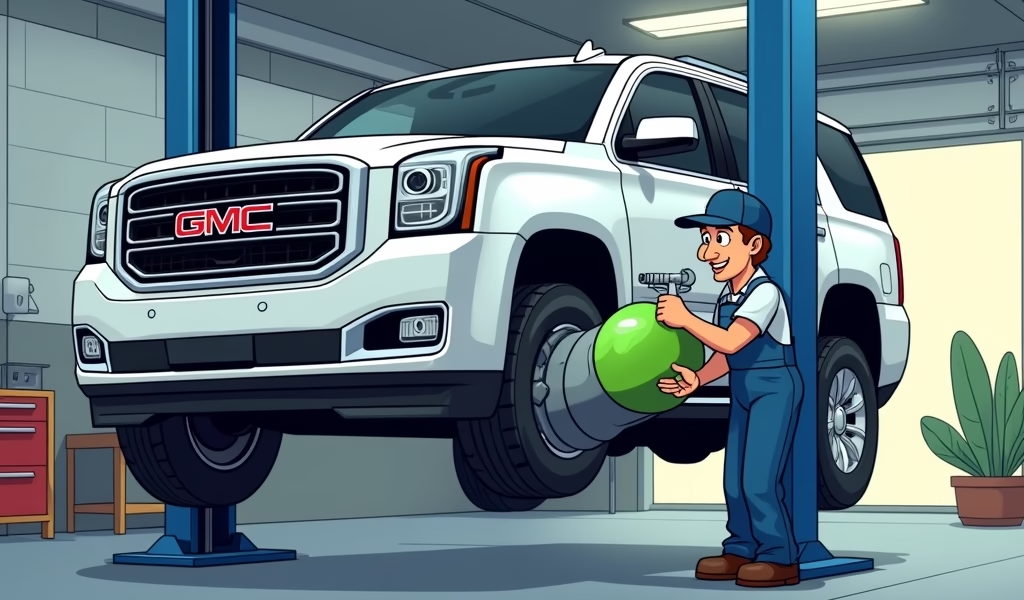
The air suspension system in your GMC Yukon is essentially a pneumatic alternative to traditional steel spring suspension. Instead of fixed metal coils, it uses air-filled rubber bags or springs that can inflate or deflate to adjust ride height and stiffness. This sophisticated system consists of four primary components working in harmony:
1. Air Springs/Bags: These rubber bellows replace traditional coil springs at each wheel. They expand and contract with air pressure changes to adjust vehicle height and absorb road impacts.
2. Air Compressor: The heart of the system, this electrically-powered pump pressurizes air and delivers it to the springs. Located typically near the rear of the vehicle, it’s responsible for maintaining proper system pressure.
3. Height Sensors: Mounted at each wheel, these electronic sensors continuously monitor the distance between the axle and the vehicle’s body, sending signals to the control module about necessary adjustments.
4. Control Module: The brain of the operation, this computer receives input from the sensors and determines when to activate the compressor to add air or open valves to release pressure.
Unlike traditional suspension, which maintains a fixed ride height, your Yukon’s air suspension automatically adjusts to changing conditions. Load up the rear with luggage? The system detects the increased weight and adds air to the rear springs to maintain proper height. Driving at highway speeds? The system can lower the vehicle slightly to improve aerodynamics and fuel efficiency.
GMC has offered air suspension primarily on higher-trim Yukons including Denali models, with the feature becoming more prevalent from the early 2000s onward. The 2015 redesign brought significant updates to the air suspension system, with later models featuring more sophisticated Magnetic Ride Control integration and additional driver-selectable ride height settings.
Why Air Suspension Matters in Your Yukon
The air suspension in your GMC Yukon isn’t just a luxury feature—it’s a comprehensive system that fundamentally enhances how your vehicle performs in multiple ways:
Unparalleled Ride Comfort: The ability to adapt to changing road surfaces means your Yukon can absorb pothole impacts and road imperfections that would otherwise transfer directly into the cabin. The result is a smoother, quieter ride that significantly reduces driver and passenger fatigue on longer journeys.
Superior Towing and Hauling Capability: When you load up your Yukon with passengers, cargo, or hitch up a trailer, the air suspension automatically compensates to maintain optimal ride height. This prevents the rear-end sag common with conventional suspensions and keeps headlights properly aimed. More importantly, it maintains proper geometry for improved stability and braking performance even under heavy loads.
Enhanced Vehicle Stability: By keeping the vehicle level regardless of load distribution, air suspension improves handling dynamics. This means more predictable behavior during emergency maneuvers and better overall control, particularly when cornering or in adverse weather conditions.
Adjustable Ground Clearance: Many newer Yukon models allow drivers to temporarily increase ground clearance for off-road situations or decrease it for easier entry/exit and improved aerodynamics at highway speeds.
Preservation of Value: A properly functioning air suspension system is a significant selling point for used Yukons. Conversely, a failed system can dramatically reduce resale value by thousands—often more than the cost of repairs themselves.
Component Protection: Beyond comfort, maintaining proper vehicle height protects other expensive systems. When a vehicle sags due to suspension failure, it creates abnormal wear patterns on tires, stresses drivetrain components, and can accelerate wear on steering and braking systems.
For these reasons, understanding and maintaining your Yukon’s air suspension isn’t just about preserving luxury—it’s about protecting your investment and ensuring the safety and performance advantages you paid for continue working as designed.
Warning Signs Your Yukon’s Air Suspension Is Failing
Your GMC Yukon will typically provide several warning signs before complete air suspension failure occurs. Recognizing these early indicators can mean the difference between a manageable repair and a complete system replacement:
Uneven Vehicle Stance: One of the most obvious signs is when your Yukon begins to sit noticeably lower on one corner or side. You might notice the vehicle leaning to one side when parked, or the front or rear sitting lower than normal. This asymmetrical stance often indicates a leaking air spring on the affected corner.
Overnight Sinking: If your Yukon sits level when parked but appears significantly lower in the morning, your system is likely losing pressure during inactive periods. This is a classic sign of a slow leak somewhere in the system.
Compressor Running Excessively: The air suspension compressor shouldn’t run continuously or cycle on frequently during normal driving. If you hear your compressor running for extended periods or cycling on and off repeatedly, it’s likely struggling to maintain pressure due to leaks or is approaching failure itself.
Dashboard Warning Lights: Many Yukon models will illuminate the “Service Suspension System” or “Check Air Suspension” warning on the dashboard when the system detects abnormalities. Don’t ignore these electronic early warnings—they’re designed to alert you before catastrophic failure occurs.
Unusual Noises: Listen for hissing sounds (escaping air from damaged components), grinding or whining from the compressor, or knocking sounds when going over bumps. These auditory clues often precede visible symptoms.
Degraded Ride Quality: If your once-smooth Yukon suddenly feels like it’s riding on a wooden cart, the air suspension may be failing to properly cushion road impacts. This harsher ride quality often occurs gradually, making it easy to miss until it becomes severe.
Bottoming Out: When your vehicle hits its bump stops over relatively minor road imperfections, it indicates insufficient suspension travel due to inadequate air pressure.
Increased Body Roll: Excessive leaning during cornering suggests the suspension isn’t properly maintaining pressure and stability during dynamic driving conditions.
Difficulty Maintaining Level When Loaded: If adding passengers or cargo causes excessive sagging that doesn’t correct itself, the system may be struggling to compensate as designed.
Most importantly, these symptoms rarely improve on their own and typically worsen over time. Addressing them early not only prevents the inconvenience of complete failure but often preserves components that might otherwise be damaged by operating the vehicle in a compromised state.
Common Causes of GMC Yukon Air Suspension Problems
Understanding the root causes of air suspension problems can help you prevent issues before they start and make more informed repair decisions when they do occur:
Air Spring/Bag Deterioration: The rubber air springs are the most vulnerable components in the system. Over time, they naturally develop small cracks from:
- Exposure to road salt, oil, and environmental contaminants
- UV radiation causing rubber degradation
- Temperature cycling (expansion and contraction)
- Flexing during normal operation
A single pinhole leak in an air bag can cause the compressor to overwork trying to maintain pressure, leading to a cascade of system failures.
Compressor Burnout: The air compressor is designed for intermittent use, not continuous operation. When leaks develop elsewhere in the system, the compressor often runs excessively trying to maintain pressure. This leads to overheating, premature wear, and eventual failure. Many compressors also fail when their internal air dryers become saturated with moisture.
Moisture Damage: Water is the enemy of air suspension systems. Condensation naturally forms inside the system, and if the dryer component fails to remove it properly, this moisture can:
- Freeze in cold weather, creating blockages
- Corrode metal fittings and connections
- Damage electronic components
- Accelerate rubber deterioration
Electrical Issues: Your Yukon’s air suspension relies on a network of sensors, solenoids, and control modules. Electrical problems are common, including:
- Corroded connections
- Faulty height sensors
- Damaged wiring harnesses (particularly near moving suspension components)
- Control module failures
Air Line Leaks: The pneumatic lines connecting components are vulnerable to damage from road debris, heat exposure (especially those near the exhaust), and general aging. These small, flexible tubes can develop tiny leaks that are difficult to locate but significantly impact system performance.
Excessive Weight: Consistently overloading your Yukon beyond its rated capacity places enormous strain on the air suspension components. This is particularly common in vehicles frequently used for towing or hauling.
Climate Factors: Vehicles operated in extreme climates face accelerated wear. Cold regions with road salt use see faster corrosion of components, while hot regions accelerate rubber deterioration.
Most air suspension failures aren’t sudden events but the culmination of progressive wear that eventually reaches a tipping point. This explains why multiple components often fail in succession—one failing part places additional stress on the others, creating a domino effect of system deterioration.
Expected Lifespan of GMC Yukon Air Suspension Components
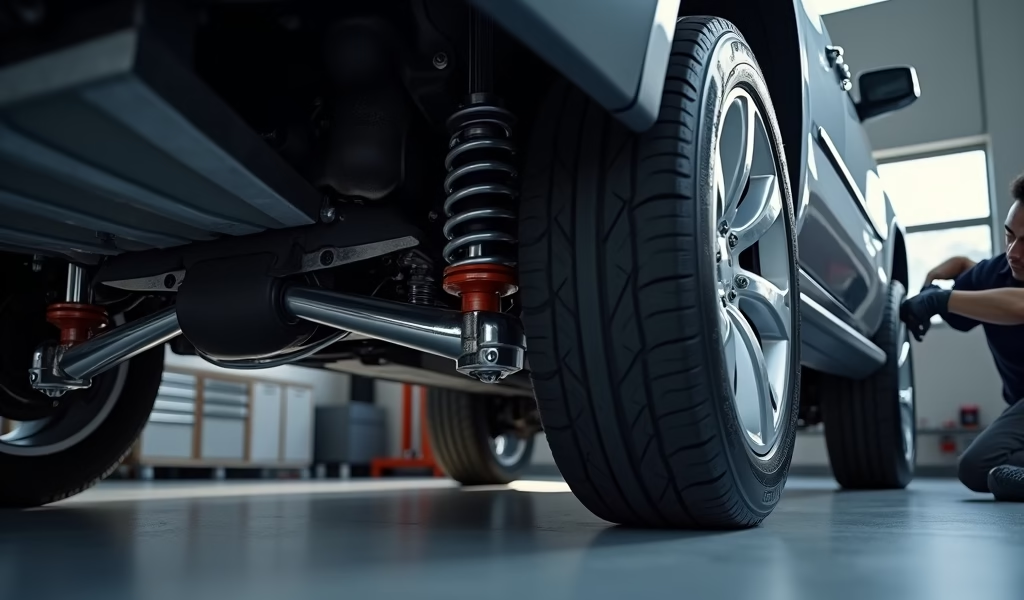
Understanding the typical lifespan of air suspension components helps you budget for inevitable maintenance and avoid surprise expenses:
Air Springs/Bags: These rubber components typically last between 70,000 and 100,000 miles under ideal conditions. However, several factors can significantly shorten this lifespan:
- Vehicles in harsh climates (extreme cold, heat, or high humidity) may see failures as early as 50,000 miles
- Frequent off-road use accelerates wear
- Towing heavy loads regularly can reduce lifespan by 20-30%
Compressor Assembly: The air compressor should last approximately 80,000 to 120,000 miles. Like the air springs, its longevity depends heavily on workload. A compressor that runs frequently due to minor system leaks may fail much earlier—sometimes as early as 60,000 miles. The integrated dryer component typically needs replacement before the entire compressor fails.
Height Sensors: These electronic components are surprisingly durable, often lasting the vehicle’s lifetime. However, their exposed position makes them vulnerable to physical damage and environmental contamination. Expect around 100,000 to 150,000 miles from these sensors under normal conditions.
Air Lines and Fittings: The small air lines connecting system components can last indefinitely if not damaged by debris or excessive heat. However, the connection points and fittings are common failure points, typically showing problems in the 80,000 to 120,000 mile range.
Control Module: The electronic brain of the system is generally quite reliable, with most units lasting well beyond 150,000 miles. When they do fail, it’s often due to moisture intrusion or voltage issues rather than normal wear.
Factors Affecting Component Longevity:
1. Driving Environment: Vehicles operated primarily on smooth highways in moderate climates will see significantly longer component life than those regularly driven on rough roads in extreme climates.
2. Maintenance History: Properly maintaining related systems (particularly keeping the vehicle’s battery in good condition to supply stable power to the compressor) extends air suspension life.
3. Driving Habits: Aggressive driving with frequent sharp turns and sudden stops places additional strain on the system.
4. System Integration: Your driving mode selections matter. Vehicles frequently operated in sport mode or with the suspension in its firmest setting experience accelerated wear due to higher system pressures.
Most importantly, these components demonstrate interdependence—when one fails, it typically accelerates wear on others. This is why addressing problems promptly is crucial to preventing cascading failures that can quickly transform a single component replacement into a complete system overhaul.
Preventative Maintenance to Extend Air Suspension Life
Proactive maintenance can dramatically extend the life of your GMC Yukon’s air suspension system and help you avoid costly repairs:
Establish a Regular Inspection Schedule
Create a habit of visually inspecting your air suspension components at least twice yearly, or every 10,000 miles:
- Look for signs of leaking air springs, which often appear as oily residue or dirt buildup on the rubber surface
- Check air lines for rubbing, cracking, or signs of heat damage, particularly near exhaust components
- Inspect mounting points for corrosion or loose hardware
- Verify that height sensors and their linkages are intact and properly connected
Listen to Your Vehicle
Develop an awareness of how your suspension sounds during normal operation:
- The compressor should run briefly when starting the vehicle and then remain mostly silent
- Learn to recognize the normal sound of your system leveling (usually a brief hiss) versus abnormal noise that may indicate leaks
- Pay attention to when the compressor runs—excessive operation, particularly after the vehicle has been sitting, suggests leaks
Protect Against Environmental Factors
Minimize environmental damage to extend component life:
- In winter climates, regularly wash the undercarriage to remove corrosive road salt
- Apply silicone protectant to rubber air springs seasonally to prevent UV damage and rubber deterioration (avoid petroleum-based products which can damage rubber)
- Consider an annual application of dielectric grease to electrical connections associated with the suspension system
Manage System Workload
Reduce unnecessary strain on components:
- When parking for extended periods, consider using the suspension’s service mode if available, which can relieve pressure on air springs
- Distribute heavy loads evenly within the vehicle
- Respect towing capacity limits rather than regularly pushing the system to its maximum
- When practical, select the comfort suspension setting for everyday driving rather than continuously using sport mode
Address Minor Issues Promptly
Small problems quickly become major expenses if ignored:
- Investigate any changes in vehicle stance immediately
- If the compressor seems to run more frequently than usual, have the system checked for leaks
- Address check suspension warning lights promptly rather than waiting for visible symptoms
- Replace the compressor’s air dryer on schedule (typically recommended every 3-4 years) even if no symptoms are present
Consider Preventative Replacement
For high-mileage Yukons (over 100,000 miles), consider proactive component replacement:
- If one air spring fails, seriously consider replacing all four as a set since they tend to wear at similar rates
- When replacing the compressor, always install a new dryer assembly
- Replace air lines showing any signs of hardening or brittleness, even if they haven’t yet failed
This preventative approach might seem excessive, but considering that a complete air suspension system replacement can cost $4,000-$5,000, investing in regular maintenance and addressing minor issues early represents significant financial wisdom in the long run.
When Replacement Is Necessary: Signs It’s Time
Despite your best maintenance efforts, eventually, components will require replacement. Knowing when to act can save you from roadside emergencies and additional damage:
Safety Concerns With Failing Air Suspension
Continuing to drive with significantly compromised air suspension creates several safety hazards:
- Reduced vehicle stability, particularly during emergency maneuvers or in adverse weather
- Compromised braking performance due to uneven weight distribution
- Increased risk of tire damage from rubbing against wheel wells when the suspension is collapsed
- Potential for sudden height changes while driving, affecting handling predictability
- Abnormal headlight aim creating visibility issues for both you and oncoming traffic
Diagnostic Steps Before Replacement
Before authorizing extensive repairs, ensure proper diagnosis:
- Have a full system scan performed to identify stored error codes
- Request a pressure test to locate leaks in the pneumatic components
- Verify electrical integrity through voltage testing at sensors and the control module
- Consider a overnight leak-down test to determine how quickly the system loses pressure when parked
Partial vs. Complete System Replacement
When failures occur, you’ll face decisions about repair scope:
Partial replacement considerations:
- If only one air spring has failed but others have similar mileage, replacing all four springs simultaneously often proves more economical long-term
- A failed compressor should always prompt inspection of the entire system—compressors typically fail because they’re overworked due to leaks elsewhere
- Electrical component failures (sensors, control modules) can often be addressed individually without requiring complete system overhaul
When complete replacement makes sense:
- Multiple components showing simultaneous failure
- Vehicles with over 120,000 miles on original air suspension components
- When repair costs for individual components approach 70% of complete system replacement
- If the vehicle has a history of repeated air suspension issues despite previous repairs
Conversion Options to Traditional Suspension
For some owners, converting to conventional springs becomes an attractive alternative:
- Conversion kits typically cost $700-$1,500 plus installation, significantly less than maintaining the air system
- Modern conversion kits provide reasonable ride quality, though not as adjustable as air suspension
- Conversion eliminates future concerns about air suspension failures
- Most kits maintain proper vehicle height and don’t negatively affect other systems
However, conversion has drawbacks:
- Permanent loss of the adjustable ride height feature
- Potential reduction in towing capability and load-leveling functionality
- Possible impact on resale value, particularly for luxury trim levels
- May affect electronic systems that integrate with the suspension (requiring recalibration)
The decision between repair and conversion should consider your long-term plans for the vehicle, typical driving conditions, and whether the adjustable features of air suspension provide significant value for your specific needs.
Cost Expectations for GMC Yukon Air Suspension Repairs
Understanding potential costs helps you budget appropriately and evaluate repair versus replacement options:
Individual Component Replacement Costs
Air Springs/Bags:
- Individual air spring: $250-$400 per corner (parts only)
- Complete set of four: $1,000-$1,600 (parts only)
- Labor to replace: $75-$150 per corner
- OEM parts typically cost 30-40% more than quality aftermarket options
Air Compressor Assembly:
- Complete unit with dryer: $400-$800 (aftermarket)
- OEM compressor: $800-$1,200
- Labor for replacement: $200-$350
- Compressor dryer only (when available separately): $150-$250
Height Sensors:
- Individual sensor: $100-$200 each
- Labor for replacement: $75-$150 per sensor
- Complete set of four sensors: $400-$800
Control Module:
- Replacement module: $300-$700
- Programming and calibration: $100-$250
- Diagnostic time to verify module failure: $100-$150
Air Lines and Fittings:
- Complete line kit: $150-$300
- Individual line repair: $50-$100 per section
- Labor costs highly variable depending on line location
Complete System Overhaul
A comprehensive system replacement, including all air springs, compressor, dryer, and related components:
- Parts: $2,000-$3,500
- Labor: $800-$1,500
- Total package: $2,800-$5,000 depending on model year and component selection
Conversion to Traditional Suspension
Converting from air to conventional suspension:
- Quality conversion kit: $700-$1,500
- Installation labor: $400-$800
- Additional alignment required: $100-$150
- Total conversion cost: $1,200-$2,450
Cost Variables to Consider
Several factors significantly impact repair costs:
- Dealership repairs typically cost 30-50% more than independent shops
- Geographic location affects labor rates (metropolitan areas generally higher)
- Diagnostic fees ($100-$200) may apply, especially for intermittent issues
- Warranty coverage varies—some extended warranties cover air suspension, others specifically exclude it
- Preventative replacement of related components during repair can add cost initially but save money long-term
Long-Term Cost Comparison
When evaluating repair versus conversion, consider:
- Air suspension typically requires some component replacement every 4-7 years
- Conventional suspension conversions generally need replacement shocks/struts every 50,000-80,000 miles ($600-$1,200 including labor)
- A quality conversion typically pays for itself after avoiding one major air suspension repair
- Factor in your vehicle ownership timeline—if selling soon, repair may make more sense than conversion
For many owners, the decision ultimately balances budget constraints against the value placed on the superior ride quality and features that the original air suspension provides.
DIY vs. Professional Air Suspension Service
Some air suspension maintenance tasks are well-suited for DIY enthusiasts, while others require professional expertise. Understanding this distinction helps you save money without risking costly mistakes:
DIY-Friendly Tasks
With basic mechanical knowledge and proper tools, you can safely handle:
- Visual Inspections: Regularly checking for physical damage to air springs, lines, and fittings requires no special tools and can catch problems early.
- Height Sensor Linkage Adjustment: If your Yukon sits unevenly but the compressor works normally, adjusting the height sensor linkages (small rods connecting sensors to the suspension) can often correct minor height discrepancies.
- Compressor Relay Replacement: When the compressor doesn’t run at all, the relay (an inexpensive electrical component) is often the culprit and can be replaced with basic tools.
- Cleaning Electrical Connections: Addressing corrosion on height sensor connections and other electrical components can resolve intermittent issues without component replacement.
- Air Line Protection: Adding protective sleeves to air lines that may be rubbing against other components can prevent future failures.
Tasks for Professional Service
The following repairs typically require specialized tools, diagnostic equipment, or expertise:
- Air Spring Replacement: While physically possible for a DIYer, improper installation can lead to premature failure or damage to other components. Professionals have the proper tools to safely compress the suspension during installation.
- System Pressure Testing: Locating small leaks requires specialized equipment that can pressurize the system and identify failure points.
- Control Module Programming: Replacement modules typically require dealer-level programming tools to properly communicate with your Yukon’s other systems.
- Complete System Conversion: Converting from air to conventional suspension affects multiple vehicle systems and requires proper alignment afterward.
- Diagnosing Intermittent Issues: Problems that come and go require systematic troubleshooting with proper diagnostic equipment to avoid unnecessary parts replacement.
Finding the Right Professional
Not all repair shops are equally qualified to work on air suspension systems. When seeking professional help:
- Look for specialists with experience specifically on GMC air suspension systems. General suspension shops may lack the specialized knowledge needed.
- Ask about their diagnostic approach. Good shops will test before replacing parts rather than immediately suggesting complete system replacement.
- Consider independent GMC specialists rather than dealerships for cost savings without sacrificing expertise.
- Request documentation of any components replaced, as quality parts typically include warranties that may transfer with the vehicle.
Tools and Resources for DIYers
If you do decide to tackle some maintenance yourself:
- Service manuals with suspension-specific information are available online through subscription services or as one-time purchases.
- Model-specific Yukon forums provide valuable real-world experience from other owners who have addressed similar issues.