
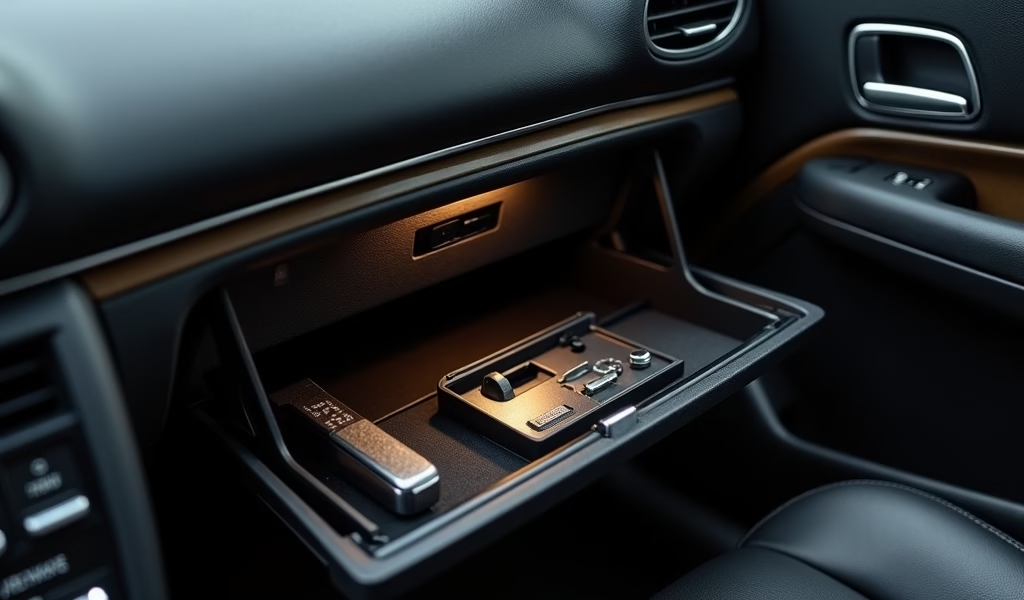
Overview
Forget oil changes and tire rotations—your neglected glove compartment lock deserves some love too before it jams during that awkward traffic stop when you need your registration. This guide details seven essential maintenance practices including regular cleaning, proper lubrication techniques, troubleshooting common issues, and creating a maintenance schedule to keep your glove compartment lock functioning smoothly for the lifetime of your vehicle.
Table of Contents
- Introduction to Glove Compartment Lock Maintenance
- Why Glove Compartment Lock Maintenance Matters
- Regular Cleaning: The Foundation of Lock Care
- Proper Lubrication Techniques for Smooth Operation
- Troubleshooting Sticking or Jamming Issues
- Creating a Preventative Maintenance Schedule
- Addressing Key Problems and Solutions
- Protecting Your Lock Against Environmental Factors
- When to Replace vs. Repair Your Lock
- Conclusion
- Frequently Asked Questions
Introduction to Glove Compartment Lock Maintenance
The glove compartment lock might be one of the most overlooked components in your vehicle. As a mechanic with over 15 years of experience, I’ve seen countless drivers neglect this small but crucial part until it fails entirely. Your glove compartment does more than store insurance papers and forgotten receipts—it safeguards valuable items and important documents from both theft and prying eyes.
In my shop, I’ve heard every glove compartment lock horror story imaginable. From the businessman who couldn’t access his registration during a traffic stop to the mom who couldn’t retrieve her daughter’s EpiPen during an emergency. These small mechanisms deserve attention as part of your regular car maintenance routine.
This guide will walk you through seven essential maintenance tips that will keep your glove compartment lock functioning properly for years to come. No special mechanical skills required—just a little time and attention to detail.
Why Glove Compartment Lock Maintenance Matters
When a glove compartment lock fails, it typically happens at the worst possible moment. You might find yourself unable to access important documents during a traffic stop or discover that your valuables are no longer secure after a lock mechanism breaks.
Regular maintenance prevents both inconvenient failures and costly repairs. Most lock issues begin small—slight resistance when turning the key or minor sticking—and progressively worsen over time. Catching these early warning signs can save you from complete lock failure.
Beyond convenience, proper maintenance extends the lifespan of your lock mechanism. Most factory-installed glove compartment locks are designed to last the lifetime of the vehicle, but only with proper care. Neglect them, and you’ll likely face replacement costs between $75-300 depending on your vehicle make and model.
Even more importantly, a functioning glove box lock maintains your vehicle’s security system. In many modern vehicles, the glove compartment is the final line of defense for storing valuables when you need to leave them in your car.
Regular Cleaning: The Foundation of Lock Care
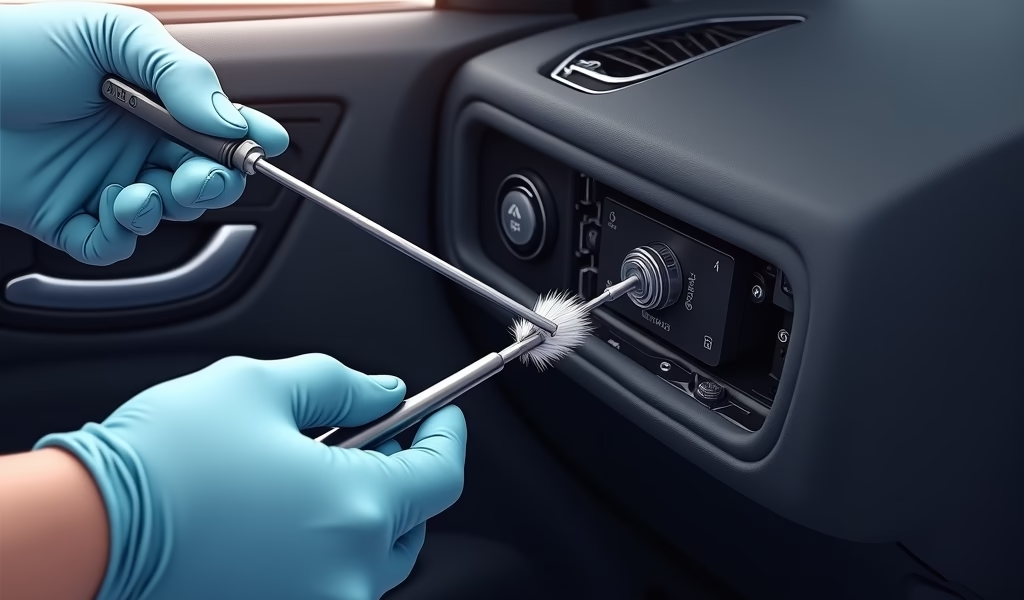
Dust and debris are the natural enemies of any lock mechanism. Over time, these particles work their way into your glove compartment lock, causing resistance and eventually complete failure. I recommend cleaning your lock every 3-4 months as part of your essential car maintenance.
Here’s what you’ll need for effective cleaning:
- Compressed air canister
- Cotton swabs
- Isopropyl alcohol (70%)
- Soft microfiber cloth
Start by using compressed air to blow out loose debris from the keyhole. Hold the can upright and use short bursts rather than one long spray to prevent freezing the lock components. This initial step removes surface-level particles that could otherwise be pushed deeper into the mechanism.
Next, dampen a cotton swab with isopropyl alcohol and gently clean around the lock opening. The alcohol cuts through accumulated grime without leaving residue. For the exterior surfaces, use a microfiber cloth with a small amount of alcohol to remove fingerprints and dirt that could eventually transfer to your key and enter the lock.
Avoid using household cleaners or WD-40 for cleaning purposes. Most household cleaners contain chemicals that can damage lock components, while WD-40 is a penetrating oil, not a cleaner or long-term lubricant.
Proper Lubrication Techniques for Smooth Operation
Choosing the right lubricant for your glove compartment lock makes all the difference. As a mechanic who’s repaired thousands of locks, I can tell you that using the wrong product is one of the most common mistakes vehicle owners make.
The best lubricants for vehicle locks are:
- Graphite powder (ideal for most vehicle locks)
- Teflon-based dry lubricants
- Silicone-based lubricants (better for high-humidity regions)
Avoid using WD-40, household oils, or petroleum-based products for lock lubrication. While they might provide temporary relief, these products eventually attract more dirt and can gum up lock mechanisms over time, according to locksmith experts.
To properly lubricate your lock:
- Clean the lock thoroughly first (never lubricate a dirty lock)
- Insert the lubricant applicator directly into the keyhole
- Apply a small amount—less is more with lock lubricants
- Insert and remove your key several times to distribute the lubricant
- Wipe away any excess from the lock face
For most vehicles, lubricating your glove compartment lock once or twice a year is sufficient. However, if you frequently drive in dusty conditions or extreme temperatures, you might need to lubricate more often.
Troubleshooting Sticking or Jamming Issues
When your glove compartment lock begins to stick or jam, it’s telling you something’s wrong. Don’t ignore these warning signs. Most sticking issues stem from four common problems: dirt accumulation, dried lubricant, misaligned mechanisms, or internal component wear.
If you’re facing a stubborn lock, try these troubleshooting steps in order:
- Clean the lock thoroughly using the method described earlier
- Apply fresh lubricant after cleaning
- Gently jiggle the key while turning to help realign internal components
- Check if the glove box itself is overstuffed, pushing against the lock
For locks that are extremely difficult to turn, try inserting the key and applying very gentle pressure while tapping lightly on the lock face. This can sometimes help dislodge stuck components. Just be careful not to use excessive force that might break the key or damage the lock.
Know when to seek professional help. If you hear grinding noises, see visible damage, or if the key turns but the lock doesn’t engage, it’s time to consult a professional. Continuing to force a severely damaged lock can lead to more expensive repairs or complete replacement.
In my experience, most vehicle owners can resolve minor sticking with proper cleaning and lubrication. However, if the lock has been problematic for months or years, internal damage might require professional service to avoid costly car repair bills.
Creating a Preventative Maintenance Schedule
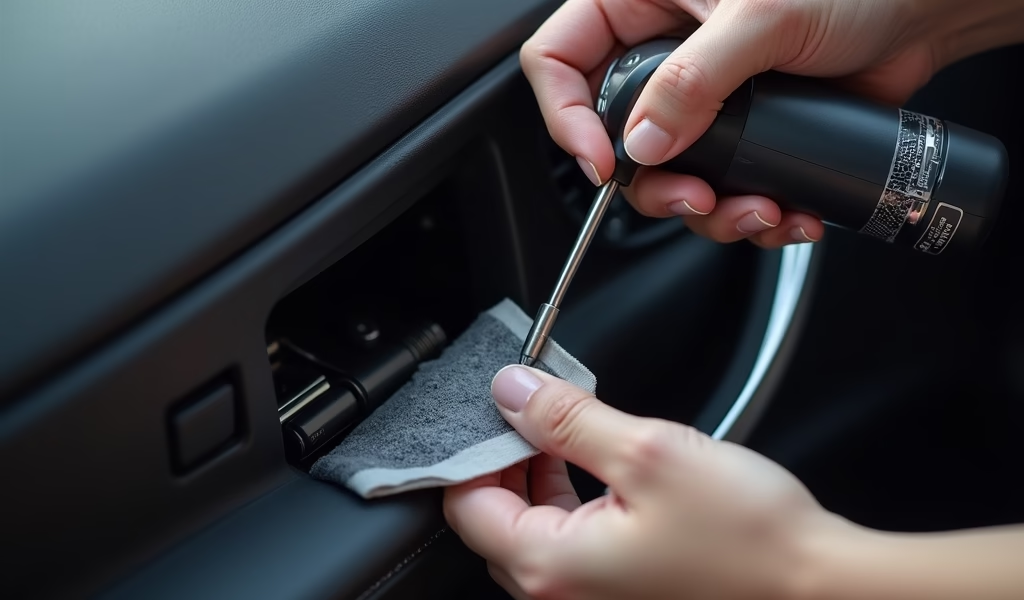
Prevention is always easier and cheaper than repair. After working on countless vehicles with lock issues, I’ve developed a simple seasonal maintenance schedule that helps keep glove compartment locks in top condition.
Consider following this quarterly approach:
- Spring (March/April): Complete cleaning and lubrication after winter exposure to road salts and moisture
- Summer (June/July): Quick check for smooth operation and signs of wear
- Fall (September/October): Pre-winter maintenance with thorough cleaning and fresh lubrication
- Winter (December/January): Inspection during extreme cold periods, especially if you notice any stiffness
Set calendar reminders on your phone for these maintenance checks. I recommend pairing lock maintenance with other regular care activities like checking tire pressure or changing wiper blades. This helps build a comprehensive vehicle care routine that becomes second nature.
Pay attention to warning signs between scheduled maintenance. Any resistance, unusual sounds, or intermittent failures should prompt immediate attention rather than waiting for your next scheduled check.
The Consumer Reports maintenance schedule might not specifically mention glove compartment locks, but including them in your regular vehicle check-up makes good sense for long-term reliability.
Addressing Key Problems and Solutions
Keys and locks wear together over time. Even with perfect lock maintenance, key issues can still arise and affect your glove compartment’s security and accessibility.
If your key breaks off in the lock—and I’ve seen this happen more times than I can count—resist the urge to extract it with household tools. Specialized broken key extractors are available at automotive stores for $5-15, or you can seek professional help to avoid damaging the lock further.
For keys that turn with difficulty, first try cleaning and lubricating the lock. If problems persist, examine the key itself for wear or bending. Most keys can be recut based on your vehicle’s key code, which can typically be found in your owner’s manual or retrieved by a dealer using your VIN number.
For vehicles with electronic key fobs that also operate the glove box, replacement options include:
- Dealership replacement (most expensive but guaranteed compatibility)
- Automotive locksmith (often more affordable with same-day service)
- Online replacement services (requires your key code and vehicle information)
If you’re using an aftermarket or replacement key, it might not match the original specifications exactly. In these cases, having a professional adjust the key can restore smooth operation without replacing the entire lock.
Protecting Your Lock Against Environmental Factors
Your vehicle faces extreme environmental conditions that take a toll on its components, including the glove compartment lock. After years in the shop, I’ve seen how different climates create different lock problems.
In cold climates, locks can freeze or become sluggish. If you live in an area with harsh winters, consider using a graphite-based lubricant which performs better in low temperatures. Keep a commercial lock de-icer handy during winter months—just don’t store it in the glove compartment you can’t open!
For hot, humid areas or coastal regions, corrosion is your main enemy. Silicone-based lubricants provide better moisture resistance in these conditions. Additionally, placing small desiccant packets inside your glove compartment can help reduce moisture exposure to internal components.
Regardless of your climate, try to park in garages or shaded areas when possible. This reduces temperature extremes that accelerate wear on all vehicle components, including lock mechanisms.
If you frequently drive on dusty roads or in areas with high air pollution, you’ll need to clean your lock more frequently. The environmental particles in the air will find their way into your lock mechanism faster than in cleaner environments.
When to Replace vs. Repair Your Lock
Even with perfect maintenance, locks eventually wear out. Knowing whether to repair or replace can save you time and money. After years of working with vehicle locks, I’ve developed some clear guidelines for this decision.
Consider replacement when:
- The lock cylinder shows significant corrosion or damage
- Internal components are broken (evidenced by rattling or complete failure)
- The key turns freely without engaging the locking mechanism
- Multiple repair attempts haven’t resolved persistent issues
Typical replacement costs vary widely by vehicle. Expect to pay $150-300 at a dealership, while independent mechanics might charge $75-200. DIY replacement kits are available for many vehicle models for $30-100, though they require moderate mechanical skills and patience.
If you’re contemplating the DIY route, remember that modern vehicles often have interconnected security systems. What seems like a simple lock replacement might affect other vehicle functions, particularly in newer models with electronic components.
For older vehicles (10+ years), replacement parts might be harder to find. In these cases, working with a locksmith who can fabricate or adapt parts might be more cost-effective than seeking increasingly rare original parts.
Conclusion
Maintaining your glove compartment lock might seem like a minor detail in the grand scheme of vehicle ownership, but it’s these small maintenance tasks that often prevent big headaches. With just a few minutes of attention a few times per year, you can ensure your lock remains functional and reliable throughout your vehicle’s lifetime.
The seven tips we’ve covered—regular cleaning, proper lubrication, troubleshooting sticking issues, following a maintenance schedule, addressing key problems, protecting against environmental factors, and knowing when to replace versus repair—provide a comprehensive approach to glove compartment lock care.
Remember that prevention is always less expensive and less stressful than repair. By incorporating these simple maintenance practices into your regular vehicle care routine, you’ll avoid the frustration of a jammed lock when you need access to important documents or valuables.
Your glove compartment lock is a small but important part of your vehicle’s security system. Give it the attention it deserves, and it will serve you reliably for years to come.
Frequently Asked Questions
Can I use WD-40 on my glove compartment lock?
No, WD-40 is not recommended for lock lubrication. It’s a water displacement formula that can initially help but will attract dirt and cause buildup over time.
How often should I lubricate my glove compartment lock?
Lubricate your glove compartment lock twice a year under normal conditions. If you drive in extreme environments (very dusty or humid areas), increase frequency to every 3-4 months.
What should I do if my key breaks off in the glove compartment lock?
Don’t attempt extraction with household tools as this can damage the lock. Use a specialized broken key extractor tool or seek professional help from a locksmith or mechanic.
Why does my glove compartment lock stick in cold weather?
Cold temperatures can cause lock components to contract and lubricants to thicken. Try using a graphite-based lubricant which performs better in low temperatures and consider using a commercial lock de-icer during winter months.
Is it worth replacing a broken glove compartment lock?
Yes, replacing a broken lock is worth the investment for both security and convenience. A functioning lock protects valuable items and important documents stored in your glove compartment from theft.