

Overview
Just when you thought your morning couldn’t get more frustrating, your car decides to hold your gear shift hostage in Park—a common problem caused by issues ranging from a weak battery to a faulty brake light switch. This guide provides a comprehensive walkthrough of DIY troubleshooting steps that can save you hundreds in repair costs, from simple fixes like checking fuses to emergency override methods, while explaining when it’s time to wave the white flag and consult a professional.
Table of Contents
- Understanding Gear Shift Lock: What It Is and Why It Matters
- Common Causes of a Stuck Gear Shift Lock
- DIY Fixes for a Stuck Gear Shift Lock
- Emergency Bypass Methods for Shift Lock Systems
- Preventive Maintenance to Avoid Shift Lock Problems
- When to See a Mechanic About Your Gear Shift Lock
- Cost Comparison: DIY Fixes vs. Professional Repairs
- Conclusion
- Frequently Asked Questions
Understanding Gear Shift Lock: What It Is and Why It Matters
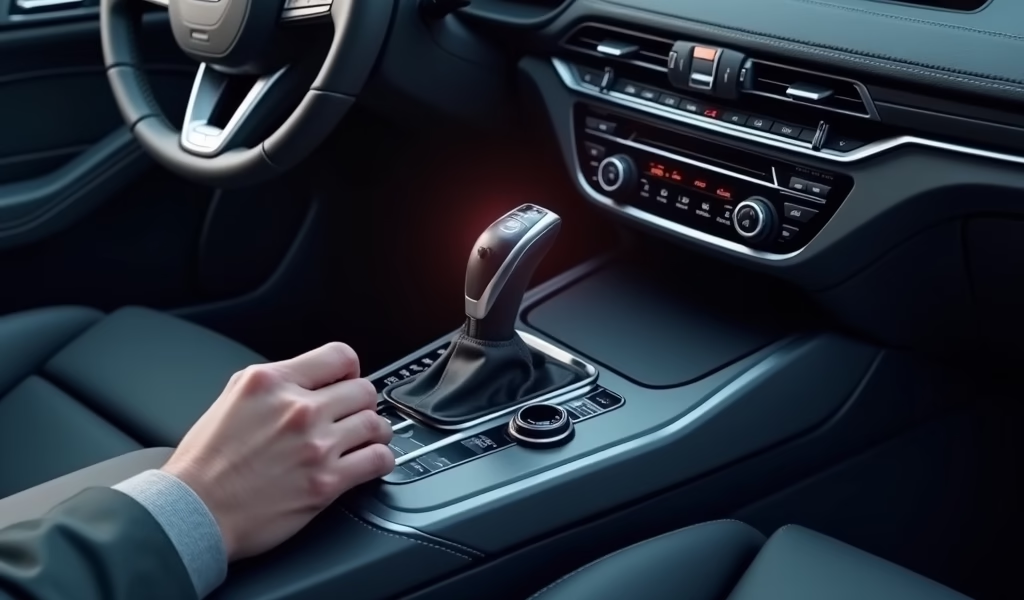
The gear shift lock is a critical safety feature in vehicles with automatic transmissions that prevents accidental shifting, particularly from Park to Drive or Reverse. When functioning properly, this system requires you to press the brake pedal before moving the shifter out of Park. It’s a seemingly simple mechanism, but when it fails, it can leave you stranded in your driveway with an immovable shift lever.
Most modern vehicles integrate this gear shift lock as part of their comprehensive safety systems. The mechanism typically consists of a solenoid (an electromagnetic switch), various mechanical components, and connections to your vehicle’s electronic control modules. When you turn your ignition on and press the brake pedal, the system receives a signal to unlock the shifter, allowing normal operation.
But why does this matter? Beyond the obvious frustration of a stuck shifter, the gear shift lock represents an important safety boundary. It prevents accidental gear engagement that could send your vehicle rolling unexpectedly—particularly important when children are around vehicles or when parking on inclines. The system is designed with multiple redundancies precisely because of its safety implications.
If you’re new to driving automatic transmission vehicles, understanding this mechanism is particularly important. Unlike their manual counterparts, automatics rely on these electronic safeguards rather than physical clutch engagement to prevent unwanted movement.
Common Causes of a Stuck Gear Shift Lock
When your gear shift refuses to budge, several culprits might be to blame. The most common issues range from simple electrical problems to more complex mechanical failures. Let’s break down what might be causing your headache.
Dead or weak battery issues often top the list of causes. Your shift lock system requires electrical power to operate correctly. When battery voltage drops too low, the solenoid that controls the lock may not receive sufficient power to disengage. This is why shift lock problems sometimes appear alongside other electrical symptoms like dim headlights or slow cranking.
Brake light switch failures represent another frequent culprit. This small switch, located near your brake pedal, signals to your vehicle that you’re pressing the brake—a requirement for the shift lock to release. When this switch fails, your car doesn’t “know” you’re pressing the brake, even when you are.
Blown fuses can also interrupt the circuit powering your shift interlock system. Most vehicles have a specific fuse dedicated to this system, typically labeled in your fuse box diagram as “Shift Lock,” “Interlock,” or something similar. A quick check with a multimeter or fuse tester can identify if this is your problem.
Mechanical issues like broken shift linkages or a worn shift lock solenoid might be responsible in vehicles with higher mileage. These components experience wear and tear from thousands of shifting cycles over your vehicle’s life. The shift interlock solenoid itself can fail electrically or mechanically, either not receiving power or not physically moving when powered.
Interestingly, debris is an underestimated cause of shift lock problems. Spilled drinks, food crumbs, or everyday dust can infiltrate the shifter mechanism, creating physical barriers to proper operation. This is especially common in vehicles that have cup holders positioned close to the gear selector.
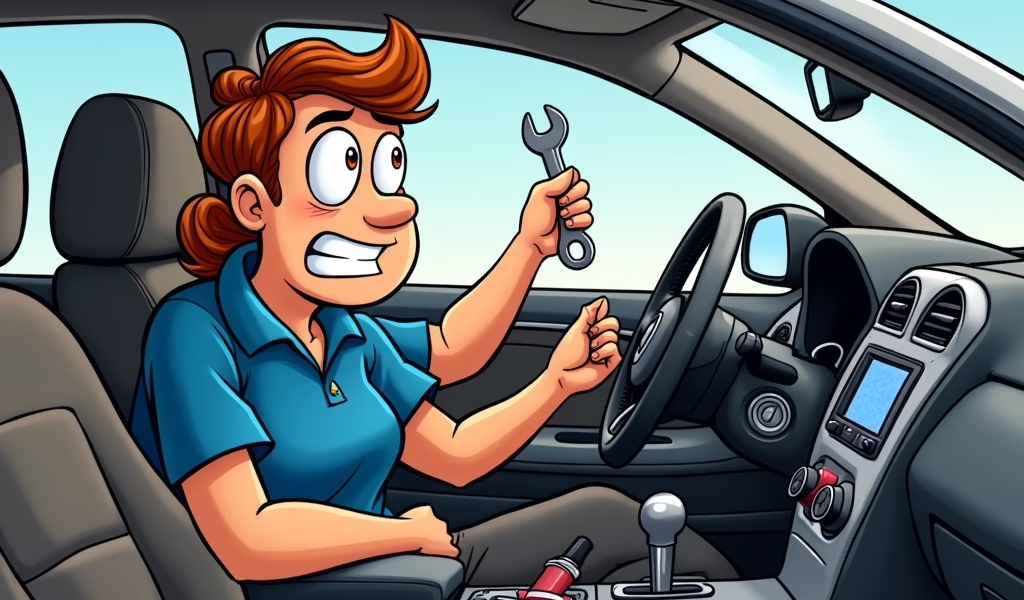
DIY Fixes for a Stuck Gear Shift Lock
Before heading to the mechanic, try these proven DIY solutions that could save you hundreds in repair costs. Start with the simplest fixes and work your way up to the more involved ones.
First, check your vehicle’s battery. A multimeter should read approximately 12.6 volts when the engine is off and 13.7 to 14.7 volts when running. If readings fall below these ranges, charging your battery might resolve the shift lock issue immediately. Remember, even a battery with enough power to start your vehicle might not provide sufficient voltage for all electrical systems to function optimally.
Next, inspect the brake light switch, typically located above the brake pedal. With a helper, observe whether your brake lights illuminate when you press the pedal. No lights? The switch might be the culprit. These switches are usually inexpensive (around $15-30) and often snap in without requiring special tools for replacement.
The fuse check is equally important and straightforward. Locate your vehicle’s fuse box (check your owner’s manual for the exact location) and identify the fuse associated with the shift interlock system. A blown fuse will have a broken metal strip visible inside the translucent plastic housing. Replacing it requires simply pulling out the old one and pushing in a new fuse of the identical amperage rating.
Clean the shifter mechanism thoroughly if none of the above resolves your issue. Use compressed air to blow out debris, followed by a small amount of electrical contact cleaner for any accessible electrical connections. For the mechanical components, a light application of silicone lubricant (not WD-40, which can attract more dirt) can restore smooth operation.
If these approaches don’t work, you might need to access and test the shift lock solenoid directly. This typically requires removing some trim pieces around your center console. Once exposed, you can test the solenoid with a multimeter to confirm whether it’s receiving power and responding accordingly. If it’s failed, replacement solenoids typically cost between $30-100 depending on your vehicle model, plus your own labor.
The difference between automatic and manual transmissions becomes particularly evident during troubleshooting—automatic systems have more electrical components that can fail, while manual transmissions rely primarily on mechanical linkages.
Emergency Bypass Methods for Shift Lock Systems
When you’re truly stuck and need to move your vehicle immediately, most manufacturers build in emergency override options. These methods aren’t meant as permanent solutions but can get you out of a pinch when necessary.
Almost all vehicles have a shift lock release button or slot near the shifter. Look for a small covered opening adjacent to or on the shift indicator panel. You’ll need a narrow tool like a flathead screwdriver or the tip of your key to access it. Insert your tool, press down gently (don’t force it), and simultaneously move the shift lever. This mechanically bypasses the electronic lock, allowing you to shift out of Park.
Here’s how to use the shift lock override in common vehicle types:
- For most Toyota/Lexus vehicles: Look for a small plastic cover near the shift indicator. Remove it, insert a thin screwdriver, push down while moving the shifter.
- For Honda/Acura models: Find the shift lock release slot (typically covered) on the upper part of the shifter console. Remove the cover, insert key or screwdriver, and press while shifting.
- For GM vehicles: Look for a small opening or button near the top of the shifter gate. Press down firmly while applying the brake and moving the shifter.
- For Ford models: The release is usually a covered slot at the side or front of the shifter. Press into this slot while moving the shifter out of Park.
After using the override, remember that you’ve bypassed a safety feature. Be extra cautious about engaging the parking brake when stopped and ensuring the vehicle is in Park before exiting. This is especially important if you’re parking on any kind of incline or have children who might access the vehicle.
When using these emergency methods, drive directly to address the underlying problem—either attempting the DIY fixes mentioned earlier or proceeding to a qualified repair facility. Consumer Reports provides additional guidance on safely managing these emergency situations.
Preventive Maintenance to Avoid Shift Lock Problems
As with most vehicle systems, prevention trumps repair when it comes to shift lock issues. Implementing some basic maintenance habits can dramatically reduce your chances of getting stuck with an immobile shifter.
Regular battery maintenance tops the list of preventive measures. Have your battery tested during routine oil changes or at least twice yearly. Modern batteries typically last 3-5 years, so consider proactive replacement as your battery approaches the end of its expected lifespan. A battery with marginal performance may function fine in ideal conditions but fail during temperature extremes—precisely when you least want to be stranded.
Keep your center console and shifter area clean. This simple habit prevents the accumulation of debris that can interfere with proper shifter operation. Avoid placing uncovered drinks near the shifter, and periodically use compressed air to clean out any visible dust or particles around the shifter base and buttons.
Check your brake lights monthly—not just for shift lock reliability but for overall safety. A quick walk-around while someone presses the brake pedal takes seconds but can identify a failing brake light switch before it leaves you stranded.
Pay attention to early warning signs. If your shifter occasionally feels “sticky” or requires multiple attempts to release from Park, don’t ignore these symptoms. Early intervention typically means simpler, less expensive repairs compared to addressing complete failures.
For those living in extreme climates, environmental factors play a significant role in shift lock reliability. In very cold regions, electrical components can become sluggish and mechanical parts may bind. The National Highway Traffic Safety Administration recommends keeping your vehicle in a garage if possible and using a battery warmer in extreme cold to maintain optimal electrical system performance.
When to See a Mechanic About Your Gear Shift Lock
While DIY approaches solve many shift lock problems, certain situations warrant professional attention. Knowing when to call in the experts can save you time, frustration, and potentially even prevent additional damage.
If you’ve tried all the DIY solutions without success, it’s time to consult a professional. Particularly if the override method is the only way you can shift your vehicle, continuing to drive this way puts unnecessary strain on other components and bypasses an important safety feature.
When multiple electrical systems show symptoms simultaneously—perhaps your shift lock is stuck along with power window issues or dashboard warning lights—the problem likely extends beyond the shift mechanism itself. These compound symptoms often indicate broader electrical issues that require diagnostic equipment most home mechanics don’t possess.
If you hear unusual noises when attempting to shift, stop trying immediately and consult a professional. Grinding, clicking, or popping sounds can indicate internal mechanical damage that could worsen with continued attempts to force operation.
For vehicles with complex electronic systems—particularly luxury models or those with advanced driver assistance features—DIY work carries higher risks. Modern vehicles integrate multiple systems through central computers, and improper repair attempts can trigger cascading problems across these interconnected networks.
When seeking professional help, consider these tips for the best experience:
- Choose a shop with automatic transmission expertise, particularly for your vehicle make
- Request a diagnosis before authorizing repairs
- Ask for an explanation of the problem and proposed solution
- Get a written estimate before work begins
- Inquire about warranty coverage for the repairs
The differences between automatic and manual transmission systems become particularly relevant when seeking professional help—make sure your chosen mechanic specializes in your specific transmission type.
Cost Comparison: DIY Fixes vs. Professional Repairs
Understanding the potential costs involved with gear shift lock repairs can help you make informed decisions about whether to tackle the problem yourself or seek professional help. Let’s break down the financial aspects of both approaches.
DIY repair costs vary based on the underlying issue. Simple fuse replacements might cost just a few dollars for a package of replacement fuses. Battery-related issues could range from free (if just requiring a charge) to approximately $100-200 for a quality replacement battery. Brake light switches typically cost $15-30, plus perhaps an hour of your time for replacement.
The shift lock solenoid itself, should it need replacement, generally costs between $30-100 depending on your vehicle make and model. Add to this the cost of basic tools if you don’t already have them, and perhaps some electrical contact cleaner or lubricant for another $10-15.
Professional repair costs start with a diagnostic fee, typically $75-150 depending on your location and the shop’s policies. Once diagnosed, labor charges average $85-150 per hour, with most shift lock repairs requiring 1-2 hours of labor. Parts markup at professional shops adds approximately 30-100% to the base parts cost.
All told, professional repairs for shift lock problems typically range from:
- $100-200 for simple electrical issues (fuse, brake light switch)
- $200-350 for solenoid replacement
- $350-600 for more complex electrical issues requiring extensive diagnostic time
- $500+ for problems involving the transmission control module or other sophisticated systems
The financial calculus isn’t just about immediate costs, however. Consider the value of your time, the risk of causing additional problems through inexperienced repairs, and the potential safety implications of improper work. For many drivers, simple fixes like fuse replacement make perfect DIY projects, while more complex electrical or mechanical issues justify professional attention.
Dealerships typically charge 20-40% more than independent shops for the same repairs, though they may have more specialized knowledge of your specific vehicle model. AAA provides helpful guidance on selecting the right repair facility based on your specific needs and budget constraints.
Conclusion
A stuck gear shift lock doesn’t have to mean an expensive trip to the mechanic or, worse, being stranded. By understanding the common causes and solutions for this frustrating problem, you can often resolve it yourself with minimal tools and expense.
Remember that the gear shift lock is fundamentally a safety system designed to protect you, your passengers, and others around your vehicle. While temporary bypasses exist for emergencies, proper repair of the underlying issue should be your ultimate goal.
Start your troubleshooting with the simplest potential causes: check your battery, inspect the brake light switch, and examine relevant fuses. These three steps alone resolve the majority of shift lock problems. For persistent issues, cleaning the mechanism or replacing the shift lock solenoid might be necessary.
Preventive maintenance remains your best strategy against future problems. Keep your battery in good condition, maintain a clean shifter area, and address minor symptoms before they evolve into complete failures.
Whether you choose the DIY route or professional assistance, understanding how your shift lock system functions empowers you to make informed decisions about repairs. With the knowledge from this guide, you’re well-equipped to handle this common automotive challenge confidently and cost-effectively.
Frequently Asked Questions
What causes a gear shift to get stuck in Park?
The most common causes include a dead battery, faulty brake light switch, blown fuse, mechanical failure in the shift lock solenoid, or debris in the shift mechanism. Electrical issues tend to be the most frequent culprits.
How do I use the emergency shift lock release?
Look for a small covered slot near your shifter, insert a thin tool like a screwdriver, press down gently, and simultaneously move the shift lever. This manually bypasses the electronic lock system.
Will a low battery cause shift lock problems?
Yes, even if the battery has enough power to start the car, it might not provide sufficient voltage for the shift lock solenoid to operate correctly. Testing or charging your battery often resolves the issue.
How much does it cost to fix a shift lock problem?
DIY repairs range from $5 for a fuse to $100 for a solenoid plus your time. Professional repairs typically cost between $100-600 depending on the underlying cause and your vehicle model.
Can I drive with a broken shift lock?
While you can temporarily use the emergency override, continuing to drive with a malfunctioning shift lock bypasses an important safety feature. Fix the underlying issue as soon as possible to prevent accidents or additional damage.