

Overview
When that frustrating moment of electrical failure strikes your vehicle, a tiny blown fuse is often the culprit—which is why understanding automotive fuses and implementing a regular inspection schedule can prevent breakdowns and save hundreds in repair costs. From identifying warning signs and properly replacing fuses yourself to knowing when to call a professional, this guide provides practical advice for maintaining your vehicle’s electrical guardian system, emphasizing that while fuse replacement is inexpensive and straightforward, it offers one of the highest returns on investment in preventive car maintenance.
Table of Contents
- Understanding Automotive Fuses
- Signs of Fuse Problems
- Why Fuses Fail
- Creating a Fuse Replacement Schedule
- DIY Fuse Replacement Guide
- When to Call a Professional
- Cost of Fuse Replacement
- Preventing Future Fuse Failures
- Conclusion
- Frequently Asked Questions
Understanding Automotive Fuses
Picture this: You’re heading home after a long day, you turn the key, and… nothing happens. No lights, no engine cranking, complete silence. This frustrating scenario often comes down to one tiny component – a blown fuse. Creating a proper fuse replacement schedule can help you avoid these headaches and potentially save hundreds in repair costs.
Fuses are essentially the bodyguards of your car’s electrical system. They’re designed to fail so that more expensive components don’t have to. When too much current flows through a circuit, the fuse melts, breaking the connection and preventing damage to wiring and electrical components.
Your vehicle contains different types of fuses, each with specific jobs:
- Blade fuses – The most common type, with a plastic housing and two prongs
- Glass tube fuses – Found in older vehicles
- Maxi fuses – Larger versions for high-current applications
- Micro fuses – Smaller versions for modern electronics
Each fuse has a specific amperage rating (typically between 5 and 30 amps) indicated by its color and a number printed on top. This rating determines how much current the fuse can handle before it blows to protect the circuit.
According to Consumer Reports, fuses are one of the most commonly overlooked maintenance items, yet they protect everything from your headlights to your engine control module.
Signs of Fuse Problems
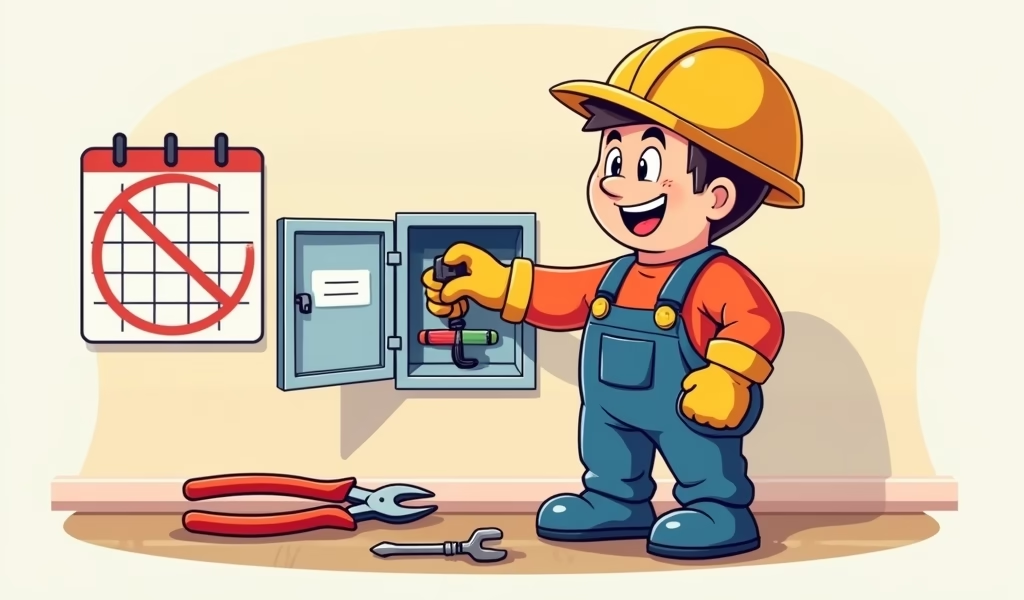
Your car typically gives you clues when a fuse is about to blow or has already blown. Being attentive to these warning signs can save you from being stranded.
The most obvious sign is when an electrical component suddenly stops working. If your radio, power windows, or interior lights suddenly die while everything else works fine, you’re probably dealing with a blown fuse.
Some less obvious signs include:
- Intermittent operation – Components that work sometimes but not others
- Dimming lights – Headlights or dashboard lights that gradually grow dimmer
- Unusual odors – A burning smell from the dashboard area could indicate an overheating fuse
- Multiple failures – Several electrical components failing simultaneously
I once had a customer come in complaining that her windshield wipers, rear defrost, and cigarette lighter all stopped working on the same day. Turned out they all shared a single fuse that had blown due to a minor short in the wiper motor. A $2 fuse replacement saved her from a potential $200+ repair bill.
Learning to recognize these early warning signs can help you address issues before they leave you stranded or lead to more serious electrical problems. Many drivers don’t realize that their car electrical system basics are interconnected, making fuse health even more critical.
Why Fuses Fail
Understanding why fuses blow can help you prevent repeat failures. Contrary to popular belief, fuses don’t typically blow randomly or because they’re “old.” They blow for specific reasons:
- Circuit overloads – Too many devices drawing power from one circuit
- Short circuits – When a wire’s insulation fails and creates an unintended path
- Power surges – Sudden spikes in electrical current
- Faulty components – Failing motors or actuators that draw excessive current
- Water intrusion – Moisture creating shorts in electrical connections
The most common cause I see in my shop is short circuits caused by damaged wiring. Over time, the insulation around wires can wear thin, especially in areas with moving parts like door hinges or under seats. When the bare wire touches metal, it creates a short circuit that immediately blows the fuse.
Another frequent culprit is aftermarket accessories. That fancy new stereo system or those additional fog lights might draw more power than the original circuit was designed to handle. This is why professional installation matters – we know how to upgrade the wiring and fuses to accommodate higher loads.
According to the National Highway Traffic Safety Administration, electrical system failures contribute to a significant percentage of vehicle fires, making proper fuse function essential for safety, not just convenience.
Creating a Fuse Replacement Schedule
Unlike oil changes or timing belts, fuses don’t have a fixed replacement interval. A fuse could theoretically last the lifetime of your vehicle if the electrical system remains in perfect condition. However, creating a proactive inspection schedule can help catch issues before they leave you stranded.
Here’s a simple fuse replacement schedule that works for most vehicles:
- Every 3 months: Visual inspection of main fuse box
- Every 6 months: Check any fuses for systems that have been acting intermittently
- Annually: Complete fuse box inspection, including testing suspicious fuses
- Every 2 years: Consider replacing critical fuses preventively (brake lights, engine management)
- After repairs: Always replace any fuse related to a repaired electrical system
When I maintain my own family vehicles, I’ve made it a habit to check the fuse boxes every time I change the oil. It takes less than five minutes but has prevented countless roadside headaches over the years.
For older vehicles (10+ years) or those driven in harsh conditions (extreme temperatures, dusty environments, or areas with road salt), consider more frequent inspections. Environmental factors can accelerate corrosion and deterioration of electrical connections.
Mark your inspections on your regular car maintenance schedule to ensure you don’t forget this simple but critical task.
DIY Fuse Replacement Guide
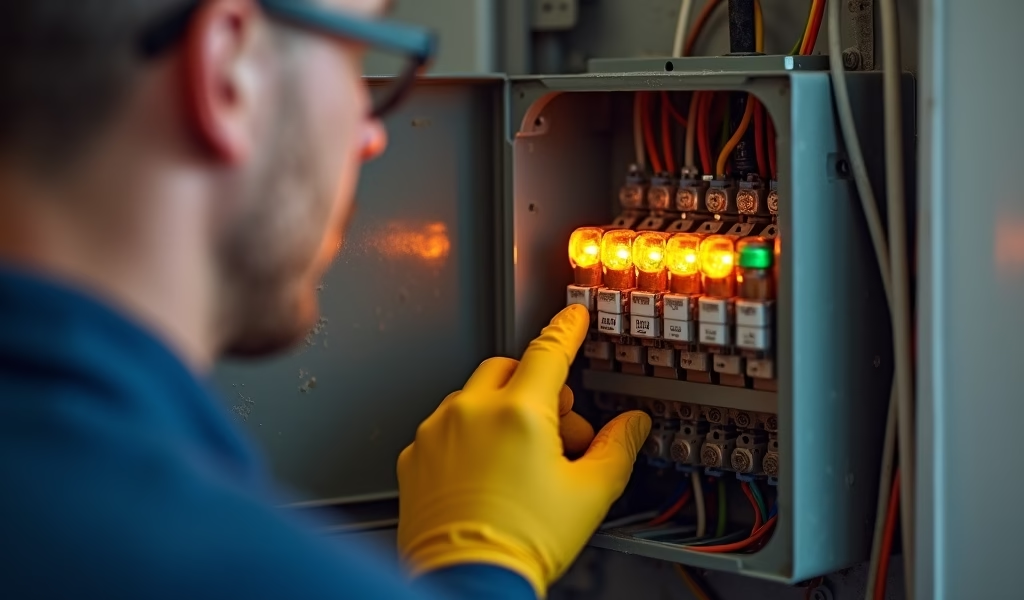
Replacing automotive fuses is one of the easiest maintenance tasks you can perform. Here’s how to do it like a pro:
What you’ll need:
- Replacement fuses (matching the amperage ratings)
- Fuse puller tool (usually located in your fuse box)
- Flashlight
- Your vehicle’s owner’s manual
Step-by-step guide:
- Locate the fuse box. Most vehicles have at least two – one under the hood and one inside the cabin (often under the dashboard or in the glove box).
- Use your owner’s manual to find the fuse box diagram identifying which fuse controls which system.
- Turn off the vehicle completely before removing any fuses.
- Use the fuse puller to gently remove the suspect fuse.
- Hold it up to light – a blown fuse will have a broken metal strip inside or show discoloration.
- Insert a new fuse of the exact same amperage rating (never use a higher-rated fuse).
- Test the previously non-working component to confirm the fix.
Pro tip: I always keep a small assortment of fuses in my glove compartment. A $10 variety pack has saved me (and many stranded motorists I’ve helped) from expensive tow truck bills numerous times.
Remember, if a fuse blows immediately after replacement, stop and investigate the cause. Repeatedly replacing a blown fuse without fixing the underlying issue can lead to more serious electrical problems or even fires.
When to Call a Professional
While fuse replacement itself is simple, diagnosing persistent electrical problems often requires professional help. Here’s when to put down the DIY tools and call a mechanic:
- When the same fuse blows repeatedly despite replacement
- If you notice burning smells, smoke, or melted plastic near electrical components
- When multiple electrical systems fail simultaneously
- If your vehicle has computer-related fault codes alongside fuse problems
- For fuses related to safety systems (airbags, ABS brakes, etc.)
One customer insisted on replacing his tail light fuse himself six times before finally bringing his truck to me. Within 15 minutes, we found a trailer wiring harness that had chafed against the frame, creating a short circuit. The repair was simple, but finding the problem required professional diagnostic equipment.
Modern vehicles have incredibly complex electrical systems with dozens of computerized modules communicating over data networks. A professional technician has the training and equipment to navigate this complexity safely and efficiently.
When choosing a shop for electrical diagnosis, look for ASE-certified technicians with specific certification in electrical/electronic systems (test A6). These professionals have demonstrated their knowledge through rigorous testing and ongoing education.
Cost of Fuse Replacement
One of the best things about fuse maintenance is how inexpensive it is compared to other car repairs. Here’s what you can expect to pay:
- DIY fuse replacement: $2-15 for individual fuses or $10-20 for an assortment pack
- Professional fuse replacement: $20-50 (mostly labor)
- Electrical diagnosis: $80-150 per hour if a problem persists
Compare these costs to the alternatives:
- Tow truck service: $75-125 minimum
- Rental car while yours is being fixed: $40-70 per day
- Repairs for electrical damage due to ignored fuse problems: $200-1,000+
The math makes a compelling case for preventive maintenance. I’ve seen $1,500+ repair bills for engine control modules that could have been protected by a functioning $5 fuse.
For the budget-conscious, prioritize the fuses protecting essential systems. Safety components (lights, brakes, steering) and engine management systems should always take precedence over convenience features like power seats or entertainment systems.
Preventing Future Fuse Failures
The best approach to fuse maintenance is preventing problems before they start. Here are my top tips from 20+ years working on vehicles:
- Keep electrical connections clean and tight – corrosion increases resistance and heat
- Be careful with aftermarket accessories – ensure proper installation with appropriate wire gauge and fuse protection
- Apply dielectric grease to electrical connections in areas exposed to moisture
- Address warning signs immediately – intermittent electrical issues rarely fix themselves
- Use OEM or high-quality fuses – saving a dollar on cheap fuses can cost hundreds in damage
If you live in an area with extreme weather, take extra precautions. Hot climates increase electrical resistance and cooling needs, while cold climates put extra strain on the battery and starter systems. Coastal areas with salt air accelerate corrosion of electrical contacts.
For older vehicles, consider a preventive rewiring of critical circuits. Over time, wire insulation becomes brittle and cracks, creating short circuit risks. This is especially true for wires that flex regularly, like those going to trunk lids or doors.
Finally, keep your battery connections clean and tight. Many electrical issues stem from poor battery connections creating voltage fluctuations that stress the entire electrical system.
Conclusion
A proper fuse replacement schedule might seem like a small detail in the grand scheme of vehicle maintenance, but it represents one of the highest returns on investment in terms of preventing breakdowns and expensive repairs.
Those tiny plastic components with metal strips inside are your vehicle’s first line of defense against electrical problems. They’re designed to fail safely so more expensive components don’t have to. By understanding how they work, inspecting them regularly, and replacing them properly when needed, you’re taking a simple yet powerful step toward more reliable transportation.
Remember that a blown fuse is never the root problem – it’s a symptom of an electrical issue that needs addressing. Treat fuse failures as helpful warning signs rather than annoying inconveniences.
With the simple schedule outlined in this guide, even those with minimal mechanical experience can prevent many common electrical failures. Your future self will thank you when you’re not standing on the roadside waiting for a tow truck on a rainy night!
Frequently Asked Questions
How often should I replace the fuses in my car?
Fuses don’t require regular replacement unless they’ve blown. However, inspect your fuse box every 6-12 months and consider replacing critical system fuses preventively every 3-5 years in older vehicles.
Can I replace a fuse with one of a higher amperage rating?
Never replace a blown fuse with one of higher amperage. This removes the circuit’s protection and can lead to electrical fires or damaged components.
Why does the same fuse keep blowing in my car?
Repeated fuse failures indicate an underlying electrical problem such as a short circuit or failing component. Have the circuit professionally diagnosed rather than continually replacing the fuse.
Can I drive with a blown fuse?
It depends which circuit is affected. While you might safely drive with a non-functioning radio fuse, a blown fuse for headlights, taillights, or engine controls makes driving unsafe and potentially illegal.
Are expensive fuses better than cheap ones?
Quality matters with fuses. OEM or name-brand fuses typically have more precise tolerances and better materials than bargain options, making them more reliable for critical systems.