

Overview
Just like your body’s circulatory system, your vehicle’s fuel lines deliver life-sustaining fluid throughout, but when they fail due to age, environmental factors, or poor maintenance, they can create everything from performance issues to dangerous fire hazards. Understanding the warning signs of deterioration, knowing when to DIY versus calling a professional, and performing timely maintenance can save you hundreds in repair costs while ensuring your vehicle runs safely and efficiently for years to come.
Table of Contents
- Understanding Fuel Lines: The Lifeline of Your Vehicle
- Warning Signs: How to Tell When Fuel Lines Need Attention
- Common Causes of Fuel Line Damage
- DIY vs. Professional Replacement: Making the Right Choice
- Cost Breakdown: What to Expect for Fuel Line Replacement
- Preventative Measures: Extending Fuel Line Life
- Step-by-Step Guide to Fuel Line Replacement
- Common Mistakes to Avoid During Replacement
- Conclusion: Why Timely Fuel Line Maintenance Matters
- Frequently Asked Questions
Understanding Fuel Lines: The Lifeline of Your Vehicle
Fuel lines are the unsung heroes of your vehicle’s fuel delivery system. They transport gasoline or diesel from your tank to the engine, allowing your car to actually run. Think of them as the circulatory system of your vehicle – when they fail, everything else stops working too.
Most vehicles use a combination of rubber and metal fuel lines. Rubber hoses offer flexibility around moving components, while metal lines provide durability for the long stretches underneath your car. These lines operate under constant pressure and are exposed to harsh conditions – from road salt and debris to engine heat and the corrosive effects of fuel itself.
The average fuel line system isn’t particularly complex, but it is critical. A properly functioning set of fuel lines ensures consistent fuel pressure, which translates to reliable engine performance and fuel economy. When these lines begin to deteriorate, you’re looking at potential problems ranging from minor annoyances to serious safety hazards.
Most fuel lines are designed to last between 8-10 years under normal conditions, though learning basic car maintenance can help you spot problems early. Environmental factors like extreme temperatures, salt exposure, and even the ethanol content in modern fuels can significantly shorten their lifespan.
Warning Signs: How to Tell When Fuel Lines Need Attention

Your vehicle will usually give you some warning before fuel lines fail completely. The most obvious sign is the smell of fuel – if your car smells like a gas station, you likely have a leak. This odor might be strongest after parking when the engine’s heat evaporates small amounts of leaking fuel.
Performance issues often accompany failing fuel lines. You might notice rough idling, hesitation during acceleration, or even stalling. These symptoms occur because leaking lines can’t maintain proper fuel pressure, resulting in an inconsistent fuel supply to your engine.
Visual inspection can reveal problems before they become critical. Look for wet spots along visible fuel lines, especially near connection points. Older rubber hoses might show cracking, swelling, or becoming brittle – all signs that replacement is needed sooner rather than later.
The check engine light frequently illuminates when fuel system issues arise. Modern vehicles monitor fuel pressure and will alert you when values fall outside the normal range. If your light comes on accompanied by any of the other symptoms, get your fuel system checked promptly.
Decreased fuel economy can also indicate leaking fuel lines. If you’re suddenly getting fewer miles per gallon and can’t attribute it to driving habits or weather changes, you might be leaving a trail of expensive fuel behind you. According to the U.S. Department of Energy, even minor fuel system issues can reduce fuel economy by 10-20%.
Common Causes of Fuel Line Damage
Age is the most common culprit behind fuel line failure. Rubber fuel hoses naturally degrade over time, losing flexibility and developing cracks. This deterioration accelerates in extreme temperatures – heat makes rubber break down faster, while cold temperatures can make it brittle.
Road hazards pose a significant threat to fuel lines, especially those running along the underside of your vehicle. Debris kicked up from the road, low clearance obstacles, or even ice chunks in winter can impact and damage these vital components. I’ve seen metal lines with dents that eventually developed pinhole leaks at the impact point.
Modern ethanol-blended fuels can be particularly harsh on older fuel systems. Ethanol is more corrosive than traditional gasoline and can accelerate the deterioration of rubber components not designed for it. Vehicles manufactured before the early 2000s are especially vulnerable to this type of damage.
Improper installation during previous repairs often leads to premature failure. Using incorrect parts, improper routing, or failing to secure lines properly can all create stress points that eventually fail. I’ve fixed countless fuel leaks caused by previous “quick fixes” that didn’t last.
Environmental factors play a major role in fuel line longevity. Vehicles in coastal areas face corrosion from salt air, while those in northern climates battle road salt that aggressively attacks metal components. In hot southern climates, the intense heat accelerates rubber deterioration. Understanding these regional challenges helps explain why maintenance schedules should be adjusted based on where you drive.
DIY vs. Professional Replacement: Making the Right Choice
Deciding whether to tackle fuel line replacement yourself depends on several factors. Your mechanical skill level is obviously important – this job falls into the intermediate category. You’ll need basic hand tools, plus specialty disconnecting tools for modern quick-connect fittings.
Safety considerations should be your primary concern. You’ll be working with flammable fuel, so proper ventilation, fire safety precautions, and correct fuel handling procedures are essential. Never attempt fuel system work near ignition sources or without proper containment for spilled fuel.
The complexity varies widely by vehicle model. Older vehicles with simple fuel systems might only require basic tools and mechanical knowledge. Modern vehicles with high-pressure fuel injection systems and complex routing often require specialized tools and expertise that most home mechanics don’t possess.
Time investment is another consideration. What might take a professional 2-3 hours could easily consume an entire weekend for someone doing it for the first time. You’ll need to factor in research time, tool acquisition, and the inevitable unexpected challenges that arise during any automotive repair.
Professional replacement offers peace of mind. A quality repair shop will warranty their work, use proper materials, and have the experience to identify related issues that might need attention. For many drivers, the extra cost is worth knowing the job was done right, especially for a system as critical as fuel delivery.
If you’re determined to try the DIY route, consider these essential car maintenance tips before starting. At minimum, consult a model-specific repair manual and research proper fuel handling procedures. The National Highway Traffic Safety Administration also provides valuable safety guidance for vehicle repairs.
Cost Breakdown: What to Expect for Fuel Line Replacement
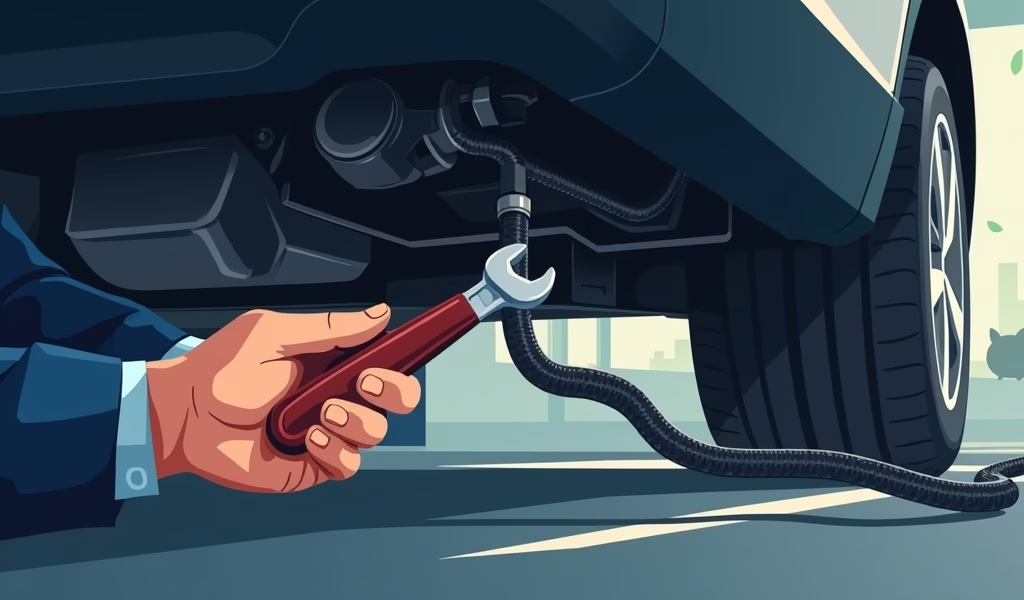
The cost of fuel line replacement varies significantly depending on your vehicle and the extent of the damage. For parts alone, you’re typically looking at $50-$200 for a complete set of lines. Premium or specialty vehicles might cost considerably more due to material quality and specialized fittings.
Labor is where the bigger expenses come in. Professional replacement typically requires 1.5-3 hours of shop time, at rates ranging from $75-$150 per hour depending on your location and whether you choose a dealership or independent shop. This translates to labor costs between $112-$450.
All told, most passenger vehicles will cost between $200-$600 for complete fuel line replacement. SUVs and trucks with larger, more complex fuel systems might run $400-$800. Luxury vehicles with specialized components can exceed $1,000 for the same service.
These costs might seem significant, but they pale in comparison to the potential expense of ignoring the problem. A complete fuel system failure could leave you stranded and facing towing fees. More seriously, leaking fuel lines create fire hazards that could result in catastrophic damage or injury.
One way to reduce costs is through affordable car repair strategies like sourcing your own parts or finding a reputable independent mechanic rather than using a dealership. Some shops will also allow you to bring in quality parts you’ve purchased yourself, though policies vary widely.
Remember that complete replacement isn’t always necessary. Sometimes only sections of the fuel line system need replacement, which can significantly reduce both parts and labor costs. A good mechanic will identify exactly which components need attention rather than automatically replacing the entire system.
Preventative Measures: Extending Fuel Line Life
Regular inspection is your first line of defense against fuel line problems. Make it a habit to visually check visible fuel lines when performing routine maintenance like oil changes. Look for wet spots, corrosion on metal lines, or cracking and hardening of rubber sections.
Keep your vehicle clean, especially if you drive in areas where road salt is used. A thorough undercarriage wash several times during winter can significantly extend the life of metal fuel lines by removing corrosive salt buildup. This simple step can add years to your fuel system’s lifespan.
Fuel quality matters more than most drivers realize. Using top-tier fuels with proper detergent additives helps keep your entire fuel system cleaner. For vehicles that sit unused for extended periods, adding fuel stabilizer prevents ethanol separation and degradation that can damage fuel lines from the inside.
Protective measures like fuel line shields or heat sleeves can be worthwhile investments in extreme climates. These relatively inexpensive additions provide an extra layer of defense against heat, road debris, and environmental factors, especially for vulnerable sections of your fuel system.
Park smart when possible. Regularly parking in direct sunlight accelerates the breakdown of rubber components. If you have access to covered or garage parking, your vehicle’s fuel lines (and many other components) will thank you with extended service life.
Remember that replacement at the first sign of deterioration is often the most economical approach. Catching problems early typically means simpler repairs limited to the affected sections, rather than complete system replacement after catastrophic failure.
Step-by-Step Guide to Fuel Line Replacement
If you’ve decided to tackle fuel line replacement yourself, here’s my professional guidance to do it safely and effectively. This is a generalized guide – always consult model-specific instructions for your vehicle.
First, gather the proper materials and tools. You’ll need replacement fuel line of the correct diameter and material (fuel-specific hose, not general-purpose), appropriate clamps or fittings, basic hand tools, fuel line disconnect tools specific to your vehicle, and safety equipment including gloves, eye protection, and a fire extinguisher.
Safety preparations are critical. Work in a well-ventilated area away from ignition sources. Disconnect the battery to prevent electrical sparks. Relieve fuel system pressure following your vehicle’s specific procedure – usually involving removing the fuel pump fuse and running the engine until it stalls.
For the actual replacement process:
- Place a drain pan under connection points to catch fuel
- Remove any heat shields or covers protecting the fuel lines
- Use appropriate disconnect tools to separate fittings without damaging them
- Remove the damaged section of line, noting exactly how it was routed
- Install the new line following the same routing, ensuring it doesn’t contact moving parts or heat sources
- Secure with appropriate clamps or connectors, being careful not to overtighten
- Replace any heat shields or protective covers
- Reconnect the battery and restore the fuel pump fuse
Testing is essential before considering the job complete. Turn the key to the “on” position without starting the engine – this activates the fuel pump and pressurizes the system. Check all connection points for leaks. If everything looks dry, start the engine and inspect again under pressure.
If you encounter quick-connect fittings, specialized tools are usually required to release them without damage. These vary by manufacturer, so research your specific vehicle before attempting disconnection. Improper removal can damage both the fitting and the fuel line.
Remember that fuel system work requires precise attention to detail. Any leak, no matter how small, creates both performance issues and safety hazards. When in doubt about any aspect of the procedure, consult professional help – fuel system integrity isn’t something to compromise on.
Common Mistakes to Avoid During Replacement
After decades in the shop, I’ve seen countless fuel line replacement mistakes. Using incorrect hose material tops the list – never substitute general-purpose hose for fuel-specific line. General hose will deteriorate rapidly when exposed to fuel, creating dangerous leaks. Always use hose specifically rated for fuel systems and the type of fuel your vehicle uses.
Improper routing causes many premature failures. New fuel lines must follow the same path as the originals, using all factory securing points. Improvised routing often creates contact with hot exhaust components or moving parts that will quickly damage the new lines.
Connection errors are surprisingly common. Over-tightening clamps can cut into the hose material, while under-tightening allows leaks. Follow torque specifications when available, or tighten just enough to create a secure seal without deforming the hose. With threaded connections, always use the correct wrenches to avoid rounding off fittings.
Skipping pressure testing is a serious oversight. Many DIYers reconnect everything, start the engine, and consider the job complete if there are no obvious leaks. Proper testing involves pressurizing the system before starting the engine and thoroughly inspecting all connection points with a flashlight. Minor seepage that’s barely visible can indicate improper fitting that will worsen over time.
Neglecting related components often leads to callbacks. When fuel lines require replacement due to age, nearby components like fuel filters, pressure regulators, and even fuel pump assemblies may be nearing the end of their service life as well. Consider the condition of the entire fuel system when one component fails.
Finally, improper disposal of fuel and old components creates environmental hazards. Collect all drained fuel in approved containers and take it to a recycling center. Never pour it on the ground or down drains, as automotive professionals know this is both illegal and environmentally destructive.
Conclusion: Why Timely Fuel Line Maintenance Matters
Fuel line replacement might not be the most glamorous maintenance task, but it’s one of the most important for your vehicle’s safety, reliability, and longevity. By understanding the warning signs and addressing issues promptly, you avoid the cascade of problems that stem from fuel line failures – from poor performance and diminished fuel economy to potentially dangerous leaks.
The financial equation clearly favors preventative maintenance. Replacing degrading fuel lines before they fail completely typically costs a fraction of the emergency repairs, towing charges, and related component damage that results from catastrophic failure. Think of it as an investment that pays dividends in reliability and peace of mind.
Whether you choose the DIY route or professional service, the important thing is addressing the issue before it becomes an emergency. Your vehicle gives you plenty of warning signs – from the smell of fuel to performance changes – long before complete failure. Heeding these warnings saves you money, prevents inconvenient breakdowns, and most importantly, keeps you and your passengers safe.
Remember that fuel lines are just one component in your vehicle’s complex systems. Maintaining them properly is part of a holistic approach to vehicle care that extends your car’s useful life and maximizes your transportation investment. Your future self will thank you for the attention to detail today that prevents major headaches tomorrow.
Frequently Asked Questions
How often should fuel lines be replaced?
Fuel lines typically need replacement every 8-10 years under normal conditions. Environmental factors like extreme temperatures or high-ethanol fuels can accelerate deterioration, requiring earlier replacement.
Can I drive with a small fuel line leak?
No, even small fuel leaks create serious fire hazards and should be addressed immediately. Any fuel odor or visible leakage warrants immediate attention, not continued driving.
How much does fuel line replacement typically cost?
Expect to pay $200-$600 for most passenger vehicles, including parts and labor. Complex systems or luxury vehicles may cost $400-$1,000+ depending on accessibility and parts requirements.
What causes fuel lines to fail prematurely?
Premature failure usually stems from exposure to extreme temperatures, road salt corrosion, physical damage from road debris, or incompatibility with ethanol-blended fuels. Improper previous repairs are another common culprit.
Will bad fuel lines affect gas mileage?
Yes, deteriorating fuel lines can significantly reduce fuel economy by causing pressure losses and improper fuel delivery. Even small leaks can reduce efficiency by 10-20% while creating serious safety hazards.