
Overview
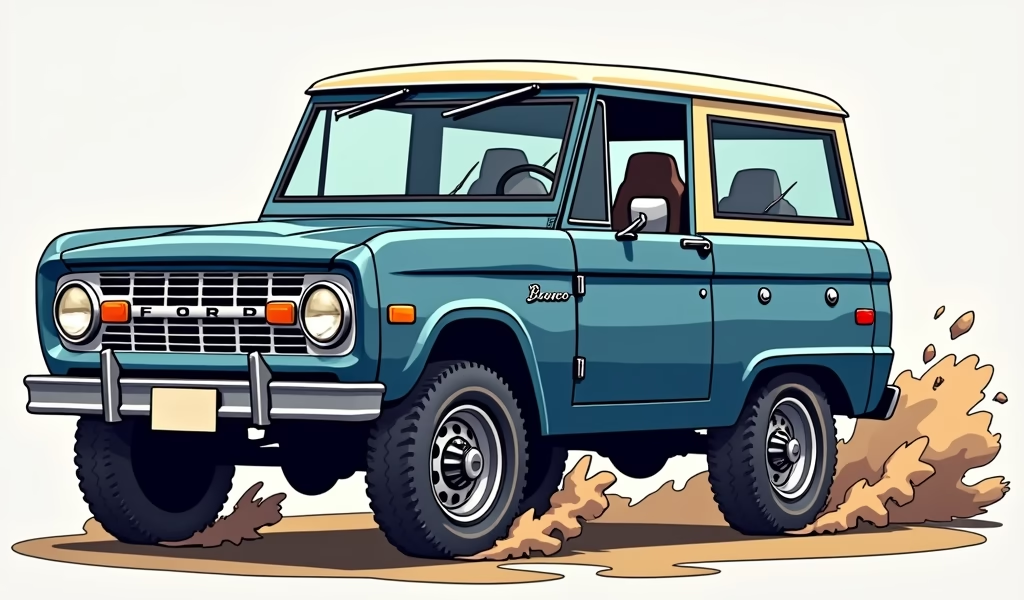
Just like a good interpreter between your engine and wheels, a well-maintained Ford Bronco transmission can deliver 150,000-200,000 miles of reliable service through your toughest adventures. Regular maintenance—including fluid checks, timely changes every 30,000-60,000 miles, and prompt attention to warning signs like unusual noises or delayed engagement—can help you avoid the budget-breaking difference between a $200 preventative service and a $4,000 transmission rebuild.
Table of Contents
- Understanding Ford Bronco Transmissions
- Common Transmission Issues
- Warning Signs of Transmission Problems
- Preventative Maintenance
- DIY Solutions
- When to Seek Professional Help
- Cost-Saving Strategies
- Conclusion
- Frequently Asked Questions
Understanding Ford Bronco Transmissions
The Ford Bronco’s transmission system is the unsung hero behind this iconic vehicle’s legendary off-road capability. Whether you’re driving a classic Bronco from the ’70s or the latest model, understanding how your transmission works is your first line of defense against costly repairs.
Ford Broncos typically come equipped with either a manual or automatic transmission depending on the model year. The newest Broncos feature either a 10-speed automatic or a 7-speed manual with a dedicated crawler gear for serious off-roading. These modern systems are engineering marvels, but they’re also complex beasts that require proper care.
Think of your transmission as the interpreter between your engine and wheels. It translates raw engine power into usable force at different speeds. Unlike simpler automatic transmission systems in standard vehicles, Bronco transmissions face unique challenges due to the vehicle’s off-road pedigree.
The combination of rough terrain, water crossings, and temperature extremes puts significant stress on transmission components. Add in the demands of the 4×4 system, and you’ve got a recipe for premature wear if maintenance falls by the wayside.
Even with these challenges, a well-maintained Bronco transmission should last between 150,000 to 200,000 miles under normal conditions. Regular maintenance isn’t just about avoiding repairs—it’s about preserving your Bronco’s performance and reliability when you need it most.
Common Transmission Issues
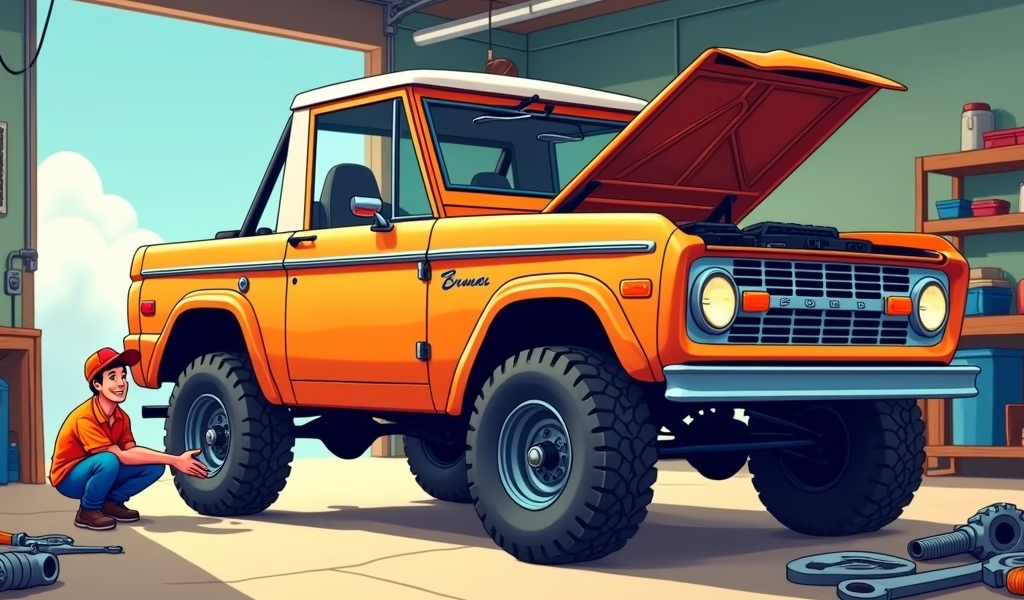
Bronco owners tend to encounter several recurring transmission problems, regardless of generation. Knowing these common issues can help you spot trouble before it leaves you stranded.
Fluid leaks are perhaps the most frequent culprit. The transmission contains numerous seals and gaskets that can deteriorate over time, especially when subjected to extreme temperatures during off-road adventures. A small puddle of reddish fluid under your parked Bronco is never a good sign.
Shifting problems plague many Broncos, particularly those with automatic transmissions. Harsh shifts, delayed engagement, or refusal to shift into certain gears often indicate worn internal components or electronic control issues. The 10-speed automatics in newer Broncos are especially sensitive to fluid quality and level.
Overheating is a silent killer of Bronco transmissions. According to transmission specialists, operating temperatures above 200°F can significantly reduce fluid life, while temperatures exceeding 250°F can cause rapid internal damage. Off-roading in low-range gears for extended periods is a common cause of overheating.
Electronic control issues have become more prevalent in modern Broncos. The complex solenoids and sensors that manage shifting can fail, resulting in erratic behavior. Fortunately, these problems are often repairable without a complete transmission rebuild.
Torque converter problems typically manifest as shuddering or vibration, particularly at cruising speeds. This component transfers power from the engine to the transmission in automatic models and can wear out over time.
Clutch wear in manual transmissions is inevitable but can be accelerated by aggressive driving habits or improper adjustment. The good news is that clutch replacement is generally less expensive than automatic transmission repairs.
Warning Signs of Transmission Problems
Your Bronco will usually give you plenty of warning before a catastrophic transmission failure. The key is knowing what to look and listen for.
Unusual noises are often your first clue. A healthy transmission should operate quietly, so any whining, grinding, clunking, or buzzing deserves immediate attention. Different sounds can indicate specific issues—grinding often suggests gear damage, while whining might point to low fluid levels.
Delayed engagement after shifting into drive or reverse is never normal. If your Bronco hesitates for more than a second before moving, your transmission fluid may be low or degraded, or internal components could be worn.
Slipping gears feels like your engine is revving without corresponding acceleration, or your vehicle suddenly shifts to neutral while driving. This serious symptom indicates advanced internal wear and should never be ignored.
Burning odors, especially those resembling burning paper, often indicate overheating transmission fluid. This commonly occurs during challenging off-road maneuvers or when towing beyond your vehicle’s capacity.
Warning lights on your dashboard shouldn’t be dismissed. Modern Broncos have sophisticated monitoring systems that can detect problems before they become obvious to the driver. When that transmission warning light illuminates, it’s time for a diagnostic check.
Rough shifting that feels like a kick or jolt when changing gears indicates your transmission isn’t engaging smoothly. This can stem from worn components, electronic control issues, or contaminated fluid.
Fluid leaks appear as red or brown puddles beneath your vehicle. Even small leaks can eventually lead to low fluid levels and the cascade of problems that follow.
Preventative Maintenance
An ounce of prevention is worth a pound of cure—especially when it comes to your Bronco’s transmission. A consistent maintenance schedule is your best defense against expensive repairs.
Regular fluid checks should be part of your routine. Unlike engine oil, transmission fluid doesn’t burn off, so low levels always indicate a leak. Check your fluid when the engine is running and warm, with the transmission in park or neutral. The fluid should be bright red, not brown or black, and should smell slightly sweet, not burnt.
Fluid changes are crucial even if Ford claims some transmissions have “lifetime” fluid. In real-world conditions, especially for off-road vehicles, transmission fluid should be changed every 30,000-60,000 miles. More frequent changes are recommended if you regularly tow or tackle challenging terrain.
Filter replacement is often overlooked but equally important. Most automatic transmissions have a filter that prevents contaminants from circulating through the system. These should be replaced with each fluid change.
Cooling system maintenance directly impacts transmission longevity. Your transmission relies on a cooler (often integrated into the radiator) to maintain proper operating temperatures. Ensure this system is functioning correctly, especially if you use your Bronco for towing or serious off-roading.
Consider installing an auxiliary transmission cooler if you frequently push your Bronco to its limits. This relatively inexpensive upgrade can dramatically extend transmission life by keeping operating temperatures in the optimal range.
Drive smart to reduce transmission strain. Allow your vehicle to warm up before driving aggressively, especially in cold weather. Come to a complete stop before shifting between drive and reverse. When off-roading, use appropriate 4×4 modes and avoid lugging the engine in too high a gear on steep inclines.
DIY Solutions
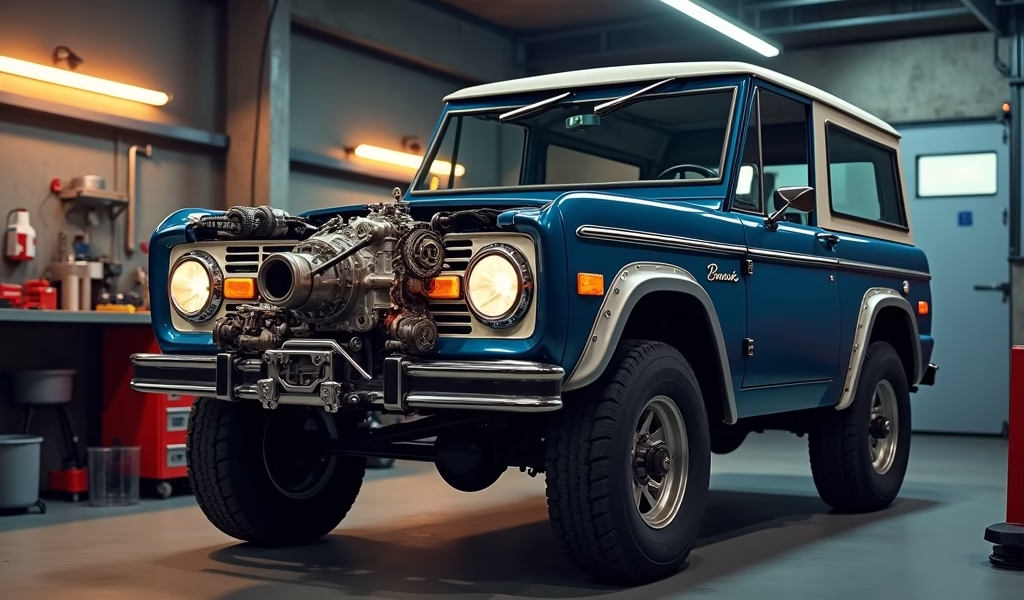
Not every transmission problem requires professional intervention. Many maintenance tasks and minor repairs are well within the capabilities of mechanically inclined Bronco owners.
Checking and topping off fluid is straightforward. With the engine running and warmed up, locate the transmission dipstick (usually with a red handle), wipe it clean, reinsert it, then check the level and condition of the fluid. Add the manufacturer-recommended fluid type if needed.
Changing transmission fluid and filter is a reasonable DIY job for most Bronco models. You’ll need to locate the drain plug or pan, drain the old fluid, replace the filter and gasket, reinstall the pan, and refill with new fluid. Just remember that most drain-and-fill procedures only replace about 40-60% of the total fluid.
Adjusting shift linkages can sometimes resolve shifting issues in older Broncos. This involves fine-tuning the mechanical connection between your shift lever and the transmission. Each model has specific adjustment points and procedures outlined in service manuals.
Cleaning transmission cooler lines can improve cooling efficiency. Over time, these lines can accumulate grime and debris that restrict flow. Carefully disconnect, flush, and reconnect these lines following proper procedures.
Addressing minor leaks is possible with transmission sealer additives for very small seeps. However, these products aren’t miracle cures and won’t fix significant leaks. For persistent leaks, replacing the affected gasket or seal is the proper solution.
Installing an auxiliary cooler is a popular weekend project that can significantly extend transmission life. Quality kits come with detailed instructions and typically mount in front of your radiator for maximum airflow.
Remember to always use the exact transmission fluid specified in your owner’s manual. Modern Broncos with 10-speed automatics are particularly sensitive to fluid formulation, and using the wrong type can cause serious damage.
When to Seek Professional Help
While DIY maintenance is admirable, some transmission issues demand professional expertise. Knowing when to call in the pros can save you from turning a manageable problem into a catastrophe.
Complete transmission rebuilds should always be left to specialists. This complex job involves disassembling the entire transmission, inspecting each component, replacing worn parts, and carefully reassembling everything to factory specifications. According to transmission specialists, a proper rebuild requires specialized tools, extensive knowledge, and meticulous attention to detail.
Electronic diagnosis of modern Bronco transmissions requires professional-grade scan tools. The sophisticated control modules in newer models store specific fault codes that can pinpoint issues with remarkable precision. Most independent shops charge $75-150 for comprehensive diagnosis.
Torque converter replacement is labor-intensive and requires removing the transmission. This job involves precision work that impacts the entire drivetrain, making it best left to experienced technicians.
Internal seal and clutch pack replacements also necessitate transmission removal and partial disassembly. These components are at the heart of your transmission’s operation and require exact measurements and adjustment during installation.
When choosing a transmission specialist, seek shops that focus exclusively on transmissions rather than general repair facilities. For vintage Broncos, look for technicians with experience in classic Ford transmissions. Ask about warranty terms and whether they perform the work in-house or outsource to third parties.
The cost of professional transmission work varies widely based on the specific issue and your Bronco’s model year. Basic services like fluid changes typically run $150-300, while complete rebuilds can range from $1,800-3,500. Full replacement with a remanufactured unit might cost $3,000-5,000 depending on your model.
Cost-Saving Strategies
Even when professional help is necessary, there are ways to minimize the financial impact of transmission repairs.
Get multiple opinions before authorizing extensive work. Some shops might recommend a complete rebuild when a simpler repair would suffice. A second diagnostic opinion typically costs less than $100 and could save thousands.
Consider remanufactured transmissions when replacement is necessary. These units are completely disassembled, inspected, and rebuilt with new wear components to meet original specifications. They typically cost 30-50% less than new transmissions while offering similar reliability.
Ask about rebuilt components rather than complete replacement. In many cases, only specific parts of your transmission have failed. Good shops can replace just the damaged components, saving you considerable expense.
Negotiate warranty terms for major work. Quality transmission shops should offer at least a 12-month/12,000-mile warranty on rebuilds, with many extending coverage to 24 or 36 months. This protection ensures you won’t pay twice for the same repair.
Consider replacing your shift knob while transmission work is being done. While this won’t affect function, it can enhance the driving experience and is more economical when done alongside other transmission work.
Supply your own fluid for routine maintenance to save on markup. Purchasing quality transmission fluid in bulk can reduce service costs, particularly for the specialized fluids required by newer Broncos. Just ensure it meets manufacturer specifications.
Join Bronco owner forums and social media groups to tap into collective knowledge. Fellow owners can often recommend trustworthy, reasonably priced specialists in your area and share experiences with similar transmission issues.
Conclusion
Your Ford Bronco’s transmission is a remarkable piece of engineering that, with proper care, will provide years of reliable service through all your adventures. By understanding the warning signs of trouble and committing to regular maintenance, you can avoid many of the costly repairs that plague neglected vehicles.
Remember that preventative care is always less expensive than reactive repairs. A $200 fluid service every 30,000 miles pales in comparison to a $4,000 rebuild after catastrophic failure. Take the time to check your fluid regularly, listen for unusual noises, and address small problems before they become major headaches.
When professional help becomes necessary, do your research to find reputable specialists who understand the unique needs of Bronco transmissions. Ask questions, get multiple opinions, and don’t be afraid to advocate for your vehicle.
Whether you’re crawling over rocks in Moab or commuting through city traffic, your Bronco deserves the attention that will keep its transmission shifting smoothly for years to come. With the knowledge you’ve gained from this guide, you’re well-equipped to provide that care and avoid joining the ranks of owners facing unexpected, budget-breaking repairs.
Frequently Asked Questions
How often should I change the transmission fluid in my Ford Bronco?
For normal driving, change your transmission fluid every 30,000-60,000 miles. If you frequently tow or off-road, consider more frequent changes around every 30,000 miles.
What are the first signs of transmission failure in a Bronco?
Early warning signs include delayed engagement when shifting into gear, unusual noises (whining, grinding, clunking), and fluid leaks. Don’t ignore these symptoms as they typically worsen with time.
Can I tow my Bronco with a transmission problem?
Never tow your Bronco with the drive wheels on the ground if you suspect transmission issues. Use a flatbed trailer or properly disconnect the driveshaft to prevent further damage.
Why does my Bronco’s transmission overheat during off-roading?
Off-roading in low-range gears creates significant heat due to the torque multiplication and slower fluid circulation. Consider installing an auxiliary transmission cooler if you frequently tackle challenging terrain.
Is it worth rebuilding an old Bronco transmission or should I replace it?
Rebuilding is often more economical for vintage Broncos with simpler transmissions, while replacement might make more sense for modern models. The decision depends on your specific model, the extent of damage, and available replacement options.