
Overview
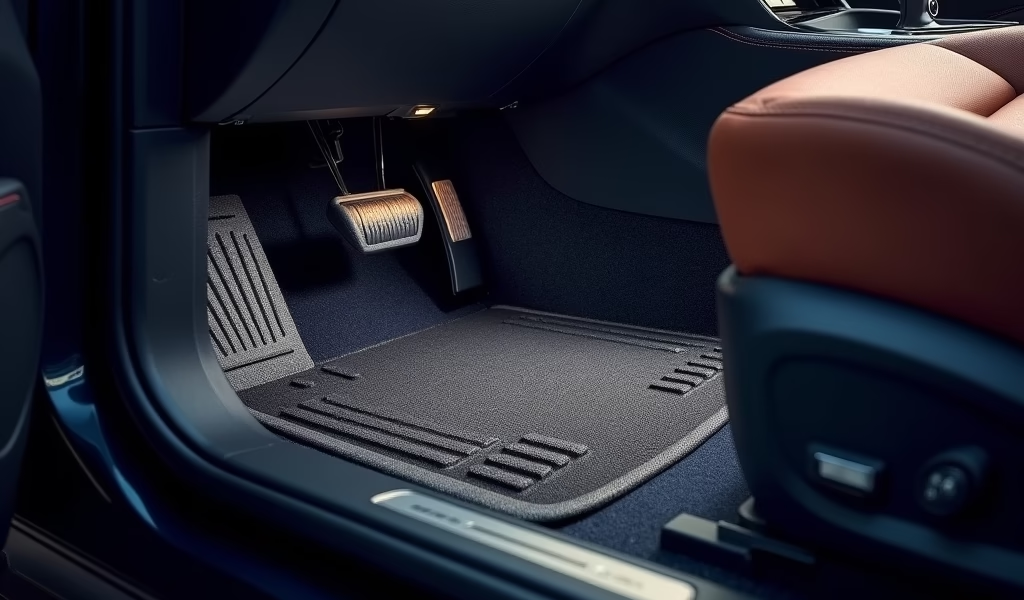
Ever faced the heart-stopping moment when your floor mat slides under your brake pedal? This article presents six effective solutions to keep floor mats securely in place—ranging from quick fixes like double-sided tape and non-slip pads to more permanent options like silicone caulk—emphasizing that proper anchoring isn’t just about convenience but critical safety, especially in vehicles where slipping mats can cause serious accidents.
Table of Contents
- Introduction
- Understanding the Issue: Why Floor Mats Slip
- Solution 1: Double-Sided Carpet Tape
- Solution 2: Non-Slip Rug Pads and Grippers
- Solution 3: Velcro Strips – Simple Yet Effective
- Solution 4: The Silicone Caulk Method
- Solution 5: Corner Weights and Furniture Anchors
- Solution 6: Anti-Slip Spray Products
- Comparing All Solutions
- Conclusion
- Frequently Asked Questions
Introduction
Ever slammed on the brakes only to feel your floor mat slide forward under your pedals? That heart-dropping moment is more than just startling—it’s downright dangerous. As a master mechanic with 20+ years under my belt, I’ve seen how unsecured floor mats can cause real problems, from minor distractions to serious accidents.
Floor mat slippage isn’t just a car issue; it affects homes too. Whether it’s your bathroom mat playing slip-n-slide or your vehicle’s carpets migrating under your pedals, proper anchoring is crucial for safety and convenience. In fact, the National Highway Traffic Safety Administration has issued advisories about the dangers of unsecured floor mats interfering with vehicle controls.
Today, I’ll walk you through six proven methods to keep those stubborn mats exactly where they belong. From quick DIY fixes to more permanent solutions, we’ve got options for every situation and budget. Let’s put the skids on slipping mats once and for all!
Understanding the Issue: Why Floor Mats Slip
Before diving into solutions, let’s understand why those pesky mats won’t stay put. Floor mats slip primarily because of insufficient friction between the mat and the surface beneath. Several factors contribute to this slippery situation:
- Smooth flooring surfaces (especially vinyl, polished wood, or car interior plastics)
- Wear and tear on the mat’s backing material
- Cleaning products that leave residue, reducing friction
- Temperature and humidity changes affecting grip
- Lightweight mats without enough mass to stay in place
In vehicles, the problem is compounded by acceleration, braking, and the constant movement of feet. This creates a genuinely hazardous situation—a sliding mat can interfere with pedal operation, potentially causing accidents. According to Consumer Reports, improper floor mat installation has been linked to numerous accidents and recalls over the years.
Now that we understand the “why,” let’s tackle the “how” of keeping those mats firmly anchored.
Solution 1: Double-Sided Carpet Tape
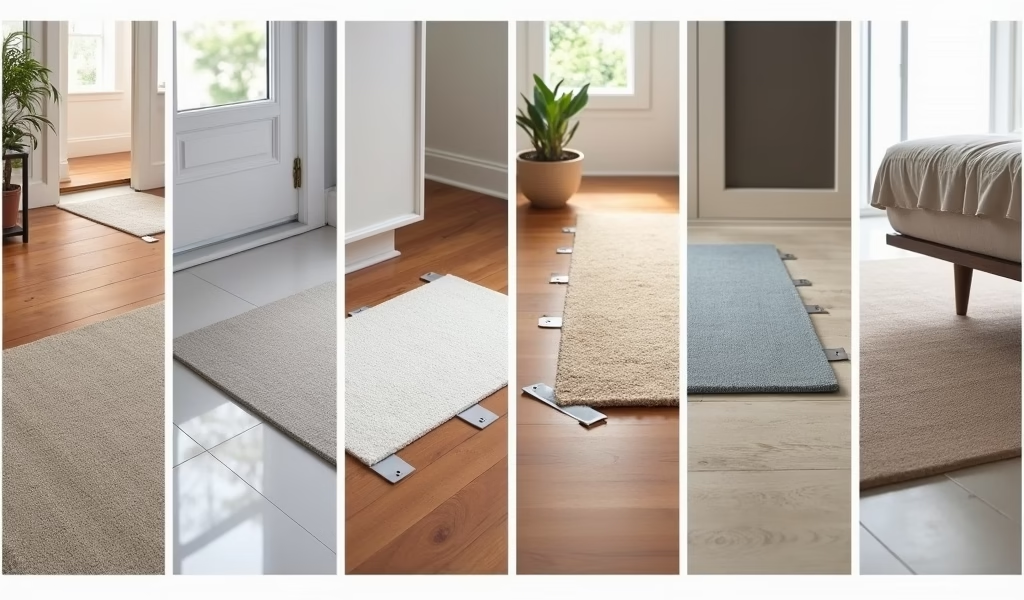
Double-sided carpet tape is the quick-fix champion in the world of floor mat anchoring. This sticky solution creates an adhesive bond between your mat and the floor, effectively creating a “no-slip zone” that keeps everything in place.
How It Works
Think of double-sided tape as relationship counseling for your floor and mat—it creates a strong bond between two surfaces that otherwise might not stick together. The adhesive works on multiple surfaces and provides immediate results without any complex installation.
Application Process
Even if you’re not a DIY enthusiast, this solution is refreshingly simple:
- Clean both the floor surface and the underside of your mat thoroughly
- Cut strips to fit the perimeter and add a few strips across the center
- Remove the protective backing from one side and press firmly onto your mat
- Remove the remaining backing and place the mat in position
- Apply pressure across the entire mat to ensure proper adhesion
For car applications, focus on the driver’s side mat first, as it’s the most critical for safety. Make sure to place strips where they won’t interfere with any factory anchor points your vehicle might have.
Best Surfaces and Considerations
Double-sided tape works wonders on hardwood, laminate, tile, and most car floor surfaces. However, be cautious with delicate flooring materials as some adhesives can leave residue or even damage certain finishes when removed.
The main advantages include affordability (typically under $10 for enough tape to secure multiple mats) and availability—you can find it at any hardware or automotive store. The downside? It’s not a permanent solution and may require replacement every few months, especially in high-traffic areas or during extreme temperature fluctuations in your vehicle.
For those looking to maintain a clean car interior while ensuring safety, this quick fix offers a nice balance between effectiveness and convenience.
Solution 2: Non-Slip Rug Pads and Grippers
Non-slip pads and grippers are the unsung heroes of the floor mat world. These thin, textured sheets sit between your mat and the floor, creating friction that keeps everything in place without any adhesives.
Types of Non-Slip Pads
The market offers several varieties to choose from:
- Rubber waffle-pattern pads: Excellent for heavy-duty applications
- PVC mesh grippers: Lightweight and easy to trim
- Polyester blend pads: Good for delicate flooring surfaces
- Memory foam-backed pads: Provide cushioning along with grip
For automotive use, thinner rubber or PVC options typically work best as they won’t interfere with pedal operation or door clearance.
Installation: Simplicity Itself
One of the biggest advantages of this method is its simplicity:
- Measure and cut the pad slightly smaller than your mat
- Place it on the floor where your mat will go
- Position your mat on top of the pad
- Press down to ensure good contact between all surfaces
No glue, no tools, no waiting—immediate results with zero commitment. If you need to clean under the mat, simply lift everything up and replace when done.
Effectiveness and Longevity
These pads perform exceptionally well on most hard surfaces. They’re particularly effective on tile, hardwood, and the vinyl or carpet flooring in vehicles. In cars, they can be cut to fit perfectly in footwells, providing a secure foundation for your factory or aftermarket mats.
Quality matters tremendously with these products. A premium non-slip pad can last years, while bargain bin options might compress and lose effectiveness after just a few months. For vehicle applications where safety is paramount, invest in rubber or high-density PVC options that maintain their grip despite temperature fluctuations and frequent foot movement.
This solution strikes an excellent balance for those who want effective anchoring without permanent installation, making it perfect for leased vehicles or rental properties where you can’t make permanent modifications.
Solution 3: Velcro Strips – Simple Yet Effective
Velcro strips provide that satisfying “rip” sound while delivering serious anchoring power. This hook-and-loop fastening system offers the perfect middle ground between temporary and permanent solutions.
The Velcro Advantage
The beauty of Velcro lies in its clever two-part design: attach the “hook” side to your floor and the “loop” side to your mat, and you’ve created a secure connection that can be easily separated when needed. For vehicle applications, this allows for easy removal during detailed car cleaning sessions while maintaining security during daily driving.
Installation Tips from a Pro
For optimal performance with Velcro strips:
- Use industrial-strength adhesive Velcro for high-traffic areas and vehicle applications
- Clean surfaces thoroughly with alcohol before application
- Place strips strategically at corners and across the center in a grid pattern
- Apply firm pressure when adhering both sides
- Allow adhesive to set for 24 hours before putting tension on the connection
In vehicles, I recommend placing strips where they won’t interfere with factory floor mat anchoring points—many modern vehicles include these as standard safety features.
Best Applications
Velcro works exceptionally well with heavier, sturdier mats that won’t curl at the edges. It’s ideal for entrance mats, kitchen mats, and those premium all-weather car mats you invested in. The removability aspect makes this solution particularly valuable for seasonal mat swapping or when you need to thoroughly clean under and around your mats.
One word of caution: in extremely hot environments, like vehicles parked in direct sunlight during summer, the adhesive backing on some Velcro products can soften. For these applications, consider supplementing with a few drops of fabric glue to reinforce the adhesive bond between the Velcro and your mat.
Solution 4: The Silicone Caulk Method
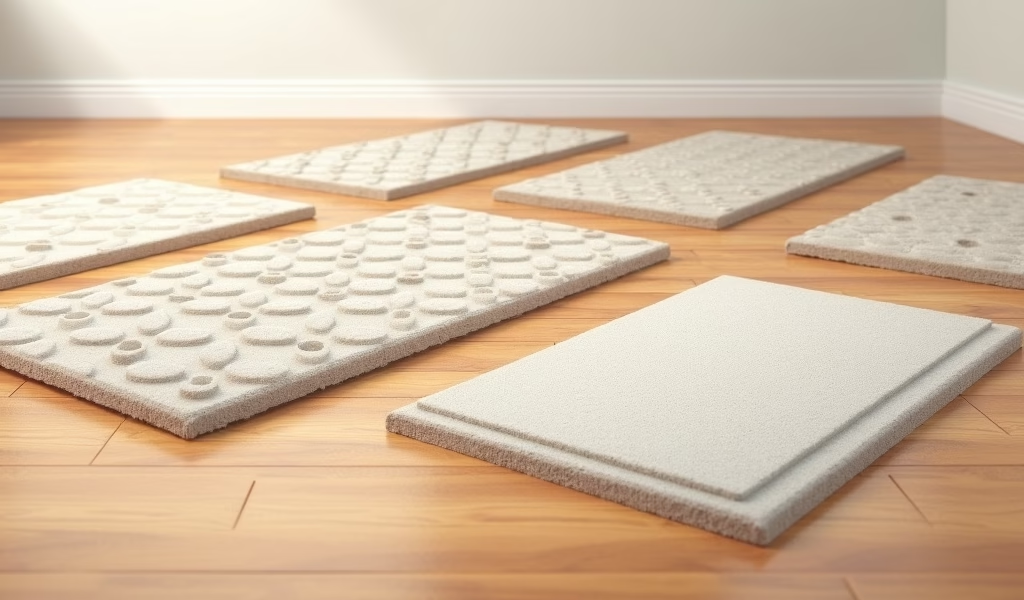
Now we’re getting serious! The silicone caulk method is my go-to recommendation for those seeking a long-term solution. This technique creates a custom-textured grip on the underside of your mat that works like tiny suction cups against your floor.
Step-by-Step Application
For those ready to commit to slip-free living:
- Flip your mat upside down and clean thoroughly with soap and water
- Allow to dry completely
- Apply thin lines of clear silicone caulk in a grid pattern (lines about 2-3 inches apart)
- Create small dots at regular intervals between the lines for additional grip
- Allow to dry completely—this typically takes 24 hours, but check your caulk’s specific instructions
- Once dry, place on your floor and enjoy the slip-proof results
The key here is patience during the drying process. Rushing this step will result in a messy situation and ineffective anchoring. Trust me, I’ve seen the silicone smears from hasty applications!
Permanence Considerations
This solution leans toward the permanent side of the spectrum. While the mat can still be removed from the floor, the silicone pattern remains permanently attached to the mat. Consider this the “marriage” option in floor mat anchoring—a long-term commitment!
The good news is that unlike some permanent modifications, this one won’t damage your flooring. The silicone creates grip through surface tension rather than adhesive bonding, so your floors remain unharmed.
Effectiveness Rating
When properly applied, the silicone caulk method earns a solid 9/10 for effectiveness. It creates a custom-textured grip that works on virtually any surface and lasts for years. In vehicles, where safety is critical, this method provides peace of mind that your mats will stay put through emergency braking situations.
For professional drivers and those with active families constantly entering and exiting vehicles, this extra security makes the additional effort worthwhile. The safety benefits alone justify the time investment for this more permanent solution.
Solution 5: Corner Weights and Furniture Anchors
Sometimes the simplest solutions are the most elegant. Corner weights use gravity—the most reliable force we know—to keep your mats in place. This old-school approach has stood the test of time for good reason.
Types of Weights Available
The market offers several attractive options:
- Decorative metal corners that blend with your décor
- Bean bag-style weighted pouches
- Purpose-made furniture anchors that can be repurposed
- Weighted strips that run along entire edges
For vehicle applications, sleek, low-profile options work best to avoid interference with pedals or creating tripping hazards when entering or exiting.
DIY Weight Solutions
For the budget-conscious or craft-inclined, plenty of DIY options exist:
- Sew washers or fishing weights into mat corners
- Create decorative fabric pouches filled with sand or BB pellets
- Repurpose old cabinet knobs as decorative weights
- Use heavy-duty magnets on metal flooring (works great in some vehicles)
I’ve seen some impressively creative solutions over the years, including a client who used polished river stones as both functional weights and aesthetic enhancement for their custom car mats!
Best Applications
This solution shines in areas where mats need to be moved frequently for cleaning, like entryways or mudrooms. In vehicles, weighted corners can be particularly effective for keeping those front passenger mats in place despite frequent in-and-out movement.
The main limitation is effectiveness during sudden movements—weights help with everyday slippage but might not prevent shifting during emergency braking. For this reason, I typically recommend combining weights with another anchoring method in vehicles where safety is paramount.
Solution 6: Anti-Slip Spray Products
Technology to the rescue! Anti-slip sprays represent the newest innovation in floor mat anchoring. These spray-on formulations create a temporary tacky layer on the underside of your mat, giving it grip without permanent alterations.
How These Products Work
Think of anti-slip spray as hairspray for your floor mats—it provides hold without permanent commitment. The formula typically creates a tacky, slightly textured surface that increases friction between the mat and floor. Most formulations are clear and won’t discolor either surface.
Application Process
Using these products is straightforward:
- Clean the underside of your mat thoroughly
- Ensure the surface is completely dry
- Apply spray evenly across the underside (outdoors or in a well-ventilated area)
- Allow to dry according to product instructions (usually 10-30 minutes)
- Position your newly grippy mat and enjoy the results
Most products recommend reapplication every 1-3 months, depending on traffic and cleaning frequency. In vehicles exposed to extreme temperatures, you might need to reapply more frequently during summer or winter months.
Environmental and Safety Considerations
The latest generation of these products has come a long way from the harsh chemicals of earlier versions. Look for water-based, non-toxic formulations, especially for use in enclosed spaces like vehicles. Many newer products are eco-friendly and odorless, making them safer for homes with children, pets, or automotive applications where ventilation is limited.
This option works particularly well for those who lease vehicles or rent homes and need non-permanent solutions that leave no trace when it’s time to move on.
Comparing All Solutions
Let’s break down how these six solutions stack up against each other across several important factors:
Cost Comparison
- Double-Sided Tape: $5-15 (enough for multiple mats)
- Non-Slip Pads: $10-30 (depending on size and quality)
- Velcro Strips: $8-20 (industrial strength)
- Silicone Caulk: $5-10 (one tube does multiple mats)
- Corner Weights: $15-40 (commercial); $3-10 (DIY)
- Anti-Slip Spray: $12-25 per can (multiple applications)
Effectiveness Rating for Different Surfaces
- Hardwood/Laminate: Silicone caulk > Non-slip pads > Velcro > Tape > Spray > Weights
- Tile/Vinyl: Non-slip pads > Silicone caulk > Tape > Spray > Velcro > Weights
- Carpet: Velcro > Silicone caulk > Weights > Pads > Spray > Tape
- Vehicle Flooring: Silicone caulk > Velcro > Tape > Pads > Spray > Weights
Installation Difficulty (Easiest to Hardest)
- Non-slip pads (simply place under mat)
- Corner weights (place on corners)
- Anti-slip spray (spray and wait)
- Double-sided tape (cut and place)
- Velcro strips (measure, cut, adhere to both surfaces)
- Silicone caulk (precise application plus drying time)
Durability Rankings (Most to Least Durable)
- Silicone caulk (6-12 months before showing wear)
- Velcro strips (4-8 months before needing readhesion)
- Non-slip pads (3-6 months before flattening)
- Corner weights (indefinite but can be lost)
- Double-sided tape (2-4 months)
- Anti-slip spray (1-3 months)
For vehicle applications specifically, I recommend prioritizing effectiveness and durability over ease of installation. The safety implications of a sliding floor mat justify spending a little more time on installation for a secure result.
Conclusion
When it comes to anchoring floor mats, there’s no one-size-fits-all solution. Your best choice depends on your specific situation, budget, and how permanent you want the fix to be. For vehicles, I strongly recommend either the silicone caulk method or a combination of Velcro and non-slip pads for the ultimate in safety and reliability.
Remember that proper floor mat anchoring isn’t just about convenience—it’s about safety. A sliding mat in your vehicle can interfere with pedal operation and potentially cause accidents. Taking the time to properly secure your mats is a simple preventative measure with significant benefits.
Whichever method you choose, regular inspection is key. Even the best anchoring systems need occasional maintenance. Make checking your floor mats part of your regular cleaning routine, especially in vehicles where safety depends on proper positioning.
Have you tackled slippery floor mats with one of these methods? Or perhaps you’ve discovered another effective solution? I’d love to hear about your experiences and answer any questions you might have about implementing these fixes. Safe driving and slip-free stepping to all!
Frequently Asked Questions
Why do my car floor mats keep sliding around?
Car floor mats slide due to smooth vehicle flooring, worn-out mat backing, and the constant movement from acceleration and braking. Temperature changes and cleaning products can also reduce friction between surfaces.
Are slipping floor mats dangerous?
Yes, slipping floor mats are extremely dangerous, especially in vehicles. They can interfere with pedal operation, potentially causing accidents if they slide under the brake or accelerator pedals.
Can I use household items to stop my floor mats from slipping?
Absolutely! Hot glue dots, fabric hook-and-loop fasteners, or even non-slip shelf liner cut to size can effectively anchor floor mats. Kitchen drawer liners make excellent impromptu non-slip pads in a pinch.
How often should I check my floor mat anchoring?
Check your floor mat anchoring monthly and after any deep cleaning of your vehicle or home. Seasonal temperature changes can affect adhesive-based solutions, so additional checks during extreme weather transitions are recommended.
Will anchoring damage my vehicle’s original flooring?
Most temporary solutions like non-slip pads, corner weights, and quality removable Velcro won’t damage your vehicle’s flooring. Avoid permanent adhesives if you lease your vehicle or want to preserve factory condition for resale value.